How Fast a Border Collie Goes Through Toys
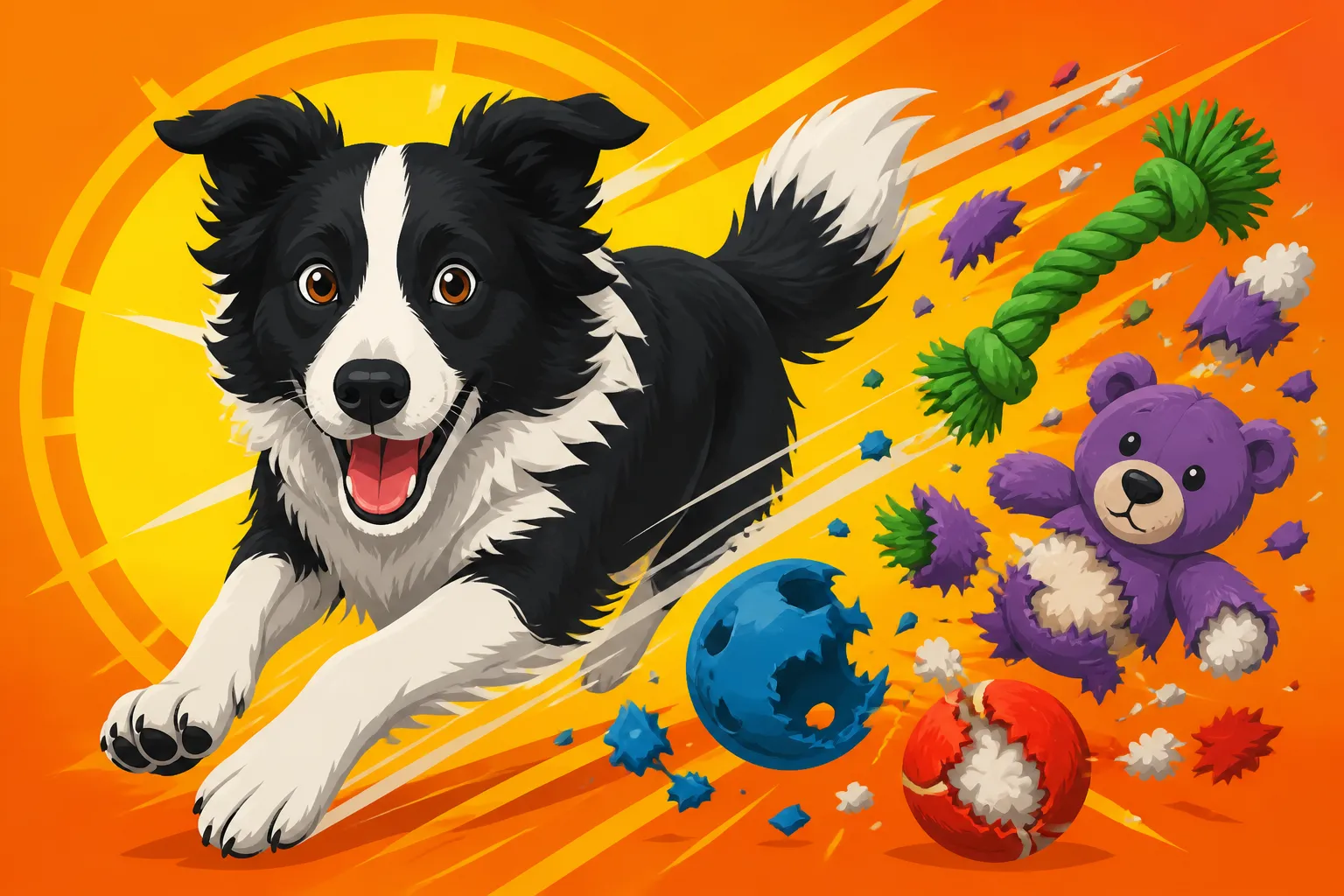
It's a familiar scenario for many Border Collie owners: you bring home a brand-new, seemingly indestructible toy, only to find it in tatters within hours, if not minutes. The frustration is real, and the expense can quickly add up. This guide will delve into why Border Collies are often toy demolition experts, how to choose toys that might actually last, and strategies to keep your furry friend happily occupied without constantly replenishing your toy box.
Why Your Border Collie Makes Short Work of Toys
Border Collies are magnificent, intelligent, and highly driven dogs, but these very traits can turn them into toy-shredding machines. It's not usually out of malice or naughtiness, but rather a combination of their innate instincts, incredible problem-solving abilities, and boundless energy. Understanding the "why" can help us manage the "how fast."
The Instinct to Destroy: Not Just Boredom
While boredom can certainly contribute to destructive chewing, for a Border Collie, there's often more at play. These dogs were bred for generations to work stock, which involves a complex mix of instinctual behaviors: chasing, nipping, grabbing, and "killing" (simulating a predator's capture of prey, though with sheep it's about control, not harm). When they engage with a toy, especially a plush or squeaky one, these instincts can kick in. The squeaker becomes the "prey," and the mission becomes to "dispatch" it. This isn't just chewing; it's often a focused, determined dissection until the object is no longer "alive" or interesting.
Think about a herding session: the dog is constantly engaging with, redirecting, and sometimes even physically bumping into livestock. This inherent drive for interaction and control, when transferred to a toy, often manifests as vigorous tearing and ripping. It’s part of their intense engagement, and it's why a plush toy stands little chance. They're not just idly gnawing; they're actively working to disassemble it, much like they would work a wayward lamb. The Border Collie Stare and Where It Comes From is a perfect example of this intense focus, and when directed at a toy, it's a powerful force.
Unmatched Intelligence and Problem-Solving
Border Collies are consistently ranked among the most intelligent dog breeds, and this mental prowess extends to their play. They aren't just chewing mindlessly; they're often figuring out the weak points of a toy. Is there a seam? A tag? A specific angle that will allow them to tear a piece off? They'll find it. A toy designed for "average" chewers might last minutes with a Border Collie because they'll quickly understand its construction and exploit its vulnerabilities.
This problem-solving skill, which makes them such brilliant working dogs and agility competitors, means they see a toy as a challenge to be overcome. A fluffy toy might be a puzzle: how do I get to the squeaker? How do I get all the stuffing out? Once they "solve" the toy, its appeal often diminishes rapidly. This isn't just about strength; it's about smarts. They learn very quickly what materials are easy to break down and what tactics work best for demolition. This also means that what works for one toy might not for another, and they'll adapt their strategy.
The Sheer Energy Output of a Working Breed
A Border Collie is not a couch potato. These dogs have an incredible amount of physical and mental energy, designed for long days of work. If that energy isn't channeled appropriately, it will find an outlet, and often, that outlet is destructive behavior. A dog that hasn't had enough exercise or mental stimulation might turn to toys (or your furniture!) with an intensity born of pent-up drive.
While physical exercise is crucial, it's often not enough on its own. A Border Collie needs to use its brain. Without sufficient mental work, a dog can still be "full of beans" even after a long run. Imagine trying to tire out an elite athlete with only physical tasks, but never giving them a strategy game. It's similar for a Border Collie. Chewing, ripping, and shredding can be a way to release that excess energy and mental frustration. It's vital to pair robust exercise with engaging mental tasks to keep them truly satisfied. Consider reviewing Exercise, Work and What Actually Settles a Border Collie for more insights into meeting their energy needs.
Choosing Toys That Stand a Chance
Given the Border Collie's formidable toy-destroying capabilities, selecting the right kind of toy is paramount. It’s about more than just buying the most expensive option; it’s about understanding materials, design, and what engages your specific dog.
Material Matters: Durability by Design
When you're shopping for toys for your Border Collie, the material is probably the most critical factor. Forget flimsy plush toys unless you're prepared for a very short lifespan and a cleanup job.
Here's a breakdown of materials that tend to hold up better:
- Hard Rubber: This is often your best bet. Brands like Kong and Goughnuts are famous for their incredibly tough rubber toys. Look for solid rubber, not hollow plastic. These are designed to withstand serious chewing and provide a satisfying, resistant texture. They're also often bouncy, which can add to the fun for a highly athletic dog.
- Heavy-Duty Nylon/Plastic: Some toys are made from very dense, hard nylon. These are typically not chewable in the same way rubber is, but rather designed for gnawing. They can be good for oral health and satisfying the instinct to grind. However, always supervise, as sharp edges can develop over time.
- Rope Toys (with caveats): While rope toys can seem robust, they're a double-edged sword for intense chewers. The fibers can come loose, be ingested, and potentially cause blockages. If you use rope toys, they should only be for supervised play like tug-of-war, and put away immediately afterward. Avoid them if your dog is prone to eating strings.
- Natural Hardwoods (Specific Types): Certain processed hardwoods, like those found in some brands of chew sticks (e.g., Coffee Wood), can be surprisingly durable and offer a natural chewing experience. Again, supervision is key to ensure pieces don't break off in large, ingestible chunks.
When you're browsing for these robust options, consider places like Chewy, which often stock a wide variety of heavy-duty toys specifically marketed for power chewers. They usually have detailed descriptions of materials and durability ratings.
Interactive and Puzzle Toys: Beyond Chewing
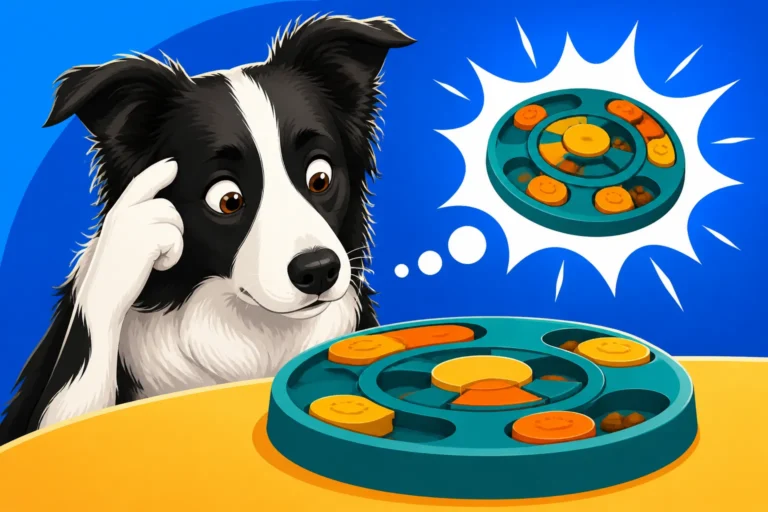
While durable chew toys satisfy the need to gnaw, interactive and puzzle toys engage your Border Collie's incredible intelligence. These aren't meant to be chewed to bits but solved.
- Food-Dispensing Toys: These are fantastic. Stuff a Kong with peanut butter (ensure it's xylitol-free!), yogurt, or even their regular kibble mixed with a little water and freeze it. This turns a five-minute snack into a thirty-minute mental challenge. Other brands offer more complex designs where dogs have to manipulate levers or push pieces to release treats.
- Snuffle Mats: These fabric mats with many folds and pockets are perfect for hiding kibble or treats. Your dog has to use their nose and paws to sniff out and extract the food, providing excellent mental stimulation that can tire them out more effectively than a long walk. Mental Work That Tires a Border Collie Faster is an excellent resource for more ideas on this.
- Advanced Puzzle Toys: Some brands create multi-step puzzles where dogs need to perform a sequence of actions – lift a piece, then slide another, then push a third – to get a reward. Start with easier ones and gradually increase the difficulty to keep your Border Collie engaged and challenged. These toys channel their problem-solving instincts in a constructive way.
| Toy Type | Primary Benefit | Durability for BCs (Avg) | Safety Notes |
|---|---|---|---|
| Hard Rubber (e.g., Kong Extreme) | Chewing, Fetch, Treat Dispensing | High | Check for wear, replace if chunks are missing. |
| Hard Nylon Chews | Chewing, Dental Health | Medium-High | Can develop sharp edges; monitor for splintering. |
| Rope Toys | Tug-of-War, Fetch | Low-Medium | Supervise closely due to ingestion risk of fibers. |
| Plush Toys | Comfort, Squeaking (briefly) | Very Low | High ingestion risk of stuffing/squeakers. |
| Puzzle Toys | Mental Stimulation, Slow Feeding | N/A (not for chewing) | Ensure pieces aren't small enough to swallow. |
| Natural Hardwood Chews | Chewing, Natural Instinct | Medium-High | Watch for splintering or large ingested pieces. |
Size, Shape, and Safety Considerations
Beyond material, the physical attributes of a toy matter for safety and longevity. Always choose toys appropriate for your Border Collie's size. A toy that's too small can be a choking hazard or swallowed whole, leading to potentially serious and expensive veterinary visits. Many dog insurance providers, like Healthy Paws, will cover accidental ingestion but it's far better to prevent the incident altogether.
Consider the shape: odd shapes can make a toy more engaging or harder to get a grip on for destruction. Toys with multiple textures can also increase interest. Avoid toys with small, easily detachable parts, as these are often the first to go. Any toy with a squeaker inside should be made of very thick, resilient material to prevent your dog from reaching the squeaker quickly. If they do manage to get to it, confiscate the toy immediately.
Always introduce new toys under supervision, especially with a known power chewer. Observe how your Border Collie interacts with it. If they start tearing off pieces, it’s time to intervene and replace it with something more robust. It's a continuous learning process for both you and your dog.
Strategies to Extend Toy Life (and Your Sanity)
Even the toughest toys won't last forever, but with smart management and training, you can significantly prolong their lifespan and reduce your overall expenditure. It’s about creating a system that works for your Border Collie's specific needs and drives.
The Art of Toy Rotation and Supervision
One of the simplest yet most effective strategies is toy rotation. Instead of leaving all your Border Collie's toys out at once, keep a selection available and rotate them every few days. This keeps toys "new" and exciting, preventing your dog from getting bored with one particular item and focusing all their destructive energy on it. If they see the same toy every day, they're more likely to systematically dismantle it.
Supervision is also critical, especially with new toys or those that aren't truly "indestructible." Don't leave your Border Collie alone with a toy they might destroy and potentially ingest pieces of. If you see them starting to tear a chunk off, gently redirect them to a more appropriate, durable chew toy or initiate a different activity. This teaches them which toys are for vigorous chewing and which are for gentler play. This also applies to soft toys: if you give them a plush toy, it's for a supervised snuggle or a brief game of fetch, not for solo chewing. When the supervised play ends, the toy goes away.
Training for Appropriate Play and Release
Believe it or not, you can train your Border Collie to interact with toys more appropriately. Teach commands like "leave it" and "drop it." These are vital for managing their intensity and preventing them from becoming possessive or overly fixated on a toy. If they can reliably "drop it," you can easily swap out a toy that's getting too much abuse for a more durable one. The Border Collie That Will Not Drop the Ball is a common scenario that can be addressed with these commands.
You can also teach them to "settle" with a chew toy rather than going into full demolition mode. This involves rewarding calm chewing on appropriate items. Make the durable chew toys the most appealing choice for solo relaxation. If they grab a less durable toy, redirect them immediately to a tough rubber chew and praise them for engaging with it. Consistency is key here. Your Border Collie is smart enough to understand the rules if you are clear and consistent with them.
When to Call in Reinforcements (and What to Look For)
Sometimes, despite your best efforts, a toy simply won't last, or your Border Collie might develop a fixation. This is when you need to be prepared to step in.
- When to Discard: As soon as a toy shows significant signs of wear – cracks, tears, missing pieces, or exposed stuffing – it's time to discard it. Even a small piece ingested can cause major problems, potentially leading to gastrointestinal upset, blockages, or choking. Don't risk it.
- "Chewy" Choices: Consider a subscription box service, available from retailers like Chewy. Many of these offer curated boxes for "super chewers," delivering new, tough toys on a regular schedule. This can help keep your toy rotation fresh and ensure you always have appropriate options on hand.
- Professional Help: If your Border Collie's destructive behavior is extreme, compulsive, or seems linked to anxiety, consult with a professional dog trainer or veterinary behaviorist. They can help identify underlying issues and develop a tailored management plan. In some cases, behaviors like obsessive chewing can be a sign of deeper stress or boredom that requires more than just a new toy. It's an investment in your dog's well-being and can save you a lot of grief (and money) in the long run.
Beyond the Chew: Mental Enrichment and Alternatives
The truth is, no toy will ever fully satisfy a Border Collie's needs on its own. Their intelligence and drive require a multifaceted approach to enrichment that goes far beyond simply providing something to chew. When their minds are engaged, they are often less inclined to destructive behaviors.
Mind Games That Tire More Than Running
While physical exercise is non-negotiable for a Border Collie, mental exercise is often what truly tires them out and makes them feel fulfilled. Think of it like this: a marathon runner is physically tired, but a chess player is mentally drained. Border Collies need both.
- Scent Work: This is incredibly engaging and taps into a dog's natural instincts. Hide treats around the house or yard and let your Border Collie sniff them out. You can start simple and make it progressively more challenging. There are even organized scent work classes if you want to take it to a competitive level. This uses their brains intensely and is often more tiring than a long walk.
- "Find It" Games: Similar to scent work, but you can hide specific toys and have your dog "find" them on command. This reinforces obedience and problem-solving.
- "Which Hand" Games: Simple, yet effective. Hide a treat in one hand, present both closed fists, and let your dog nudge or paw at the correct one.
- Novelty in Walks: Instead of the same route every day, explore new parks, trails, or even urban environments (if your dog is comfortable). New sights, sounds, and smells provide a wealth of mental stimulation.
These activities provide positive outlets for their boundless energy and intelligence, making them less likely to turn that energy towards demolishing their toys or furniture out of sheer under-stimulation.
Structured Training and Learning New Skills
Border Collies thrive on learning. Their eagerness to please and quick grasp of concepts means they love structured training sessions, whether it's basic obedience or advanced tricks.
- Obedience Refresher: Even if your Border Collie knows basic commands, regular short training sessions keep their mind sharp. Work on perfecting stays, recalls, and heeling. The precision and focus required are great mental workouts.
- Trick Training: Teach them fun tricks like "roll over," "play dead," "bow," or "weave through your legs." This is a fantastic bonding activity and builds their confidence. How Many Words a Border Collie Can Learn shows just how much they are capable of absorbing.
- Dog Sports: Consider dog sports like agility, flyball, or actual herding. These activities combine physical exercise with intense mental focus, strategy, and teamwork. They are tailor-made for Border Collies and can transform a restless dog into a satisfied, well-behaved companion.
- "Job" Around the House: Give your Border Collie a "job." This could be retrieving specific items, carrying a lightweight pack on walks, or even just being responsible for tidying their toys (picking them up and putting them in a basket). Giving them a purpose, however small, can be incredibly fulfilling.
Outdoor Adventures and Natural Enrichment
While not directly about toys, engaging your Border Collie in varied outdoor activities provides crucial enrichment that helps manage their drive and prevents destructive behaviors stemming from boredom.
- Hiking and Trail Walks: Getting out into nature allows them to explore diverse terrains, scents, and sounds. Off-leash time (in safe, legal areas) where they can run and bound over varied surfaces is invaluable.
- Swimming: Many Border Collies love to swim. This is a low-impact, full-body workout that can be incredibly tiring and mentally stimulating, especially if they're retrieving floating toys.
- Socialization (Appropriate): Safe, supervised play with other well-matched dogs can be a great way for your Border Collie to burn off energy and practice appropriate social skills. Just be mindful of their herding instincts around other dogs. A Border Collie That Herds Other Dogs is a good read if you're navigating this.
- Farm Dog Fun: If you have access to a farm or a facility that offers "fun runs" with sheep, even a pet Border Collie can greatly benefit from tapping into their innate herding abilities, even if it's not full-blown competitive work. This is the ultimate mental and physical challenge for many of them.
And finally, remember that nutrition plays a role in overall well-being. A high-quality diet, like that offered by Ollie, can support the energy and health of an active Border Collie, ensuring they have the fuel they need for all their activities. A well-fed, well-exercised, and mentally stimulated Border Collie is generally a happier dog, and a happy dog is less likely to resort to shredding every toy in sight.
Disclaimer
This article is for general informational purposes only and does not constitute professional advice. Laws, prices and regulations vary by location and change over time. Consult a qualified professional for guidance on your specific situation.