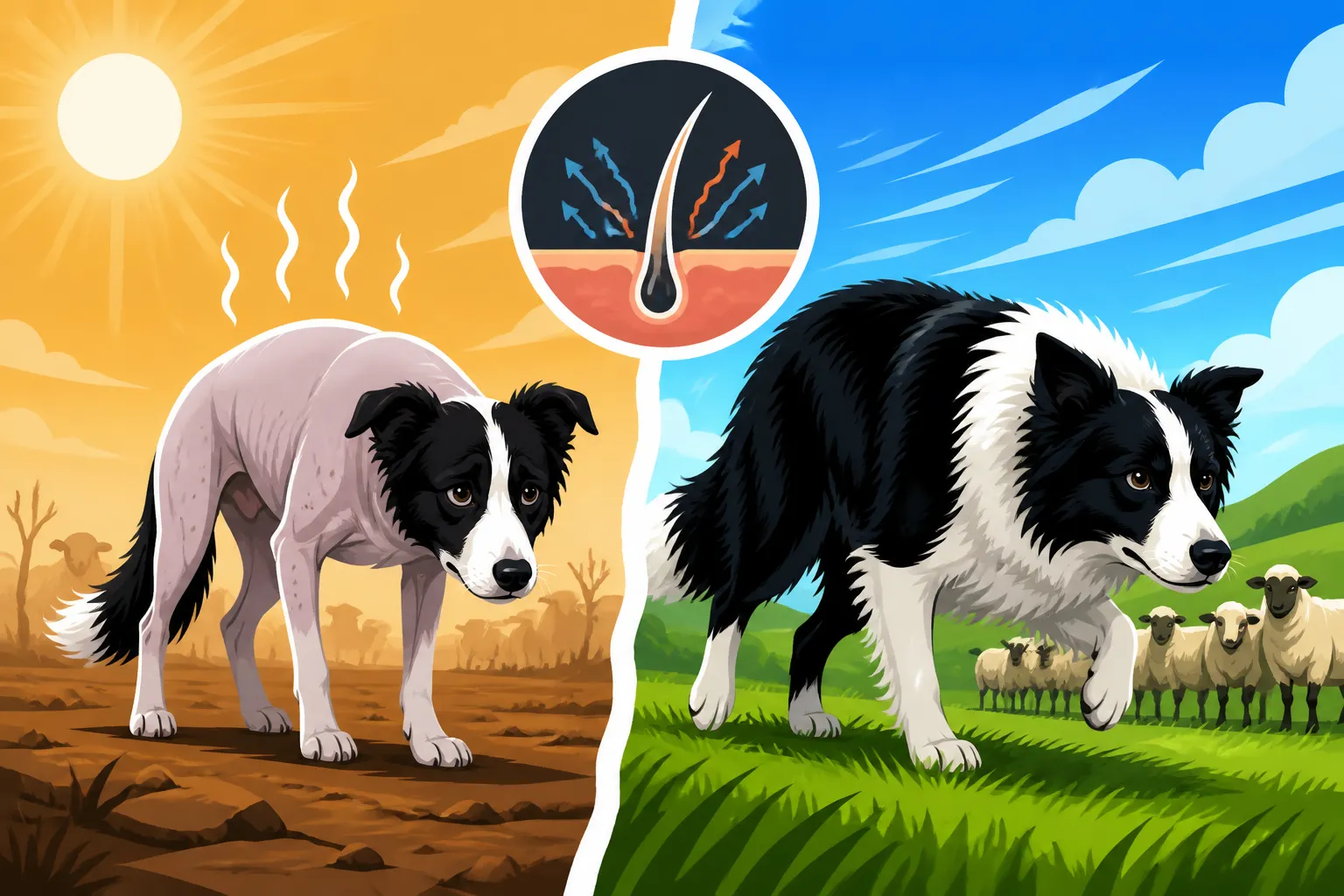
What Shaving Costs a Border Collie in the Field
It’s a hot summer day, and you're watching your hard-working Border Collie panting after a session in the field, or perhaps you're simply fed up with the endless tumbleweeds of hair rolling across your living room floor. The thought crosses your mind: "Maybe I should just shave them down." It seems like such an easy fix, a straightforward solution to heat and shedding. But for a breed like the Border Collie, especially one that spends any time working or playing outdoors, shaving their coat comes with a hidden price tag—costs that go far beyond a trip to the groomer. This guide will delve deep into exactly what shaving really costs a Border Collie, particularly when they’re active in the field, exploring the risks and offering much safer alternatives.
The Allure of the Clipper: Why Owners Consider Shaving a Border Collie
It's completely understandable why the idea of shaving a Border Collie gains traction. These dogs are incredible athletes with dense, often long coats, and they shed. Oh, how they shed! The thought of a cooler, cleaner, less hairy dog is appealing, especially when temperatures rise or the vacuum cleaner just can't keep up.
Battling the Heat: A Common Misconception
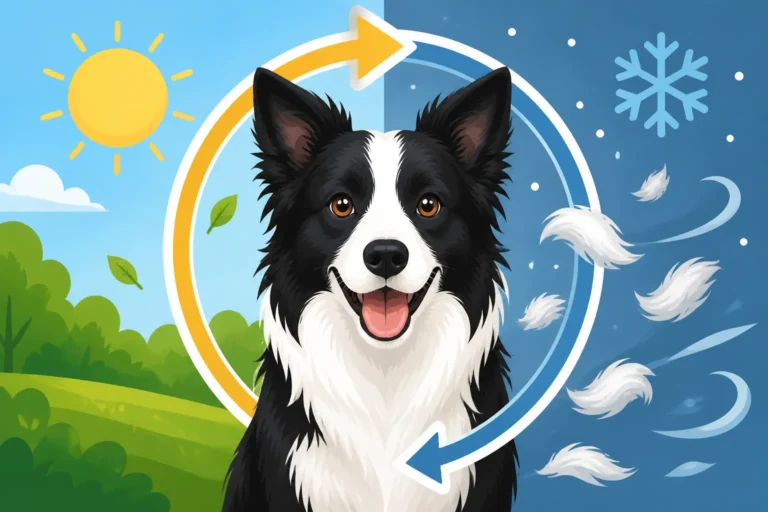
One of the biggest drivers behind considering a shave is the heat. We, as humans, feel cooler with less hair, so it stands to reason our furry companions would too, right? This is a really common and empathetic misconception. You see your dog out there, running, chasing, living their best Border Collie life, and they're panting, looking hot. The instinct is to strip away that coat, thinking it's like taking off a heavy sweater. Owners envision their dog frolicking freely, no longer burdened by what appears to be a stifling fur blanket. They might even feel a pang of guilt, believing they're helping their dog endure warmer weather. However, a Border Collie’s double coat is specifically designed to regulate their body temperature, acting like a natural insulator against both cold and heat. It’s a sophisticated system, and removing it can actually disrupt their ability to cool themselves efficiently. Imagine if you removed the insulation from your house in summer; it wouldn't make it cooler, it would make it harder for your air conditioning to work.
Managing Shedding: A Desire for Less Hair Indoors
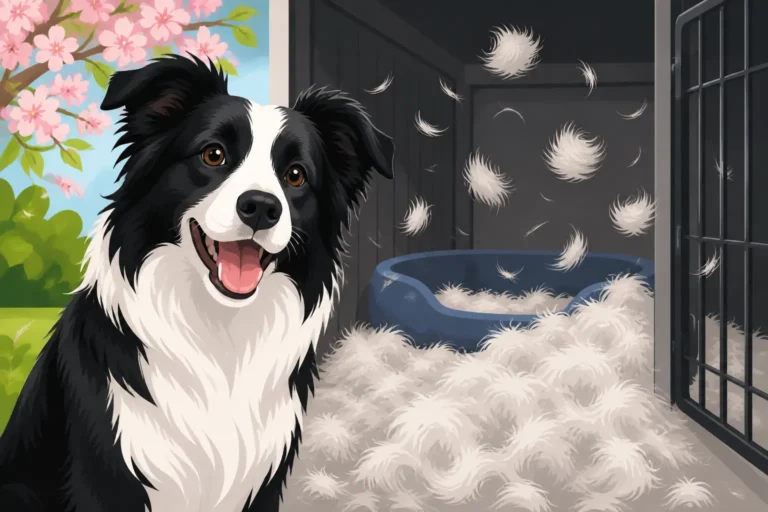
Then there's the shedding. Any Border Collie owner knows the struggle. No matter how much you brush, there always seems to be more hair. It clings to furniture, weaves itself into carpets, and magically appears in your morning coffee. For many, the sheer volume of hair is overwhelming, and the promise of a shaved dog, even for a few months, feels like a reprieve. The idea of waking up to fewer "tumbleweeds" or having guests not leave covered in dog hair is a powerful motivator. It can feel like a losing battle, and clippers present themselves as the ultimate weapon in the war against shedding. It's not just about aesthetics; it's about cleanliness and managing the sheer practical reality of living with a heavily shedding breed.
Easing Grooming: The Hope for Low Maintenance
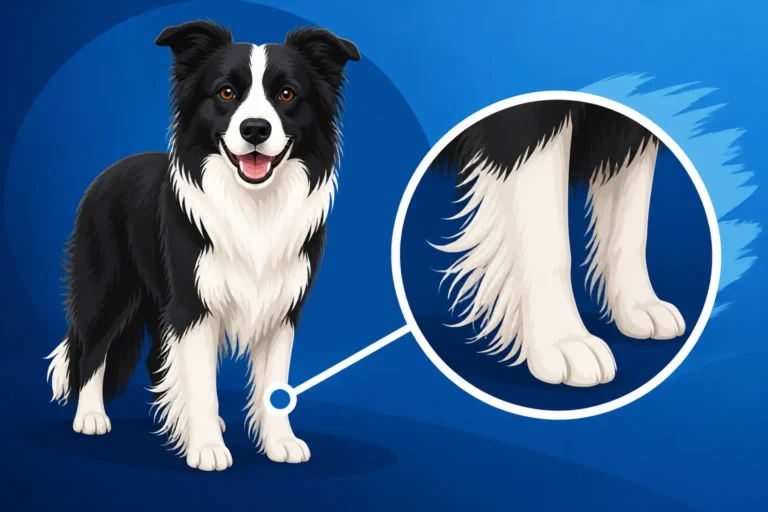
Finally, some owners consider shaving to make grooming easier. Those beautiful rough coats can mat, especially behind the ears, under the legs, and on the "trousers" (the long hair on their hind legs). Trying to comb out burrs, grass seeds, or mud after a romp in the field can be a monumental task, often painful for the dog and frustrating for the owner. A short, clipped coat seems like it would eliminate these issues, requiring less brushing, fewer baths, and generally less time spent on coat care. It's an understandable desire to simplify life, especially for those with busy schedules or multiple dogs. The vision is a quick rinse, a towel dry, and you're done – no more wrestling with tangles or battling stubborn undercoat. This perceived convenience is often a strong pull, but it unfortunately overlooks the intricate function of their natural coat.
Immediate Repercussions: The Field "Costs" of a Shaved Coat
Once those clippers come out, the immediate and visible costs to a Border Collie working or playing in the field are significant and can directly impact their comfort, health, and performance. This isn't just about how they look; it's about how they function.
Loss of Natural Insulation: Overheating and Hypothermia Risks
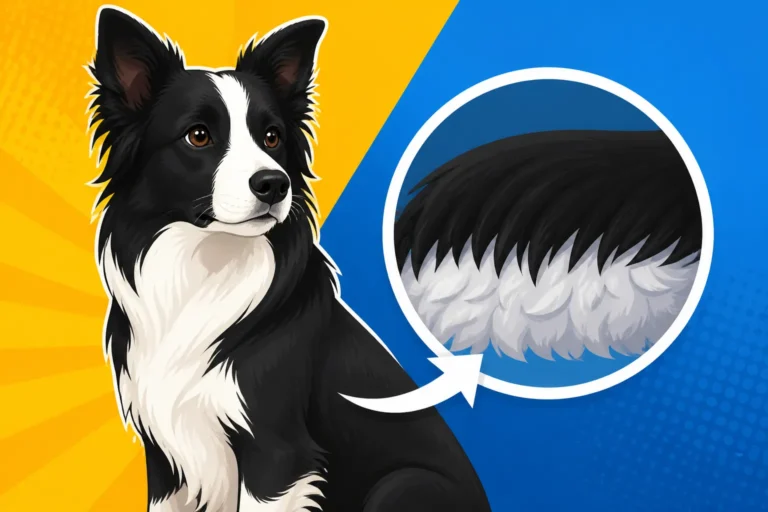
A Border Collie’s double coat is a marvel of natural engineering. It consists of a dense, soft undercoat that provides insulation, and a coarser, longer outer coat (guard hairs) that repels water and dirt. Together, they create an air pocket that acts as a thermal barrier. In winter, this traps heat, keeping them warm. In summer, it prevents external heat from reaching the skin and allows air to circulate, helping to dissipate heat through convection and evaporation. When you shave this coat, you destroy this intricate system.
Suddenly, your dog's skin is directly exposed to the ambient temperature. In hot weather, instead of being insulated from the heat, their skin absorbs it directly from the sun and the surrounding air. This can lead to them becoming hotter, not cooler, and increases their risk of heatstroke, especially when working hard. Similarly, in cooler weather, even if it's not freezing, the loss of that insulating layer makes them much more susceptible to hypothermia. A wet, shaved Border Collie will get cold much faster than one with an intact coat, as there's no protective barrier to keep body heat in and moisture out. How Hot a Border Collie Gets After Ten Minutes is a real concern, and shaving can exacerbate it.
Compromised Sun Protection: The Threat of Sunburn and Skin Cancer
Think of your Border Collie's coat as a natural sunscreen. The dense fur provides a physical barrier, blocking harmful ultraviolet (UV) rays from reaching their delicate skin. This is especially true for Border Collies with lighter pigmentation or areas of white fur, which are even more susceptible to sun damage.
When you shave the coat, you remove this vital protection. Their skin, which is not adapted to direct sun exposure, becomes incredibly vulnerable. Just like humans, dogs can get severe sunburns, which are not only painful but also significantly increase their risk of developing skin cancers, such as squamous cell carcinoma or melanoma, over time. Imagine your Border Collie spending hours out in a sunny field, or even just lounging in the yard, with no fur protection. Their skin can become red, inflamed, peel, and become a prime target for long-term damage. This is a particularly critical consideration for dogs that regularly spend extended periods outdoors, like working farm dogs or agility competitors. Heat Stroke in a Border Collie That Kept Working is a very serious concern, and sunburn only adds to the dog's overall discomfort and health risk.
Increased Vulnerability to Elements and Debris
Beyond temperature regulation and sun protection, the natural coat also serves as a shield against physical elements. For a Border Collie in the field, this means protection from thorns, burrs, sharp grasses, and insect bites. The guard hairs are tough and designed to deflect external irritants, preventing them from reaching the skin.
A shaved Border Collie loses this natural armor. Their skin is more easily punctured by sharp objects, leading to cuts, scrapes, and infections. Burrs and sticky seeds can still get caught in the remaining stubble, often becoming embedded closer to the skin, making them harder and more painful to remove than if they were simply sitting on the longer outer coat. Insect bites, from mosquitoes to ticks, also become a more significant nuisance and health risk, as there's no longer a dense barrier to deter them. This increased vulnerability means a higher chance of skin irritations, allergic reactions to bites, and potential infections that require veterinary intervention. It turns a routine outdoor adventure into a potential minefield for skin issues.
Long-Term Consequences: Beyond the Initial Shear
The decision to shave a Border Collie can have lingering effects that extend far beyond the initial regrowth. These long-term costs are often unexpected and can lead to ongoing frustration and even chronic skin and coat problems for your beloved companion.
Damage to the Double Coat: "Clipper Alopecia" and Texture Changes
One of the most disheartening long-term consequences of shaving a double-coated breed like a Border Collie is the potential for permanent coat damage, often referred to as "clipper alopecia" or post-clipping alopecia. When the coat is shaved down to the skin, especially with very close blades, it can damage the hair follicles. The guard hairs, which are the longer, coarser outer layer, grow at a different rate and have a different texture than the soft, dense undercoat.
After shaving, the undercoat often grows back first, and sometimes it's all that grows back for a very long time. This can result in a coat that is soft, fluffy, and uneven, losing its protective qualities. The guard hairs might grow back very slowly, sparsely, or not at all in certain areas, leaving patches of thin, dull fur. This altered coat texture is not just an aesthetic issue; it means the coat no longer functions as intended. It won't shed water as effectively, won't insulate properly, and will be much more prone to matting. I've heard countless stories from owners whose Border Collies never fully recovered their original coat texture after a shave, leaving them with a permanently 'ruined' coat that struggles to perform its natural duties. Why a Clipped Border Collie's Coat Grows Back Wrong really gets into the science of this.
Skin Irritation and Infection Risks
A shaved coat leaves the skin exposed and vulnerable. Even without immediate sunburn or external injuries, the skin itself can suffer. The removal of the protective outer layer can dry out the skin, leading to flakiness, itchiness, and increased sensitivity. Think about how your own skin feels after a close shave—it can be irritated, prone to ingrown hairs, and just generally uncomfortable. Dogs experience similar issues.
Furthermore, the delicate skin is now more exposed to environmental allergens, dirt, and moisture, all of which can contribute to skin infections. Bacteria and yeast thrive in warm, moist environments, and irritated skin is a prime target. Hot spots, which are localized areas of acute moist dermatitis, can become a recurring problem. These are incredibly painful and itchy for the dog, often requiring veterinary treatment with antibiotics and anti-inflammatory medications. The cycle of skin irritation, scratching, and secondary infection can be frustrating for both dog and owner, leading to ongoing discomfort and vet bills.
The Cycle of Regrowth Challenges
When a Border Collie's coat is shaved, the regrowth process itself can present a host of new challenges. As the hair starts to grow back, it often comes in unevenly, creating an awkward, patchy appearance. The undercoat may grow faster and become thicker than ever before, leading to increased matting if not meticulously managed. This can paradoxically make grooming more difficult than it was with the original coat, as the damaged, cotton-like undercoat is incredibly prone to tangles and felting close to the skin.
Owners might feel compelled to shave again to "even out" the coat or deal with the new matting, thus perpetuating the cycle of damage. This leads to continuous maintenance challenges, as the coat never quite settles back into its natural state. You might find yourself brushing even more to prevent matting in the unruly new growth, or having to seek professional grooming more frequently to manage the uneven texture. This isn't the low-maintenance solution many hoped for; instead, it becomes a different, often more complex, grooming burden.
Healthier Alternatives: Protecting Your Border Collie in the Field
Thankfully, there are many effective and safe ways to help your Border Collie manage heat, reduce shedding, and maintain a healthy, functional coat without resorting to clippers. These methods respect the natural design of their double coat and ensure their well-being in all conditions.
Strategic Grooming for Double Coats
The key to managing a Border Collie's coat is understanding its structure and working with it, not against it. Regular, thorough grooming is paramount.
-
Undercoat Rakes and Deshedding Tools: Investing in high-quality undercoat rakes and deshedding tools is crucial. These tools are designed to safely remove the loose, dead undercoat without cutting the guard hairs. Brands like Furminator (widely available on Chewy or Amazon) offer popular deshedding brushes, but many professional groomers recommend traditional undercoat rakes with rotating teeth for gentle yet effective removal. Regular use, especially during seasonal shedding periods, can significantly reduce the amount of hair floating around your home and prevent matting. Stripping a Border Collie's Undercoat Out by Hand is an art form that helps keep the coat functional. Aim for several times a week during heavy shedding, and at least once a week during lighter periods.
-
Professional Grooming (Deshedding, Not Shaving): If you're overwhelmed by the task, consider professional grooming for a "deshedding" service. A good groomer who understands double coats will use specialized techniques and tools, including high-velocity dryers, to blast out loose undercoat without ever touching a clipper blade to the guard hairs. This can be incredibly effective and provide significant relief from shedding for several weeks. Make sure to specify that you do not want your Border Collie shaved.
-
Regular Brushing: Beyond deshedding, a good pin brush or slicker brush for the longer parts of their coat (like the feathering on their legs and tail) will help prevent tangles and remove surface dirt. This also helps distribute natural oils, keeping the coat healthy and shiny. Pay particular attention to areas prone to matting, such as behind the ears and under the armpits.
Effective Cooling and Hydration Strategies
Keeping your Border Collie cool in the field is vital, but shaving isn't the answer. Focus on practical, safe methods.
-
Timing Exercise: Adjust your dog's working or play schedule to avoid the hottest parts of the day. Early mornings and late evenings are often the best times for intense activity. If you absolutely must work them during warmer hours, keep sessions short and frequent with plenty of breaks. Working a Border Collie in the Early Morning can make a huge difference in their comfort.
-
Shade and Rest: Always ensure your Border Collie has access to ample shade and opportunities for rest. This means portable shade covers if you're out in an open field, or easy access to a cool, indoor space if you're training near home. During breaks, encourage them to lie down in the shade and recover.
-
Hydration, Hydration, Hydration: Access to fresh, cool water is non-negotiable. Carry plenty of water with you and offer it frequently. Consider adding ice cubes to their water if it's exceptionally hot. Some dogs enjoy special cooling vests or bandanas that you soak in water before use. These can provide temporary relief by promoting evaporative cooling without affecting their natural coat function. How Much a Border Collie Drinks on a Working Day highlights just how important this is. You can find excellent portable water bowls and cooling gear on Amazon or Chewy.
-
Cooling Mats and Elevated Beds: For resting periods, especially in warmer climates, cooling mats (which activate with pressure) or elevated mesh beds can help your dog dissipate heat by allowing air circulation underneath them.
Managing Shedding Sensibly
Shedding is a natural process for Border Collies, and while you can't eliminate it, you can manage it effectively.
-
Consistent Brushing Schedule: As mentioned, a consistent brushing routine is your best defense against excessive indoor hair. Make it a positive experience for your dog with treats and praise.
-
High-Quality Diet: A balanced, high-quality diet plays a significant role in coat health. Dogs on good nutrition tend to have healthier skin and coats, which can sometimes mean less excessive shedding, or at least a healthier regrowth cycle. Brands like Ollie offer fresh food options that can contribute to overall canine health, including coat quality. Consult with your vet to ensure your dog is on an appropriate diet for their activity level.
-
Vacuuming and Cleaning: Let's be real, you're still going to need a good vacuum cleaner. Investing in one specifically designed for pet hair can make a world of difference. Regular vacuuming and washing dog beds and blankets will help keep the hair under control in your home.
Here's a quick comparison of shaving versus proper coat care:
| Feature | Shaving a Border Collie (Short Term) | Proper Coat Care (Long Term) |
|---|---|---|
| Initial Look | Uniformly short, neat, less hairy | Natural coat length, varies by rough/smooth |
| Heat Regulation | Compromised, higher risk of overheating/hypothermia | Optimized, natural insulation against heat and cold |
| Sun Protection | Eliminated, high risk of sunburn/skin cancer | Excellent, natural UV barrier |
| Physical Barrier | Reduced, vulnerable to thorns, bites, debris | Strong, protective against environmental irritants |
| Shedding | Temporarily reduced, then often worse with undercoat blowout | Managed with regular brushing, seasonal fluctuations |
| Grooming Effort | Appears low initially, but problematic regrowth can increase effort | Consistent effort, but maintains coat health and function |
| Coat Health | Risk of clipper alopecia, texture changes, skin issues | Promotes healthy skin and coat, maintains natural protective layers |
Ultimately, while the temptation to shave a Border Collie might be strong, especially with visions of coolness and less fur, the true "cost" in terms of health, comfort, and coat integrity is simply too high for this magnificent breed. Their double coat is an essential part of who they are, perfectly adapted to their active lifestyle, and it deserves to be nurtured, not removed.
Disclaimer
This article is for general informational purposes only and does not constitute professional advice. Laws, prices and regulations vary by location and change over time. Consult a qualified professional for guidance on your specific situation.