Feeding a Border Collie the Night Before a Trial
You've got a trial coming up, whether it's sheepdog trialing, agility, or another demanding sport, and you're probably wrestling with the age-old question of what to feed your Border Collie the night before. It's a fine line between providing enough fuel for peak performance and risking an upset stomach or a dog that's too heavy or sluggish. This guide is here to walk you through the nuances of pre-trial nutrition, helping you ensure your incredible canine athlete is perfectly fueled and ready to shine.
The Goal: Sustained Energy, Not an Upset Stomach
When preparing for a trial, our minds often jump straight to the physical training, the commands, and the course work. But what goes into their bowl the night before is just as critical for success. You want a dog that's not only full of sustained energy but also comfortable, with a settled digestive system, ready to focus on the task at hand rather than any internal rumblings.
Understanding Performance Nutrition Needs
Border Collies, especially those in regular work or competitive sports, burn a tremendous amount of calories. Their bodies are finely tuned machines, requiring a consistent, high-quality fuel source to maintain stamina, mental acuity, and rapid recovery. Unlike a pet dog who might get by on a less precise diet, a trial dog's diet is a strategic part of its overall training regimen. The night before a major event isn't the time to experiment; it's about reinforcing what you know works. Think of it as carb-loading for a human marathon runner, but with a crucial dog twist – it needs to be easily digestible and familiar.
This isn't just about throwing extra kibble in the bowl. It's about a measured approach to ensure their glycogen stores (energy reserves in muscles and liver) are topped up without causing discomfort or sluggishness. A dog that's uncomfortable or experiencing gastrointestinal distress on the day of a trial will simply not perform to its potential, no matter how well-trained it is. The focus shifts from merely filling their belly to providing precise, bioavailable energy.
The Risks of Over or Underfeeding
It’s a common worry: "Did I feed enough?" or "Did I feed too much?" Both extremes can have detrimental effects on trial day. Underfeeding, or feeding a diet that's too low in calories and nutrients, can lead to your Border Collie running out of steam halfway through their run. You might notice a drop in drive, a lack of precision in their movements, or an overall lethargy. They simply won't have the reserves to maintain that intense focus and speed required for a flawless performance. You can read more about The Calorie Load a Working Border Collie Burns in another article.
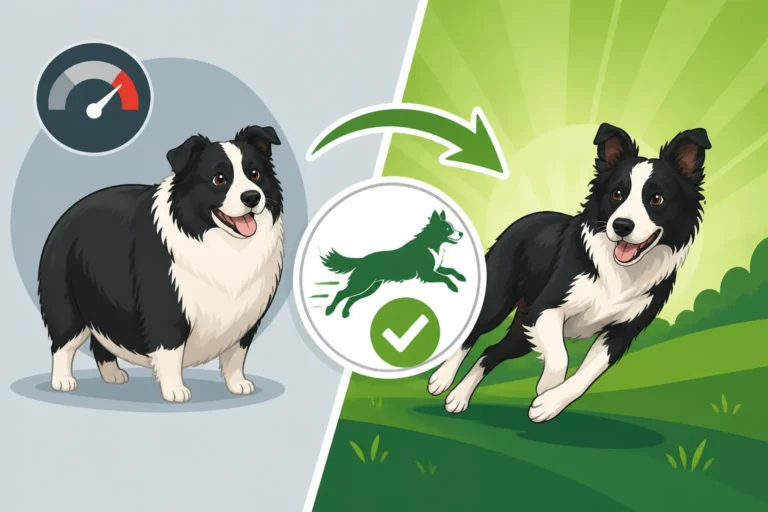
On the flip side, overfeeding or feeding heavy, rich foods can lead to digestive upset, bloating, or simply a feeling of being too full and sluggish. Imagine trying to run a race after a huge Thanksgiving dinner – that's how your dog might feel. They could experience loose stools, gas, or even vomiting, all of which are incredibly distracting and uncomfortable on trial day. Not to mention the risk of more serious issues like bloat, though less common in Border Collies, which is always a concern with large, deep-chested breeds. The ideal is to provide enough nutrient-dense fuel that their body can efficiently process it and have it ready for action.
What to Feed: Quality, Digestibility, and Familiarity
Consistency is truly king when it comes to a trial diet. The night before a big event is not the time to introduce a new brand of kibble, a novel protein source, or any unusual treats, no matter how tempting it might be to "boost" them. Their digestive system is accustomed to a certain routine, and disrupting that can lead to predictable problems.
High-Quality, Easily Digestible Protein and Fat
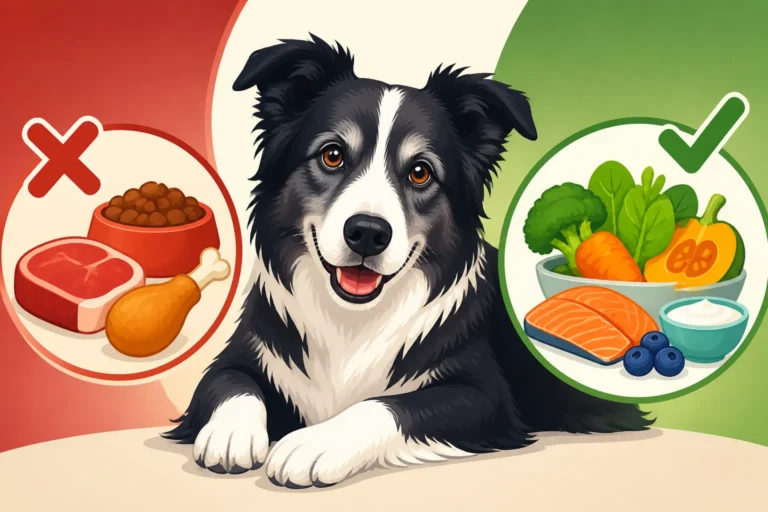
Your Border Collie thrives on a diet rich in high-quality protein and appropriate fats. Protein is essential for muscle repair and maintenance, which is constantly happening in an athletic dog. Healthy fats are a concentrated energy source, providing sustained fuel that burns slowly. Look for foods where a named meat source (e.g., "chicken meal," "lamb," "beef") is among the first ingredients. Avoid generic terms like "meat by-products" if your usual diet doesn't include them.
Many performance dog foods are specifically formulated with higher protein and fat content to meet these demands. If your dog is on a fresh food diet, like those offered by services such as Ollie, you're likely already providing high-quality, easily digestible ingredients. Just ensure that the specific recipe being fed is one your dog has consumed many times before without issue. For dry kibble, reputable brands available on platforms like Chewy often provide detailed ingredient lists and nutritional analyses, allowing you to choose wisely. This consistency helps prevent any unexpected digestive distress when it matters most.
The Role of Complex Carbohydrates
While Border Collies are efficient at utilizing protein and fat for energy, complex carbohydrates play a vital role in topping up glycogen stores. These aren't the sugary, quick-burn carbs humans might grab; instead, they are slow-releasing energy sources like sweet potato, brown rice, oats, or peas. These provide a steady stream of glucose, preventing energy crashes during sustained activity.
The key is "complex" and "familiar." If your dog's regular diet contains these, stick with it. Some handlers might add a small amount of plain cooked rice or sweet potato to their dog's regular meal the night before if their dog tolerates it well and it's a proven strategy for them. However, if this isn't part of your usual routine, it’s best to avoid it. The goal is to ensure they have readily available energy without overloading their digestive system with new ingredients.
Considering Supplements and Hydration
Supplements can be a minefield, and the general rule of thumb for trial prep is: if it isn't part of their daily, long-term routine, don't start it the night before. This includes anything from joint supplements to specific amino acids. The only exception might be an electrolyte supplement if you're dealing with extremely hot weather or very intense, multi-day trials, but even then, it should be something introduced gradually and tested extensively during training, not a last-minute addition. Dehydration in a Border Collie After a Day's Work can significantly impact performance, so this is critical.
Hydration, however, is paramount and often overlooked. Ensure your Border Collie has access to fresh, clean water at all times. The night before a trial, encourage them to drink. Some dogs will drink more if a small amount of low-sodium broth or a few ice cubes are added to their water bowl. Proper hydration aids digestion, supports muscle function, and helps prevent overheating, all crucial for a successful trial day. Making sure they are well-hydrated leading up to the event is far more effective than trying to catch up on the day of.
When to Feed: Timing is Everything
Just as important as what you feed is when you feed it. The timing of meals can significantly impact your Border Collie's energy levels, comfort, and digestive readiness for the demands of the trial.
The Evening Meal's Importance
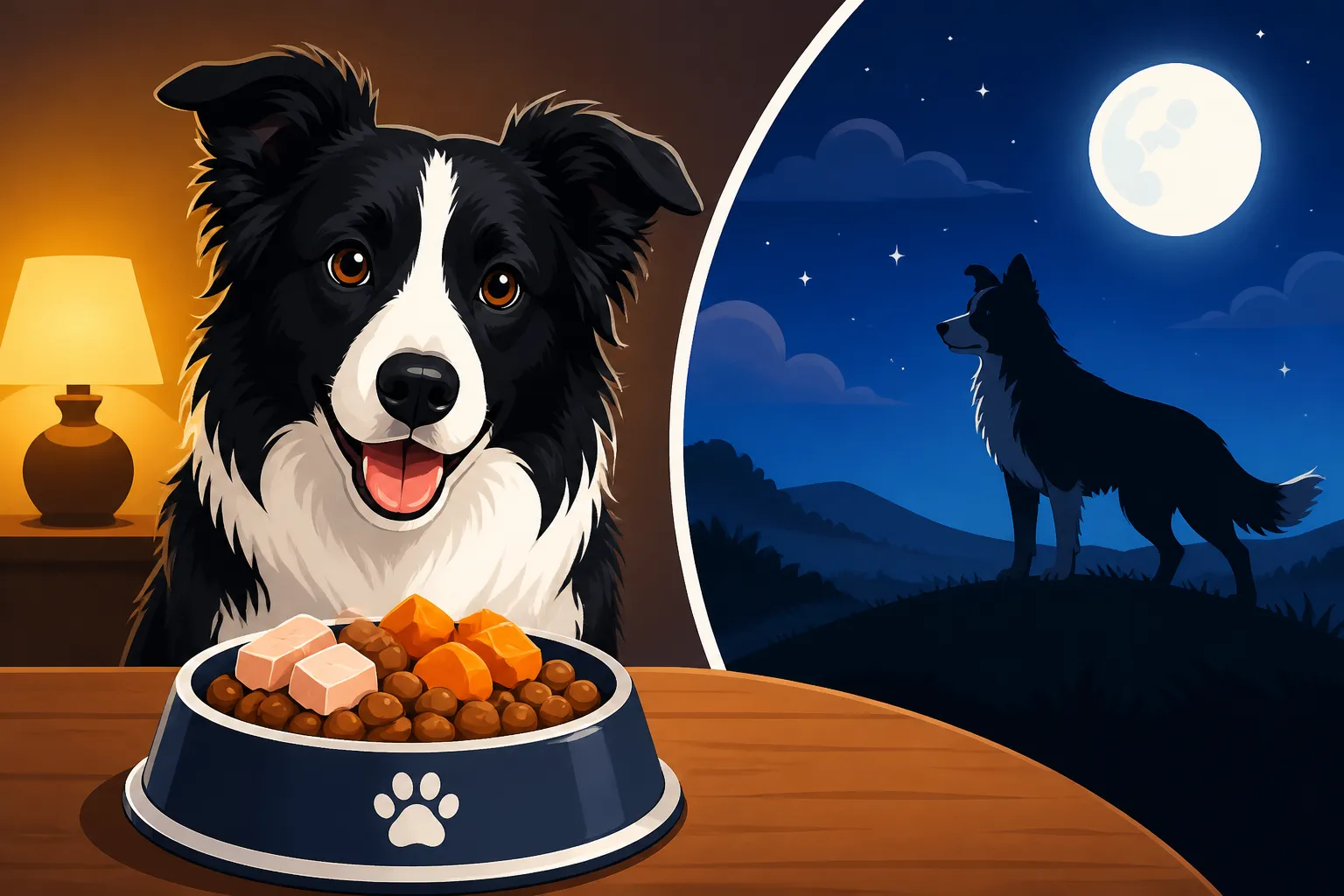
The main pre-trial meal should be given the evening before the event, typically at their usual dinner time. This allows ample time for digestion, nutrient absorption, and for their system to clear before they need to perform. For most Border Collies, this means a good 12-14 hours between the last substantial meal and the start of intense activity on trial day. This ensures their stomach is empty enough to prevent discomfort or the risk of bloat while still having all the fuel they need.
If your Border Collie usually eats twice a day, stick to that schedule. A normal dinner, perhaps with a slightly increased portion of their regular, high-quality food, can be appropriate if they are usually quite lean or if the trial demands exceptionally long or hard work. However, avoid dramatically increasing portion sizes if your dog isn't used to it, as this can lead to digestive upset. The key is balance and routine. Think about their usual intake and make very slight, well-tested adjustments if necessary.
| Meal Timing | Food Type | Notes |
|---|---|---|
| Night Before Trial | Regular high-quality meal | At usual dinner time. Maybe slightly larger portion if very lean/heavy work expected, but avoid dramatic changes. |
| Morning of Trial | Small, easily digestible snack | 4-6 hours before first run. Examples: plain cooked rice, a few kibble pieces, or half a hard-boiled egg. |
| During Trial Day | Small, high-value, familiar treats | Between runs, for energy boosts and motivation. |
| Post-Trial | Regular meal + extra hydration | Once settled, resume normal feeding. Ensure plenty of water. |
Morning of the Trial Considerations
On the morning of the trial, most handlers opt for either nothing or a very small, easily digestible snack several hours before their dog's first run. The general advice is to avoid any large meals on trial morning. A completely full stomach can lead to discomfort, sluggishness, and even a higher risk of bloat in some dogs during vigorous activity.
If you choose to feed a morning snack, make it truly minimal and something you know your dog tolerates perfectly. Examples include a tablespoon or two of plain cooked rice, a few pieces of their regular kibble, or even half a hard-boiled egg. This should be given at least 4-6 hours before their anticipated run time. The idea is just to take the edge off any hunger pangs and provide a tiny, quick-access energy boost, not to fill them up. Many working Border Collie owners find that no food on the morning of a trial is the best strategy for optimal performance and comfort. This is where knowing your individual dog truly comes into play.
Avoiding Common Pitfalls and Last-Minute Changes
Trial day is high-stakes, and it's easy to get caught up in the excitement and anxiety. This can sometimes lead to well-intentioned but ultimately counterproductive feeding decisions.
Stick to What You Know
This can't be stressed enough: do not introduce any new foods, treats, or supplements the night before or on the day of a trial. Your Border Collie's digestive system, like ours, thrives on routine. A sudden change can easily lead to an upset stomach, diarrhea, or even vomiting – the last thing you want when you're about to step onto the course. If you’ve heard about a "miracle food" that supposedly boosts performance, save it for the off-season to test gradually and thoroughly during training, not for a crucial event.
This consistency extends to the brand of food, the protein source, and even the form it comes in. If your dog usually eats dry kibble, don't suddenly switch to a wet food. If they thrive on a chicken-based diet, don't surprise them with lamb. It's about minimizing variables and ensuring their body is in a predictable state, allowing them to focus entirely on their work. Many Border Collie owners find comfort in ordering their trusted food from reliable online sources like Amazon or Chewy to ensure they always have it on hand and avoid any last-minute grocery store substitutions.
Managing Pre-Trial Nerves (and how it affects appetite)
It’s not just us who get nervous before a big event; our Border Collies can pick up on our stress, and some dogs experience their own pre-trial jitters. This can sometimes manifest as a reduced appetite. If your dog isn't keen on their evening meal, don't force it. Pushing food onto an anxious dog can create negative associations or even lead to digestive issues.
Instead, offer their usual portion, and if they don't eat it all within a reasonable timeframe (say, 15-20 minutes), simply take it away. They'll be fine. A slightly hungry dog is often a more motivated dog. Focus on creating a calm environment for them before bedtime. A gentle massage, a quiet walk, or a familiar, comforting routine can do wonders to settle their nerves, which in turn helps their digestion. Understanding Excitement as a Trigger for Border Collie Collapse can also help you manage their overall emotional state.
Dealing with a Picky Eater Before Competition
If your Border Collie is typically a picky eater, the night before a trial can be especially challenging. This is where having a very high-value, familiar food source comes in handy. If they usually eat dry kibble, try moistening it with a little warm water or low-sodium broth to make it more enticing. You could also mix in a tiny bit of plain cooked chicken or tuna (again, only if these are familiar and well-tolerated additions to their diet).
For some picky dogs, a smaller portion might be more appealing than a full bowl. Remember, the goal isn't to gorge them but to provide sufficient, easily assimilated nutrition. If they genuinely refuse food, don't panic. Their energy reserves from previous days' consistent feeding will carry them through, and it's far better for them to be slightly hungry than to have a full, upset stomach. Keeping them well-hydrated becomes even more crucial if they're not eating much.
Disclaimer
This article is for general informational purposes only and does not constitute professional advice. Laws, prices and regulations vary by location and change over time. Consult a qualified professional for guidance on your specific situation.