The Border Collie Genetic Panel and What It Screens
It's an utterly heartbreaking feeling to fall head over heels for a beautiful, intelligent Border Collie puppy, only to find yourself down the line grappling with a devastating health condition that could have been foreseen. So many of us, myself included, have faced that gut-wrenching moment of a vet delivering bad news, wishing we had more information sooner. This comprehensive guide is here to shed light on the crucial world of Border Collie genetic panels, explaining exactly what they screen for and how this vital knowledge can empower you to give your beloved companion the healthiest, happiest life possible.
Why Genetic Testing is a Game-Changer for Border Collie Owners
Bringing a Border Collie into your life is an adventure filled with boundless energy, unwavering loyalty, and incredible intelligence. But it also comes with a deep responsibility to safeguard their health. For too long, owners and breeders alike have had to react to diseases as they appear, often after significant suffering has already begun. Genetic testing has fundamentally changed this landscape, transforming reactive care into proactive prevention. It’s not just about finding problems; it’s about understanding potential risks before they become heartbreaking realities.
Moving Beyond Reactive Healthcare
Think about it: most of us only take our dogs to the vet when something is visibly wrong. A limp, a cough, a sudden change in behavior – these are the usual triggers. While essential, this approach often means we’re already playing catch-up, battling an illness that has taken root. Genetic testing, however, offers a crystal ball of sorts, revealing predispositions to certain conditions long before any symptoms emerge. This isn't about fear-mongering; it's about empowerment.
Imagine knowing your dog carries a gene that makes them sensitive to certain medications. You can then discuss this with your vet, ensuring they adjust protocols for everything from routine dental procedures to emergency surgeries. This preemptive knowledge can literally be life-saving. It allows you to work with your veterinarian to create a personalized health plan, perhaps incorporating specific dietary supplements, adjusting exercise intensity, or scheduling more frequent check-ups to monitor for early signs of a genetically linked condition. This isn't just theory; it's tangible protection for your furry family member, preventing countless trips to the emergency vet and the emotional toll that comes with unexpected, severe health crises.
The Role of Responsible Breeding
For anyone considering bringing a Border Collie puppy into their home, or for dedicated breeders striving to improve the health of the breed, genetic testing is paramount. Responsible breeders aren't just looking for good conformation or working drive; they're deeply committed to producing healthy puppies free from preventable inherited diseases. Genetic panels provide them with the tools to make incredibly informed breeding decisions. By testing prospective parent dogs, they can identify carriers of recessive genes that, when paired, could result in offspring affected by serious conditions.
This meticulous approach ensures that puppies born are genetically sound, giving new owners peace of mind and significantly reducing the heartbreak of unexpected illness. If you're looking for a puppy, don't hesitate to ask a Border Collie breeder for test results for both parents. A reputable breeder will not only have these results readily available but will be eager to discuss them with you, explaining what 'Clear,' 'Carrier,' and 'Affected' mean for each condition. Understanding the nuances of "Carriers, Affected and Clear on a Border Collie Panel" is fundamental for both breeders and prospective puppy owners, allowing for ethical pairings and healthier generations. This commitment to genetic health helps to safeguard the future of these magnificent dogs, ensuring their longevity and quality of life.
Understanding the Common Genetic Health Concerns in Border Collies
Border Collies, like all purebred dogs, have certain genetic predispositions that responsible owners and breeders need to be aware of. While their robust health and incredible athleticism are well-known, several inherited conditions can significantly impact their quality of life. Being informed about these specific risks is the first step in proactive care.
Collie Eye Anomaly (CEA) and Vision Health
Collie Eye Anomaly, often simply called CEA, is perhaps one of the most widely recognized genetic eye conditions in Border Collies and other collie breeds. It's an inherited, non-progressive developmental defect of the eye that can range in severity from almost imperceptible to severely sight-impairing. At its mildest, it might manifest as choroidal hypoplasia, a thinning of the choroid, which is the layer of blood vessels and connective tissue that nourishes the retina. Dogs with this mild form often have perfectly normal vision throughout their lives.
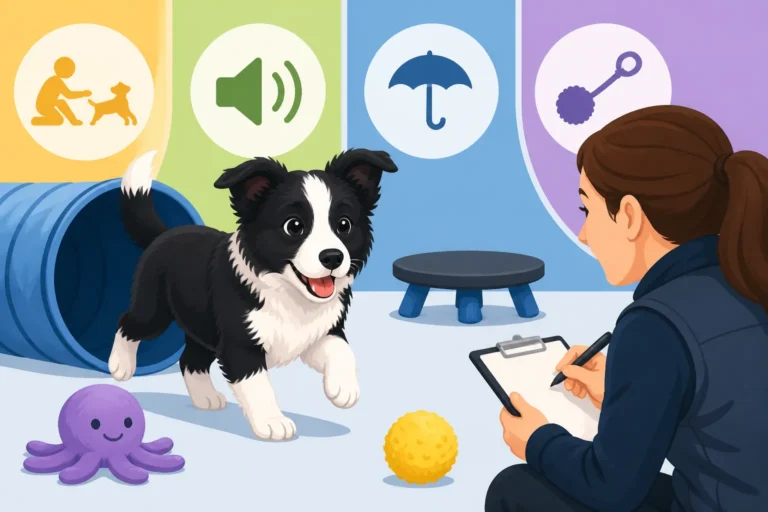
However, CEA can also lead to more serious complications, including colobomas (holes in various parts of the eye structure), retinal folds, or, in the most severe cases, retinal detachment and intraocular hemorrhage, which can lead to blindness. This wide spectrum of presentation is why early screening is so vital. A thorough eye exam by a veterinary ophthalmologist, often performed when the puppies are very young, typically between six and eight weeks of age, is crucial. This is known as "The Eye Exam a Border Collie Puppy Gets at Six Weeks". While a clinical exam can detect the physical manifestations of CEA, a genetic test identifies whether a dog carries the gene responsible, providing definitive status regardless of the visible symptoms. Understanding "Collie Eye Anomaly in a Border Collie Puppy" from both a clinical and genetic perspective is key to managing this condition effectively within the breed.
Neuronal Ceroid Lipofuscinosis (NCL)
Neuronal Ceroid Lipofuscinosis, or NCL, is a devastating neurodegenerative genetic disorder that tragically affects Border Collies. It's a lysosomal storage disease, meaning that the body lacks specific enzymes needed to break down waste products within cells, leading to a toxic accumulation of fatty-acid proteins (lipofuscins) in the brain and other tissues. The symptoms typically begin to manifest between 1 and 3 years of age, often starting subtly with changes in behavior, such as anxiety, aggression, or disorientation.
As the disease progresses, the neurological signs become increasingly severe. Affected dogs will develop ataxia (loss of coordination), visual impairment, seizures, and a general decline in cognitive function. The progression is relentless and irreversible, leading to a profound deterioration in quality of life. There is currently no effective treatment or cure for NCL, and affected dogs are usually euthanized by the age of 3-4 years due to the severity of their symptoms. This is why "Why Neuronal Ceroid Lipofuscinosis Has No Treatment" makes genetic testing incredibly important for this condition, as it offers the only way to prevent its heartbreaking occurrence in future litters. Knowing a dog's NCL status allows breeders to make responsible choices, ensuring that no affected puppies are born into families who will face this harrowing journey.
Trapped Neutrophil Syndrome (TNS)
Trapped Neutrophil Syndrome (TNS) is another severe inherited condition that impacts Border Collies, particularly affecting the immune system. TNS is a recessive genetic disorder where a dog's bone marrow produces neutrophils (a type of white blood cell crucial for fighting infection), but these neutrophils are unable to properly exit the bone marrow and function in the bloodstream. Consequently, affected puppies suffer from a severely compromised immune system, leaving them highly vulnerable to recurrent bacterial infections.
Puppies with TNS are typically smaller and weaker than their littermates, often presenting with chronic infections, persistent diarrhea, and a failure to thrive. These infections can affect various systems in the body, including the respiratory tract, gastrointestinal tract, and skin, and often require constant antibiotic treatment. Despite intensive veterinary care, affected puppies rarely live beyond a few months, with most succumbing to overwhelming infections before they reach adulthood. Understanding "What TNS Does to a Border Collie Puppy" underscores the profound suffering and poor prognosis associated with this condition, making genetic screening for TNS an absolute necessity for all breeding Border Collies. By identifying carriers, breeders can avoid pairings that would produce affected puppies, thereby eradicating this devastating disease from their lines.
Diving Deeper into Neurological and Metabolic Conditions
Beyond the more commonly discussed genetic disorders, Border Collies can also be predisposed to other inherited conditions that affect their neurological function and metabolic processes. These conditions might be less widely known but can have equally profound impacts on a dog's health and the lives of their owners.
Imerslund-Gräsbeck Syndrome (IGS) / Cobalamin Malabsorption
Imerslund-Gräsbeck Syndrome, also known as Cobalamin Malabsorption, is a fascinating yet serious genetic condition found in Border Collies that affects their ability to absorb vitamin B12 (cobalamin) from their diet. Vitamin B12 is absolutely essential for numerous bodily functions, including red blood cell production, neurological health, and metabolic processes. Dogs affected by IGS cannot properly transport B12 from their intestines into their bloodstream, leading to a systemic deficiency.
Symptoms typically begin to appear in young dogs, often between 6 weeks and 12 months of age, and can be quite varied. Affected puppies may exhibit poor growth, lethargy, anorexia, and chronic gastrointestinal issues like vomiting and diarrhea. They might also develop anemia, leading to pale gums and a general weakness. Neurological signs, though less common initially, can also emerge over time due to the critical role of B12 in nerve function. "How a Cobalamin-Deficient Border Collie Presents" can be quite diverse, making diagnosis sometimes challenging without genetic testing. Fortunately, once diagnosed, IGS is manageable through regular, lifelong B12 injections. While it requires commitment from the owner, these injections can dramatically improve the dog's quality of life and allow them to live a relatively normal lifespan. This highlights why testing for "Cobalamin Malabsorption in a Border Collie" is so important, allowing for early diagnosis and intervention.
Early Adult Onset Deafness (EAOD)
Early Adult Onset Deafness (EAOD) is a genetically inherited condition that specifically affects Border Collies, leading to progressive hearing loss that typically begins in young adulthood. Unlike congenital deafness, which is present at birth, EAOD develops over time, often becoming noticeable between 1 to 3 years of age. This gradual onset can make it particularly challenging for owners to detect, as dogs are adept at compensating for diminishing hearing using their other senses and relying on visual cues.
The gene responsible for EAOD has been identified, allowing for genetic testing to identify affected dogs and carriers. As the hearing loss progresses, affected Border Collies may become less responsive to verbal commands, particularly in noisy environments, or they might seem to ignore sounds they previously reacted to. For a breed so reliant on intricate whistle and voice commands, especially those engaged in working roles or dog sports, developing deafness can significantly impact their training and ability to perform. Early detection through genetic testing can allow owners to proactively adjust their training methods, incorporating more hand signals and visual cues before hearing loss becomes profound, helping to mitigate the challenges of living with a deaf dog.
Glaucoma
Glaucoma is a painful and potentially blinding eye condition characterized by abnormally high pressure within the eye. While it’s often associated with age or injury, certain breeds, including Border Collies, can have a genetic predisposition to developing primary glaucoma. This form typically affects both eyes, though often at different rates. The high intraocular pressure damages the optic nerve and retina, leading to irreversible vision loss if not promptly treated.
While genetic research for glaucoma in Border Collies is ongoing and more complex than for single-gene disorders, understanding any familial history and discussing it with a veterinary ophthalmologist is prudent. Symptoms of glaucoma can include redness in the eye, cloudiness of the cornea, a dilated pupil that doesn’t respond to light, squinting, and visible pain. Given the potential for rapid progression and permanent blindness, early identification and aggressive treatment are critical. While a specific genetic test might not yet be widely available for all forms of Border Collie glaucoma, awareness of breed predisposition, coupled with regular veterinary eye examinations, remains paramount for early detection and management. This is why annual check-ups are so important, as your vet can check eye pressure during these visits.
The MDR1 Gene and Drug Sensitivity
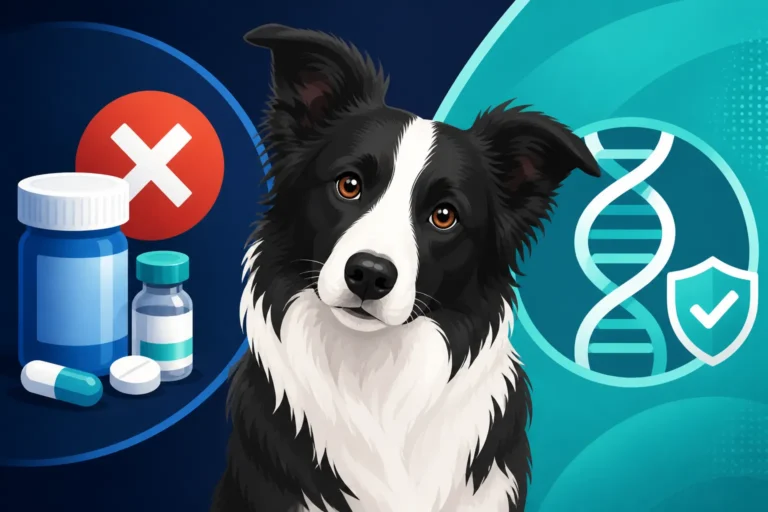
One of the most critical genetic discoveries for several herding breeds, including the Border Collie, is the Multi-Drug Resistance 1 (MDR1) gene mutation. This mutation has profound implications for how affected dogs process and react to common veterinary medications, and understanding it is absolutely non-negotiable for any Border Collie owner. Ignoring this genetic predisposition can lead to severe, life-threatening drug reactions.
Understanding the MDR1 Mutation
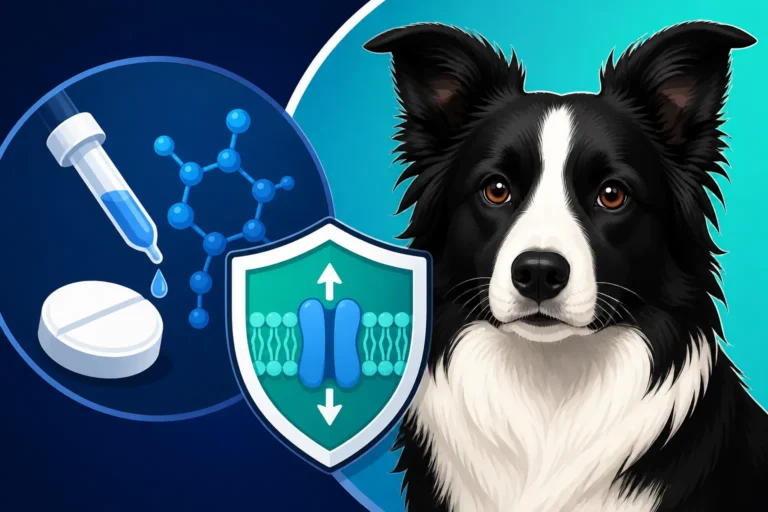
The MDR1 gene codes for a protein called P-glycoprotein, which acts as a pump, moving various drugs and toxins out of the brain and other sensitive organs. Think of it as a crucial protective barrier. In dogs with the MDR1 mutation, this pump doesn't function correctly or is entirely absent. This means that certain medications, instead of being efficiently expelled, can accumulate to toxic levels in the brain and other tissues. The result? Neurotoxicity and other severe adverse reactions that can range from tremors and disorientation to seizures, coma, and even death.
While the mutation is most famously associated with Collies, the Border Collie breed also carries a certain rate of this gene, albeit lower than some other herding breeds. Nevertheless, it is still a significant concern. Knowing your Border Collie's MDR1 status isn't just a recommendation; it's a vital piece of information that should be prominently displayed on their veterinary records and communicated to every professional who provides care for your dog. This awareness is the primary defense against accidental overdose or adverse reactions during routine medical procedures or emergencies. To learn more about how common this is, consider reading "Drug Sensitivity and the Border Collie MDR1 Rate".
Critical Drugs to Avoid or Use with Caution
For Border Collies carrying the MDR1 mutation (either as a carrier or, more critically, as affected), there is a list of specific drugs that must be either completely avoided or used with extreme caution and significantly reduced dosages under strict veterinary supervision. The consequences of administering these drugs at standard doses to an MDR1-affected dog can be catastrophic.
Some of the most critical medications include:
- Ivermectin: A common ingredient in many heartworm preventatives and dewormers. Even at doses commonly used in non-MDR1 dogs, it can cause severe neurological issues.
- Loperamide (Imodium): An over-the-counter anti-diarrheal medication. In MDR1-affected dogs, it can cross the blood-brain barrier and cause profound neurological depression.
- Acepromazine: A tranquilizer often used for sedation before veterinary procedures.
- Butorphanol: An opioid pain reliever and sedative.
- Vincristine, Vinblastine, Doxorubicin: Certain chemotherapy drugs.
- Erythromycin: An antibiotic.
It's absolutely imperative to inform your veterinarian that "Telling a Vet a Border Collie Is MDR1 Affected" is a critical first step. They need to flag your dog's chart and cross-reference any prescribed medication against this known sensitivity. Always double-check with your vet if you're ever given a new medication, even if it seems innocuous. This proactive communication ensures your Border Collie receives safe and effective treatment without risking their life. For a more detailed list of problematic substances, refer to "Which Drugs an MDR1 Border Collie Cannot Have".
How a Genetic Panel Works: From Swab to Results
The idea of genetic testing might sound complicated or intimidating, but in reality, getting a genetic panel done for your Border Collie is remarkably straightforward. Modern veterinary genetics has made this process accessible and easy for any dog owner, whether you're a seasoned breeder or a loving pet parent. The entire process, from sample collection to receiving comprehensive results, is designed with convenience and accuracy in mind.
The Simple Collection Process
Gone are the days when genetic testing required invasive blood draws or complicated procedures. Today, the most common and widely accepted method for collecting a DNA sample for a genetic panel is a simple buccal swab, also known as a cheek swab. This can typically be done right in the comfort of your own home, making it stress-free for both you and your dog.
The kit usually contains a sterile swab, which looks like a large Q-tip. You'll gently but firmly rub the swab against the inside of your dog's cheek and gums for about 30-60 seconds to collect epithelial cells. It's crucial to ensure your dog hasn't eaten, drunk, or chewed on anything for at least 30 minutes prior to collection to avoid contamination with food particles or other foreign DNA. Most kits come with clear, step-by-step instructions, and many even include multiple swabs to ensure you get a good sample. Once collected, the swab is allowed to air dry and then placed back into its protective sleeve or envelope, ready to be sent off to the chosen laboratory. For more specific guidance on sending samples, you might want to look at "Where to Send a Border Collie Cheek Swab". The simplicity of this process means there's virtually no barrier to getting this vital health information for your Border Collie.
Interpreting Your Border Collie's Genetic Report
Once your sample reaches the laboratory, the DNA is extracted and analyzed for the specific genetic markers associated with various inherited diseases. After a few weeks (the turnaround time can vary depending on the lab), you'll receive a detailed report. Don't worry if it looks like a lot of scientific jargon at first glance; these reports are usually designed to be relatively easy to understand, often using clear categories for each tested condition.
For each disease, your dog will typically be classified into one of three categories:
| Category | Description | Implications |
|---|---|---|
| Clear | The dog has two normal copies of the gene and does not carry the mutation. | This dog will not develop the specific disease (unless it's a multifactorial condition not solely controlled by this single gene) and cannot pass the mutation on to its offspring. This is the ideal status for breeding. |
| Carrier | The dog has one normal copy of the gene and one copy of the mutation. This means they carry the gene but typically do not express the disease themselves (though some conditions can have mild manifestations even in carriers, or drug sensitivities like MDR1 can still affect carriers to some degree). | This dog is generally healthy. However, if bred with another carrier of the same mutation, there's a 25% chance per puppy that they will produce an affected offspring. Carriers can safely be bred to a "Clear" dog without producing affected puppies, though 50% of the offspring would likely be carriers. |
| Affected | The dog has two copies of the mutation and will likely develop or already has developed the disease. | This dog will likely exhibit symptoms of the genetic disorder. These dogs should not be bred, and their health management will need to be tailored to their specific condition, often involving proactive veterinary care. |
Understanding what "What a Full Border Collie DNA Panel Covers" is crucial, as different panels might screen for different sets of diseases. This report provides invaluable insight, empowering you to make informed decisions about your Border Collie's healthcare, nutrition, and even future breeding prospects if you're a breeder.
Making Informed Decisions with Genetic Information
Receiving your Border Collie's genetic panel results is more than just getting a piece of paper; it's gaining powerful knowledge that allows you to be a much more informed and proactive advocate for their health. This information becomes a cornerstone for truly personalized care, moving beyond general advice to recommendations tailored specifically to your dog's unique genetic makeup.
Proactive Care and Lifestyle Adjustments
Once you have your Border Collie's genetic profile in hand, you and your veterinarian can embark on a truly proactive healthcare journey. If your dog is identified as a carrier for a condition that might have mild expressions or influence other health factors, or if they're simply deemed at higher risk for certain issues, you can implement preventative strategies immediately. For instance, knowing a predisposition to certain joint issues might lead to a discussion about specific joint supplements, a diet focused on maintaining a lean body condition, or a modified exercise routine that avoids high-impact activities in favor of swimming or controlled leash walks.
Similarly, if your dog tests as a carrier for a condition like Imerslund-Gräsbeck Syndrome, your vet might recommend specific dietary considerations or even baseline blood work to monitor B12 levels earlier than typically advised. The peace of mind that comes with knowing your dog is clear of major genetic diseases is immense, allowing you to focus on general wellness. But for those with identified predispositions, this knowledge transforms uncertainty into actionable steps. It means fewer surprises down the road and a better chance of managing any emerging issues before they become debilitating, ensuring your Border Collie lives its life to the fullest. For pet Border Collies, knowing this information allows you to give them the best possible care, even if you are "Running a Genetic Panel on a Pet Border Collie" purely for their health and not for breeding purposes.
Breeding Responsibly and Minimizing Risk
For Border Collie breeders, genetic information is not just helpful; it's an ethical imperative. The primary goal of responsible breeding is to produce healthy, sound puppies, and genetic panels are the most effective tool for achieving this. By testing all breeding stock, breeders can meticulously plan matings to avoid producing puppies affected by inherited diseases. For instance, if a potential dam is a carrier for Trapped Neutrophil Syndrome (TNS), she should only be bred to a clear-tested male to ensure that no affected puppies are born. While 50% of the puppies might still be carriers, they will not develop the disease, and future generations can continue to be screened.
This careful planning helps prevent the spread of genetic disorders and ensures that every puppy goes to its new home with the best possible start. The decision-making process can be complex, especially when considering "Pairing Two Carrier Border Collies," which carries a definite risk of affected offspring. Responsible breeders understand these genetics deeply and use this information to make conscious, ethical choices about their breeding program. This level of transparency and commitment ultimately benefits the entire Border Collie community, improving the overall health and vitality of the breed for generations to come. It’s a vital part of "Breeding Decisions Around Border Collie Collapse" and other inheritable conditions, ensuring thoughtful planning for the breed's future.
Beyond the Genetic Panel: Other Important Health Screenings
While genetic panels are incredible tools for identifying inherited predispositions, they are not the be-all and end-all of Border Collie health screening. There are other crucial examinations and evaluations that address multifactorial conditions (those influenced by multiple genes and environmental factors) or simply physical health aspects not covered by a DNA test. A holistic approach to your Border Collie's health requires integrating genetic knowledge with traditional veterinary diagnostics.
Hip and Elbow Dysplasia
Hip and elbow dysplasia are two of the most common orthopedic conditions affecting larger, active breeds like the Border Collie. These are developmental abnormalities of the hip and elbow joints, respectively, where the bones do not fit together properly. This leads to laxity, abnormal wear and tear, and eventually osteoarthritis, causing pain, lameness, and reduced mobility. Unlike single-gene disorders, hip and elbow dysplasia are considered polygenic, meaning multiple genes contribute to their development, along with significant environmental influences such as diet, exercise, and growth rate in puppies.
Because of their complex inheritance, there isn't a simple DNA test for hip and elbow dysplasia that gives a 'clear' or 'affected' status. Instead, dogs are screened through radiographic evaluations (X-rays) typically performed by veterinary orthopedic specialists. Organizations like the Orthopedic Foundation for Animals (OFA) or PennHIP provide standardized scoring systems to evaluate the quality of a dog's hips and elbows. These "Hip and Elbow Scores in a Border Collie" are crucial for breeders to select sound breeding stock, aiming to reduce the incidence of these debilitating conditions in their lines. For owners, understanding these scores is vital, as a dog with even mild dysplasia might require adjustments to their exercise routine, weight management, and potentially joint supplements or medication to maintain their comfort and mobility throughout their lives.
Eye Examinations (OFA/CERF)
Even with specific genetic tests available for conditions like Collie Eye Anomaly (CEA) or Early Adult Onset Deafness (EAOD), regular clinical eye examinations by a board-certified veterinary ophthalmologist remain an indispensable part of comprehensive Border Collie health care. Genetic tests tell us about specific gene mutations, but they don't cover every possible eye condition, nor do they replace a thorough physical assessment of the eye's structure and function.
These specialized eye exams, often certified by organizations like the OFA or formerly CERF (Canine Eye Registry Foundation), involve a detailed examination of all parts of the eye, from the cornea and lens to the retina and optic nerve. They can detect a wide range of conditions that may not be genetic, or that are multifactorial, such as cataracts, progressive retinal atrophy (PRA), distichiasis (extra eyelashes), or persistent pupillary membranes. For puppies, "The Eye Exam a Border Collie Puppy Gets at Six Weeks" is critical for catching early developmental issues like severe CEA. For adult dogs, annual eye exams are recommended, especially for breeding animals, to monitor for any changes or new conditions. It’s also important to note "How Long a Border Collie Eye Certificate Lasts," as these certifications typically require periodic re-examination to remain current, reflecting the dynamic nature of eye health. Combining genetic testing with regular clinical ophthalmological exams provides the most comprehensive picture of your Border Collie's eye health, helping to preserve their precious vision for as long as possible.
Disclaimer
The information provided in this article is for general informational purposes only and is not intended as a substitute for professional veterinary advice. Always consult with a qualified veterinarian regarding any health concerns or before making any decisions about your Border Collie's health, diet, or treatment.