Repeated Ball Retrieving and Border Collie Collapse
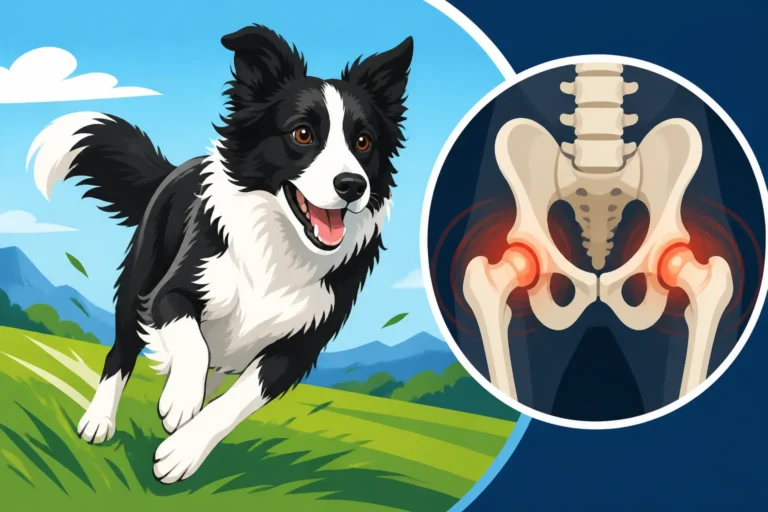
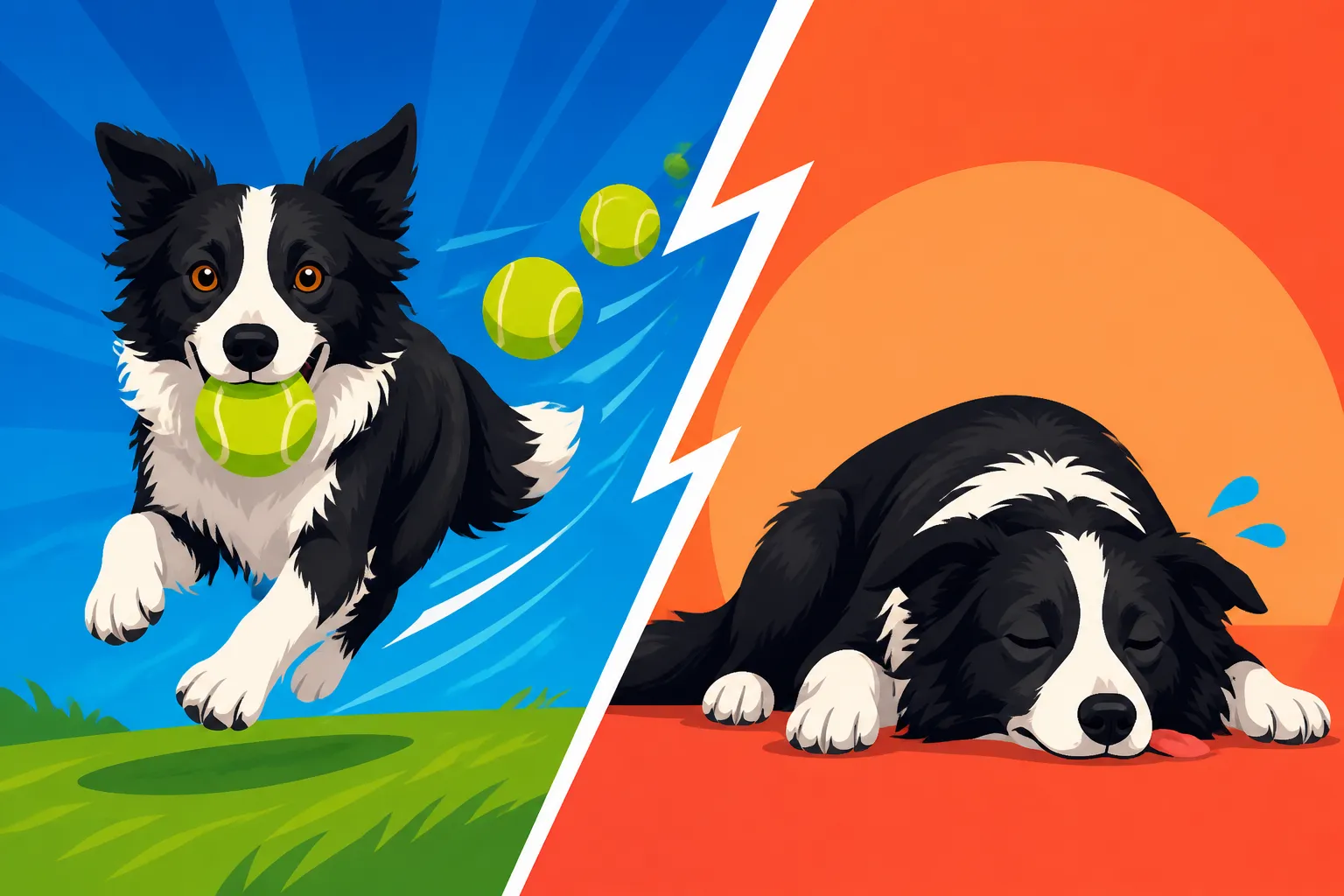
It's incredibly disheartening, watching your brilliant, driven Border Collie pour their heart and soul into a game of fetch, only for their legs to suddenly give out. One minute they're tearing across the field, eyes locked on the ball, the next they're stumbling, wobbling, and perhaps even collapsing right there in front of you. This terrifying scenario, often linked to intense, repeated ball retrieving, is a hallmark of Border Collie Collapse (BCC), a condition that leaves many owners confused and distressed. This guide aims to shed light on why your energetic companion might be experiencing this and how to manage it.
Understanding Border Collie Collapse in Detail
When your Border Collie experiences a sudden episode of weakness or collapse during exercise, it's natural to immediately jump to conclusions like exhaustion or heatstroke. However, with Border Collie Collapse, we're talking about something entirely different – a specific, often inherited, neurological condition that manifests in a very particular way. It's not just about being "tired"; it's a systemic reaction to intense, high-arousal activity that affects how their muscles and nervous system communicate.
What is Border Collie Collapse?
Border Collie Collapse, often abbreviated as BCC, is a fascinating and concerning exercise-induced collapse syndrome primarily affecting Border Collies. Unlike a simple case of overexertion where a dog just lies down and recovers quickly, BCC is a genetic neuromuscular disorder that causes a temporary loss of muscle control and coordination. It typically occurs after 5 to 15 minutes of strenuous, repetitive exercise, especially activities that involve high levels of excitement and adrenaline, such as intense retrieving games or herding work. The crucial difference here is that the dog often remains mentally alert and aware, even as their body is failing them. This can be particularly distressing for both dog and owner. Understanding Border Collie Collapse and What Sets It Off is the first step toward effective management.
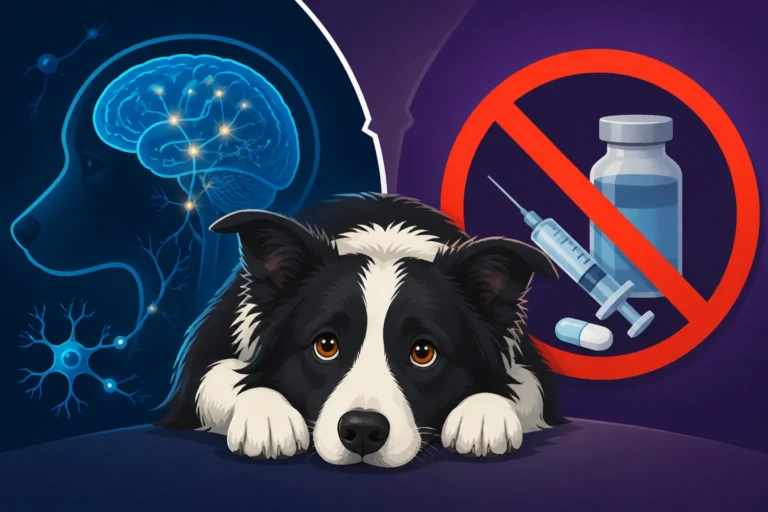
This condition is not linked to low blood sugar, overheating in the way typical heatstroke is, or heart problems. Instead, it's believed to involve a disruption in the communication pathways between the brain and muscles during prolonged periods of high-intensity, high-arousal exercise. Think of it like a temporary short-circuit. The specific genetic mutation associated with BCC in Border Collies affects the DNM1 gene, which plays a role in nerve function. This means that while management strategies are vital, the underlying predisposition is inherent. It’s a frustrating reality for owners whose dogs are otherwise peak athletes.
The Distinct Symptoms of BCC
The symptoms of BCC are quite specific and often unfold in a predictable pattern, allowing owners to differentiate it from other issues. Typically, an affected Border Collie will start to show signs of weakness in their hind limbs first. You might notice a subtle change in their gait, a slight staggering or wobbling, which then progresses. This is often described as The Wobbling Gait a Collapsing Border Collie Shows. The dog's rear end might start to sway, they might drag their feet, and their coordination visibly declines. This can escalate to a point where they can no longer stand and collapse.
What’s crucial to observe is that even as their body is collapsing, their mind usually remains sharp. Their eyes are bright, they recognize you, and they might even try to respond to commands, though their body simply won't cooperate. This mental alertness is a key differentiator from seizures, where dogs often lose consciousness or are disoriented. The collapse itself is usually brief, and dogs typically start to recover within 5 to 30 minutes of being rested, though some can take longer. Recovery involves a gradual return of coordination, often starting with the front legs and then the back. Learning to recognize What a Border Collie Collapse Episode Looks Like is paramount for quick intervention.
| Feature | Border Collie Collapse (BCC) | Heatstroke | Seizure |
|---|---|---|---|
| Onset | During/after intense exercise (5-15 min) | During/after high temperature exposure | Can occur at rest or activity, often sudden |
| Consciousness | Mentally alert, aware | Disoriented, dazed, unconscious | Loss of consciousness, disoriented post-event |
| Primary Symptoms | Wobbling gait, hindlimb weakness, collapse, muscle stiffness | Excessive panting, drooling, red gums, vomiting, diarrhea, collapse, organ damage | Convulsions, paddling limbs, foaming at mouth, loss of bladder/bowel control |
| Body Temperature | Usually normal or slightly elevated | Dangerously high (104°F/40°C+) | Can elevate during seizure, but not primary cause |
| Recovery Time | 5-30 minutes, gradual | Can be prolonged, often requires vet intervention | Minutes, followed by post-ictal confusion/drowsiness |
| Treatment Urgency | Rest, cool down; vet if prolonged | Emergency Vet Care Immediately | Monitor, ensure safety; vet for clusters or first-time |
Why Repeated Ball Retrieving is a Prime Trigger
For a Border Collie, there are few things more exhilarating than a game of fetch. It taps directly into their prey drive, their need for a job, and their incredible athleticism. However, it's precisely this combination of high intensity, repetition, and immense mental arousal that makes repeated ball retrieving a significant risk factor for dogs prone to Border Collie Collapse. It’s not just about the physical exertion, but the unique way it engages their minds.
The Nature of Repetitive, High-Intensity Exercise
Think about the physiology of a Border Collie during an intense fetch session. They're not just running; they're sprinting, stopping on a dime, turning sharply, leaping, and then doing it all again, and again, and again. This type of activity involves short bursts of maximal effort followed by brief periods of rest, which then immediately cycle into another burst. It's a relentless demand on their fast-twitch muscle fibers and their anaerobic energy systems. While these dogs are bred for stamina and power, this specific pattern of exertion, coupled with the underlying genetic predisposition, seems to overwhelm the neurological pathways that regulate muscle function in affected dogs. This is a common reason Why a Border Collie Collapses Five Minutes In during a strenuous activity.
Moreover, the repetitive nature of ball retrieving is a key component. Unlike herding, which, while demanding, often involves more varied movements and strategic thinking, fetching can become a monotonous loop of chase-retrieve-return. This constant, identical sequence of muscle contractions and neurological signals, especially without adequate breaks or variation, appears to be particularly taxing for dogs with BCC. It's almost as if the system gets overloaded and simply can't keep up, leading to the temporary breakdown in communication between the brain and the working muscles. It’s a difficult situation because these dogs absolutely adore this kind of activity, which means they'll push themselves further than is safe.
The Role of Excitement and Arousal
Beyond the purely physical aspect, the mental and emotional component of ball retrieving plays a huge role in triggering BCC. Border Collies are renowned for their intense focus and high arousal levels, especially when engaged in a "job" they love. For many, that job is retrieving a ball. The anticipation, the chase, the triumph of bringing it back—it all floods their system with adrenaline and other neurotransmitters. This heightened state of excitement is a significant contributor to Excitement as a Trigger for Border Collie Collapse. When a dog is highly aroused, their physiological responses are amplified; their heart rate is up, their breathing is fast, and their muscles are primed for action.
This constant state of high alert, coupled with the physical demands of repeated fetching, seems to create a perfect storm for BCC. It's not just about the body; it's about the intense mental engagement and the emotional investment in the task. When a Border Collie "locks on" to the ball, their focus is absolute, making them less likely to self-regulate or show early signs of fatigue. They are driven to continue, even when their body is signaling distress. This unwavering drive, while a hallmark of the breed's working prowess, becomes a vulnerability when it comes to BCC, as it encourages them to push past the point of neurological failure.
Managing and Preventing BCC During Play
Discovering your Border Collie has Border Collie Collapse can feel like a devastating blow, especially when their favorite activity is the very thing that triggers it. However, a diagnosis of BCC doesn't mean the end of all fun and exercise. It simply means you need to become a much more conscious and proactive manager of their physical and mental stimulation. The goal is to provide a rich, fulfilling life without pushing them into collapse.
Modifying Play Sessions to Reduce Risk
The cornerstone of managing BCC is to drastically change how your Border Collie exercises, particularly avoiding the types of activities that lead to collapse. For many, this means rethinking fetch. Instead of continuous, high-speed retrieving, break up play sessions into much shorter bursts. Aim for 5-minute intervals of light fetching, followed by 15-20 minutes of calm rest, perhaps even lying down in the shade with a drink of water. This gives their system a chance to reset. Consider using multiple balls to reduce the intensity of the "race" back to you, or even throwing the ball shorter distances.
Varying activities is also crucial. Instead of just fetching, incorporate more mentally stimulating but less physically intense games. Scent work, where they use their noses to find hidden treats or toys, can be incredibly tiring for a Border Collie without triggering BCC. Learning new tricks, practicing obedience commands, or even doing "find it" games where they have to search for a hidden toy can satisfy their drive without the repetitive physical strain. Structured walks on varied terrain can also be beneficial, allowing for exploration without the high-arousal rush. If you're concerned about unexpected vet visits due to conditions like BCC, exploring options from reputable pet insurance providers like Healthy Paws can offer peace of mind, covering accidents and illnesses. Remember, the key is quality over quantity, and mental engagement over relentless physical exertion. Being proactive with Stopping a Border Collie Before an Episode Starts is your best defense.
Recognizing Early Warning Signs and Intervention
Becoming an astute observer of your dog's behavior during exercise is vital. Many Border Collies with BCC will show subtle signs before a full-blown collapse. These can include a slight hesitation, a decrease in their usual intensity, a change in tail carriage (perhaps flagging lower than usual), or a slight loss of their characteristic "flow" in movement. They might seem a little less enthusiastic on the retrieve or take a slightly wider turn. These are your cues to intervene immediately. Don't wait for the dramatic wobble or collapse.
At the first hint of these signs, stop the activity completely. Lead your dog to a quiet, cool spot if possible, and encourage them to lie down. Offer them water, but don't force it. The most important thing is immediate rest and calm. Avoid any further excitement or activity. Most dogs will begin to recover within minutes. If they don't, or if symptoms seem unusual or prolonged, then a veterinary check-up is in order, just to rule out anything else. While BCC usually resolves with rest, knowing How Long a Border Collie Takes to Come Right Again can vary, and being prepared for all possibilities is always best.
Genetic Testing and Breeder Responsibility
For prospective Border Collie owners, or those with an affected dog considering breeding (which is generally not recommended for affected individuals), understanding the genetic basis of BCC is paramount. Research has identified a strong genetic link to the DNM1 gene, meaning it's an inherited condition. Thankfully, genetic testing is available to identify dogs that are carriers or are affected by the mutation. This is a game-changer for responsible breeding.
Reputable breeders should be transparent about their dogs' health testing, including screening for BCC and other common Border Collie ailments. When looking for a puppy, always ask breeders if they have had their breeding stock tested for BCC. This simple step can significantly reduce the likelihood of acquiring a puppy that will later develop the condition. For existing owners, if you suspect your dog has BCC, discuss genetic testing with your veterinarian. This confirmation can provide clarity and guide your management strategies. It's a critical part of making Breeding Decisions Around Border Collie Collapse and ensuring the health of future generations.
Living with a Border Collie Affected by BCC
Receiving a BCC diagnosis for your beloved Border Collie can bring a wave of emotions – sadness, frustration, and perhaps a touch of guilt for not knowing sooner. However, it's not a life sentence of inactivity. With thoughtful adjustments and a deep understanding of the condition, Border Collies with BCC can still lead happy, fulfilling, and active lives. It simply requires a shift in perspective and routine.
Adapting Exercise Routines for an Affected Dog
The biggest change, as we've discussed, lies in transforming their exercise regimen. The key is to provide stimulation that meets their physical and mental needs without triggering collapse episodes. This means moving away from long, uninterrupted sessions of high-intensity, high-arousal activities like competitive agility or prolonged fetching. Instead, embrace a varied approach. Incorporate more low-impact, brain-intensive work such as advanced obedience, trick training, or engaging in scent detection games like K9 Nose Work. These activities tap into their incredible intelligence and drive without overtaxing their specific neurological pathways.
Structured walks with opportunities for sniffing and exploration are excellent. If your dog enjoys swimming and it's a safe activity for them, it can be a fantastic full-body workout that's generally much lower in impact and arousal than running. Think about short, controlled bursts of activity interspersed with plenty of rest. For example, a 5-minute session of controlled retrieves, followed by 15-20 minutes of quiet time on a mat, and then perhaps a short walk or some puzzle-toy play. The goal is to keep them fit and engaged, but to manage the intensity and duration of specific types of exertion. Many owners successfully manage to keep Keeping a Border Collie With BCC in Work or engaged in sports with careful planning and monitoring.
Emergency Response and Veterinary Care
While BCC episodes are usually self-limiting and resolve with rest, knowing what to do in the immediate aftermath of a collapse is crucial for your dog's comfort and your peace of mind. If your Border Collie collapses, your first priority is to ensure their safety. Gently move them to a cool, shaded area. Avoid any further stimulation or excitement. Speak to them in calm, reassuring tones. Offer them water, but don't force them to drink if they're unable or unwilling. Most dogs will begin to show signs of recovery within 5 to 30 minutes, gradually regaining their coordination.
It's important to keep a close eye on their breathing and overall demeanor during recovery. While BCC is not typically fatal, it's always wise to contact your veterinarian if the collapse is prolonged, if your dog doesn't seem to recover fully, or if they exhibit any unusual symptoms like loss of consciousness or severe disorientation, as these might indicate a different underlying issue. Having a vet who is familiar with Border Collie Collapse can be incredibly helpful for ongoing management and advice. For any sudden health issues, even those that seem to resolve quickly like BCC, having pet insurance like Healthy Paws can be invaluable for covering diagnostics or unexpected follow-up care, ensuring you can always make decisions based on your dog's needs, not your wallet. Remember, it's easy to mistake BCC for other, more serious conditions, so knowing Telling Border Collie Collapse From a Seizure or heatstroke is critical for appropriate first aid.
Disclaimer
This article is intended for informational purposes only and is not a substitute for professional veterinary advice, diagnosis, or treatment. Always seek the advice of your veterinarian or other qualified health provider with any questions you may have regarding a medical condition.