Tick Cover for a Border Collie Working in Cover
There’s nothing quite like watching a Border Collie at work, whether they're effortlessly gliding across a sheep pasture, tearing through an agility course, or hiking deep into the woods with their person. But with all that joy and boundless energy comes a real worry: ticks. These tiny arachnids aren't just a nuisance; they carry diseases that can seriously jeopardize your dog's health and even cut short their active life. This guide is here to walk you through everything you need to know about protecting your incredible Border Collie from ticks, helping you choose the best preventative measures, how to check thoroughly, and what to do if you find one.
Understanding the Threat: Ticks and Your Working Border Collie
Our Border Collies are often out there, truly living their best lives, which often means they’re plunging headfirst into environments where ticks thrive. It's not just a city park concern; it's a constant consideration for any Border Collie owner, especially those with dogs bred to work and spend significant time outdoors.
Where Ticks Lie in Wait for Your Active Dog
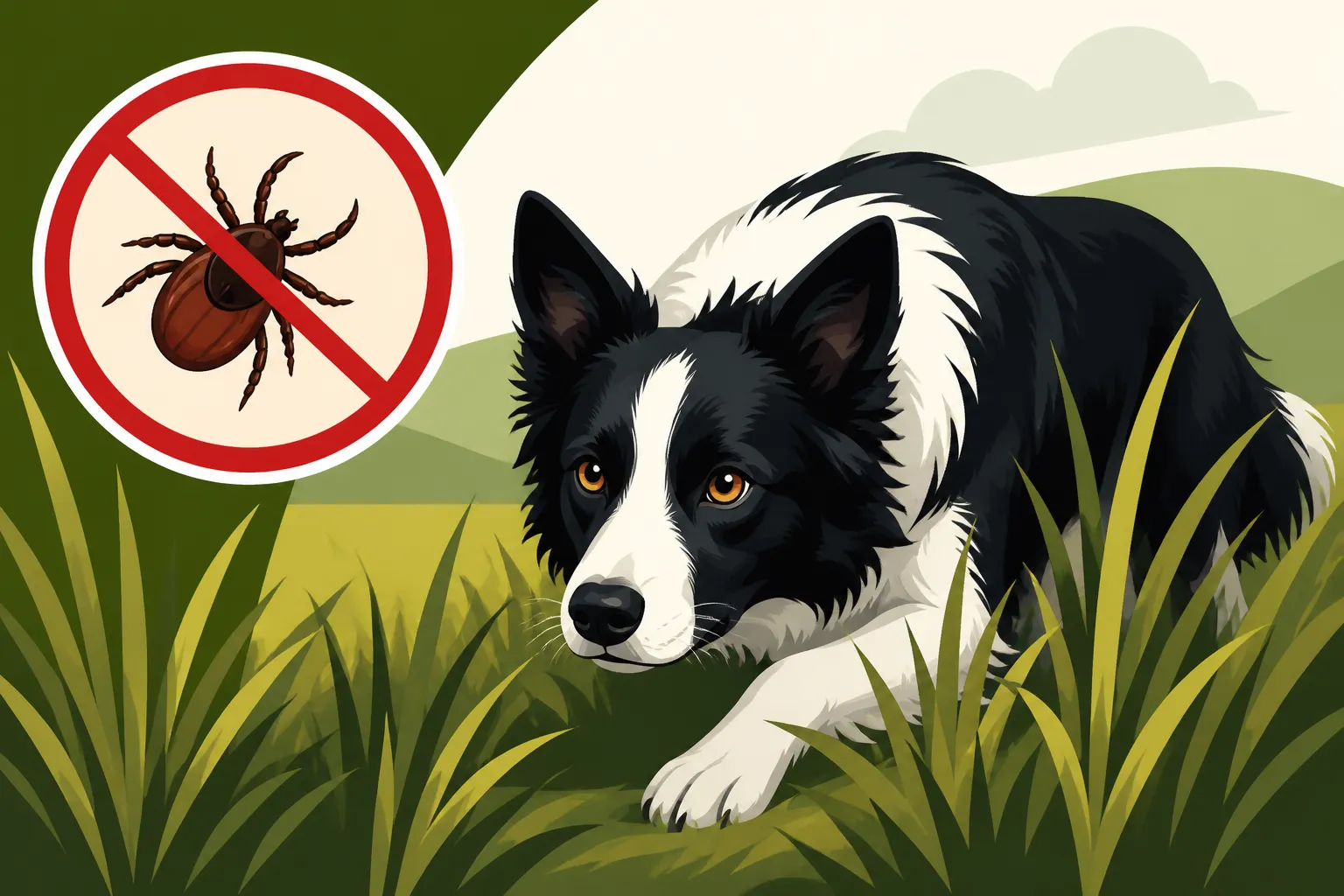
When your Border Collie is working stock, exploring hiking trails, or even just sniffing around the edges of your yard, they're entering prime tick territory. Ticks aren't just falling from trees; they're masters of ambush, typically found in tall grasses, dense brush, wooded areas, and even leaf litter. They wait patiently on vegetation, often just a few inches off the ground, with their front legs extended, ready to grab onto any unsuspecting host that brushes by. This behavior is called "questing."
Consider the common culprits:
- Black-legged Tick (Deer Tick): Infamous for transmitting Lyme disease, these tiny ticks are prevalent in wooded areas, tall grasses, and often carry significant risk in the Northeast and upper Midwest of the United States. They're also known to transmit Anaplasmosis and Powassan virus.
- American Dog Tick: A larger tick, often found in grassy, brushy, and wooded areas, particularly along roadsides and trails. These can transmit Rocky Mountain Spotted Fever and Tularemia. They're widespread across the eastern U.S. and parts of the Pacific Northwest.
- Lone Star Tick: Easily identifiable by the white spot on the female's back, this aggressive tick is found predominantly in the Southeastern and Eastern U.S. It transmits Ehrlichiosis, Tularemia, and STARI (Southern Tick-Associated Rash Illness).
- Brown Dog Tick: Unique among ticks, this species can complete its entire life cycle indoors. While less common in wild cover, it can infest kennels and homes, transmitting Ehrlichiosis and Rocky Mountain Spotted Fever.
A Border Collie’s natural instinct to herd, chase, and explore means they are constantly brushing against the very places these tiny predators are waiting. Their longer coats, especially rough-coated Border Collies, can also make ticks harder to spot, giving them more time to settle in and attach.
The Dangers Lurking: Diseases Ticks Transmit
It's not just the creepy-crawly factor that makes ticks a concern; it's the cocktail of pathogens they can inject into your dog's bloodstream. The impact of these diseases can range from mild discomfort to severe, chronic conditions that drastically affect your Border Collie's quality of life and even their ability to work.
One of the most well-known is Lyme disease, caused by the bacterium Borrelia burgdorferi, primarily transmitted by the black-legged tick. While some dogs show no symptoms, others can develop a recurring lameness (often called "shifting leg lameness"), fever, lethargy, and swollen lymph nodes. In severe cases, it can lead to kidney failure, though this is less common. Imagine your agile Border Collie, usually running all day, suddenly showing signs of stiffness or reluctance to move. It’s heart-wrenching, and it could be Lyme.
Anaplasmosis, another common tick-borne illness, also transmitted by the black-legged tick, can manifest as lameness, joint pain, fever, lethargy, and a loss of appetite. These symptoms often mimic other conditions, making diagnosis tricky without specific testing. Your normally vibrant dog might seem "off," losing interest in their usual activities, and you might struggle to pinpoint why.
Ehrlichiosis, carried by the Lone Star tick and the brown dog tick, can cause acute symptoms like fever, lethargy, weight loss, and abnormal bleeding (nosebleeds, bruising). If left untreated, it can become a chronic condition, leading to bone marrow suppression and long-term health issues. For a working Border Collie, a disease that affects their stamina and blood clotting can be debilitating.
Rocky Mountain Spotted Fever (RMSF), primarily transmitted by the American Dog Tick, is a serious and potentially fatal disease. Symptoms can include fever, lethargy, joint pain, neurological signs, and skin lesions. The onset can be sudden and severe, requiring immediate veterinary intervention.
The frustration for owners is real. You dedicate so much to keeping your Border Collie healthy and active, only for a microscopic bite to potentially derail everything. This is why understanding these threats is the first step in effective prevention, and why consistent, reliable tick cover is absolutely essential. Many owners find peace of mind by having a robust pet insurance plan, like one from Healthy Paws, which can help cover the unexpected costs of diagnosing and treating these complex tick-borne illnesses.
Proactive Defense: Choosing the Best Tick Cover for Your Border Collie
Given the significant risks, a multi-pronged approach to tick prevention is often the most effective. There are numerous products available, and what works best for one Border Collie might not be ideal for another, especially considering their activity levels and environment.
Topical Treatments: Spot-Ons and Sprays
Topical "spot-on" treatments are a popular choice for many dog owners. These products are typically applied to a small area of the dog's skin, usually between the shoulder blades, and the active ingredients spread across the skin's surface and into the oil glands. They work by either repelling ticks or killing them upon contact with the treated skin.
Common active ingredients include:
- Fipronil: Found in products like Frontline Plus, it disrupts the tick's central nervous system. It’s effective against ticks and fleas for about a month.
- Permethrin: This insecticide is a potent tick killer and repellent, often found in K9 Advantix II. A crucial word of caution: Permethrin is highly toxic to cats. If you have cats in your household, discuss this with your vet to ensure the safety of all pets.
- Dinotefuran: Often combined with other insecticides (e.g., in Vectra 3D), it works by disrupting nerve function in ticks.
Application and Effectiveness: Spot-ons are generally easy to apply, but it's vital to follow the instructions precisely. Apply directly to the skin, not the fur, and ensure your dog doesn't get wet or bathed for a specified period after application (usually 24-48 hours) to allow the treatment to spread and be absorbed properly. Their effectiveness typically lasts for about a month, meaning consistent monthly application is key.
Pros:
- Convenient for many owners.
- Some formulations offer broad-spectrum protection against fleas, mosquitoes, and other pests.
- Ticks don't need to bite to die, as some products work via contact.
Cons:
- Can be less effective if applied incorrectly or if the dog swims frequently.
- Requires remembering monthly application.
- Some dogs may experience skin irritation at the application site.
- Potential for transfer to other pets or children if not fully dry (especially permethrin products).
Oral Medications: Chewables for Comprehensive Protection
Oral tick preventatives have become increasingly popular, particularly for active dogs like Border Collies. These medications are chewable tablets that are given monthly or every three months, depending on the specific product. Once ingested, the active ingredient is absorbed into the dog's bloodstream. When a tick bites the treated dog, it ingests the medication and dies.
Key active ingredients in this class, often called isoxazolines, include:
- Afoxolaner (NexGard): A monthly chew that kills fleas and ticks for up to 30 days.
- Fluralaner (Bravecto): A chew that provides protection against fleas and ticks for up to 12 weeks (3 months). This extended duration can be a huge benefit for busy owners of working dogs.
- Sarolaner (Simparica): Another monthly chew for fleas and ticks.
- Lotilaner (Credelio): A monthly oral tick and flea medication.
Benefits for Working Border Collies:
- Water-resistant: Since the medication is systemic, swimming or bathing doesn't diminish its effectiveness, which is fantastic for Border Collies who might love water work or get muddy in the field.
- Long-lasting: Options like Bravecto's 3-month protection reduce the frequency of administration, a boon for those who find monthly applications hard to remember.
- No residue: No concerns about residue on the dog's coat that could transfer to furniture, children, or other pets.
- Kills when they bite: While ticks do need to bite, these medications typically kill the tick quickly, often before disease transmission can occur.
Considerations:
- Ticks must bite to be exposed to the medication, though it’s usually a short window.
- Some dogs may experience mild gastrointestinal upset.
- These are prescription medications, requiring a vet visit and approval, which is always a good idea for discussing your specific dog’s needs, especially their overall health. Getting regular check-ups, including "The Annual Exam a Border Collie Needs", ensures your vet knows your dog's health history before prescribing.
Collars and Natural Repellents: Assessing Their Efficacy
Tick collars have evolved significantly over the years. Modern collars, like the Seresto collar, utilize active ingredients (flumethrin and imidacloprid) embedded in the collar's matrix. These ingredients are slowly released over time and spread through the dog's skin oils, providing protection for up to 7-8 months.
Pros of Modern Collars:
- Long-lasting protection without the need for frequent application.
- Water-resistant once the active ingredients have spread.
- Can be a good option for dogs where oral or topical treatments are problematic.
Cons:
- Some dogs may experience skin irritation under the collar.
- Needs to be fitted correctly – not too tight, but snug enough to maintain skin contact.
- Can pose a choking or entanglement hazard if not break-away.
- Some ticks may still be able to crawl onto areas of the body furthest from the collar before succumbing to the active ingredients.
Natural Repellents: Many owners are drawn to natural alternatives, often containing essential oils like citronella, cedarwood, peppermint, or geraniol. While these might offer some mild repellent properties in certain situations, it’s crucial to understand their limitations, especially for a working Border Collie.
Limitations of Natural Repellents:
- Limited Efficacy: Their effectiveness is often short-lived and less potent than pharmaceutical options, especially against the high tick challenge a working dog faces in dense cover.
- Inconsistent Protection: They rarely provide the comprehensive, long-lasting protection needed to genuinely prevent tick-borne diseases.
- Potential Toxicity: "Natural" doesn't always mean safe. Some essential oils can be toxic to dogs if ingested or applied incorrectly, causing skin irritation, liver issues, or neurological symptoms. Always consult your vet before using any natural product.
For a Border Collie regularly in high-risk environments, relying solely on natural repellents is generally not recommended by veterinarians. The potential health consequences of tick-borne diseases are far too serious to gamble on unproven or minimally effective methods.
Here’s a quick overview of common tick prevention methods:
| Method | How It Works | Duration | Application | Common Active Ingredients | Pros | Cons |
|---|---|---|---|---|---|---|
| Topical Spot-On | Spreads over skin/oil glands, repels/kills | Monthly | Liquid applied to skin | Fipronil, Permethrin, Dinotefuran | Convenient, some kill on contact, broad-spectrum | Can be affected by water, residue, potential skin irritation, permethrin toxic to cats |
| Oral Chewable | Absorbed into bloodstream, kills when tick bites | Monthly to 3 Months | Flavored tablet | Afoxolaner, Fluralaner, Sarolaner, Lotilaner | Water-resistant, no residue, long-lasting options | Tick must bite, potential GI upset, prescription needed |
| Tick Collar | Active ingredients spread via skin oils | Up to 7-8 Months | Collar worn around neck | Flumethrin, Imidacloprid (e.g., Seresto) | Long-lasting, continuous protection, easy to apply once | Potential skin irritation, choking/entanglement risk, less effective in areas far from collar |
| Natural Repellents | Mild repellent scent (e.g., essential oils) | Very short-lived | Spray, shampoo | Citronella, Cedarwood, Peppermint, Geraniol | Non-chemical option (if truly safe) | Often ineffective for high challenge, short-lived, potential toxicity, not vet-recommended alone |
Always consult your veterinarian to determine the best tick prevention strategy for your individual Border Collie, taking into account their lifestyle, health history, and local tick prevalence.
Beyond Prevention: Inspection, Removal, and Post-Bite Care
Even with the most robust tick prevention in place, no method is 100% foolproof. Ticks are tenacious, and your Border Collie's adventurous spirit means they might still pick up a hitchhiker. This is why a diligent routine of inspection and knowing how to safely remove ticks is paramount.
The Daily Tick Check: A Non-Negotiable Routine
For a Border Collie that spends time in cover, a thorough tick check isn't just a suggestion; it's a critical part of their daily care routine. This should happen after every outing, especially if they’ve been in tall grass, woods, or brush. Think of it as part of their wind-down after a good day's "work," whether that's herding sheep, running an agility course, or simply a vigorous walk.
Here’s how to perform a comprehensive check:
- Start at the Head: Carefully examine your dog's face, around their eyes, and especially inside and around their ears. Ticks love warm, dark spots.
- Neck and Chest: Pay close attention to under the collar and around the neck where ticks can easily hide. Feel along the chest, armpits, and front legs.
- Back and Sides: Systematically run your hands over their entire body, parting the fur to get a good look at the skin. Feel for any small bumps or irregularities. Remember, ticks can be tiny, sometimes no bigger than a poppy seed. For a rough-coated Border Collie, this means really getting your fingers down to the skin.
- Belly and Groin: Ticks frequently attach in the soft skin of the belly and groin area. These are prime feeding spots.
- Legs and Paws: Check all four legs thoroughly, including between the toes and on the paw pads. Ticks can easily burrow into these spots. This is also important for general paw health, helping you spot things like "Grass Seeds in a Border Collie's Feet" or other injuries to their "Feet, Pads and Legs on a Working Border Collie."
- Tail and Hind End: Don't forget to check under their tail and around their hindquarters.
The key is to be systematic and thorough. Take your time. It might feel tedious at first, but it quickly becomes a habit. For an active Border Collie, this tactile inspection can also be a wonderful bonding moment, doubling as a gentle massage.
Safe Tick Removal Techniques
Finding an attached tick can be unsettling, but don't panic. The goal is to remove the tick swiftly and completely, minimizing the risk of disease transmission. The longer a tick is attached, the higher the risk of pathogen transfer.
You will need:
- Fine-tipped tweezers or a specialized tick removal tool (available at most pet stores or vet clinics).
- Gloves (optional, but recommended).
- Antiseptic wipe or rubbing alcohol.
- A small container with rubbing alcohol to dispose of the tick.
Step-by-step removal:
- Prepare: Put on gloves if you have them. Gently part your Border Collie's fur around the tick to expose the skin.
- Grasp: Using your fine-tipped tweezers, grasp the tick as close to the skin's surface as possible. Avoid grabbing the tick's body, which can squeeze infectious fluids into your dog. Aim for the head/mouthparts.
- Pull: Pull upward with steady, even pressure. Do not twist or jerk the tick, as this can cause the mouthparts to break off and remain embedded in the skin. If parts do remain, don't try to dig them out; your dog's body will usually expel them naturally, but keep an eye on the site for infection.
- Dispose: Once removed, immediately place the tick in the small container with rubbing alcohol. This will kill it. You might want to save the tick in a sealed bag or jar for a few days, especially if your dog develops symptoms, as your vet might want to identify the species.
- Clean: Clean the bite site on your dog with an antiseptic wipe or rubbing alcohol. Wash your hands thoroughly.
What NOT to do: Avoid old wives' tales like burning the tick with a match, smothering it with petroleum jelly, or painting it with nail polish. These methods are ineffective and can irritate the tick, causing it to regurgitate potentially infectious fluids into your dog.
When to Worry: Monitoring for Symptoms and Seeking Vet Care
After removing a tick, continue to monitor the bite site and your Border Collie's overall health for several weeks.
At the bite site:
- A small bump, redness, or scab is normal and should resolve within a few days.
- Watch for signs of infection: increased redness, swelling, pus, or if the area becomes painful to the touch.
Overall health:
- Behavioral changes: Is your Border Collie suddenly lethargic, less enthusiastic about play or work? Are they refusing food or treats?
- Physical symptoms: Fever, limping, joint pain, swollen lymph nodes, difficulty breathing, or any unusual bleeding (e.g., nosebleeds, pinpoint red spots on gums) are all red flags.
- Lameness: Intermittent or shifting lameness can be a hallmark sign of Lyme disease.
If you observe any of these symptoms, especially within a few weeks of a tick bite, contact your veterinarian immediately. Be sure to mention the tick bite and, if you saved it, bring the tick for identification. Early diagnosis and treatment of tick-borne diseases are crucial for the best outcome.
The costs associated with diagnosing and treating tick-borne illnesses can be substantial, involving blood tests, medication, and follow-up care. This is where pet insurance can be a real lifesaver. Companies like Healthy Paws offer coverage that can significantly ease the financial burden of these unexpected veterinary expenses, allowing you to focus on your Border Collie's recovery without added stress. Keeping your Border Collie healthy means being prepared for all possibilities, from routine preventative care to unexpected illnesses.
Integrating Tick Control into a Working Border Collie's Life
Effective tick control isn't just about applying a product; it's a holistic approach that integrates preventative measures with smart environmental management and close collaboration with your veterinary team. For a Border Collie, whose life is often defined by being outdoors and active, this comprehensive strategy is absolutely vital.
Environmental Management: Reducing Tick Habitats
While you can't control every field or forest your Border Collie works or explores, you can significantly reduce tick exposure in your immediate environment, such as your yard or training areas. Even if your dog primarily works on a farm, maintaining the edges of pastures and common pathways can make a difference.
Consider these strategies:
- Mow Regularly: Keep grass mowed short, especially in areas where your dog frequently runs or rests. Ticks prefer taller vegetation to quest from.
- Clear Brush and Leaf Litter: Ticks thrive in dense undergrowth, brush, and fallen leaves. Regularly clear these areas, especially along fence lines, stone walls, and the edges of wooded areas.
- Create Barriers: Consider placing a 3-foot wide barrier of wood chips or gravel between your lawn and wooded areas. This can deter ticks from migrating into your yard.
- Yard Treatments: In areas of high tick prevalence, you might consider consulting a professional pest control service for yard treatments. Some products can effectively reduce tick populations, but ensure they are safe for pets and applied correctly.
- Designated Paths: If your Border Collie frequently uses specific paths through your property, ensure these are kept clear and maintained.
Remember, every little bit helps. Reducing the number of ticks in the areas your Border Collie frequents reduces the chances of them picking one up, complementing their topical or oral preventatives.
The Partnership with Your Veterinarian
Your veterinarian is your most valuable ally in the fight against ticks and tick-borne diseases. They have the expertise to guide you through the best prevention strategies tailored to your Border Collie's specific needs, your geographical location, and their activity level.
Regular Consultations:
- Local Risk Assessment: Your vet is acutely aware of the tick species and tick-borne diseases prevalent in your specific region and can recommend the most effective preventative products. Tick prevalence can vary dramatically even within a single state.
- Tailored Prevention Plan: Discuss your Border Collie's lifestyle honestly. Do they compete in trials where they're exposed to diverse environments? Are they primarily a farm dog, or a hiking companion? This information helps your vet recommend the ideal combination of oral, topical, or collar-based preventatives.
- Vaccinations: In areas where Lyme disease is common, your vet may recommend the Lyme vaccine for your Border Collie. While not 100% effective, it can significantly reduce the risk and severity of the disease. This is a conversation you should have during your "Yearly Bloodwork for a Border Collie" appointment.
- Health Screenings: Your vet can perform annual screenings for tick-borne diseases, especially if your dog is frequently exposed. Early detection often leads to more successful treatment.
Don't hesitate to ask questions. If you're concerned about potential drug interactions with other medications your Border Collie might be taking, or if you're exploring options for "Which Drugs an MDR1 Border Collie Cannot Have," your vet is the one to consult. They can also discuss the financial implications of long-term tick-borne illness treatment and how pet insurance, such as Healthy Paws, could offer a vital safety net. Understanding "The Cost of Border Collie Genetic Testing" and ongoing health expenses is part of responsible ownership, and preventative care is often the most cost-effective approach in the long run.
Year-Round Vigilance: Ticks Aren't Just a Summer Problem
A common misconception is that ticks are only a threat during the warmer summer months. While tick activity often peaks in spring and summer, many species can be active whenever temperatures are above freezing, sometimes even in the low 40s Fahrenheit. For a Border Collie that is out in all seasons, whether gathering sheep in late autumn or enjoying a brisk winter hike, year-round protection is absolutely essential.
- Winter Activity: Black-legged ticks, in particular, are known to be active even in winter, especially on warmer days or when snow cover is minimal.
- Unpredictable Weather: Climate change has led to milder winters in many regions, extending the tick season and increasing the overall risk.
Never assume that a cold snap means your Border Collie is safe. Maintaining a consistent tick prevention regimen every month, regardless of the calendar or current weather, is the best way to ensure continuous protection. This vigilance is a testament to your commitment to your Border Collie's long and healthy life, keeping them sound and active for as long as possible.
Disclaimer
The information provided in this article is for general informational purposes only and does not constitute veterinary advice. Always consult with a qualified veterinarian for any health concerns or before making any decisions about your Border Collie's medical care, diet, or treatment. Individual results may vary, and product efficacy can differ based on various factors.