The First Minute of a Border Collie Seizure
Seeing your beloved Border Collie suddenly collapse, shake uncontrollably, or stare blankly into space can be one of the most terrifying experiences for any dog owner. That frantic first minute, when you're grappling with shock and fear, often feels like an eternity. This guide aims to demystify what happens during the initial moments of a Border Collie seizure, helping you understand what to look for and, most importantly, how to react calmly and effectively to keep your loyal companion safe.
The Alarming Onset: Recognizing the First Signs
The very beginning of a seizure, often called the pre-ictal phase, might be subtle, or it might hit you out of nowhere. Many Border Collie owners, especially those who spend a lot of time with their dogs, often report seeing a change in behavior just moments before a full-blown seizure takes hold. It’s like a silent alarm bell that only you and your dog can hear.
Subtle Changes Before the Storm
Before the violent shaking or unresponsiveness begins, your Border Collie might exhibit unusual behaviors. They might seem disoriented, restless, or anxious. Some dogs will seek out their owner, becoming unusually clingy, while others might hide or try to get away. You might notice excessive licking, drooling, or lip-smacking, almost as if they're nauseous or trying to clear something from their mouth. Their eyes might dart around, or they might stare intently at nothing in particular. This period can last from a few seconds to a few minutes. Knowing what to watch for can give you a tiny head start. For a deeper dive into what happens during an episode, you might want to read about What a Border Collie Seizure Looks Like.
The Ictal Phase Kicks In: What Happens Next
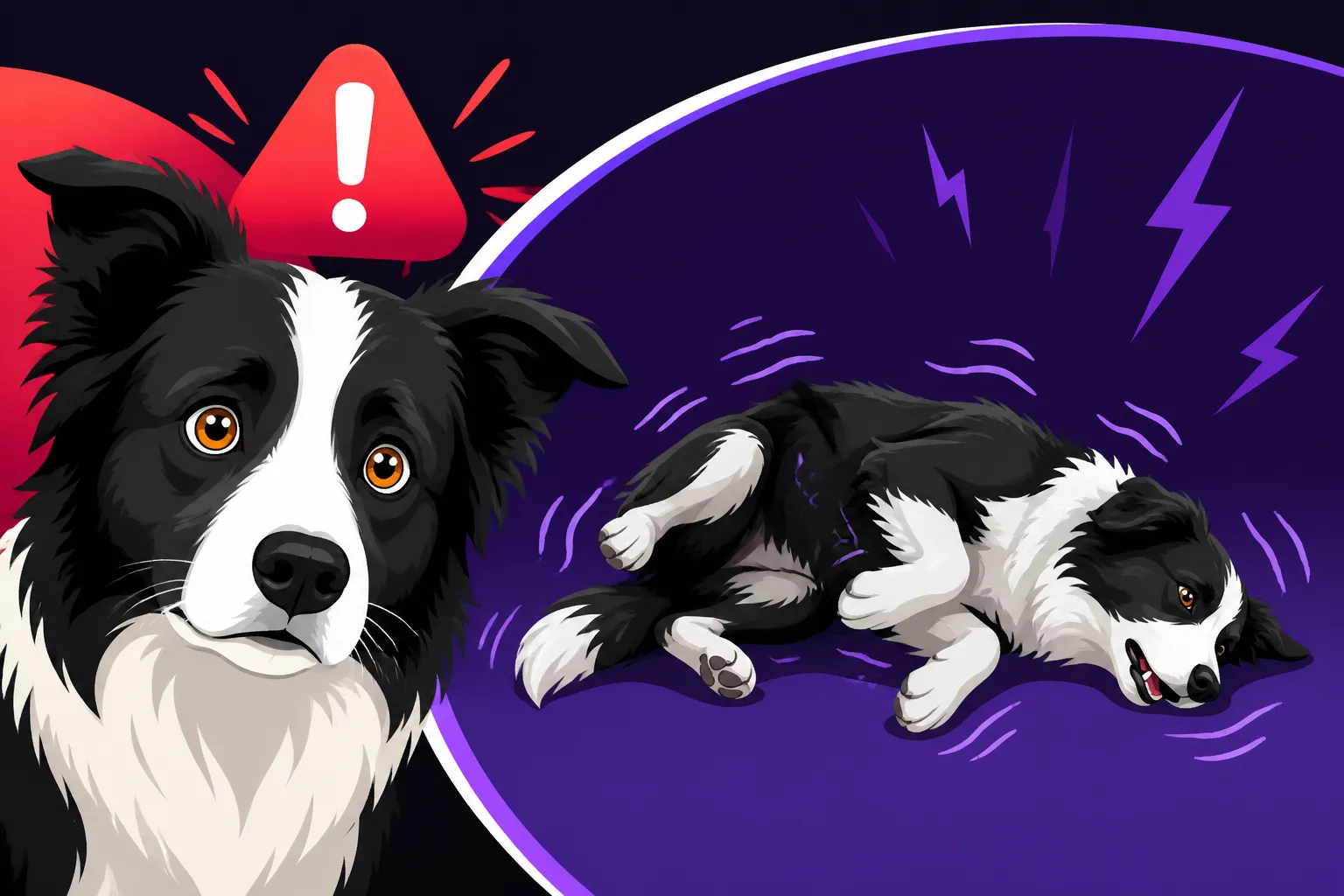
Once the actual seizure, or ictal phase, starts, it's often unmistakable. For many Border Collies, this begins with a sudden loss of consciousness. They might stumble, fall to the side, or collapse. Their body can become rigid, followed quickly by rhythmic, uncontrolled movements. We're talking about paddling motions with the legs, intense jaw chomping, and sometimes a stiff, outstretched neck. During this initial minute, it's common for dogs to lose bladder and bowel control, which can be upsetting but is a normal part of the process. Vocalization, like a soft moan or a yelp, can also occur. It’s a truly frightening thing to witness, but remember, your dog isn't aware of what's happening.
Immediate Actions to Ensure Safety During the First Minute
Your first instinct might be to rush to your dog, hug them, or try to hold them still. As painful as it is to watch, this is precisely what you shouldn't do. During a seizure, a dog has no control over its body and can inadvertently bite or injure you. Your priority is to create a safe environment for your Border Collie and to gather crucial information.
Creating a Safe Space
As soon as you recognize the onset of a seizure in your Border Collie, your immediate concern should be their physical safety. Look around the immediate area. Are there any sharp objects they could hit? Furniture edges? Stairs they could fall down? Gently, and without putting your hands near their mouth, try to move any obstacles away from them. If they are in a dangerous location, like at the top of stairs or near a road, the safest way to move them is by carefully sliding a blanket or mat underneath them and dragging them a short distance to a safer spot. Remember, minimal contact is key to prevent accidental injury to yourself.
Time Is of the Essence: Start the Timer
One of the most vital pieces of information your vet will need is the duration of the seizure. As soon as you notice your Border Collie having an episode, grab your phone or a stopwatch and start timing. That first minute feels like an eternity, but it's crucial to accurately track it. A seizure that lasts longer than five minutes, or multiple seizures without full recovery in between, constitutes a medical emergency. Knowing the exact duration will help your vet determine the severity and urgency of the situation. This information, along with details about What to Record About a Border Collie's Seizures, will be invaluable for their diagnosis and treatment plan.
What NOT to Do
In your panic, avoid trying to put your hands in your dog's mouth, even if you think they are going to swallow their tongue. Dogs do not swallow their tongues during seizures, and attempting to intervene this way could result in a severe bite. Similarly, don't try to force medication into their mouth or splash water on them. These actions won't stop the seizure and could cause further distress or injury. Just focus on safety and observation.
Understanding the Seizure's Progression in Minute One
While every seizure is unique, and can vary greatly in intensity and presentation, there are some common patterns you might observe even within that initial minute. Generalized seizures, often referred to as grand mal seizures, are the most recognizable type, but there are also focal seizures that might present differently.
Generalized Seizures: The Classic Presentation
In a classic generalized seizure, your Border Collie's entire body will be affected. Within that first minute, you'll likely see the full range of symptoms: muscle stiffening, rhythmic jerking of all four limbs, head shaking, and often jaw champing. It's an overwhelming display of uncontrolled neurological activity. Their eyes might roll back, or they might appear fixed and vacant. The sounds they make can also be distressing, from guttural growls to high-pitched yelps. Although terrifying, these are all automatic responses and not signs of pain or conscious distress. The seizure is a temporary electrical storm in their brain.
Focal Seizures: A More Subtle Beginning
Not all seizures manifest with dramatic full-body convulsions. Some Border Collies might experience focal seizures, sometimes called partial seizures, where the abnormal electrical activity is localized to a specific part of the brain. In the first minute, this might look very different. You could see twitching in just one limb, facial muscle spasms (like rapid blinking or lip-smacking), or involuntary head movements. They might seem dazed or confused, possibly "fly-biting" at imaginary insects or simply staring into space. They may not lose consciousness fully or collapse. These can be harder to identify as seizures initially, but consistent, repetitive movements are a key indicator. It's important to differentiate these from other neurological events; for instance, understanding Border Collie Collapse and What Sets It Off is crucial, as its symptoms can sometimes be confused with focal seizures, though they are distinct conditions.
The Importance of Observation
No matter the type, observing what happens in that first minute is paramount for your vet. Try to mentally note (or even quickly record a video if safe and practical, keeping a distance) the specific movements, sounds, and duration. Did it start with one limb twitching, or was it a sudden full-body event? What was your dog doing just before it started? All these details will contribute to your vet's ability to diagnose and manage the condition. Keeping track of these episodes, especially their frequency and severity, is crucial when considering options like pet insurance, as many providers like Healthy Paws often have waiting periods for pre-existing conditions.
After the First Minute: What Comes Next
Even if a seizure only lasts a minute or less, the aftermath, known as the post-ictal phase, is just as important to understand and manage. This period can be just as disorienting for your Border Collie, and it's where your calm presence can make all the difference.
Navigating the Post-Ictal Phase
Once the uncontrolled movements stop, your Border Collie won't immediately snap back to their normal self. The post-ictal phase can range from a few minutes to several hours, or even a full day. In the minutes immediately following the seizure, your dog will likely be confused, disoriented, and possibly temporarily blind or deaf. They might stumble around, bump into objects, pace restlessly, or appear exhausted. Some dogs become extremely hungry or thirsty during this time. It's a period of recovery for their brain, and they need quiet, patient support. Don't push them to interact or try to "snap them out of it." Just let them recover at their own pace in a calm, safe environment.
When to Contact Your Vet
Whether it was a minute-long episode or longer, it's always critical to contact your veterinarian after your Border Collie experiences a seizure. Even a single seizure warrants a full veterinary workup to try and determine the underlying cause. If this is the very first time your Border Collie has had a seizure, or if they have Epilepsy in a Border Collie Between One and Five and this seizure was unusually long, severe, or occurred in clusters, immediate veterinary attention is crucial. You should also seek emergency care if the seizure lasts longer than five minutes or if your dog has multiple seizures in a short period without regaining full consciousness between episodes. When you call, be ready to provide all the details you observed during that first minute and the subsequent recovery. Discussing insurance options, such as those offered by Healthy Paws, early in your dog's life can help mitigate the financial burden of potential diagnostic tests and long-term medication for conditions like epilepsy.
Preparing for Future Episodes
Unfortunately, once a Border Collie has had one seizure, there's a possibility they might have more. Your vet will discuss diagnostic testing, which might include blood work, urinalysis, and potentially more advanced imaging like an MRI, to rule out underlying conditions such as organ dysfunction, toxins, or brain tumors. If no specific cause is found, your dog may be diagnosed with idiopathic epilepsy. Learning how to manage and monitor subsequent seizures, including understanding Medicating a Border Collie Without Dulling It, will become an important part of your journey. Having a detailed record of each episode is crucial for tracking patterns and effectiveness of any treatment. This includes noting the time, duration, specific symptoms during the first minute, and recovery time. Many owners find it helpful to create a seizure log. Being prepared, while hoping it never happens again, is the best way to support your beloved Border Collie through this challenging condition.
Seizure Observation Checklist for the First Minute
To help you keep track of what's happening during that critical first minute, here's a quick checklist to guide your observations. You won't be able to note everything, and that's okay, but try to get as much detail as possible.
| Observation Category | What to Look For |
|---|---|
| Onset (Pre-Ictal) | Any changes before collapse? (Restlessness, clinginess, anxiety, drooling, staring, hiding, seeking attention) |
| Collapse Type | Did they fall over stiffly? Gently to one side? Stumble? Remain standing but dazed? |
| Body Involvement | Whole body affected (generalized)? Only one limb, face, or side (focal)? |
| Movement | Stiffening (tonic phase)? Rhythmic jerking/paddling (clonic phase)? Champing jaw? |
| Eyes | Rolled back? Fixed? Rapid blinking? Dilated pupils? |
| Vocalization | Moaning, whimpering, yelping, growling, silent? |
| Consciousness | Unresponsive? Dazed but aware of surroundings? |
| Elimination | Urinated? Defecated? |
| Duration (Crucial!) | Start timing IMMEDIATELY. Note the exact seconds or minutes. |
| Safety Check | Any immediate hazards around them (furniture, stairs, water)? |
Disclaimer
The information provided in this article is for educational purposes only and is not a substitute for professional veterinary advice. If your Border Collie is experiencing a seizure, please contact your veterinarian immediately for guidance and care. Always consult with a qualified veterinary professional for any health concerns or before making any decisions related to your pet's health and treatment.