Grass Seeds in a Border Collie’s Feet
It’s a frustrating scenario many Border Collie owners know all too well: your highly active, intelligent companion comes in from a run, and suddenly, they're limping, licking incessantly at a paw, or just seem… off. The culprit? Often, it’s a tiny, seemingly innocuous grass seed. These miniature botanical darts are a surprisingly common and incredibly painful problem for our dogs, particularly those with dense coats and a penchant for exploring long grass. This guide is dedicated to helping you understand this silent threat, identify when your Border Collie has fallen victim, and navigate the steps to get them comfortable and healthy again.
The Sneaky Threat of Grass Seeds to Your Border Collie
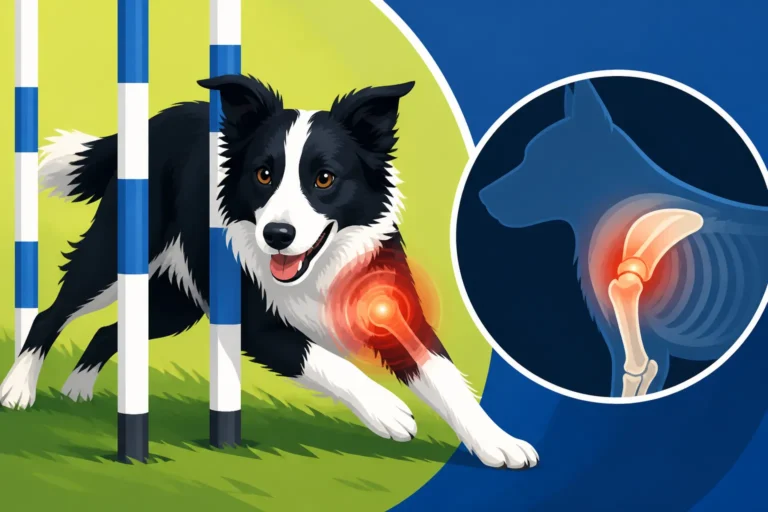
Border Collies are built for action, whether that's herding sheep across vast fields or tearing through the park after a disc. Their athleticism and often dense, double coats, especially around the feet and ears, make them prime targets for grass seeds. These aren't just any seeds; many common grasses produce seeds with a distinctive, arrow-like shape and tiny barbs that allow them to latch onto fur and, once attached, only travel in one direction – deeper into the skin.
What Makes Grass Seeds So Dangerous?
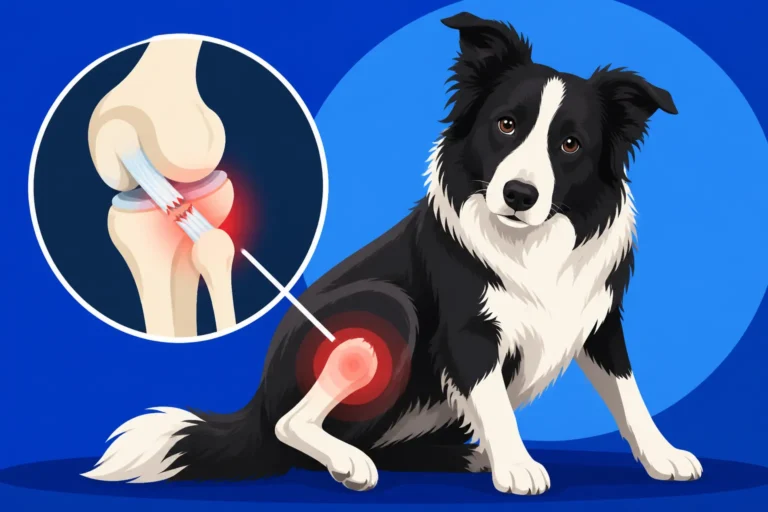
The real danger of grass seeds lies in their design. Imagine a tiny, barbed arrow. When a Border Collie runs through a field, these seeds can snag in their fur. As the dog moves, the seeds, aided by their barbs, start to burrow. They don't just sit on the surface; they can migrate rapidly through tissue. This means a seed that starts between their toes can travel up their leg, or one near the ear canal can work its way down. Once under the skin, they introduce bacteria, causing inflammation, pain, and potentially serious infection, often leading to abscesses. Unlike thorns or splinters that often work their way back out, grass seeds are designed to penetrate and keep going, making them a significant concern for any active dog owner.
Common Entry Points Beyond the Paws
While a Border Collie's paws are undoubtedly the most frequent point of entry, thanks to their constant contact with the ground, grass seeds are incredibly opportunistic. Don't let the name "grass seeds in feet" fool you into focusing solely there. Their ears are another prime target; the seeds can easily get lodged in the ear canal, causing irritation, head shaking, and even migrating deeper, leading to severe infections or damage to the eardrum. Noses are also vulnerable as our dogs sniff along the ground, inhaling these tiny invaders, which can then travel into the nasal passages or even the lungs. Eyes can also be affected, leading to painful irritation and corneal ulcers. And, of course, any area of the coat, particularly armpits, groin, or even under the tail, can harbor a seed that decides to burrow. The insidious nature of these seeds means a thorough check of your dog is paramount after any outdoor excursion, particularly during the peak seasons.
Why Border Collies Are Particularly Susceptible
It’s not just their high energy that makes Border Collies more prone to grass seed issues. Their physical characteristics play a huge role. Many Border Collies, especially those with rough coats, have longer feathering around their paws, legs, and ears. This acts like a perfect brush, sweeping up seeds from any environment they traverse. Combine this with their instinctive desire to run, jump, and weave through tall grasses, whether they're working livestock or playing fetch, and you have a recipe for trouble. Their drive to work or play means they often push through discomfort longer than other breeds might, potentially allowing a seed more time to embed deeply before they show obvious signs of distress. This combination of an active lifestyle and specific coat characteristics makes grass seed vigilance an absolute necessity for every Border Collie guardian.
Spotting the Signs of a Grass Seed Problem
Identifying a grass seed problem early is crucial for a speedy and less invasive resolution. These little troublemakers can cause a wide range of symptoms, from subtle changes in behavior to overt signs of pain and infection. As an owner, your keen observation skills are your best defense.
Behavioral Clues Your Dog is in Pain
One of the first indicators that something is amiss is a change in your Border Collie's behavior. If they suddenly start licking or chewing excessively at a particular paw, leg, or even their flank or ear, it’s a red flag. A dog that is usually eager to play might become withdrawn or lethargic. You might notice them limping or holding a paw up, especially after a period of rest. Head shaking or pawing at an ear can signal an ear canal invasion, while repeated sneezing or pawing at the nose suggests a nasal issue. Some dogs might even become agitated or restless, unable to settle due to persistent discomfort. Paying attention to these subtle shifts in their normal routine can provide vital clues. For instance, if you're out on a trial and your dog starts showing discomfort, it's worth taking a break to check them over; ignoring it could lead to further complications down the line, potentially even impacting their ability to compete in future events like the "USBCHA Trial Entry Costs for a Border Collie".
Physical Examination: What to Look For
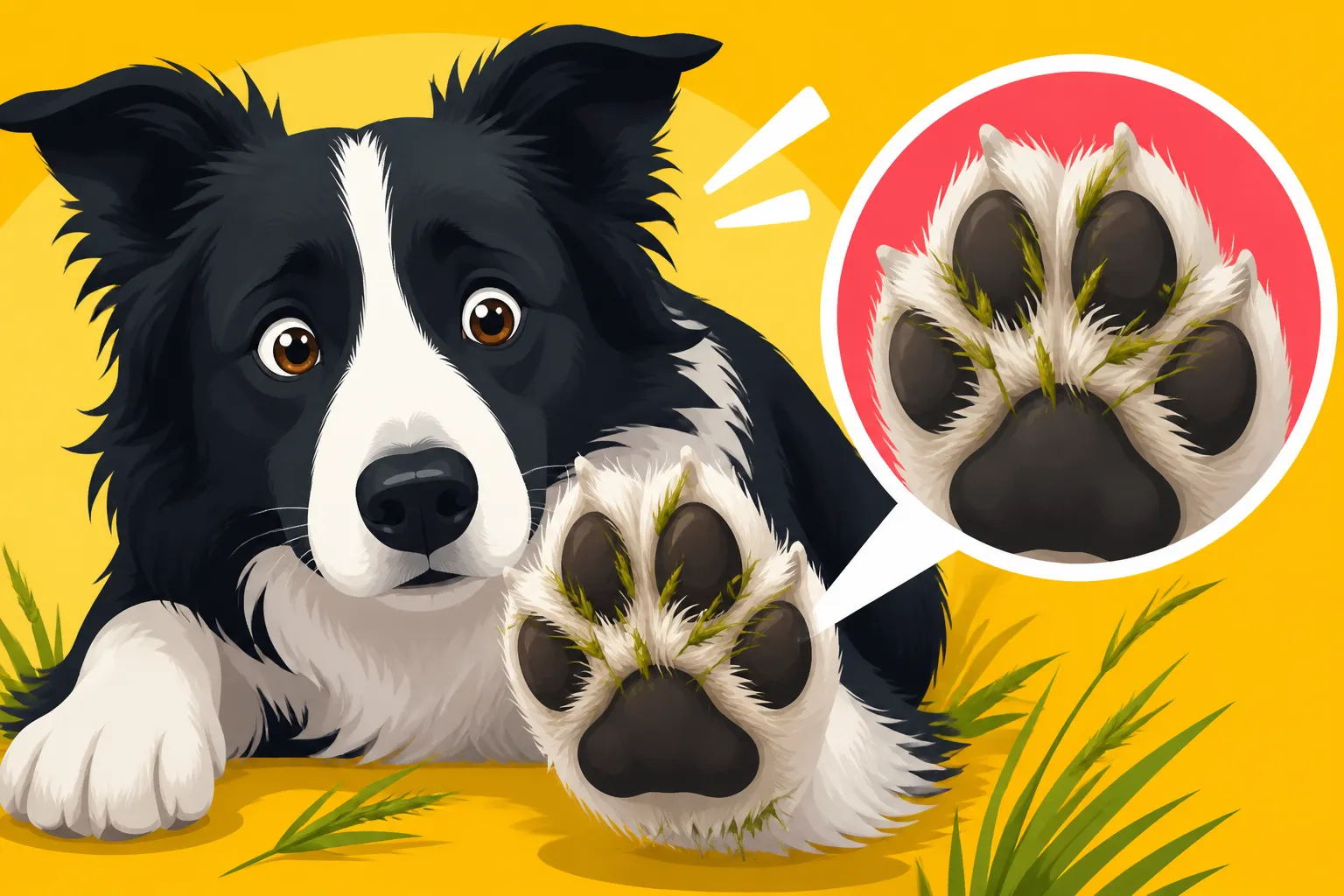
Beyond behavioral cues, a thorough physical examination is essential. Start by gently feeling along your Border Collie’s legs and paws. Spread their toes apart, checking the webbing for any redness, swelling, or small, black, bristle-like objects. Look for a small puncture wound, often surrounded by inflamed skin. An embedded seed might create a small, firm lump under the skin, or if it has already caused an infection, you might see pus or serous discharge from an abscess or draining tract. Don't forget to check their ears, looking deep into the canal for any foreign objects or signs of inflammation. Run your hands over their entire body, paying close attention to armpits, groin, and anywhere the fur is longer. Even small areas of matted fur can hide an embedded seed. Keep an eye out for Pad Damage on a Border Collie Working Stubble or other minor injuries that could provide an easy entry point for these seeds.
When to Seek Veterinary Attention Immediately
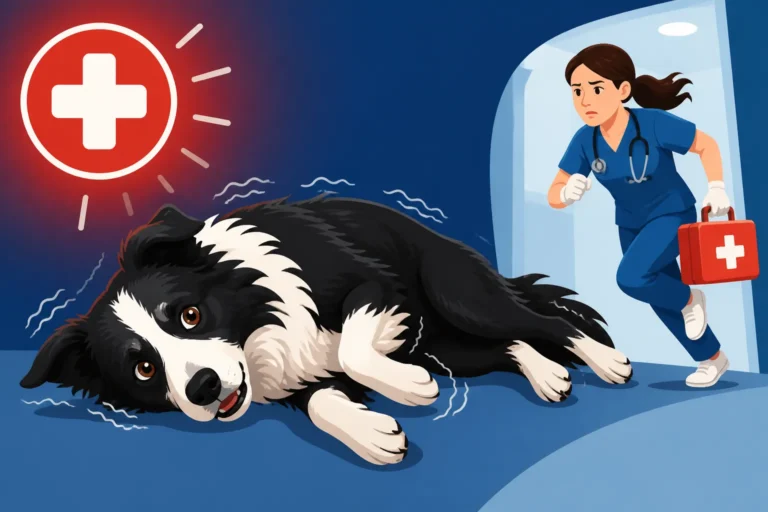
While some surface-level seeds might be removed at home, there are definite signs that warrant an immediate trip to the vet. If you suspect a seed has gone deep, if there's significant swelling, redness, heat, or discharge, or if your Border Collie is in obvious, persistent pain and refusing to bear weight, don't delay. Any signs of a seed in the ear canal or nose should also be handled by a professional, as improper removal can push the seed deeper or cause further damage. If your dog is lethargic, has a fever, or the infection appears to be spreading, it's an emergency. Early veterinary intervention can prevent a minor irritation from becoming a life-threatening systemic infection. Sometimes, what seems like a simple problem can escalate quickly, and having a good pet insurance plan like those offered by Healthy Paws can truly be a lifesaver, covering unexpected diagnostic and treatment costs.
Removing and Treating Embedded Grass Seeds
Once a grass seed has made its way into your Border Collie, the approach to removal and treatment depends heavily on how deeply it has embedded and whether infection has set in. Patience and careful handling are key, and knowing when to call in the professionals is paramount.
First Aid for Surface-Level Seeds
If you catch a grass seed before it has fully embedded – perhaps it's just tangled in the paw hair or barely poking the skin – you might be able to remove it yourself. For this, you’ll need good lighting, a magnifying glass, and a pair of fine-tipped tweezers. Gently part the fur around the area. If you can see the entire seed and grasp it firmly at its base, pull it out slowly and steadily in the direction it entered. Be careful not to break it, as leaving a piece behind can still cause problems. After removal, clean the area thoroughly with an antiseptic solution formulated for pets, like diluted chlorhexidine or povidone-iodine. Monitor the spot closely for a few days for any signs of swelling, redness, or discharge, which could indicate a piece was left behind or an infection has started. Remember, if there's any doubt about removal or if your dog is in distress, a vet visit is always the safest option.
Veterinary Procedures for Deeper Invaders
When a grass seed has burrowed deep, home removal is usually impossible and often dangerous. Your veterinarian will likely need to perform a more involved procedure. They might start with palpation and close examination, possibly using an otoscope for ears or a rhinoscope for noses. If the seed's location isn't obvious, imaging techniques like ultrasound or X-rays (though seeds are often too small to show on X-rays unless they've caused significant tissue reaction) can sometimes help pinpoint it.
For removal, sedation or even general anesthesia is frequently required to ensure your Border Collie remains still and pain-free, allowing the vet to thoroughly explore the area. The procedure involves carefully dissecting the tissue to locate and extract the seed. This can be tricky, as these seeds are tiny and can migrate. Sometimes, a draining tract or abscess will be followed to the source. After removal, the area will be thoroughly flushed, and depending on the extent of infection, it might be left open to drain or partially sutured. It's a precise task, often requiring specialized tools and expertise to ensure the entire seed is removed, preventing future complications. This is definitely one of those times when having comprehensive pet insurance like Healthy Paws can alleviate the financial stress of unexpected veterinary costs, letting you focus on your dog's recovery.
Managing Secondary Infections and Complications
Once the grass seed is removed, the focus shifts to managing any secondary infections or complications. Your vet will almost certainly prescribe a course of antibiotics to combat bacterial infections that the seed introduced or exacerbated. Pain relief medication, such as NSAIDs, will also be given to keep your Border Collie comfortable during recovery. In some cases, if a large abscess formed, drains might be placed to allow continued drainage and prevent fluid buildup.
You'll be given instructions for at-home wound care, which usually includes cleaning the site regularly, applying topical treatments, and preventing your dog from licking or chewing the wound, possibly with an Elizabethan collar. Follow these instructions diligently to prevent recurrence or further infection. Full recovery can take several weeks, especially if the seed caused a deep-seated abscess or a complicated tract. Regular follow-up appointments with your vet will be necessary to ensure proper healing and address any lingering issues. Being prepared for these potential complications, both medically and financially, is part of responsible Border Collie ownership, and budgeting for The Annual Border Collie Budget Nobody Plans For always includes such emergencies.
Proactive Prevention Strategies for Working and Pet Border Collies
An ounce of prevention is worth a pound of cure, especially when it comes to grass seeds. Given the Border Collie's energetic nature and typical coat, implementing proactive strategies is the most effective way to keep these irritating invaders at bay.
Regular Grooming and Inspection Routines
Establishing a consistent grooming routine is your first line of defense. For rough-coated Border Collies, daily brushing, especially after walks or runs in grassy areas, is essential to dislodge seeds before they can embed. Pay particular attention to the feathering on their legs, belly, tail, and around their ears. For smooth-coated Border Collies, while their shorter hair might seem less prone, seeds can still snag and burrow, so regular checks are still important.
A thorough physical inspection should be performed daily, especially during peak grass seed season (typically late spring through autumn, when grasses are dry and shedding seeds). This "once-over" is vital for early detection, as outlined in The Weekly Once-Over a Working Border Collie Gets. Take a few minutes to carefully run your hands over your dog's entire body, feeling for any bumps, tenderness, or foreign objects. Systematically check between their paw pads, behind and inside their ears, and around their eyes and nose. If you have a working Border Collie, this becomes even more critical due to their extensive exposure to varied terrain, which also brings risks like Sport Injuries a Border Collie Picks Up. Trimming the hair between their paw pads short can also significantly reduce the surface area available for seeds to cling to.
Avoiding High-Risk Areas and Seasons
One of the most straightforward ways to prevent grass seed problems is to simply avoid the environments where they thrive. During the dry months of late spring, summer, and early autumn, when grass seeds are abundant and easily detached, try to stick to paved paths, mown lawns, or areas with low-cut vegetation. If your Border Collie must run in fields, choose those where the grass has either been cut very short or hasn't yet gone to seed.
Be extra cautious around areas like field edges, ditches, and overgrown vacant lots, which are often teeming with seed-producing grasses. If you live in a rural area or near hiking trails, learn to identify the types of grasses that produce problematic seeds in your region. While it might feel restrictive to alter your dog's exercise routine, a few months of vigilance can prevent weeks of discomfort and costly vet bills. Remember, the joy of watching your Border Collie work or play is immense, but so is the responsibility of keeping them safe from common hazards.
Protective Gear and Environmental Management
For Border Collies who spend a lot of time in high-risk environments, protective gear can be a game-changer. Dog boots, specifically designed for outdoor activity, can create a physical barrier between your dog's paws and the ground, preventing seeds from embedding. While it might take some time to get your Border Collie accustomed to wearing them, the protection they offer is invaluable. Look for durable, well-fitting boots that stay on during vigorous activity.
On your own property, consider managing your yard to reduce grass seed exposure. Keep your lawn mown short, especially in areas where your Border Collie spends a lot of time. If you have any wild or overgrown patches, consider clearing them or restricting your dog's access to those areas during peak seed season. For those with working dogs, while completely avoiding fields isn't feasible, implementing these strategies on and off the farm can significantly reduce risk. For instance, ensuring any non-working areas of the farm are kept tidy can help. Also, having proper fencing that prevents your dog from wandering into seed-heavy areas can be beneficial, as discussed in Fencing Heights a Border Collie Will Not Clear. By combining regular grooming, smart routing, and protective gear, you can drastically reduce the chances of your Border Collie suffering from a grass seed invasion.
Table: Common Grass Seed Entry Points and Initial Symptoms
To help you quickly assess if a grass seed might be causing your Border Collie's discomfort, here's a quick reference guide to common entry points and the initial signs to look for.
| Entry Point | Initial Behavioral Symptoms | Initial Physical Signs | Severity Potential |
|---|---|---|---|
| Paws (between toes/pads) | Excessive licking/chewing, limping, holding paw up, reluctance to walk | Redness, swelling, small puncture wound, palpable lump, discharge | High (can migrate up leg) |
| Ears (ear canal) | Head shaking, pawing at ear, tilting head, whining, ear sensitivity | Redness inside canal, visible seed (if superficial), discharge, odor | High (can perforate eardrum) |
| Nose | Repeated sneezing, pawing at nose, nasal discharge, rubbing nose on ground | Visible seed (rare), blood from nostril, increased sniffing/snorting | Moderate to High (can migrate to lungs) |
| Eyes | Squinting, rubbing eye, excessive tearing, redness of conjunctiva | Visible seed (often), swollen eyelid, cloudiness of cornea | High (can cause corneal ulcer) |
| Coat/Skin (armpits, groin) | Excessive licking/chewing specific area, restlessness | Redness, small lump, puncture wound, matting, hair loss | Moderate (can cause abscess) |
Disclaimer
The information provided in this article is for general informational purposes only and is not intended as a substitute for professional veterinary advice, diagnosis, or treatment. Always seek the advice of your veterinarian or other qualified animal health provider with any questions you may have regarding a medical condition or the health and welfare of your pet. Never disregard professional veterinary advice or delay in seeking it because of something you have read in this article.