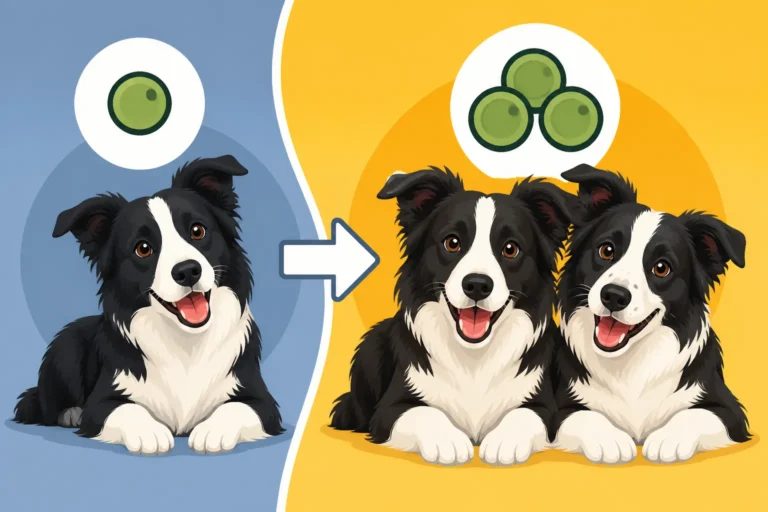
Border Collie Prices in Farm Country
Finding the right Border Collie for your farm can feel a bit like searching for a needle in a haystack, especially when you start looking at prices. It's not just about finding a dog; it's about finding the right dog, one with the lineage, health, and potential to be a true partner in your work. Many folks, especially those new to working dogs, are surprised by how much the figures can vary, and it's easy to wonder if you're getting a fair shake or if you're missing something important. This guide will walk you through the real factors that shape Border Collie prices in rural and farm settings, helping you understand what you're paying for and why.
Understanding What "Farm Country" Means for Border Collie Prices
When we talk about "farm country," we're not just picturing rolling green hills and barns. We're also talking about a specific mindset and a demand for a particular type of dog. Unlike urban or suburban areas where a Border Collie might be sought as a family pet or agility prospect, in farm country, the emphasis is overwhelmingly on working ability. This fundamental difference drives pricing structures in significant ways, often favoring proven genetics and a demonstrated aptitude for stock work.
Regional Differences and Local Supply/Demand
The geography of "farm country" itself plays a huge role in pricing. If you're in an area that's rich with sheep and cattle ranches, like parts of the Pacific Northwest, the Mid-Atlantic, or the vast expanses of the Midwest, you'll likely find more established working Border Collie breeders. This increased supply, coupled with a steady demand from local farmers and ranchers, often creates a more competitive market with a clear pricing ladder based on quality and training. You might find a wider range of options, from promising puppies to experienced dogs.
Conversely, in areas where traditional livestock farming is less prevalent, a truly excellent working Border Collie might be harder to come by, and breeders may be more spread out. This scarcity can sometimes drive prices up, simply because you're paying for the specialized knowledge and effort required to produce such a dog in a less concentrated market. It also means you might need to travel further or be prepared for longer Waiting Lists at a Working Border Collie Breeder from a reputable source. The local demand isn't just for any Border Collie, but for one that can actually work, and that's a key distinction that influences what people are willing to pay.
The "Working Line" Premium
This is perhaps the most critical distinction in farm country pricing. When a farmer or rancher is looking for a Border Collie, they're not just looking for a cute puppy; they're looking for a future employee. This means "working lines" are paramount. A working line Border Collie is bred specifically for its herding instinct, biddability, intelligence, and stamina—traits honed over generations by handlers dedicated to sheepdog trials and actual farm work. These aren't dogs bred for a particular look or conformation in the show ring, but for their ability to read stock, take direction, and perform tasks day in and day out.
This focus on working ability naturally commands a premium. Breeders of working lines invest heavily in their breeding stock, often importing dogs from top trial lines, traveling to compete, and dedicating their lives to understanding and preserving the specific working traits that make a Border Collie exceptional. This isn't just a hobby; it's a profound commitment to a functional breed. The "working line" premium reflects this deep investment, ensuring that the puppies produced have the best possible genetic foundation to excel in the field. It’s a direct response to the practical needs of those living and working in farm country.
Factors Influencing Border Collie Puppy Prices in Rural Settings
When you're sifting through ads for Border Collie puppies, especially in agricultural areas, you'll notice a significant spread in prices. It's not arbitrary; these differences almost always boil down to the quality, health, and proven lineage behind the pup. Understanding these factors can help you gauge value and make an informed decision, ensuring you get a dog that meets your expectations for a working partner or an active farm companion.
Proven Working Parents and Pedigrees
In farm country, a dog's pedigree isn't just a piece of paper; it's a performance resume. Puppies from parents who have achieved titles in recognized sheepdog trials, such as those sanctioned by the USBCHA (United States Border Collie Handlers' Association) or the ISDS (International Sheep Dog Society), will invariably be more expensive. Why? Because these titles are concrete proof that the parents possess strong herding instinct, intelligence, trainability, and the resilience to work under pressure. You're not just buying a dog; you're buying decades of selective breeding for excellence in stock work.
A breeder marketing puppies from trial-winning parents is offering you a puppy with a much higher probability of inheriting those same desirable traits. This reduces the risk for a buyer who needs a dog to perform specific tasks. Imagine the difference between buying a car from a manufacturer with a long history of racing wins versus one with no track record. For many, this proven genetic potential is worth the extra investment upfront, as it saves countless hours of potential frustration and training woes down the line. It's about buying peace of mind and genuine working talent.
Health Clearances and Genetic Testing
This is another area where price variations become apparent, and it's an investment that pays dividends in the long run. Reputable breeders will go to great lengths to ensure their breeding stock is free from common genetic health issues. This means parents will have been screened for hip and elbow dysplasia through organizations like OFA (Orthopedic Foundation for Animals), had their eyes checked by a board-certified veterinary ophthalmologist (CERF/OFA Eye Exams), and undergone a comprehensive The Border Collie Genetic Panel and What It Screens. This panel typically tests for conditions like Collie Eye Anomaly (CEA), Trapped Neutrophil Syndrome (TNS), Neuronal Ceroid Lipofuscinosis (NCL), and sometimes Drug Sensitivity (MDR1).
The costs associated with these health clearances are substantial for the breeder—vet fees, specialist appointments, laboratory tests—and these costs are naturally factored into the puppy price. However, as a buyer, paying a bit more for a puppy from health-tested parents can save you thousands of dollars in vet bills and emotional heartache down the road. Imagine investing in a working dog only to discover at two years old it has severe hip dysplasia or begins having seizures. It's not just about the money; it's about the welfare of your future working partner. Always be prepared to Asking a Border Collie Breeder for Test Results for both parents.
Breeder Reputation and Support
A breeder's reputation is built on consistency, honesty, and ongoing support for their puppy buyers. In farm country, where word-of-mouth travels fast, a breeder known for producing sound, biddable, and healthy working dogs will command higher prices simply because of their track record. These breeders often have extensive knowledge of Border Collie behavior, training, and health, and they're willing to share that expertise with you.
This support can be invaluable, especially for first-time Border Collie owners or those new to working dogs. They might offer advice on everything from puppy raising and nutrition to initial herding introductions, or even help if the dog doesn't quite fit your needs. Many reputable breeders also have a "take-back" clause in their contracts, ensuring that their dogs always have a safety net. This level of commitment and ongoing relationship adds significant value beyond the initial purchase price. You're not just buying a puppy; you're gaining a mentor and a resource for the lifetime of your dog. This kind of relationship is something you just don't get from an internet ad for a cheap puppy with no background.
Beyond the Puppy: The Cost of a Started or Trained Border Collie
While a puppy offers the rewarding experience of raising and training your own working partner, it also demands a significant investment of time, knowledge, and effort. For those with busy schedules, limited experience, or specific needs, a "started" or "fully trained" Border Collie can be an incredibly appealing, though often more expensive, option. These dogs represent a different kind of investment, where much of the foundational work has already been laid, allowing you to hit the ground running, literally.
The Appeal and Price of a Started Dog
A "started" Border Collie is typically a young adult (often between 8 months and 2 years old) who has received foundational training in herding. This means they've been introduced to stock, understand basic commands like "come bye" and "away to me" for directing stock, and have developed some initial confidence and working style. They might have a solid outrun and gather, and understand how to stop or lie down on command around livestock. The primary advantage here is that the difficult, often time-consuming, initial instinct and foundational work has been done for you. For someone new to herding, this can be a godsend, skipping past the most challenging parts of developing a young dog's natural talent. Many find that The First Time a Border Collie Meets Sheep can be a make-or-break moment, and having a dog already past this hurdle is a huge benefit.
The price for a started dog can vary widely but expect it to be a noticeable jump from a puppy price. This increase reflects the breeder or trainer's investment in the dog's development: daily care, feed, professional training time, access to livestock, and sometimes even initial competitive experience. While a working puppy might start in the lower thousands, a started dog could easily be several times that amount. This is still a dog that needs continued training and partnership to reach its full potential, but the steepest part of the learning curve for both dog and handler has been navigated. This option is often ideal for individuals who want a working dog but don't have the extensive time to commit to a full puppy-to-finished-dog training program. What a started Border Collie costs on sheep can easily factor into the price.
Fully Trained Sheepdogs: A Significant Investment
For those who need a truly reliable, turnkey working partner, a "fully trained" Border Collie sheepdog is the ultimate solution. These are dogs, often 2-5 years old, who have mastered a full repertoire of commands and can perform complex herding tasks with precision and efficiency. They can gather livestock from a distance, drive them through various obstacles, shed individual animals from a flock, and confidently pen them. They are experienced, confident, and can often read a situation better than their handler, making them invaluable assets on a busy farm or ranch. Many of these dogs have also competed successfully in open-level sheepdog trials, showcasing their exceptional skill and biddability under pressure.
The price tag for a fully trained Border Collie is commensurate with their extraordinary skill set and the years of dedicated, professional training invested. These dogs can fetch prices that are substantial, often reaching several times the cost of a started dog. This reflects not just their training, but their proven ability to handle real-world challenges with livestock, their health clearances, and their established temperament. This is a considerable investment, but for a working farm or ranch where a reliable dog can significantly increase efficiency and reduce labor, it is often seen as a smart and justifiable expenditure. It’s an investment in a highly skilled partner, not just a pet, and for many, the time and stress saved make it well worth every penny. What a fully trained Border Collie sheepdog fetches often aligns with the value of a piece of farm machinery.
Other Financial Considerations When Bringing a Border Collie to the Farm
The initial purchase price of a Border Collie, whether a puppy or a fully trained dog, is just the beginning of your financial commitment. Especially in farm country, where these dogs are often expected to perform rigorous work, ongoing costs for care, nutrition, and health are crucial considerations. Overlooking these aspects can lead to unexpected expenses and potentially compromise your dog's ability to do its job.
Initial Setup and Ongoing Care
Bringing a Border Collie onto a farm means more than just a dog bowl and a leash. You'll need to think about secure containment, especially if you have livestock. While a working Border Collie might spend a lot of time out with you, there will be times they need to be safely confined. This could mean investing in Fencing Heights a Border Collie Will Not Clear or a secure kennel run.
Beyond that, daily care costs accumulate quickly. A working Border Collie burns a lot of calories, so a high-quality, performance-oriented diet is essential. Brands like Chewy offer a vast selection, making it easy to find suitable feeds, or you might opt for fresh food delivery services like Ollie if that aligns with your philosophy and budget. Don't forget regular veterinary check-ups, vaccinations, and parasite control (flea, tick, and heartworm prevention), which are even more critical for dogs spending significant time outdoors and potentially interacting with other animals. Toys for mental stimulation and proper training equipment, like whistles and long lines, also add to the initial and ongoing budget.
Insurance for Working Dogs
This is an often-overlooked but incredibly important financial consideration for a Border Collie in farm country. Working dogs, by their very nature, are more prone to injuries and wear-and-tear than a couch-potato pet. The physical demands of herding can lead to Sport Injuries a Border Collie Picks Up like muscle strains, or more serious issues such as Cruciate Tears in a Border Collie. Add to that the possibility of accidents on a farm, like encounters with livestock, fencing, or machinery, and the risk of significant vet bills becomes very real.
Investing in pet insurance, ideally from a provider like Healthy Paws, can be a lifesaver. It helps mitigate the financial blow of emergency surgeries, chronic conditions, or long-term rehabilitation. It's crucial to enroll your Border Collie when they are young and healthy, before any conditions are considered pre-existing. While the monthly premiums are an added expense, the peace of mind knowing you can provide the best possible care without devastating your savings is invaluable. Think of it as protecting your valuable working asset, just as you would insure your farm equipment.
| Factor | Description | Relative Cost (Puppy) | Relative Cost (Started/Trained) | Key Considerations |
|---|---|---|---|---|
| Pet/Companion Quality | Bred for temperament and companionship, less emphasis on working lines. | Entry-Level | Not applicable | May lack strong herding instinct; health checks may be minimal. |
| Working Line Puppy | From proven working parents, strong herding instinct, excellent health clearances. | Mid-Range | Not applicable | High potential for working ability; still requires significant training investment. |
| Started Working Dog | Young adult (8mo-2yr) with basic stock introduction and foundational herding commands. | Not applicable | Mid-to-High | Saves significant training time; still needs continued development and partnership. |
| Fully Trained Sheepdog | Mature adult (2-5yr) with advanced herding skills, capable of complex tasks. | Not applicable | High-End | Immediate working partner; highest upfront cost, but saves years of training. |
Disclaimer
This article is for general informational purposes only and does not constitute professional advice. Laws, prices and regulations vary by location and change over time. Consult a qualified professional for guidance on your specific situation.