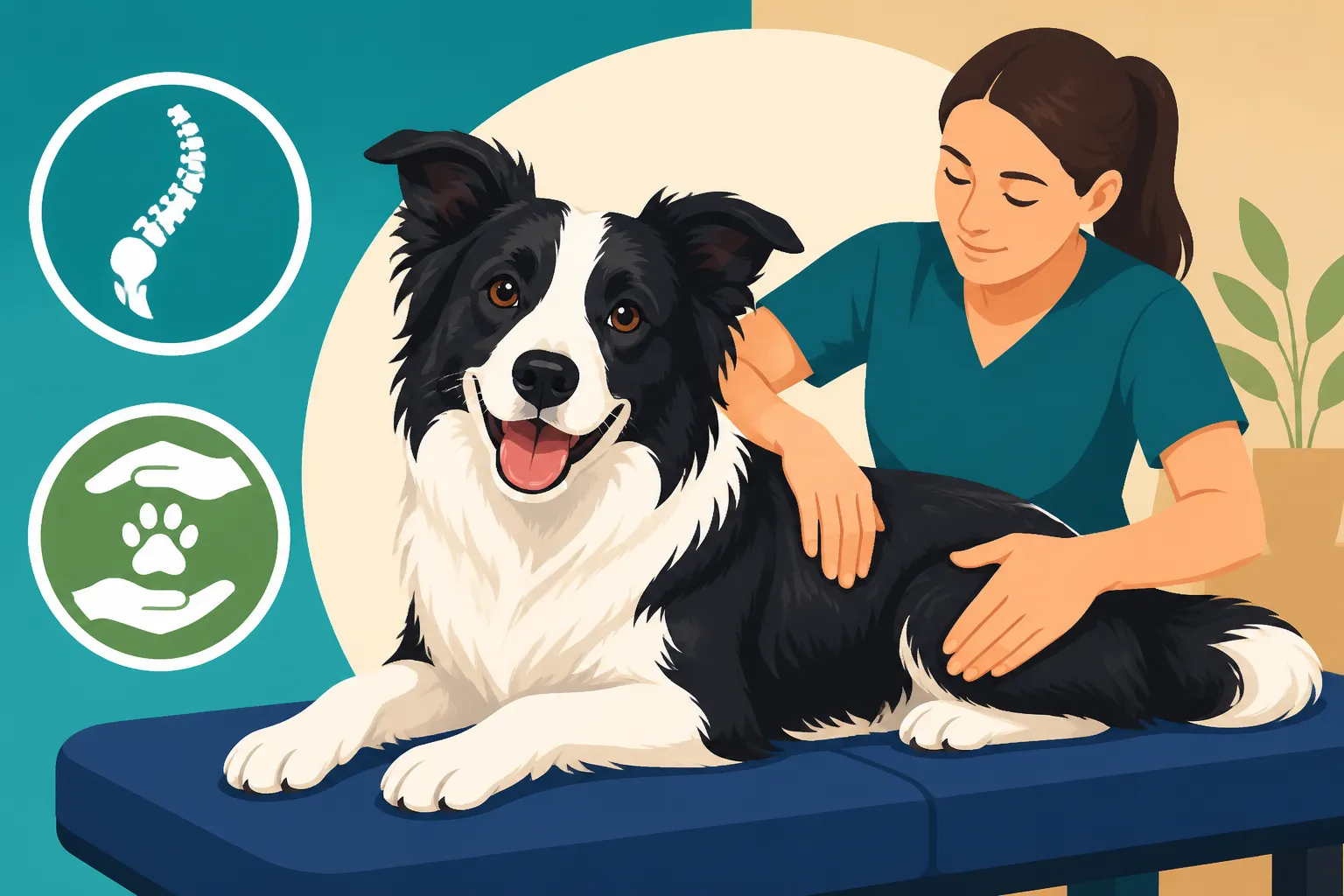
Chiropractic and Massage for a Border Collie
It's a tough truth that our incredibly active Border Collies, the dogs who never seem to stop, can hide their aches and pains remarkably well until they become significant issues. We often push them hard, whether on the trial field, in agility, or just on long hikes, and it's easy to overlook the subtle signs of discomfort until their performance drops or they're clearly suffering. This guide aims to shed light on canine chiropractic and massage therapy, offering insights into how these complementary approaches can support your Border Collie's physical well-being, helping them stay comfortable, agile, and happy throughout their busy lives.
Understanding the Physical Demands on a Border Collie
Border Collies are renowned for their athleticism, intelligence, and seemingly boundless energy. These traits make them exceptional working dogs and enthusiastic partners in dog sports, but they also mean their bodies are under constant strain. Understanding these demands is the first step in providing them with the care they need.
The Impact of High-Intensity Activities
Think about what your Border Collie does on a typical day, or what they're asked to do in their chosen "job." Whether it's the explosive sprints, sharp turns, and tight weaves of agility, the miles of running and circling involved in herding livestock, or the high-flying jumps and twists of disc dog, these activities place incredible stress on their musculoskeletal system. The spine, hips, shoulders, and even their feet absorb a tremendous amount of impact and torque.
Over time, this repetitive stress can lead to microtraumas or more significant Sport Injuries a Border Collie Picks Up. Muscles can become tight, joints can lose their full range of motion, and spinal segments can become restricted. These aren't always dramatic, sudden injuries; often, they're cumulative issues that slowly degrade your dog's comfort and performance. Just like human athletes, Border Collies benefit from proactive care to address these stresses before they manifest as chronic pain or a noticeable lameness.
Subtle Signs Your Border Collie Might Be Uncomfortable
Border Collies are stoic by nature. They're wired to work, to push through discomfort, and to not show weakness, which can make detecting pain incredibly challenging for us as owners. You might not see a blatant limp or hear a yelp, but there are often subtle cues if you know what to look for.
Maybe your usually enthusiastic agility dog is suddenly knocking bars they used to clear with ease, or they're slowing down on the weaves. Perhaps your herding dog is taking wider turns, or their "outrun" isn't as crisp as it once was. At home, you might notice them being less willing to jump into the car, hesitant to go up or down stairs, or struggling to get comfortable when lying down. They might shift their weight, stretch more frequently, or even seem a little grumpier than usual, snapping when touched in a particular spot. These small changes, often dismissed as "just getting older" or "having an off day," can be significant indicators of underlying pain or stiffness. Watch for a decrease in play drive, changes in appetite, or a reluctance to engage in activities they once loved. Sometimes, the only sign is a subtle change in their gait, like The Limp That Shows Up After a Border Collie Works.
What is Canine Chiropractic Care?
When we think of veterinary care, we usually picture vaccinations, medications, and surgery. Canine chiropractic care offers a different, yet complementary, approach to your dog's health, focusing on the structural integrity of their spine and nervous system.
The Philosophy Behind It
The core philosophy of chiropractic care, whether for humans or dogs, is that a healthy nervous system is vital for overall well-being. The spine encases and protects the spinal cord, which is the main highway for nerve signals between the brain and the rest of the body. When a spinal segment (vertebra) becomes misaligned or loses its normal range of motion, it can interfere with these nerve signals, leading to pain, muscle dysfunction, and decreased organ function. These misalignments are called "subluxations" or "vertebral subluxation complexes."
Chiropractic practitioners don't treat specific diseases in the traditional sense; instead, they focus on restoring proper movement and alignment to the spine and other joints. By removing interference to the nervous system, the body's innate ability to heal and regulate itself is enhanced. For a Border Collie, whose nervous system is constantly firing with high-level cognitive and physical demands, maintaining this connection is paramount. It’s about ensuring every signal from their brain to their working muscles is clear and unimpeded.
What to Expect During a Session
If you've never taken your dog to a chiropractor, the idea might seem a little strange! Typically, a session begins with a thorough history and physical examination. The chiropractor will ask about your Border Collie's activities, any noticeable issues, and their overall health. They'll then perform a detailed palpation of the spine and other joints, feeling for areas of tenderness, muscle tension, and restricted movement. This is often followed by motion analysis, where they observe your dog walking, trotting, and sometimes performing specific movements to identify gait abnormalities.
Once areas of concern are identified, the chiropractor uses specific, gentle adjustments – often referred to as "activator" adjustments or manual adjustments – to restore proper motion to the joints. These adjustments are quick and precise, aiming to correct the subluxation without causing discomfort. Many dogs, especially Border Collies who are used to being handled, tolerate these adjustments very well. You might hear a small "pop" sound, which is simply the release of gas in the joint, similar to cracking your knuckles. After the adjustment, the practitioner might provide advice on stretches, exercises, or activity modifications.
It’s crucial to seek out a certified animal chiropractor, usually a DVM (Doctor of Veterinary Medicine) or a DC (Doctor of Chiropractic) with specialized post-graduate training and certification in animal chiropractic. Look for certifications from organizations like the American Veterinary Chiropractic Association (AVCA) or the International Veterinary Chiropractic Association (IVCA).
Benefits and Potential Drawbacks
Canine chiropractic care can offer a wide range of benefits for Border Collies, especially those engaged in demanding activities. Many owners report:
- Improved Mobility and Flexibility: Dogs move more freely, with a greater range of motion in their joints.
- Reduced Pain and Discomfort: Addressing spinal restrictions can alleviate pain that might have been impacting their quality of life.
- Enhanced Performance: Agility dogs might run faster, jump higher, or weave more smoothly. Herding dogs may show improved focus and drive, as they're no longer distracted by discomfort.
- Behavioral Improvements: A dog in less pain is often a happier, less irritable dog.
- Injury Prevention: Proactive adjustments can help identify and correct minor issues before they become serious injuries, such as Iliopsoas Strain in a Border Collie or issues leading to Cruciate Tears in a Border Collie.
However, it's also important to be realistic. Chiropractic care is a complementary therapy, not a magical cure-all, and it shouldn't replace conventional veterinary medicine. Some potential drawbacks or considerations include:
- Cost: Sessions can be an investment, and often multiple treatments are needed initially. The Annual Border Collie Budget Nobody Plans For can certainly get stretched by these services.
- Finding a Qualified Practitioner: It's essential to find someone certified and experienced, as unqualified adjustments can be harmful.
- Not a Substitute for Diagnosis: Chiropractic practitioners are trained to address structural issues, but a veterinarian should always diagnose underlying medical conditions. If you're concerned about a major injury or illness, start with your regular vet.
- Insurance Coverage: While some pet insurance plans, like those offered by Healthy Paws, might cover chiropractic care if performed by a licensed DVM or DC and deemed medically necessary, it's always wise to check your specific policy details beforehand.
The Role of Canine Massage Therapy
While chiropractic care focuses on joint alignment, canine massage therapy takes a more direct approach to the muscles and soft tissues. These two therapies often work hand-in-hand to provide comprehensive support for your active Border Collie.
More Than Just a Pampering Session
Forget the image of a spa day for dogs; therapeutic canine massage is far more than just gentle stroking. It involves a range of specific techniques designed to manipulate muscles, tendons, ligaments, and fascia (the connective tissue surrounding muscles). The goals are quite profound: to relieve tension, reduce pain, improve circulation, enhance flexibility, and promote relaxation.
A skilled canine massage therapist uses techniques like effleurage (long, sweeping strokes to warm up tissue), petrissage (kneading and squeezing to release deep muscle tension), friction (small, circular movements to break down adhesions), and tapotement (rhythmic tapping to stimulate muscles). For a Border Collie whose muscles are constantly engaged, often in states of high tension, these techniques can be incredibly beneficial. It's about restoring healthy tissue function, not just making them feel good in the moment.
When and Why to Consider Massage
Massage therapy can be a game-changer for Border Collies in many situations:
- Muscle Soreness and Stiffness: After a particularly intense training session or trial, massage can help flush out metabolic waste and reduce post-exercise soreness.
- Improved Flexibility and Range of Motion: Regular massage can help keep muscles supple, allowing for greater joint mobility, which is critical for complex movements like those in agility.
- Anxiety and Stress Reduction: The calming touch of massage can lower heart rate, reduce stress hormones, and promote a sense of well-being, which is especially helpful for high-strung Border Collies.
- Pre- and Post-Event Recovery: A quick pre-event warm-up massage can prepare muscles, while a post-event session can aid recovery and prevent stiffness.
- Complementary to Veterinary Care: Massage can support recovery from injuries (under vet guidance), reduce compensatory muscle pain, and enhance the effects of other therapies.
- Aging Dogs: For older Border Collies starting to show signs of Osteoarthritis in a Border Collie by Eight or general stiffness, massage can significantly improve their comfort and quality of life, allowing them to continue activities they love, even if at a slower pace. The Old Border Collie That Still Wants to Gather can find immense comfort through regular massage.
DIY Massage vs. Professional Therapists
As a Border Collie owner, you can absolutely incorporate some basic massage techniques into your routine. Gentle stroking, light kneading of major muscle groups, and passive range-of-motion exercises can be wonderful for bonding, identifying sensitive areas, and promoting general relaxation. There are many resources available online or through books that teach basic techniques, but always be gentle and stop if your dog shows any discomfort.
However, a professional canine massage therapist brings a much deeper level of anatomical knowledge and specialized techniques. They can pinpoint specific muscle groups, address trigger points, and work with injuries in a way that an amateur simply cannot. For serious issues or ongoing support, a certified professional is highly recommended. Look for therapists with certifications from recognized bodies.
Integrating Chiropractic and Massage into Your Border Collie's Care Routine
The key to long-term health and performance for your Border Collie isn't just about intense training; it's also about comprehensive care that supports their body and mind. Integrating chiropractic and massage therapy effectively requires thoughtful planning and collaboration.
Finding Qualified Professionals
This cannot be stressed enough: always seek out certified and experienced practitioners. For canine chiropractic care, look for individuals certified by the American Veterinary Chiropractic Association (AVCA) or the International Veterinary Chiropractic Association (IVCA). These individuals are either licensed veterinarians (DVMs) or licensed human chiropractors (DCs) who have undergone extensive post-graduate training specifically in animal chiropractic. This ensures they have a deep understanding of canine anatomy and physiology.
For massage therapy, look for certified canine massage therapists (CMTs) or animal massage practitioners. While regulations vary, reputable therapists will have undergone formal training and hold certifications from recognized schools or organizations. Don't be shy about asking about their credentials, experience with active breeds like Border Collies, and their approach to working with your veterinarian. A great resource can often be found by asking for recommendations from other competitive Border Collie owners or Whether a Border Collie Needs a Sports Vet in your area. They often know the best practitioners in the community.
Cost and Frequency Considerations
The cost of chiropractic and massage therapy for your Border Collie can vary widely depending on your location, the practitioner's experience, and the length of the session. Generally, you can expect initial assessments to be more comprehensive and potentially cost more, with follow-up sessions being a bit less. As mentioned, some pet insurance providers, like Healthy Paws, may offer coverage for these complementary therapies if prescribed by a veterinarian, so it's always worth checking your policy details. Keep in mind that for a dog in active work, or one with chronic issues, ongoing maintenance sessions might be recommended.
Regarding frequency, it truly depends on your dog's individual needs. A young, healthy Border Collie actively training might benefit from a chiropractic check-up every few months and massage as needed for muscle soreness. A dog recovering from an injury or an older dog with arthritis might require more frequent sessions initially, perhaps every few weeks, before moving to a maintenance schedule. Discuss this openly with your chosen practitioner; they can help you create a personalized plan. Remember that maintaining their overall health also includes a quality diet. Consider options like Ollie for fresh, balanced meals, or ensure you're getting high-quality kibble and supplements from reputable sources like Chewy. These foundational elements support their body's ability to heal and stay strong.
Working with Your Veterinarian
It's crucial to view chiropractic and massage as complementary therapies, working with your primary veterinarian, not as alternatives to conventional medical care. Before starting any new therapy, always have a conversation with your veterinarian. They can help diagnose any underlying medical conditions, rule out issues that might be contraindicated for chiropractic or massage, and ensure that these therapies are appropriate and safe for your Border Collie.
A good animal chiropractor or massage therapist will always request to communicate with your vet and may even ask for a referral. This collaborative approach ensures that your Border Collie receives the most comprehensive and integrated care possible, addressing both acute medical needs and ongoing musculoskeletal health. Your vet can also guide you on the best time to start these therapies, especially when considering Impact Work Before a Border Collie Turns Two.
Real-World Scenarios and Success Stories
It's one thing to talk about the theory, but seeing how chiropractic and massage can genuinely help Border Collies in real-life situations brings the benefits home.
The Agility Dog with a Subtle Lameness
Imagine "Pip," a five-year-old Border Collie who's usually a star on the agility course. He's fast, focused, and loves to compete. Lately, however, his owner has noticed a slight dip in his performance. He's not outright limping, but he's slower to get into the weave poles, and his turns around cones aren't as tight as they used to be. He's also knocking bars more frequently, particularly on jumps where he has to reach or collect himself. The owner initially thought it might be a training issue or just a bad day, but after a few weeks, the pattern was clear.
A trip to the vet confirmed no broken bones or acute injuries. However, a sports vet recommended a canine chiropractor. During Pip's initial assessment, the chiropractor identified significant restrictions in his thoracic spine (mid-back) and a subtle imbalance in his right shoulder. It turned out these restrictions were making it difficult for him to fully extend and flex his spine during his runs, impacting his ability to coil and launch over jumps, and causing him to compensate, which put extra strain on his shoulder. After a few chiropractic adjustments and some targeted massage to release the tight shoulder muscles, Pip's owner saw a remarkable change. His speed returned, his weaves were fluid again, and he was clearing jumps with confidence. This is a classic example of how subtle issues, like Shoulder Lameness in a Border Collie That Weaves, can significantly impact performance, and how integrated care can bring a dog back to their best.
The Older Border Collie with Stiffness
Meet "Jessie," a beloved ten-year-old Border Collie who spent her younger years tirelessly gathering sheep. While she's mostly retired now, she still loves her daily walks and supervising the farm. Her owner had started noticing that Jessie was taking longer to get up in the mornings, especially in cold weather, and would often walk stiffly for the first few minutes. She wasn't playing with the same zest, and sometimes hesitated before jumping onto the couch, a privilege she'd always enjoyed. It was the typical gradual slowing down many owners observe.
Her vet diagnosed her with early-stage osteoarthritis, a common condition as Border Collies age. Alongside joint supplements and a modified exercise routine, the vet suggested regular massage therapy to help manage the stiffness and pain. Jessie's owner found a local certified canine massage therapist who visited weekly. The sessions focused on gently warming her muscles, improving circulation to her aging joints, and releasing tension in her lower back and hind legs. The results were heartwarming. Jessie started moving more comfortably, enjoying her walks again, and even attempting a playful bounce or two. The massage didn't cure her arthritis, but it significantly improved her quality of life and kept The Old Border Collie That Still Wants to Gather feeling good.
Preventing Issues in Active Puppies
While chiropractic and massage are often thought of for older or injured dogs, they can also play a preventative role, even for younger, developing Border Collies. Consider "Flash," a boisterous 18-month-old Border Collie just starting his agility career. His owner is keen to ensure he stays sound and healthy for years to come.
Flash is in excellent health, but his owner proactively takes him for periodic check-ups with a canine chiropractor. During one such visit, the chiropractor noted a minor restriction in Flash's neck, likely from an awkward play fall or too much enthusiastic tug-of-war. A quick, gentle adjustment corrected it before it could develop into a more significant issue or impact his nascent training. The owner also learned some basic massage techniques to help Flash warm up before training sessions and cool down afterward, ensuring his muscles stay supple. This proactive approach, while not involving Impact Work Before a Border Collie Turns Two, recognizes the future demands on his young body and helps build a foundation for long-term soundness. It's about being preventative rather than reactive.
Canine Chiropractic vs. Canine Massage
While both chiropractic and massage therapies are highly beneficial for Border Collies and often complement each other, they focus on different aspects of musculoskeletal health. Here's a quick comparison:
| Feature | Canine Chiropractic | Canine Massage Therapy |
|---|---|---|
| Primary Focus | Spinal and joint alignment; nervous system function | Soft tissue (muscles, tendons, ligaments, fascia) |
| Goal | Restore proper joint movement, reduce nerve interference | Relieve muscle tension, improve circulation, enhance flexibility |
| Techniques | Specific, gentle adjustments to vertebrae and joints | Kneading, stroking, friction, tapping, stretching |
| Best For | Joint restrictions, subluxations, nerve impingement, gait abnormalities, performance issues | Muscle soreness, stiffness, anxiety, scar tissue, pre/post-exercise care |
| Practitioner | DVM or DC with specialized animal chiropractic certification (e.g., AVCA, IVCA) | Certified Canine Massage Therapist (CMT) or Animal Massage Practitioner |
| Complementary | Yes, often recommended together for holistic care | Yes, often used to support chiropractic adjustments |
Disclaimer
This article is for general informational purposes only and does not constitute professional advice. Laws, prices and regulations vary by location and change over time. Consult a qualified professional for guidance on your specific situation.