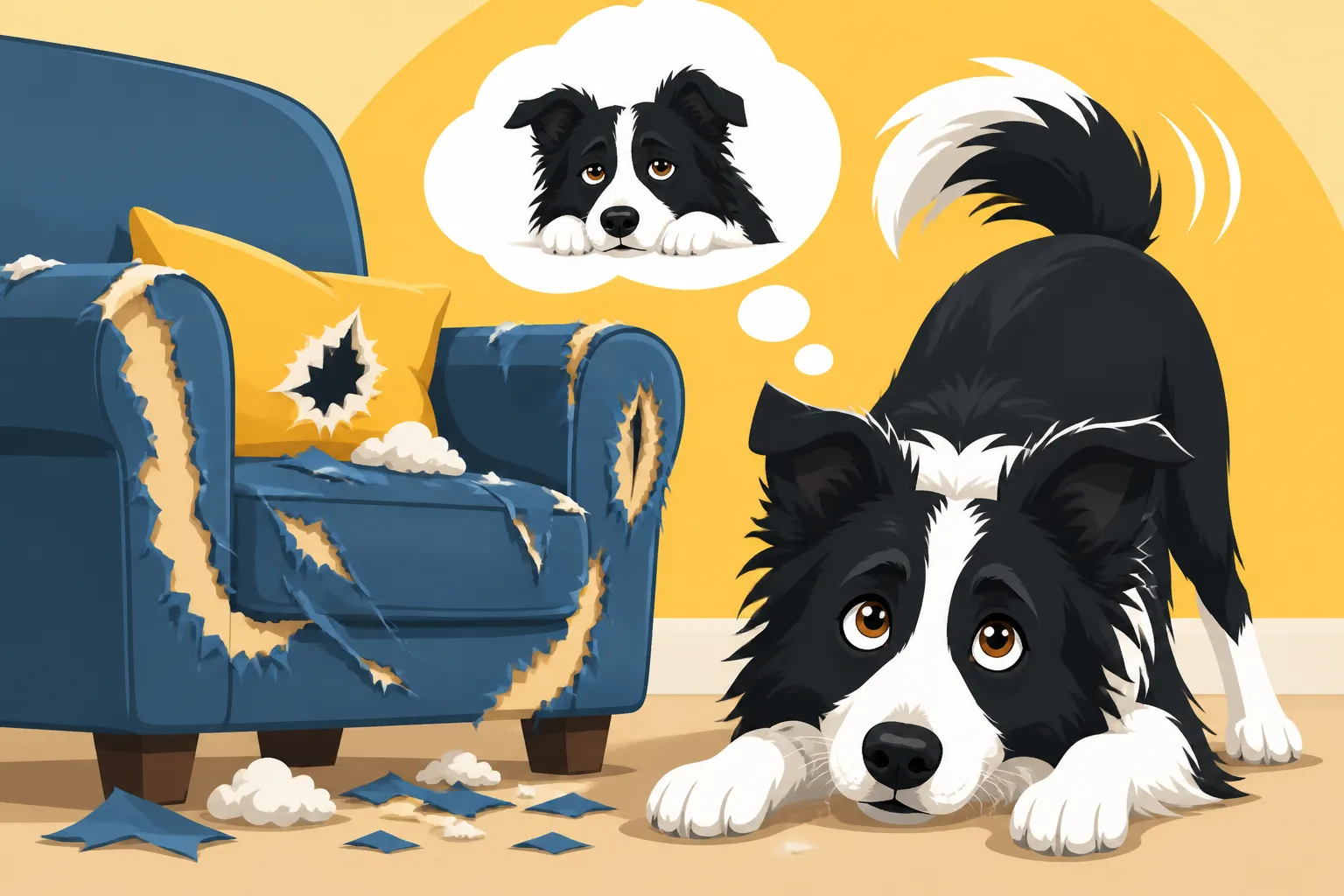
Whether a Border Collie Wrecks Furniture When Bored
It’s a heart-sink moment many Border Collie owners have experienced: walking into a room only to find a beloved sofa cushion torn to shreds, a chair leg gnawed, or a carpet corner lifted and destroyed. The sheer intelligence and boundless energy that draw us to these incredible dogs can, paradoxically, become their undoing – and our furniture's – if not properly channeled. This guide is here to shed light on why your Border Collie might be turning your home into their personal demolition project when bored and, more importantly, how you can prevent it.
The Drive Behind the Destruction: Why Border Collies Chew
Let's face it, Border Collies aren't just any dog. They are a force of nature, bred over centuries to think, problem-solve, and work tirelessly. When that intense mental and physical drive isn't given an appropriate outlet, it has to go somewhere. Often, that "somewhere" ends up being your favorite furniture, your shoes, or anything else they can get their teeth on. It's not maliciousness; it's a cry for help from a brilliant mind that's utterly underemployed.
The Insatiable Border Collie Mind
Think about what a Border Collie was developed to do: gather, drive, and control livestock, often independently, over vast distances and varied terrain. This requires incredible intelligence, decision-making skills, and an intense focus, often referred to as "eye." When they're not working, that brain doesn't just switch off. It's still buzzing, looking for puzzles to solve, patterns to interpret, and tasks to complete. If the "task" at hand is figuring out how many threads are in your rug or how a couch cushion is constructed, they will tackle it with the same dedication they would a flock of sheep. They need to feel like they have a job, even if that job is simply "find the treat in this puzzle toy" or "learn a new trick." A mind left idle is a devil's workshop, and for a Border Collie, that workshop often includes your household items.
Physical Energy Overflow
Beyond their sharp minds, Border Collies possess incredible physical stamina. A casual walk around the block is barely a warm-up for these dogs. They need to run, sprint, jump, and change direction, ideally for extended periods, several times a day. If a Border Collie isn't getting enough vigorous physical exercise, that pent-up energy has to be released somehow. Imagine having the urge to run a marathon every day but being confined to a small room; you'd probably start pacing, digging, or finding other ways to expend that energy. For dogs, especially Border Collies, chewing is a very common and satisfying way to release physical tension and exhaust themselves. Their jaws are powerful, and the act of shredding and tearing provides a significant physical workout, often far more stimulating than just pacing around the yard. This isn't about naughtiness; it's about a fundamental biological need for movement that's not being met. You might want to explore Why Walking a Border Collie Is Not Enough to understand this better.
Anxiety and Stress as Triggers
While boredom is a primary culprit, it's not always the only factor. Sometimes, destructive chewing can stem from anxiety or stress, particularly separation anxiety. Border Collies, being highly intelligent and sensitive, can form very strong bonds with their human companions. When left alone, some dogs can experience significant distress, leading to behaviors like barking, pacing, and destructive chewing as a coping mechanism. The act of chewing can be self-soothing, a way for them to release nervous energy and alleviate discomfort. This isn't about being bored with your furniture; it's about being stressed by your absence. If your Border Collie only wrecks things when you're out, and exhibits other signs like excessive salivation, house soiling, or frantic greetings upon your return, it’s worth investigating separation anxiety with a professional.
Early Warning Signs of an Under-Stimulated Border Collie
Before your favorite armchair becomes unrecognizable, your Border Collie will often give you clues that they're not getting what they need. Learning to recognize these subtle (and not-so-subtle) signals can help you intervene before destruction becomes a habit. It's much easier to redirect nascent behaviors than to break deeply ingrained ones.
Subtle Cues Before the Carnage
These initial signs might seem minor, but they're often the first rumblings of a potential problem. You might notice your Border Collie:
- Pacing or Restlessness: They can't seem to settle down, constantly moving from one spot to another, even after a walk.
- Excessive Licking: Licking themselves, their paws, or even objects around the house. This can be a self-soothing behavior.
- Nose Poking and Nudging: They might gently push their nose into cushions, blankets, or even your hand, as if asking "What are we doing next?" or trying to instigate play.
- Whining or Soft Barks: Not necessarily loud, insistent barks, but soft, questioning vocalizations directed at you or seemingly at nothing.
- Staring at Walls or Shadows: This can be a sign of a bored mind creating its own entertainment, especially if they are prone to Stopping a Border Collie Chasing Shadows and Light.
- Ignoring Known Commands: A dog that's usually responsive might seem "deaf" to familiar cues, indicating a mind that's too preoccupied or under-stimulated to focus.
These behaviors indicate a dog that's trying to find an outlet for their mental or physical energy. They're communicating their needs, and if those needs aren't met, the behaviors will likely escalate.
Escalating Behaviors
If the subtle cues are missed, or if the underlying issues aren't addressed, your Border Collie's behavior will likely become more pronounced and potentially destructive. This is where the furniture starts to suffer.
- Targeted Chewing: They might start chewing on specific items, such as the remote control, shoes, or the corners of rugs. These are often items that smell like you or are easily accessible.
- Digging Indoors: While not always furniture-related, digging at carpets or sofa cushions is a clear sign of pent-up energy or frustration.
- Hyperactivity and Frantic Play: This isn't healthy, joyful play; it's often a frenzied burst of energy, sometimes accompanied by nipping or jumping, as if they're desperate to burn off steam.
- "Testing" Behavior: Mouthing furniture, nibbling at corners, or pawing at objects they know they shouldn't touch, almost as if they're seeing what they can get away with.
- Destruction of Personal Items: If they start systematically chewing up your belongings – clothing, books, children's toys – it's a strong indicator that they are severely under-stimulated and are taking matters into their own paws.
When you see these escalating behaviors, it’s a clear signal that it’s time to re-evaluate your Border Collie’s daily routine and enrichment schedule. Ignoring them will only lead to more significant damage and a less happy dog.
Preventing Furniture Destruction: Proactive Strategies
The good news is that destructive chewing born out of boredom is highly preventable. It requires a commitment to understanding and meeting your Border Collie's unique needs, but the payoff is a happy, well-adjusted dog and intact furniture.
Mental Stimulation is Key
This is where many owners underestimate the Border Collie. They need their brains engaged as much as their bodies.
- Puzzle Toys and Interactive Feeders: These are invaluable. Instead of just putting food in a bowl, make your dog work for it. KONGs stuffed with peanut butter or wet food (and frozen!), puzzle balls that dispense kibble, or snuffle mats can keep them occupied for significant periods. Start with easier puzzles and gradually introduce more challenging ones. Brands like Chewy offer a vast selection of these types of enrichment toys. Remember, the goal is to tire their brains. You might even want to look into Puzzle Feeders That Hold a Border Collie for ideas.
- Training Sessions: Daily, short (5-10 minute) training sessions are excellent mental workouts. Teach new tricks, refine existing commands, or practice complex sequences. Border Collies thrive on learning.
- Scent Work/Nose Games: Their noses are powerful tools. Hide treats around the house or yard and let them sniff them out. This engages their natural hunting instincts and is incredibly tiring for them.
- "Job" Training: Even if you don't have sheep, you can give your Border Collie "jobs." Teach them to "find" specific toys by name, carry items, or help put things away. Teaching a Border Collie the Names of Its Toys can be a fantastic way to engage them.
Meeting Physical Exercise Requirements
While mental work is crucial, it doesn't replace physical exercise. A Border Collie needs more than just a walk or backyard playtime.
- Structured Exercise: Aim for at least 1-2 hours of vigorous exercise daily, broken into multiple sessions. This might include off-leash running in a safe, fenced area, fetch sessions (but be careful not to create a fetch-obsessed dog), swimming, or long hikes. Remember Exercise, Work and What Actually Settles a Border Collie is more than just letting them out.
- Dog Sports: Consider dog sports like agility, flyball, or disc dog. These activities provide both physical and mental stimulation and are specifically designed to channel a Border Collie's natural drives.
- Active Companionship: If you're an active person, involve your Border Collie in your hobbies like running or cycling. Ensure they are old enough and have proper vet clearance for such activities.
Establishing a Routine and Safe Spaces
Predictability brings comfort, and comfort reduces anxiety and boredom.
- Consistent Schedule: Feedings, walks, training, and playtime should ideally happen around the same times each day. This helps your Border Collie understand what to expect.
- Crate Training: A properly introduced and positively reinforced crate can be a lifesaver. It provides a safe, den-like space where your dog can relax without the opportunity to get into trouble. It's a place where they cannot wreck furniture, and it helps them learn to settle. Make it comfortable with soft bedding and always include a safe, long-lasting chew or puzzle toy when they're crated.
- "Off-Switch" Training: Teaching your Border Collie to relax and settle on a mat or bed is invaluable. This helps them learn that not every moment needs to be go-go-go. Teaching a Border Collie to Stay on Its Bed can be a foundational skill here.
Appropriate Chew Outlets
Chewing is a natural dog behavior. The goal isn't to stop chewing, but to redirect it to appropriate items.
- Variety of Chew Toys: Offer a range of durable chew toys. Some dogs prefer softer rubber, others prefer harder nylon, and some love edible chews. Rotate them regularly to keep things interesting. Look for brands known for tough toys, often found on Chewy.
- Bully Sticks, Antlers, Dental Chews: These can provide long-lasting chewing satisfaction. Always supervise your dog with new chews to ensure they are safe and don't pose a choking hazard.
- Bitter Sprays: For furniture that's already been a target, a pet-safe bitter apple spray can deter further chewing. Reapply as needed.
Managing Existing Destructive Behavior and Recovery
If your Border Collie has already developed a habit of destroying furniture, it can feel overwhelming. But don't despair! With patience, consistency, and the right approach, you can turn things around.
Damage Control and Environment Proofing
While you're working on the underlying issues, you need to protect your home and your dog.
- Restrict Access: When you can't supervise your dog, restrict them to a dog-proofed area. This might be a laundry room, kitchen, or their crate. Remove anything they could potentially destroy or injure themselves on.
- Secure Valuables: Keep shoes, remotes, glasses, and anything else tempting out of reach. If it's on the floor, it's fair game to a bored Border Collie.
- Cover Furniture: Consider using throws or slipcovers on targeted furniture. This not only protects the furniture but also makes it less appealing as a chew toy.
- Consider a Playpen: For younger dogs or those still learning house rules, an indoor exercise pen can provide a safe, contained space with room to move, but without access to furniture.
Seeking Professional Help
Sometimes, despite your best efforts, the problem persists or seems rooted in deeper issues like severe separation anxiety or compulsive behaviors.
- Certified Professional Dog Trainer (CPDT): A good trainer can help you implement a structured behavior modification plan tailored to your dog's specific needs and teach you how to effectively communicate with your Border Collie.
- Veterinary Behaviorist: For extreme cases of anxiety or compulsive disorders, a veterinary behaviorist (a DVM with specialized training in animal behavior) can be invaluable. They can assess if medication might be a helpful adjunct to behavior modification, especially if the behavior is linked to stress rather than pure boredom. If your dog accidentally ingests something harmful from destroyed furniture, having pet insurance like Healthy Paws could certainly alleviate the financial stress of emergency vet visits.
- Addressing Underlying Health Issues: Very rarely, destructive chewing can be linked to dental pain or other health problems. A vet check-up is always a good first step to rule out any medical causes.
The Importance of Consistency
Training a Border Collie, especially to curb destructive habits, requires unwavering consistency.
- Everyone on Board: Ensure every member of the household is aware of the rules and applies them consistently. A dog can get confused if one person allows a behavior while another punishes it.
- Positive Reinforcement: Focus on rewarding desired behaviors (chewing appropriate toys, settling calmly) rather than punishing unwanted ones. Punishment can create fear and anxiety, often exacerbating destructive tendencies.
- Patience is a Virtue: Changing deeply ingrained behaviors takes time. There will be setbacks. Don't get discouraged. Celebrate small victories and keep working steadily towards your goals. Remember that The Cost of Retraining a Rescued Border Collie can be significant, but it's an investment in a harmonious future.
Enriching Your Border Collie's Life: More Than Just "Tired"
The ultimate goal isn't just to tire your Border Collie; it's to enrich their life. A truly enriched dog is a fulfilled dog, and a fulfilled dog is far less likely to resort to furniture destruction.
| Type of Enrichment | Examples | Benefits | How it Helps Boredom |
|---|---|---|---|
| Physical | Off-leash running, fetch, hiking, swimming | Burns calories, builds muscle, improves cardiovascular health | Releases pent-up physical energy that would otherwise be directed destructively. |
| Mental | Puzzle toys, training new tricks, scent work | Stimulates cognitive function, problem-solving, learning | Satisfies their innate drive to work and think, prevents mental stagnation. |
| Sensory | Exploring new environments, sniffing walks, chewing a safe bone | Engages senses (smell, touch, taste), provides novel experiences | Offers new stimuli, makes their environment interesting, satisfying primal urges like chewing. |
| Social | Playdates with appropriate dogs, interaction with family | Builds confidence, teaches social cues, strengthens human-animal bond | Provides companionship, reduces loneliness, and helps prevent separation anxiety. |
| Calming | Chewing appropriate items, crate time, gentle massage | Reduces stress, promotes relaxation, self-soothing | Teaches them to self-regulate and relax, especially after intense activity. |
Remember, a Border Collie isn't just a pet; they are a highly intelligent, intensely driven working breed. They require a significant investment of time, energy, and creativity to keep them mentally and physically fulfilled. Neglecting these needs is a recipe for a stressed dog and a destroyed home. By implementing these strategies, you're not just saving your furniture; you're creating a happier, healthier life for your incredible companion. You might also want to look into The Border Collie That Will Not Drop the Ball or How Fast a Border Collie Goes Through Toys for ideas on managing their intense play drive.
Disclaimer
This article is for general informational purposes only and does not constitute professional advice. Laws, prices and regulations vary by location and change over time. Consult a qualified professional for guidance on your specific situation.