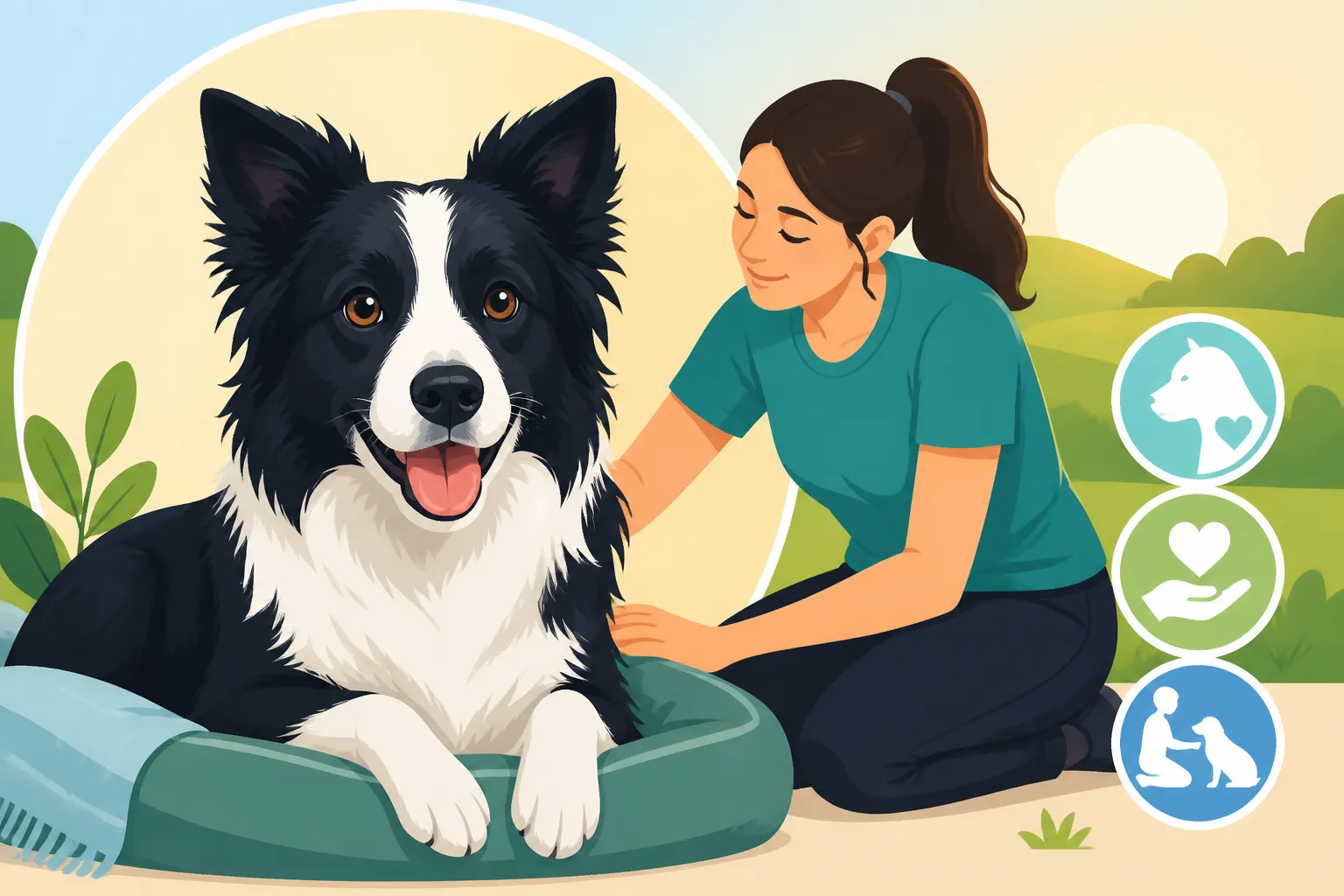
Fostering a Border Collie Through Rehabilitation
Fostering a Border Collie who needs rehabilitation can feel like signing up for an emotional marathon where the finish line keeps moving. You're opening your home and heart to a dog who might carry the weight of past neglect, misunderstanding, or even trauma, and helping them rediscover trust and joy. This guide aims to walk you through the realities, challenges, and immense rewards of fostering a Border Collie on their journey to healing and finding their forever home.
Understanding the "Why" Behind Rehabilitation Fostering
When a Border Collie finds itself in a rescue or shelter system needing rehabilitation, it’s rarely because they’re inherently "bad" dogs. More often than not, their circumstances are a heartbreaking testament to human misunderstanding or neglect of their breed-specific needs. As a foster parent, understanding this underlying "why" is your first step towards empathy and effective rehabilitation.
The Common Backstory of a Border Collie in Need
Many Border Collies land in rescue because their unique blend of high intelligence and boundless energy was simply too much for their previous owners. People fall in love with their bright eyes and stunning athleticism, only to discover that a Border Collie isn't content with just a few walks around the block. Without proper mental stimulation and a job to do, this brilliant breed can quickly become bored, anxious, and destructive. Imagine a super-computer being asked to do nothing but run a calculator; it's going to find other ways to occupy its processing power, and those ways aren't always pleasant for the humans involved.
Often, these dogs haven't been taught appropriate coping mechanisms for typical household stressors, or they've missed critical socialization windows as puppies. This can lead to a dog who is fearful of strangers, reactive to other dogs, or overwhelmed by common sounds and sights. It's not a fault in their character, but a gap in their early life experiences. You might find yourself with a dog that constantly paces, barks at shadows, or compulsively chases reflections—all signs of an understimulated or anxious mind trying to cope. It's a sad reality that many families who loved their Border Collie just couldn't keep up with their demands, leading to the difficult decision to rehome them. We've seen countless stories of people having to make that tough call, as discussed in Rehoming the Border Collie a Family Could Not Keep Up With.
The Specific Challenges of Border Collie Rehabilitation
Rehabilitating a Border Collie presents a unique set of challenges precisely because of their remarkable traits. Their immense intelligence, while a blessing for training, can be a double-edged sword when it comes to breaking bad habits. They learn everything quickly, including the things you don't want them to do. A Border Collie can become adept at manipulating situations or developing intricate avoidance behaviors if not handled with clear, consistent guidance. They don't forget easily, so past negative experiences can be deeply ingrained.
Their sensitivity also plays a huge role. These dogs are finely tuned to their environment and the emotions of the people around them. A harsh word, an inconsistent command, or an unexpected change in routine can be far more impactful on a Border Collie than on some other breeds. This means you, as the foster, need to be hyper-aware of your own demeanor and create an atmosphere of calm predictability. Their high drive, so desirable in a working or sport setting, can manifest as obsessive behaviors in a home environment if not channeled correctly. Instead of herding sheep, they might attempt to herd children, other pets, or even the vacuum cleaner. Many individuals find themselves in a bind because they didn't fully grasp this aspect, as highlighted in Why People Choose a Border Collie and Then Struggle. It's crucial to acknowledge that their "misbehavior" is often a cry for help or a symptom of unmet needs, rather than defiance.
Setting Up for Success: Your Home and Mindset
Bringing a Border Collie in need of rehabilitation into your home is a huge undertaking. Success hinges not just on the dog's willingness to learn, but on the environment you create and the mental state you bring to the process. It's about building a foundation of trust and predictability, both for the dog and for your own well-being.
Creating a Safe and Structured Environment
The first and most critical step is to ensure your home is a safe haven. For a Border Collie, especially one who may have never known consistent boundaries, this means thinking beyond basic puppy-proofing. You'll need secure containment, whether that's a sturdy crate that becomes their personal sanctuary or a dedicated room that can be safely gated off. Remember, many Border Collies are escape artists and can find their way over, under, or through surprisingly challenging barriers. If you have a yard, assessing its security is paramount; a Border Collie can scale fences you'd swear were insurmountable. It's not uncommon to need to reinforce or raise your outdoor barriers, as detailed in Fencing a Yard a Border Collie Cannot Leave.
Beyond physical security, structure is your best friend. Border Collies thrive on routine. Predictable meal times, potty breaks, training sessions, and rest periods help them understand what's expected and reduce anxiety. Designate a specific "safe space" for your foster, like a crate in a quiet corner, where they can retreat when overwhelmed. This isn't a punishment, but a place of peace. Always ensure they have fresh water and a comfortable bed. Consistency in rules is also vital; if they're not allowed on the sofa, then never allow them on the sofa. Every family member needs to be on the same page from day one. This level of intentionality lays the groundwork for them to feel secure enough to begin rehabilitation.
The Mental Preparation for a Foster Parent
Before your foster dog even walks through the door, you need to prepare yourself mentally. This journey requires an almost endless well of patience. Progress will likely not be linear; there will be setbacks, moments of frustration, and days where you feel like you've taken two steps backward for every one forward. It’s important to remember that this isn't a reflection on you or the dog, but simply part of the healing process. Empathy is equally crucial; try to see the world from their perspective, understand that their fear-based behaviors aren't malice, but survival mechanisms.
Cultivating a thick skin will serve you well. You might face judgment from others who don't understand the challenges, or you might feel disappointed when your efforts don't yield immediate results. Celebrate the tiniest victories: a moment of calm, a relaxed sigh, a gentle nudge for affection. These small wins are monumental for a dog learning to trust. It's also vital to guard against burnout. Fostering a high-needs Border Collie is emotionally and physically demanding. Don't hesitate to lean on your rescue organization for support, connect with other foster parents, or schedule time for your own self-care. It's okay to feel overwhelmed, and it's essential to reach out before you reach your breaking point.
The Rehabilitation Journey: Initial Steps and Ongoing Care
Once your foster Border Collie is settled in, the real work of rehabilitation begins. This isn't about rushing them into a perfect pet, but slowly, gently guiding them towards a place of balance and confidence. It's a marathon, not a sprint, and every step, no matter how small, is significant.
Initial Assessment and Establishing Trust
When a new foster arrives, it’s often recommended to implement a "2-week shutdown" period. This isn't a rigid rule, but a guiding principle to give the dog space and time to decompress. Avoid overwhelming them with new experiences, people, or other pets. Keep interactions low-key and predictable. The goal here is observation without judgment. Watch how they interact with their environment, what startles them, what relaxes them, and how they respond to your presence. This initial observation period is invaluable for tailoring your rehabilitation plan.
Establishing trust is paramount and it's a slow burn. Border Collies are smart; they'll quickly pick up on inconsistencies. Start with gentle, consistent interactions. Hand-feeding can be a powerful tool, creating a positive association with you as the provider of valuable resources. Speak in a calm, soothing voice. Avoid direct, prolonged eye contact initially if they seem fearful, as this can be perceived as a threat. Instead, turn slightly sideways, offering a less confrontational posture. Allow them to approach you on their terms. When they do, reward them with quiet praise or a gentle treat. These initial weeks are about showing them that you are a reliable, safe presence in their new, confusing world. Building this bond is the bedrock upon which all future training and healing will rest.
Implementing a Training and Enrichment Plan
Once some initial trust is established, you can begin to introduce a structured training and enrichment plan. For a Border Collie, this means much more than just physical exercise. Their minds need to be worked as rigorously as their bodies. Start with basic obedience: "sit," "stay," "down," and a reliable recall are foundational. Focus on positive reinforcement, making training sessions fun and rewarding. Teach them to settle on a mat, which can be an incredibly useful tool for impulse control and creating an "off-switch," a concept explored further in Teaching a Border Collie to Stay on Its Bed.
Mental stimulation is crucial for a Border Collie. This can include puzzle feeders, scent work, or learning new tricks. Activities like those described in Scentwork for a Border Collie Between Trial Seasons can be fantastic for building confidence and channeling their incredible noses. Think about rotating toys regularly to keep them novel and engaging. For physical exercise, tailor it to their individual needs and health. While Border Collies are known for needing a lot of activity, a dog recovering from trauma might need slower, more controlled exercise initially. Over-exercising an anxious dog can sometimes exacerbate their stress. Focus on quality over quantity and gradually increase activity as they gain confidence and fitness, as discussed in Exercise, Work and What Actually Settles a Border Collie. Don't be afraid to seek professional guidance from a certified professional dog trainer or veterinary behaviorist; they can provide invaluable insight and personalized strategies. Many online retailers, like Chewy, offer a vast selection of appropriate puzzle toys and specialized diets that can support both their physical and mental well-being during this phase.
Managing Common Behavioral Issues
You’re likely to encounter a range of behavioral issues with a rehabilitating Border Collie, and it’s important to approach each with understanding and a systematic plan. Nipping or mouthiness, for example, is common in young or undersocialized Border Collies who might have learned to use their mouths to interact with the world or to "herd" people. Instead of punishment, redirect this behavior to appropriate chew toys and teach bite inhibition. Resource guarding, where a dog protects food, toys, or even space, can be a serious issue. This requires careful management, often involving desensitization and counter-conditioning under the guidance of a professional. Never challenge a resource guarder directly.
Anxiety is another frequent challenge. This could manifest as separation anxiety when left alone, noise sensitivity to fireworks or thunderstorms, as detailed in Noise Fear in a Border Collie, or general nervousness in new situations. For separation anxiety, a gradual desensitization program and teaching independent calm behavior are key. For noise sensitivity, creating a safe den, using white noise, and possibly working with a vet on medication can help. Reactivity to other dogs, strangers, or moving objects (cars, bikes) often stems from fear or overstimulation. This requires controlled exposure at a distance where the dog can remain calm, gradually decreasing that distance over time. For high-value training rewards that can really capture a Border Collie's attention and motivate them through these tough issues, consider fresh, human-grade food options like those offered by Ollie, which can make a significant difference in their engagement and progress. Remember, consistency and patience are your best allies in helping these intelligent, sensitive dogs overcome their past experiences.
Health Considerations and Veterinary Care
Beyond the behavioral and emotional aspects, the physical health of your foster Border Collie is a crucial component of their rehabilitation. A dog that feels unwell or is in pain cannot truly thrive or engage fully in training. A thorough veterinary assessment is one of your first priorities.
Initial Vet Check and Addressing Underlying Issues
As soon as possible after your foster Border Collie arrives, schedule a comprehensive veterinary check-up. Even if the rescue organization provides some records, a fresh pair of eyes and a full examination are invaluable. Your vet will conduct a thorough physical, likely recommend bloodwork to check organ function and screen for any underlying health issues that might be contributing to behavioral problems. They'll also ensure your foster is up-to-date on vaccinations and parasite control. This initial check-up is a non-negotiable step in any foster journey, much like the routine outlined in The Annual Exam a Border Collie Needs.
It's not uncommon for rescued Border Collies to have untreated injuries, dental issues, or chronic conditions that have gone unnoticed or unaddressed. They might have old sprains, hidden pain from an accident, or even issues like ear infections that can significantly impact their mood and behavior. For example, persistent pain can make a dog grumpy, reactive, or withdrawn. Discuss any observed physical quirks or symptoms with your vet, no matter how minor they seem. Addressing these physical ailments provides immense relief to the dog and allows them to participate more fully in their emotional and behavioral rehabilitation. Getting a rescued Border Collie fully vetted is a fundamental part of the fostering agreement, and knowing that your foster comes with a clean bill of health or a clear treatment plan is peace of mind, as explored in Whether a Rescued Border Collie Comes Vetted.
Nutritional Support for Recovery and Behavior
A high-quality diet is fundamental to a Border Collie's overall health and can play a surprisingly significant role in their recovery and behavior. Many rescued dogs arrive underweight, with dull coats, or suffering from digestive issues due to poor nutrition in their past. Your vet can help you choose a food that is appropriate for their age, activity level, and any specific health needs. Look for foods with quality protein sources and healthy fats. Sometimes, a gradual transition to a new food is best to avoid upsetting their stomach.
Beyond basic nutrition, certain supplements can be beneficial. Omega-3 fatty acids, found in fish oil, are known for their anti-inflammatory properties and can support brain health, potentially aiding in cognitive function and managing anxiety. Probiotics can help restore gut health, which is increasingly linked to overall well-being and even mood. Always discuss any supplements with your vet to ensure they are appropriate and won't interact with any medications your foster might be on. Keeping your Border Collie at a healthy weight is also important; while it might be tempting to overfeed an underweight rescue, gradual, steady weight gain is healthier. As you consider the long-term health and potential costs for your foster's future family, researching pet insurance options like Healthy Paws can be helpful, offering peace of mind for their next chapter by potentially covering future medical needs.
Navigating the Emotional Rollercoaster of Fostering
Fostering a Border Collie in rehabilitation is an incredibly emotional experience. You'll witness profound transformations, but you'll also face moments of deep challenge and, ultimately, the bittersweet goodbye. Understanding and preparing for this emotional journey is just as important as the practical aspects.
The Joys and Heartbreaks of Watching Them Transform
There is truly nothing quite like witnessing a scared, shut-down Border Collie slowly begin to unfurl. The first wag of a tentative tail, the soft nudge for affection, the sudden burst of playful energy – these are the moments that make all the hard work worthwhile. You'll see their eyes, once clouded with fear or confusion, light up with understanding and trust. Helping a dog heal and learn to love life again is one of the most fulfilling experiences a person can have. It's an immense privilege to be part of their journey, to teach them that the world isn't such a scary place after all. These moments of breakthrough are the fuel that keeps foster parents going.
However, the path isn't always smooth. You'll inevitably face days of regression where old behaviors resurface, making you question if you're making any progress at all. There might be moments of frustration, sadness, or even despair. You'll grow deeply attached to this animal you've poured your heart and soul into. The love you develop for them is real, and that attachment can bring its own heartbreak. It's easy to fall in love with these intelligent, sensitive dogs. Sometimes, this intense bond leads to a "foster failure," where you decide you simply cannot part with them and they become a permanent member of your family! This emotional connection is a testament to the special bond that forms, but it also means that saying goodbye will be incredibly difficult.
Preparing for Adoption and Saying Goodbye
The ultimate goal of fostering is to help your Border Collie find their forever home. As they progress in their rehabilitation, you’ll work closely with the rescue organization to gather comprehensive information about their personality, training needs, quirks, and preferences. You'll be the best advocate for your foster, helping the rescue match them with the perfect family. Your detailed observations about their temperament, their triggers, their favorite games, and what truly makes them happy are invaluable. This information helps the rescue screen potential adopters thoroughly, often involving home visits and extensive applications, similar to the rigorous process of What a Border Collie Rescue Charges and Screens For.
Preparing for adoption also means preparing yourself for the inevitable goodbye. It's a bittersweet moment, filled with pride for how far they've come and sadness at their departure. It helps to focus on the bigger picture: you've opened a space for them to heal, and now you're opening that space again for another dog in need. Many foster parents find closure by receiving updates from the adoptive families, seeing their former foster thriving in their new life. It’s also crucial to acknowledge the emotional toll it takes and allow yourself to grieve. Then, when you're ready, the cycle can begin anew, offering a lifeline to the next deserving Border Collie, knowing that rescues are often full of dogs waiting for a chance, as highlighted in Why Border Collie Rescues Are Full of Teenagers. Each dog you help paves the way for another, and that ripple effect is the true legacy of a foster parent.
Disclaimer
This article is for general informational purposes only and does not constitute professional advice. Laws, prices and regulations vary by location and change over time. Consult a qualified professional for guidance on your specific situation.