Herding Lessons and Clinic Prices for a Border Collie
Many Border Collie owners, myself included, have felt that undeniable tug—the inherent drive in our dogs that says, "I need a job!" But figuring out how to channel that intense instinct, especially into something as specialized as herding, can feel like stepping into a whole new world. You might wonder where to even begin, what kind of instruction is available, and frankly, what it's all going to cost. This guide is here to demystify the process of finding and affording herding lessons and clinics for your Border Collie, helping you navigate the options and understand the investment.
Understanding the Value of Herding Lessons
Bringing a Border Collie into your life means acknowledging a deeply ingrained heritage. These dogs weren't just bred for intelligence; they were bred to work stock, a task that requires a unique blend of instinct, intelligence, and a partnership with a human handler. Herding lessons aren't just about training; they're about fulfilling a fundamental aspect of your dog's being.
Tapping into Natural Instincts
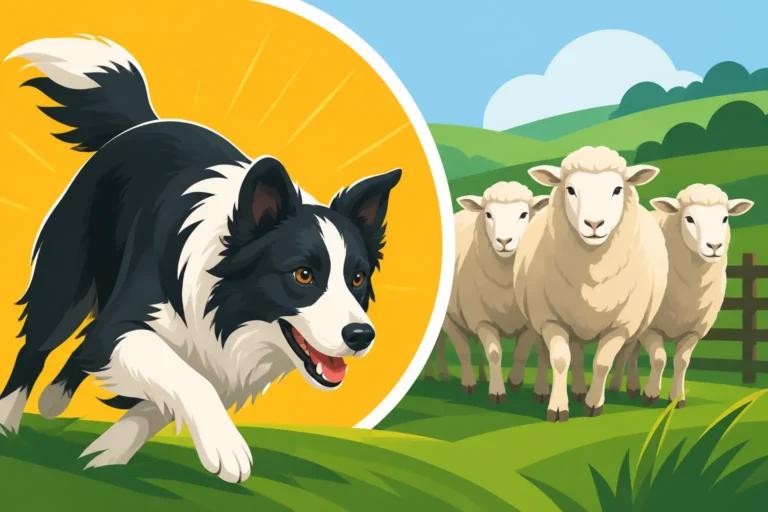
For a Border Collie, herding isn't a trick; it's a calling. When you see that intense "eye" lock onto sheep, or watch them naturally gather and move a small flock, you're witnessing generations of selective breeding at play. Ignoring or suppressing this instinct can lead to frustration for your dog and, often, behavioral issues around the house. They might start "herding" your children, the cat, or even the vacuum cleaner, simply because their innate drive needs an outlet.
Providing a structured environment to explore these instincts allows your Border Collies to truly be themselves. It’s not about turning every pet Border Collie into a champion sheepdog, but rather about offering a legitimate and appropriate channel for their hardwired behaviors. This engagement can lead to a much calmer, happier, and more fulfilled dog at home, as their primary mental and physical needs are being met in a deeply satisfying way. It's a profound experience for both dog and handler to see this ancient partnership come alive.
Building a Stronger Partnership
Herding work is a masterclass in communication and trust between a dog and its handler. Unlike many other dog sports where the dog might be working away from the handler, herding demands constant communication, subtle cues, and an understanding that goes beyond spoken words. You learn to read your dog's body language in ways you never thought possible, anticipating their moves and guiding their instincts.
This intense focus and collaboration create an incredibly strong bond. Your Border Collie learns that you are their partner in this complex dance, the one who understands their drive and helps them succeed. This translates back into daily life, making your dog more attuned to your commands, more eager to please, and generally more responsive. It's not just about teaching a Border Collie the herding commands; it's about forging an unbreakable connection based on mutual respect and understanding.
Preventing Unwanted Herding Behaviors
Without a proper outlet, a Border Collie's strong herding instinct can manifest in ways that are inconvenient, frustrating, or even problematic in a household setting. Nipping at heels, circling people or other pets, incessant barking at moving objects, or even chasing cars are all common expressions of an unchanneled herding drive. These aren't signs of a "bad" dog; they're signs of a Border Collie trying to do its job in an inappropriate context.
Herding lessons provide a safe, controlled environment where these behaviors can be directed towards actual livestock, under expert guidance. This redirection teaches your dog what is and isn't acceptable to herd, often mitigating or even eliminating those frustrating household habits. Instead of constantly telling your dog "no" for doing what comes naturally, you're providing a "yes" through constructive work. It gives them a purpose that makes all the difference in their daily demeanor and your ability to live harmoniously together.
Types of Herding Instruction Available
The world of herding lessons is wonderfully varied, catering to dogs and handlers at all stages, from complete novices to seasoned competitors. Understanding the different options available will help you choose the right starting point and progression for you and your Border Collie.
Instinct Tests and Introductory Sessions
For many Border Collie owners, the journey into herding begins with an instinct test or a single introductory session. These are designed to evaluate whether your dog possesses the innate herding drive, which, while common in Border Collies, isn't present in every individual, or at least not at a workable level. During an instinct test, your dog is typically introduced to a small, calm group of sheep or ducks in an enclosed pen, under the watchful eye of an experienced instructor. The instructor observes how your dog reacts, looking for signs of eye, gathering, and movement.
These sessions are often shorter, perhaps 15-30 minutes of actual working time, and focus purely on assessing and gently encouraging the dog's natural abilities without formal commands. They are fantastic for gauging your Border Collie's interest and drive before committing to more extensive training. It's also an excellent way for you, the handler, to see your dog in their element and get a taste of what herding entails, often sparking a deeper passion for the sport.
Group Lessons and Weekly Classes
Once your Border Collie has shown a desire to work stock, the next logical step is often enrolling in weekly group lessons or classes. These are structured, ongoing sessions where several dog-and-handler teams work individually or in small groups under an instructor. Group lessons are usually more affordable than private sessions and offer the benefit of learning from observing other teams, as well as the camaraderie of fellow herding enthusiasts.
These classes will typically introduce basic commands like "come bye" and "away to me", teaching your Border Collie the fundamental directions for moving stock. They'll also focus on handler positioning, reading sheep, and developing a steady, controlled approach. While the exact structure varies, you can expect to spend anywhere from 30 minutes to an hour per session, with your dog getting several short turns on stock. Consistency is key here, as you and your dog build muscle memory and understanding over weeks and months. You'll learn to move your Border Collie from voice to whistle as you progress.
Advanced Clinics and Private Coaching
For those serious about competing, refining specific skills, or troubleshooting persistent issues, advanced clinics and private coaching become invaluable. Clinics are typically intensive, multi-day events, often hosted by renowned national or international handlers and judges. They provide focused instruction on specific aspects of herding, such as outruns, fetches, or shedding, and offer a chance to learn from the best in the field. The format often includes demonstrations, individual working sessions with personalized feedback, and sometimes even classroom-style discussions.
Private coaching, on the other hand, offers one-on-one attention from an instructor, tailored specifically to your dog's needs and your goals. This can be particularly beneficial for addressing specific behavioral quirks, overcoming training plateaus, or preparing for trials. While more expensive than group lessons, the personalized feedback and dedicated working time can accelerate progress significantly. Both clinics and private coaching represent a deeper dive into the nuances of herding, pushing both dog and handler to a higher level of performance and understanding.
Factors Influencing Herding Lesson and Clinic Costs
The price tag on herding instruction isn't uniform; it fluctuates based on several key variables. Understanding these factors will help you anticipate the investment and choose options that align with your budget and goals.
Instructor Experience and Reputation
Just like any specialized skill, the expertise of your instructor plays a significant role in determining the cost of herding lessons. Highly experienced trainers, particularly those who have successfully competed at advanced levels or produced champion dogs, command higher fees. Their reputation is built on years, often decades, of working with Border Collies and understanding the subtle nuances of stock behavior and dog psychology. They possess the ability to quickly diagnose issues, provide precise feedback, and guide both handler and dog through complex challenges.
While it might be tempting to opt for the cheapest instruction, investing in a reputable instructor can save you time, frustration, and potentially even money in the long run. Good instruction helps you avoid ingrained bad habits and ensures your Border Collie develops correct foundations from the start. Newer or less experienced instructors may offer lower rates, which can be a great entry point, but always seek recommendations and observe their teaching style before committing.
Location and Facility Quality
Where you live and the quality of the training facility itself also heavily influence costs. Herding venues require significant acreage, proper fencing, shelters for livestock, and often specialized equipment. Facilities that are well-maintained, offer excellent stock, and are easily accessible tend to have higher overheads, which are then reflected in lesson prices. Urban or suburban areas, where land is more expensive, will naturally see higher lesson costs compared to rural areas with abundant farmland.
Furthermore, some facilities might offer amenities like covered arenas for all-weather training, climate-controlled spaces, or even lodging options for handlers attending multi-day clinics. These added comforts and conveniences will, of course, increase the cost. Consider the trade-off between a basic, no-frills setup and a more comprehensive facility, weighing it against your willingness to travel and your personal comfort needs.
Sheep/Stock Availability and Management
This is perhaps the most unique cost factor in herding: the sheep or other livestock themselves. Unlike obedience or agility, you can't herd without animals. The cost of maintaining a healthy flock, including feed, veterinary care, shearing, and pasture management, is substantial. Instructors must ensure their stock is "dog-broke"—meaning they are accustomed to being worked by dogs and are neither overly flighty nor aggressive. Calm, sensible sheep are crucial for teaching young dogs and new handlers.
Some facilities may own their own flocks, while others lease or transport sheep specifically for lessons and clinics. The number of sheep available, their temperament, and the care they receive all contribute to the overall operational costs of a herding program. When you pay for a herding lesson, a portion of that fee invariably goes towards the care and maintenance of the livestock, making it a critical component of the pricing structure.
Typical Price Ranges for Herding Lessons and Clinics
Getting a clear picture of costs can be tricky because of all the variables, but we can outline some general ranges to help you budget for your Border Collie's herding education. Remember, these are estimates, and prices can vary widely based on region, instructor, and facility.
Breakdown of Instinct Test Costs
The instinct test is usually the most affordable entry point into herding, designed to be a low-commitment way to see if your Border Collie has the drive. Prices for these initial evaluations are typically a flat fee for a short session.
| Type of Session | Typical Duration (Dog on Stock) | Estimated Price Range | What's Included |
|---|---|---|---|
| Instinct Test | 15-30 minutes | $40 – $100 | Introduction to stock, observation, basic feedback |
| Introductory Lesson | 30-45 minutes | $60 – $150 | Initial assessment, basic guidance, brief working turns |
These prices usually cover the instructor's time, the use of the facility, and the sheep for the designated period. It’s a great way to dip your toes in without a huge financial commitment. If you're wondering if your Border Collie truly has the eye, an instinct test is the way to go. It's often encouraged to ensure you're not investing in full lessons for a dog that simply isn't interested in herding.
Weekly Group Lesson and Private Session Pricing
Once past the instinct stage, ongoing training typically involves either group lessons or private sessions, each with different price points. Group lessons offer a more communal learning experience, while private sessions provide individualized attention.
Weekly group lessons often run on a per-session or package basis. A single group session might cost anywhere from $45 to $80 per dog, with packages of 4-6 lessons sometimes offering a slight discount. These lessons usually last 1-1.5 hours total, with each dog getting multiple shorter turns on stock. It's a fantastic way to learn from watching others and build consistent skills.
Private lessons, as you might expect, are more expensive due to the undivided attention of the instructor. You could expect to pay $75 to $150 per hour for a private session. While pricier, the intensity and tailored instruction can be highly efficient for making rapid progress or addressing specific issues. Many handlers choose a mix, supplementing group classes with occasional private sessions to hone particular skills.
Weekend Clinic and Workshop Fees
For a deeper, more intensive dive into herding, weekend clinics and workshops are popular. These typically span one to three days and attract handlers from a wider geographical area. The cost for these events reflects the extended time, the expertise of the clinician (often a national-level competitor), and sometimes includes meals or facility amenities.
A one-day clinic might range from $150 to $300, while a two or three-day clinic could be anywhere from $300 to $700 or more for a "working spot" (where you actively participate with your dog). "Auditing spots" (observing without your dog) are usually much cheaper, often $50-$100 per day, and are an excellent way to learn if working spots are full or out of budget. These clinics are fantastic for immersive learning, networking with other handlers, and gaining new perspectives on training. Just remember to factor in potential travel and accommodation costs, especially if the clinic is far from home.
Making Herding Instruction Affordable and Accessible
The costs associated with herding can add up, but there are definitely ways to make this rewarding pursuit more accessible without compromising the quality of training for your Border Collie.
Local Club Memberships and Volunteer Opportunities
One of the best ways to reduce costs and immerse yourself in the herding community is by joining local herding clubs. Many clubs offer discounted lesson rates or clinic fees for members. Beyond the financial savings, membership provides invaluable networking opportunities, allowing you to connect with experienced handlers who can offer advice, mentorship, and even carpooling to lessons or trials.
Furthermore, many clubs rely on volunteers to help with maintenance, set-up, tear-down, and even running practice days. Offering your time and skills can sometimes lead to reduced fees or even free working spots in clinics. It's a win-win: you contribute to the community, gain experience around sheep, and save money on training. This kind of hands-on involvement also helps you understand the operational side of a herding facility.
Exploring Scholarship or Grant Programs
While not as common as in some other canine sports, it's worth inquiring if any local or national herding organizations offer scholarships or grants for new handlers or those demonstrating financial need. These programs are rare but do exist, often supported by dedicated individuals or foundations committed to preserving and promoting the working Border Collie.
You might also find some instructors who offer pro bono work or reduced rates for individuals who show exceptional dedication or potential but face financial constraints. It never hurts to ask, respectfully, about possibilities. While not a guaranteed solution, being proactive and showing your passion for the sport and your dog can sometimes open unexpected doors.
DIY Herding Drills and Resources
While nothing replaces actual time on stock with an experienced instructor, there are things you can do at home to prepare your Border Collie for herding lessons or to supplement formal training. Resources like books, DVDs, and online tutorials from reputable handlers can teach you about basic sheep behavior, dog positioning, and foundational commands. You can practice "flanking" exercises (circling in a controlled manner) using large exercise balls or even strategically placed cones in your yard.
These "dry land" drills help build your Border Collie's understanding of directionals and their spatial awareness, without the added complexity of live animals. Just be cautious: without expert guidance, it’s easy to inadvertently teach bad habits or let your dog get into prey drive instead of herding drive. Always prioritize professional instruction when working with actual livestock to ensure safety for both your dog and the animals. For more ideas on constructive mental work, check out our guide on Mental Work That Tires a Border Collie Faster.
Beyond the Lessons: Ongoing Herding Costs
Herding lessons are a significant investment, but they're often just one part of the overall financial commitment for a Border Collie handler. There are other ongoing costs to consider, especially if you plan to compete or dedicate a significant portion of your life to the sport.
Travel and Accommodation Expenses
Unless you're lucky enough to live next door to a top-tier herding facility, you'll likely incur travel expenses. This includes fuel costs for regular lessons, and potentially much more for out-of-town clinics or trials. Many dedicated handlers travel several hours, or even across states, for quality instruction or competition opportunities.
For multi-day events, you'll also need to budget for accommodation. This could mean hotels (finding dog-friendly ones can be a challenge), camping at the trial site, or even renting an RV. These costs can quickly add up and sometimes overshadow the actual lesson or entry fees. Planning ahead, carpooling with other handlers, and looking for affordable lodging options can help manage these expenses.
Equipment and Gear for Herding
While herding doesn't require a huge array of specialized equipment, there are some essentials beyond your standard leash and collar. A good long line or training line is indispensable for safety and control, especially in early lessons or when working in larger fields. A quality herding whistle is also a must-have for communicating with your Border Collie at a distance, and you might want to try different types to find one that suits you. For handlers looking to delve deeper, a well-fitting, sturdy slip lead or an extra long lead that is easy to manage is key.
You might also consider appropriate attire for yourself, as herding often involves being outdoors in all weather, sometimes on rough terrain. Durable boots, weather-appropriate clothing, and perhaps a good hat are practical investments. Though not strictly "herding equipment," it’s important to have a comfortable and secure crate for your Border Collie, especially if traveling to events. Many handlers rely on tough, escape-proof crates for their energetic dogs. For more on general Border Collie expenses, you might find our article on The Annual Border Collie Budget Nobody Plans For helpful.
Health and Wellness for a Working Border Collie
A Border Collie engaged in regular herding work is an athlete, and their health and fitness are paramount. The physical demands of herding—running, stopping, turning sharply, and covering varied terrain—can put stress on their joints, muscles, and overall conditioning. Regular veterinary check-ups are crucial, as are preventative measures against common issues like lameness or injuries. Understanding Hip and Elbow Scores in a Border Collie is also vital for ensuring your dog has a solid foundation for such demanding work.
Consider investing in high-quality dog food tailored for active dogs, which provides the necessary calories and nutrients for sustained energy and recovery. Brands like Ollie offer customized meal plans that can be beneficial for high-energy breeds. Supplements for joint health, like glucosamine or fish oil, might also be recommended by your vet. Additionally, pet insurance from providers such as Healthy Paws can be a wise investment to help cover unexpected veterinary costs, especially for potential sport injuries a Border Collie picks up. Regular grooming, especially for rough-coated Border Collies, is also important to prevent matting and keep their coat healthy when working outdoors. You can often find many of these health and wellness products, from specialized food to grooming tools, on platforms like Chewy.
Disclaimer
This article is for general informational purposes only and does not constitute professional advice. Laws, prices and regulations vary by location and change over time. Consult a qualified professional for guidance on your specific situation.