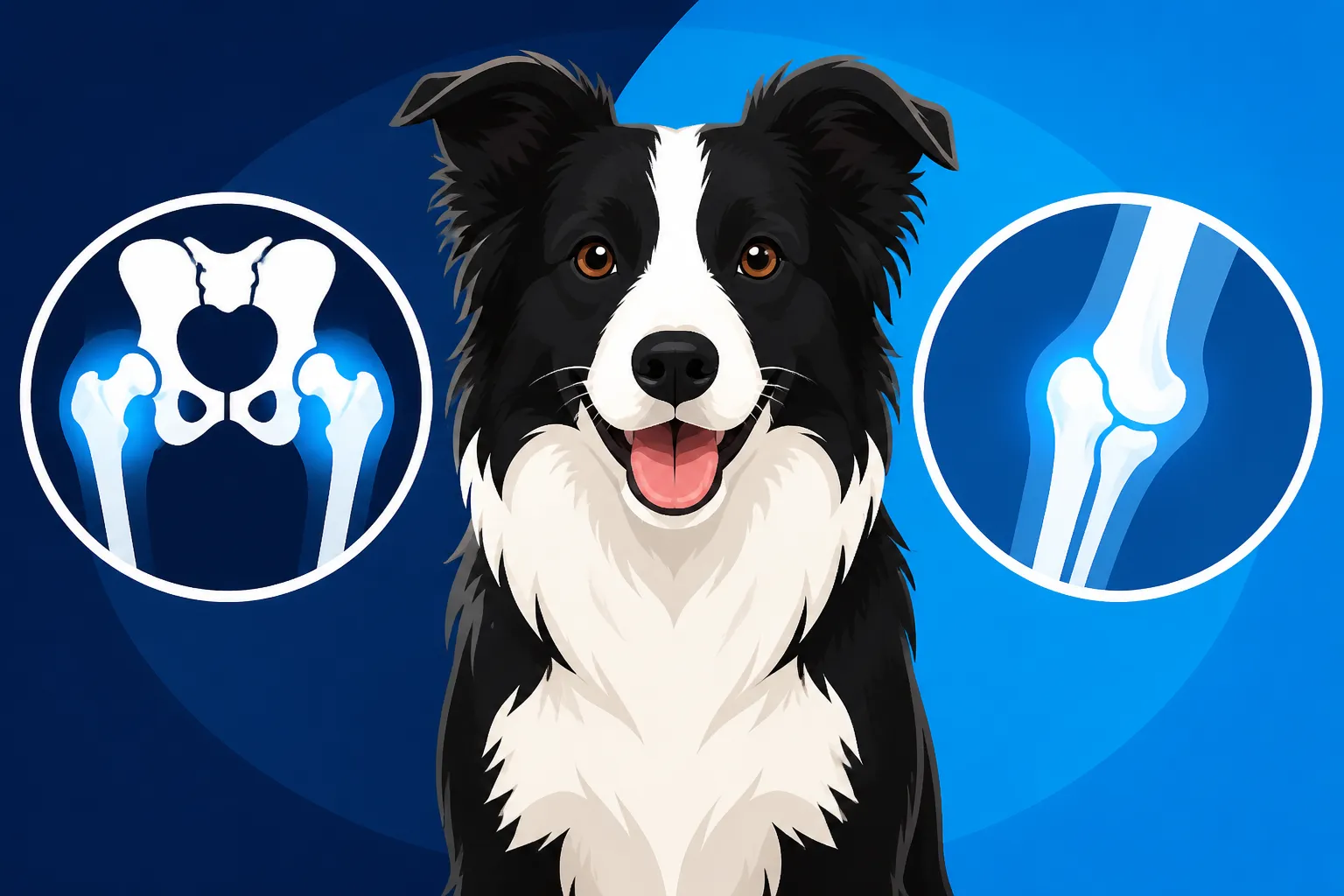
Hip and Elbow Scores in a Border Collie
It's incredibly disheartening when you bring home a vibrant, energetic Border Collie, full of promise and boundless enthusiasm, only to start worrying about their physical health, especially their joints. The fear of hip or elbow dysplasia can cast a long shadow over the joy of owning such an active breed. This comprehensive guide aims to demystify hip and elbow scoring, helping you understand what these evaluations mean, why they're crucial, and how to navigate the results for your beloved companion.
Understanding Hip Dysplasia in Border Collies
Hip dysplasia is a fancy term for a condition where the hip joint doesn't develop properly. Instead of a smooth, snug fit between the ball (femoral head) and socket (acetabulum), you end up with a loose or malformed joint. For a breed like the Border Collie, known for its incredible athleticism, agility, and stamina, this isn't just a minor inconvenience; it can be a debilitating problem that impacts their quality of life significantly, sometimes even cutting short their working careers.
Imagine your dog's hip joint as a perfectly engineered ball-and-socket mechanism, designed for fluid movement and weight bearing. In a dysplastic hip, this mechanism is flawed. The ball might be too shallow, the socket too flat, or both can be mismatched, leading to excessive movement within the joint. This abnormal movement causes wear and tear, eventually leading to painful inflammation, cartilage degradation, and the development of osteoarthritis. It’s a progressive disease, meaning it tends to get worse over time, particularly without intervention.
The frustration for many Border Collie owners stems from the fact that it's often a genetic predisposition, yet environmental factors also play a huge role. You might do everything "right" – feed a high-quality diet, provide appropriate exercise – and still find yourself facing this challenge. It’s not your fault, but understanding the underlying causes and how to identify it early is paramount to managing the condition effectively. Early detection through scoring can provide invaluable insight into your dog's potential future.
The Genetic Component of Hip Dysplasia
When we talk about the genetic component of hip dysplasia, it's important to understand it's not a simple "yes or no" gene. It's considered a polygenic trait, meaning multiple genes contribute to its expression, and the inheritance pattern is complex. This is why even a dog from seemingly clear parents can still develop hip dysplasia, though the risk is significantly lower. Breeders who are truly dedicated to the health of the breed will meticulously research pedigrees, not just looking at immediate parents but also grandparents and even further back, to understand the prevalence of hip dysplasia in a particular line. They're striving to stack the genetic deck in favor of healthy hips.
This complex genetic puzzle is why responsible breeders place so much emphasis on hip scoring. They’re trying to breed away from this predisposition, selecting individuals with the best possible hip scores to reduce the chances of passing on genes that contribute to poor hip conformation. It’s a long game, requiring consistent effort over generations. For a detailed look at how this impacts daily life, you might find our article on Hip Dysplasia in a Border Collie That Runs All Day particularly insightful.
While genetics load the gun, environment pulls the trigger. Factors like rapid growth, excessive weight, and inappropriate exercise during puppyhood can exacerbate a genetic predisposition. For instance, too much high-impact activity like jumping or running long distances on hard surfaces before a Border Collie's growth plates have closed can significantly increase the risk of developing symptoms, even in dogs with decent genetic potential. It's a cruel irony that the very activities Border Collies are bred for can be detrimental if introduced too soon or too intensely.
Environmental Factors and Hip Health
Beyond genetics, the environment your Border Collie grows up in, particularly during their critical puppy and adolescent phases, can profoundly influence their hip development. Think about a rapidly growing Border Collie puppy – those growth plates in their bones are delicate, actively changing, and highly susceptible to injury or abnormal development if overloaded. High-impact activities such as repetitive fetching, intense agility training, or extended runs on pavement before they are fully mature (typically around 12-18 months) can put undue stress on developing joints. This can lead to micro-traumas or even significant damage that contributes to hip dysplasia, even in a puppy with a good genetic foundation.
Nutrition also plays a crucial role. Overfeeding a puppy, leading to rapid weight gain, can put excessive strain on their developing skeletal system. It’s like trying to build a sturdy house too quickly with weak materials – the foundation just isn’t ready for the load. A balanced diet, appropriate for a large, active breed, that supports steady, not explosive, growth is key. Consult your vet or a canine nutritionist for guidance on feeding schedules and appropriate calorie intake. Slow and steady wins the race when it comes to puppy growth, allowing bones and joints to mature at a healthy pace.
Furthermore, slippery surfaces can be detrimental. Imagine a young, gangly Border Collie puppy trying to run on hardwood floors or tile. Their legs splay, and their joints twist and turn awkwardly, repeatedly stressing the ligaments and soft tissues around the hip joint. Providing traction, such as rugs or runners, especially in high-traffic areas, can significantly reduce this risk. Every little bit of proactive care adds up to support lifelong joint health for your athletic companion.
Understanding Elbow Dysplasia
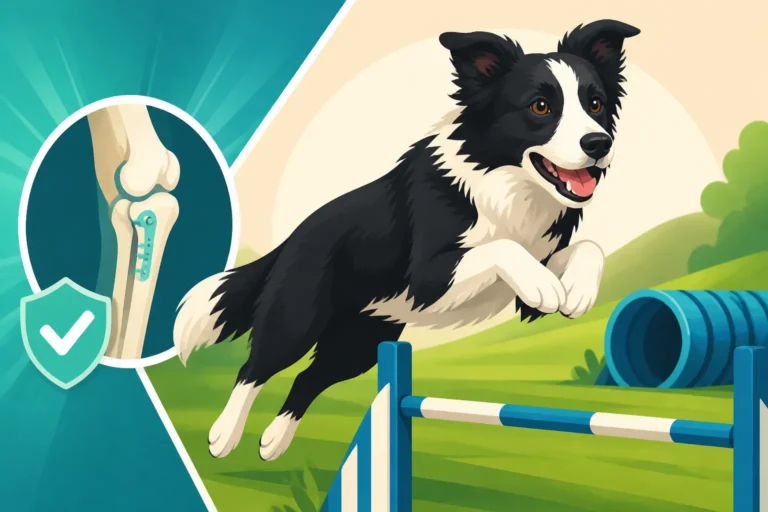
Elbow dysplasia, much like hip dysplasia, is another painful and potentially debilitating inherited condition that affects the proper development of the elbow joint. It's not a single disease but rather a collective term for several developmental abnormalities that can occur within the elbow, including fragmented medial coronoid process (FCP), ununited anconeal process (UAP), osteochondrosis (OCD), and elbow incongruity. All of these conditions lead to an abnormal fit and function of the elbow joint, causing pain, lameness, and ultimately, degenerative joint disease (osteoarthritis).
For a Border Collie, whose very essence often involves rapid direction changes, jumping, weaving, and quick stops, healthy elbows are non-negotiable. An issue in the elbow can quickly sideline them from sports, working sheep, or even comfortable daily walks. It’s heartbreaking to see a dog that lives to move, suddenly reluctant to jump into the car or struggling with stairs due to elbow pain. Like hip dysplasia, it’s primarily genetic, but environmental factors during growth can worsen its expression.
The discomfort from elbow dysplasia often becomes apparent earlier than hip dysplasia, sometimes as early as 4-7 months of age, manifesting as a subtle lameness that might come and go, or a reluctance to put full weight on a limb. This intermittent nature can be incredibly frustrating for owners who know something is wrong but can't quite pinpoint it. It often progresses, and by the time definitive signs of limping are consistently present, significant damage may have already occurred. This is why early screening, even if just for peace of mind, is so important for any Border Collie.
Types of Elbow Dysplasia
The term "elbow dysplasia" is truly an umbrella, covering a few distinct developmental issues that all lead to problems in that complex joint. One of the most common forms is Fragmented Medial Coronoid Process (FCP). Here, a small piece of bone or cartilage on the inner part of the ulna (one of the forearm bones) breaks off, irritating the joint lining and cartilage. This fragment can float free or remain partially attached, causing pain and further damage. It's like having a pebble in your shoe that constantly rubs and causes irritation.
Another form is Osteochondrosis Dissecans (OCD). This occurs when the cartilage on the end of the humerus (the upper arm bone) doesn't mature properly. A flap of cartilage can separate from the underlying bone, again causing inflammation and pain. Imagine the smooth, shock-absorbing surface of a skateboard wheel starting to peel – it's going to make for a very bumpy and uncomfortable ride. Both FCP and OCD are common culprits behind the lameness observed in young, rapidly growing Border Collies, and they often lead to secondary osteoarthritis if left untreated.
Finally, we have Ununited Anconeal Process (UAP) and Elbow Incongruity. UAP involves a small bone projection on the ulna (the anconeal process) failing to fuse properly with the rest of the bone during development. This leads to instability. Elbow incongruity means the bones forming the joint don't fit together perfectly, causing abnormal pressure distribution and wear. While less common in Border Collies than FCP or OCD, they can still contribute to elbow pain. All these conditions, regardless of their specific presentation, lead to a compromised joint and often require careful management to ensure a good quality of life for your active companion. You can read more about these issues in our article, Elbow Dysplasia and the Border Collie Forelimb.
Impact on a Working or Active Border Collie
For a Border Collie, whether they're weaving through an agility course, driving a flock of sheep, or simply tearing across a park after a frisbee, their elbows are under constant, intense pressure. These dogs thrive on motion, on sudden bursts of speed, quick pivots, and powerful jumps. Every single one of these actions puts tremendous strain on their forelimbs and, specifically, their elbow joints. When those elbows are dysplastic, it's not just discomfort; it's a fundamental limitation that can prevent them from performing the activities they were bred for and that bring them so much joy.
The impact can be devastating. A dog with even mild elbow dysplasia might develop a subtle lameness after exercise, a stiffness upon waking, or a reluctance to bear weight on the affected limb. For a working dog, this could mean losing their ability to work livestock efficiently, impacting their livelihood and their handler's. For a sport dog, it could mean the end of a promising career, or at least significant modifications to their training and competition schedule. The intense repetitive movements inherent in dog sports like agility, flyball, or disc can quickly exacerbate an underlying elbow issue, leading to chronic pain and significant arthritis.
Beyond organized activities, even the joy of a vigorous off-leash run can become fraught with pain. Owners often face the heartbreaking dilemma of wanting to let their Border Collie be a Border Collie, knowing how much they love to move, but also fearing the inevitable flare-ups of pain that follow. It's a constant balancing act between mental stimulation and physical limitation. Recognizing these impacts early, ideally through screening, allows for proactive management and can extend a dog's comfortable activity years significantly.
The Hip and Elbow Scoring Process
Getting your Border Collie hip and elbow scored is a crucial step for responsible breeding and often for owners who want to understand their dog's predispositions. It's a process that involves specialized X-rays taken under sedation, which are then evaluated by a panel of expert veterinarians. The sedation is key – it allows the dog to be positioned perfectly, ensuring the X-rays are diagnostic and comfortable for your dog, who won't be experiencing any pain or stress during the procedure. This isn't just a casual vet visit; it requires careful planning and a veterinary team experienced in orthopedic radiography.
The age at which these scores are typically performed is also important. For official evaluations through organizations like the Orthopedic Foundation for Animals (OFA) in the US, dogs must be at least 24 months old. This is because skeletal maturity isn't reached until around that age; before then, growth plates are still open, and joints are still developing, which can skew the results. Some programs, like PennHIP, allow for earlier evaluation, even as young as 16 weeks, which can provide an early indicator, though a full OFA certification still requires the 24-month minimum. Knowing when to schedule these evaluations is part of responsible dog ownership.
While the procedure itself is relatively quick once the dog is sedated, the evaluation and reporting process can take several weeks, depending on the organization. This waiting period can be agonizing for owners and breeders alike, as the results hold significant implications for breeding decisions, future health management, and even insurance considerations. Many owners will consider pet insurance providers like Healthy Paws, which can offer coverage for unexpected issues, though it’s vital to understand policy details, especially regarding pre-existing conditions if a diagnosis is made.
Choosing a Scoring Organization: OFA vs. BVA/PennHIP
When it comes to hip and elbow scoring, you'll encounter a few different reputable organizations, primarily the Orthopedic Foundation for Animals (OFA) in North America, and the British Veterinary Association (BVA) in the UK. PennHIP is another option for hip evaluation, often used earlier in a dog's life. Each system has its nuances, and breeders often choose based on their location, lineage goals, and personal preferences.
The OFA system grades hips on a seven-point scale, ranging from Excellent to Severe. An "Excellent" rating means the hips are nearly perfect, with deep sockets and a tight fit. "Good" and "Fair" are still considered passing grades for breeding purposes, indicating minor deviations but still functionally sound hips. "Borderline" is self-explanatory, suggesting mild changes that aren't quite dysplastic but not optimal. Anything graded "Mild," "Moderate," or "Severe" indicates dysplasia. For elbows, the OFA system is simpler: either "Normal" or graded 1, 2, or 3, with 3 being the most severe dysplasia. Understanding What an OFA Hip Grade Means for a Border Collie is a key part of interpreting these results.
In contrast, the BVA system in the UK assigns a numerical score to each hip, ranging from 0 to 53, with a lower score being better. The total hip score is the sum of both hips, ranging from 0 to 106. The mean score for the breed is often used as a benchmark; breeders aim for scores significantly below the breed average. For elbows, the BVA score ranges from 0 (normal) to 3 (most severe) for each elbow. PennHIP, on the other hand, measures hip laxity quantitatively, providing a distraction index (DI) that indicates how loose the hip joint is. A lower DI is better. It's not a grade but a measurement, and it can be done earlier in a dog's life, which is a significant advantage for breeders.
| Scoring System | Condition Evaluated | Age for Evaluation | Scoring Method | Breeding Recommendations (General) |
|---|---|---|---|---|
| OFA (Orthopedic Foundation for Animals) | Hips & Elbows | 24 months+ | Hips: Excellent, Good, Fair (Pass); Borderline, Mild, Moderate, Severe (Fail). Elbows: Normal, Grade 1, 2, 3. | Breed only "Fair" or better for Hips; "Normal" for Elbows. |
| BVA (British Veterinary Association) | Hips & Elbows | 12 months+ (Official for Hips 1 year+, Elbows 1 year+) | Hips: Numerical score 0-53 per hip, total 0-106 (lower is better). Elbows: Numerical score 0-3 per elbow. | Aim for total hip score below breed median; Elbows 0. |
| PennHIP | Hips Only | 16 weeks+ | Distraction Index (DI) measurement (lower DI = tighter hips). | Breed dogs with DIs tighter than the breed average. |
The X-Ray Procedure
The X-ray procedure for hip and elbow scoring is a precise veterinary process designed to get the clearest possible images of the joints. It all starts with sedation, which is crucial for several reasons. Firstly, it ensures your Border Collie is completely relaxed and still, allowing the veterinary technician or veterinarian to position their legs and hips in the exact, specific angles required for diagnostic quality X-rays. Without sedation, muscle tension and involuntary movements could obscure the joint spaces or lead to inaccurate positioning, rendering the X-rays unusable for official scoring.
Secondly, sedation eliminates any potential pain or discomfort. Manipulating the hips into the extended position required for OFA hip evaluations, or the specific flexed and extended views for BVA elbows, can be uncomfortable if a dog has underlying joint issues. Sedation ensures a stress-free experience for your dog. Your vet will conduct a thorough physical exam and possibly blood work beforehand to ensure your Border Collie is a good candidate for sedation, tailoring the anesthetic protocol to their individual needs.
Once sedated, your dog will be carefully positioned on the X-ray table. For hip X-rays, this often involves placing them on their back with their hind legs extended straight back and parallel to each other, with the femurs rotated internally. For elbows, multiple views are typically taken, including flexed and extended lateral views, and often a craniocaudal view. These precise positions allow the veterinarians evaluating the X-rays to assess the integrity of the joints, the depth of the hip sockets, the congruity of the elbow bones, and the presence of any degenerative changes. It’s a highly standardized process to ensure consistency and accuracy across all evaluations.
Interpreting the Scores and What They Mean
Once the scores are back, whether from OFA, BVA, or PennHIP, understanding what those numbers and grades truly signify is the next hurdle. It's not just about a simple pass or fail; it's about evaluating risk, understanding genetic predispositions, and making informed decisions for your individual dog, especially if they are part of a breeding program. A "Fair" OFA hip score, for example, is still considered within normal limits and generally acceptable for breeding, but it might prompt a breeder to seek a mate with "Good" or "Excellent" hips to further improve the offspring's chances.
For Border Collies, which are genetically predisposed to various health conditions, these scores provide invaluable data. They help paint a clearer picture of your dog's orthopedic health profile. However, it's essential to remember that these scores are a snapshot in time and represent phenotypic expression (what the dog currently presents), not necessarily their entire genetic load. A dog with excellent hips can still carry genes for dysplasia, and a dog with less-than-perfect scores might be sound for life. This is why looking at parent and sibling scores, known as progeny testing, and the overall health of the entire line, is so important for breeders.
Beyond breeding, these scores also have implications for pet owners. Knowing your dog's scores can help you tailor their exercise regimen, manage their weight more carefully, and be proactive about potential joint support supplements or therapies. It provides peace of mind or, if scores are less than ideal, a roadmap for preventative care. For instance, an owner of a dog with "Borderline" hips might be extra vigilant about avoiding excessive impact activities and consider starting joint supplements earlier to mitigate future issues.
What an OFA Hip Grade Reveals
The Orthopedic Foundation for Animals (OFA) hip grades are perhaps the most widely recognized system in North America, and they tell a detailed story about your Border Collie's hip joint conformation. When your dog receives an "Excellent" grade, it signifies near-perfect hips: exceptionally tight hip joints, minimal joint laxity, and deep, well-formed hip sockets (acetabula) that fully encompass the femoral head (ball). This is the gold standard that breeders strive for, indicating a very low risk of developing hip dysplasia.
"Good" and "Fair" are also considered passing grades and acceptable for breeding by OFA. A "Good" hip demonstrates slightly less perfect conformation than "Excellent" but still has a well-formed hip joint with good congruity and minimal laxity. "Fair" hips will show some minor irregularities, such as slightly shallower sockets or a small degree of laxity, but are still deemed functionally sound. While "Fair" is still passing, a conscientious breeder might consider pairing a "Fair" dog with a mate that has "Good" or "Excellent" hips to continue improving the quality of their lines.
However, if your Border Collie receives a grade of "Borderline," "Mild," "Moderate," or "Severe," this indicates a potential or definite issue with hip dysplasia. "Borderline" suggests there are some suspicious changes, but they aren't definitive enough for a diagnosis of dysplasia at the time of evaluation. The recommendation is often to re-X-ray in 6-12 months. "Mild," "Moderate," and "Severe" indicate progressive stages of hip dysplasia, with "Severe" meaning significant hip joint laxity, shallow sockets, and often noticeable degenerative changes. These dogs are generally not recommended for breeding, and require careful management of their activity and often early intervention to maintain comfort and mobility.
Interpreting OFA Elbow Scores
Unlike the multi-tiered grading system for hips, OFA elbow scoring is a bit more straightforward, categorizing elbows as either "Normal" or assigned a grade from 1 to 3. A "Normal" score is, of course, what every owner and breeder hopes for. It means the elbow joints are congruent, with no evidence of osteochondrosis, fragmented coronoid processes, ununited anconeal processes, or any other signs of degenerative joint disease. Essentially, the elbows are structurally sound and healthy, indicating a low risk of developing elbow dysplasia based on the X-rays.
An elbow graded "Grade 1" indicates mild elbow dysplasia. This might manifest as minimal bone changes, slight incongruity, or early signs of osteoarthritic changes. While considered mild, it's still a departure from normal and signifies a higher risk for future discomfort or lameness, especially in an active Border Collie. Many breeders will opt not to breed a Grade 1 elbow, or at least be very cautious and pair them with a mate with excellent elbow history and scores.
"Grade 2" and "Grade 3" indicate moderate to severe elbow dysplasia, respectively. In these cases, the X-rays reveal more significant bone changes, joint incongruity, or advanced degenerative joint disease. Dogs with these scores are almost always suffering from pain and lameness to varying degrees, and are strongly recommended not to be bred. For an active Border Collie, these grades can mean a life of chronic pain and potentially require surgical intervention and ongoing medical management to maintain their quality of life. The goal of screening is to identify these issues and prevent them from being passed on through breeding lines, ensuring a healthier future for the breed.
BVA and PennHIP Scores: What's the Difference?
While OFA is widely used in North America, the British Veterinary Association (BVA) scoring system is the standard in the UK and used by many international breeders who import dogs from British lines. The BVA hip scoring system uses a numerical scale, which can sometimes be confusing if you're used to OFA's letter grades. Each hip is scored individually on nine different criteria, such as subluxation, osteophytes, and remodeling. Each criterion gets a score from 0 to 6, with 0 being normal and 6 being severe. These individual scores are added up for each hip, giving a score between 0 and 53 per hip. The total hip score is the sum of both hips, ranging from 0 to 106. A lower score is better, indicating less evidence of hip dysplasia. Breeders often aim for a total score well below the current breed average to help improve the genetic pool.
For elbow scoring, the BVA system is quite similar to OFA's grading, though it also uses a numerical scale. Each elbow is scored individually from 0 to 3, with 0 being normal and 3 being the most severe degree of elbow dysplasia. Again, a lower score is better, and ideally, a breeding dog should have a score of 0 for both elbows. If a dog scores higher than 0, it indicates the presence of elbow dysplasia.
PennHIP, on the other hand, is a completely different approach to hip evaluation. Instead of simply looking at existing changes or conformation, PennHIP quantitatively measures hip laxity – how loose the hip joint is. This measurement is called the Distraction Index (DI). A dog is X-rayed in a way that allows the vet to precisely measure how much the femoral head can be distracted (pulled away) from the acetabulum. The DI is expressed as a number between 0 and 1, where 0 indicates no laxity (a perfectly tight hip) and 1 indicates extreme laxity. A lower DI signifies tighter hips, which are less likely to develop hip dysplasia. A key advantage of PennHIP is that it can be performed on puppies as young as 16 weeks, offering an early prediction of hip health, allowing breeders to make earlier decisions and pet owners to be proactive.
Beyond the Scores: Management and Prevention
Receiving hip and elbow scores for your Border Collie is just the beginning of the journey. Whether your dog has stellar scores or some concerning findings, proactive management and preventative measures are essential for ensuring a long, comfortable, and active life. Remember, a good score isn't a guarantee against future issues, and a less-than-perfect score doesn't doom your dog to a life of pain. It's all about how you interpret the information and adapt your care.
One of the most critical aspects of management, regardless of scores, is maintaining a lean body condition. Every extra pound your Border Collie carries puts additional stress on their joints, accelerating wear and tear. This is especially true for an active breed that's constantly running, jumping, and pivoting. Work with your veterinarian to establish an ideal weight range for your dog and stick to a feeding plan that supports it. Regular veterinary check-ups are also non-negotiable, allowing your vet to monitor joint health, catch any subtle changes early, and recommend appropriate interventions.
Furthermore, a carefully managed exercise routine is paramount. For puppies, this means avoiding high-impact, repetitive activities until their growth plates have closed. For adults, it's about finding a balance between challenging their boundless energy and protecting their joints. Swimming, for example, is an excellent low-impact exercise that builds muscle without stressing joints. Consider supplementing with joint support products – many veterinarians recommend glucosamine, chondroitin, and omega-3 fatty acids for their anti-inflammatory and cartilage-supporting benefits. These steps, taken consistently, can make a world of difference in your Border Collie's long-term joint health.
Appropriate Exercise Regimen
Creating an appropriate exercise regimen for your Border Collie, especially one with known joint predispositions, is a delicate balancing act. These dogs are built for activity, and denying them adequate mental and physical stimulation can lead to behavioral issues and unhappiness. However, uncontrolled or inappropriate exercise can quickly exacerbate joint problems. For puppies, the general rule of thumb is to limit structured exercise to about five minutes per month of age, twice a day. So, a four-month-old puppy might get two 20-minute sessions of walking or light play, but definitely no forced long runs, excessive jumping, or repetitive high-impact activities like endless frisbee fetching. Their growth plates are still open, making them highly vulnerable to injury.
As they mature, around 12-18 months, when growth plates have typically closed, you can gradually increase the intensity and duration of exercise. However, even for adult Border Collies, it's crucial to prioritize quality over quantity and avoid excessive wear and tear. Instead of two hours of non-stop fetch on pavement, consider varied activities that engage different muscle groups and provide mental stimulation. Scent work, trick training, short bursts of fetch on soft surfaces like grass, and swimming are fantastic options. Swimming is particularly excellent as it builds muscle and cardiovascular fitness with virtually no impact on joints. Long, leashed walks on varied terrain, allowing for sniffing and exploration, can also be mentally enriching without overstressing the body.
The key is to listen to your dog and observe them closely. Are they stiff after a certain activity? Are they reluctant to jump? Do they seem less enthusiastic about walks? These are all signs that you might need to adjust their routine. Always include warm-up and cool-down periods, just like a human athlete. A brisk five-minute walk before a more strenuous activity, and a slow walk afterwards, can help prepare muscles and joints and prevent stiffness. Remember, the goal is sustainable activity for their entire lifespan, not just intense bursts in their youth.
Nutritional Support and Weight Management
One of the simplest yet most impactful ways to protect your Border Collie's joints, regardless of their scores, is rigorous weight management. Every extra pound is a burden on their hips, elbows, and spine. Even a seemingly small amount of excess weight can significantly increase the stress on joints, accelerating the progression of arthritis and increasing pain. This is particularly crucial for a breed that lives for movement; you want them as lean and fit as possible. Work with your veterinarian to identify your dog's ideal body condition score and monitor it regularly. You should be able to easily feel your Border Collie's ribs without seeing them, and they should have a clear waist tuck when viewed from above.
Beyond just calorie control, specific nutritional support can play a vital role. Many owners and veterinarians advocate for joint supplements containing ingredients like glucosamine, chondroitin sulfate, and MSM. These compounds are believed to help maintain cartilage health, reduce inflammation, and support joint lubrication. While results can vary, many dogs experience noticeable benefits, especially when started preventatively or at the first sign of stiffness. Omega-3 fatty acids, particularly EPA and DHA found in fish oil, are also powerful natural anti-inflammatories that can help reduce joint pain and improve mobility.
When choosing a dog food, look for high-quality diets specifically formulated for large, active breeds. These often have carefully balanced calcium and phosphorus levels to support healthy bone growth, especially for puppies. Avoiding rapid growth in puppies by not overfeeding them is a cornerstone of preventing orthopedic issues. For adult dogs, consider foods that include joint-supporting ingredients as part of their formulation, or discuss with your vet whether adding specific supplements is beneficial for your Border Collie's individual needs. This holistic approach to nutrition and weight management is a powerful tool in supporting their joint health for years to come.
Early Detection and Veterinary Care
Even with the best breeding practices and preventative care, some Border Collies will still develop joint issues. This is where early detection and consistent veterinary care become absolutely critical. The sooner a problem is identified, the more options you have for intervention, often leading to better long-term outcomes and a higher quality of life for your dog. Don't dismiss subtle changes like a slight limp after exercise, stiffness upon rising, a reluctance to jump into the car, or a decrease in their usual boundless energy. These can all be early warning signs of joint discomfort.
Routine veterinary check-ups, ideally annually, are essential for monitoring overall health, including musculoskeletal integrity. Your vet can perform orthopedic examinations, checking range of motion, listening for crepitus (grating sounds in the joint), and assessing for pain responses. If they suspect an issue, further diagnostics such as X-rays might be recommended, even if your dog was previously scored clear. Conditions like Osteoarthritis in a Border Collie by Eight can develop with age, even in previously healthy joints.
Beyond regular check-ups, if your Border Collie has less-than-ideal scores or starts showing symptoms, don't hesitate to seek specialized care. A referral to a veterinary orthopedic specialist or a physical rehabilitation vet can open up a range of treatment options. These can include pain management medication, anti-inflammatory drugs, specialized diets, physical therapy (hydrotherapy, therapeutic exercises), laser therapy, acupuncture, and in some cases, surgical interventions like Total Hip Replacement (THR) or arthroscopic procedures for elbow issues. Having pet insurance, like a policy from Healthy Paws, can be incredibly beneficial in covering the potentially high costs associated with these advanced diagnostics and treatments, allowing you to prioritize your dog's health without financial stress.
Breeding Considerations
For serious Border Collie breeders, hip and elbow scores are not just recommendations; they are fundamental pillars of ethical and responsible breeding practices. The goal isn't merely to produce puppies, but to produce healthy, sound puppies that can thrive in their intended roles, whether as working dogs, sport competitors, or beloved family companions. Ignoring hip and elbow health in breeding decisions is a disservice to the breed and the future owners who will invest their hearts and resources into these dogs. It’s a commitment to improving the breed, generation by generation.
A truly responsible breeder will not only ensure their breeding stock has excellent hip and elbow scores but will also meticulously research the scores of the dog's parents, grandparents, and even great-grandparents. They look at the "big picture" of a pedigree, seeking lines that consistently produce healthy joints. They understand that while a single dog might score well, a history of dysplasia in its ancestors indicates a higher genetic risk. This deep dive into pedigree health is a hallmark of ethical breeding.
Furthermore, responsible breeders understand that health clearances are just one piece of the puzzle. They also consider temperament, working ability (for working lines), conformation, and overall health. They are transparent about their dogs' health testing results, readily sharing OFA, BVA, or PennHIP certificates with prospective puppy buyers. This transparency builds trust and empowers buyers to make informed decisions, giving them the best possible start with a healthy Border Collie puppy.
Ethical Breeding Practices
Ethical breeding practices in Border Collies extend far beyond simply pairing two dogs. When it comes to hip and elbow dysplasia, it means making truly informed decisions, even if it means benching a beautiful, talented dog if their scores or their progeny's scores suggest they carry too high a risk for these conditions. An ethical breeder understands that while individual beauty or talent is appealing, health and longevity for the entire breed must take precedence. This is why organizations like the OFA provide public databases where anyone can look up the health clearances of specific dogs, promoting transparency and accountability.
A cornerstone of ethical breeding is utilizing only dogs with passing hip and elbow scores. For OFA, this typically means a "Fair," "Good," or "Excellent" hip rating and "Normal" elbows. If using the BVA system, breeders aim for scores significantly below the breed mean for hips and a 0 for elbows. PennHIP allows for more nuance, encouraging breeders to select dogs whose distraction index (DI) is tighter than the breed average. By consistently breeding dogs with superior joint health, breeders collectively work to reduce the incidence of these debilitating conditions in future generations.
Beyond simply testing, ethical breeders also consider the statistical probability. They avoid pairing two dogs with "Fair" hips, even though both are technically passing, because the combined risk of producing offspring with lower scores or actual dysplasia increases. Instead, they might pair a "Fair" dog with an "Excellent" dog to try and pull up the overall quality. They also often screen for other genetic conditions prevalent in Border Collies, such as Collie Eye Anomaly in a Border Collie Puppy or Trapped Neutrophil Syndrome in Border Collie Litters, ensuring a comprehensive approach to health. It's a holistic commitment to the well-being of every puppy they bring into the world.
The Impact of Line Breeding and Outcrossing
Line breeding, which involves breeding related individuals (e.g., cousins, uncle to niece, grandparent to grandchild), is a technique some breeders use to concentrate desirable traits within their lines. The idea is to "set" certain characteristics, whether it's working style, temperament, or specific physical attributes. However, the double-edged sword of line breeding is that while it concentrates desirable genes, it also concentrates undesirable genes, including those contributing to conditions like hip and elbow dysplasia. If there’s a predisposition for joint issues within a particular family, line breeding can quickly bring those issues to the forefront, increasing the risk and severity in offspring.
This is why, for breeders who do engage in line breeding, meticulous health testing and an exhaustive knowledge of the health history of every ancestor are absolutely paramount. They need to be incredibly vigilant about the hip and elbow scores of all relatives, not just the immediate parents, to avoid inadvertently intensifying genetic weaknesses. The risk-reward ratio is high; while it can produce very consistent traits, it also holds the potential to significantly amplify genetic health problems if not done with extreme caution and a deep understanding of the lineage's health profile.
Outcrossing, on the other hand, involves breeding two unrelated individuals. This introduces genetic diversity, which can be a powerful tool for reducing the incidence of recessive genetic diseases and potentially diluting polygenic traits like hip and elbow dysplasia. By bringing in new, healthy bloodlines, a breeder can introduce genes that might improve joint conformation and reduce the overall genetic load for these conditions. Many breeders will strategically outcross every few generations to maintain genetic health and vigor within their lines. The choice between line breeding and outcrossing is a critical strategic decision for any breeder, and it directly impacts the orthopedic health of future Border Collie generations.
Living with a Border Collie with Joint Issues
Discovering your Border Collie has hip or elbow dysplasia can feel like a punch to the gut. The vision of your dog leaping and running without a care in the world suddenly feels distant, replaced by worries about pain, medication, and limitations. It's a perfectly valid feeling of frustration and sadness. However, a diagnosis of hip or elbow dysplasia is not an automatic sentence to a miserable life. With appropriate management, dedication, and often a team of veterinary professionals, many Border Collies with joint issues can still lead full, happy, and active lives, albeit sometimes with modifications.
The key to successfully living with a Border Collie with joint issues is a multi-faceted approach centered on pain management, joint support, and controlled exercise. This isn't a one-time fix; it's an ongoing commitment to their comfort and mobility. Your veterinary team, including your primary vet, possibly an orthopedic specialist, and a rehabilitation therapist, will become invaluable partners in this journey. They can help you craft a tailored plan that addresses your dog's specific needs and stage of the disease.
Remember that your Border Collie still possesses that incredible zest for life and intelligence. While physical activities might need adjustment, their need for mental stimulation remains as strong as ever. Puzzle toys, scent work, and trick training can provide immense enrichment without putting undue stress on their joints. This shift in focus, from purely physical exertion to a blend of physical and mental engagement, is crucial for keeping your Border Collie happy and fulfilled, even when their body isn't quite as cooperative as their mind.
Pain Management and Medication
For Border Collies diagnosed with hip or elbow dysplasia, particularly if they are experiencing discomfort or lameness, pain management and medication often become a central part of their daily care. The goal isn't just to mask the pain, but to reduce inflammation, slow the progression of arthritis, and improve their overall quality of life. Non-steroidal anti-inflammatory drugs (NSAIDs) are a cornerstone of this treatment, such as Carprofen (Rimadyl), Meloxicam (Metacam), or Galliprant. These medications work by reducing inflammation and alleviating pain, allowing your dog to move more comfortably. It's crucial to administer these under veterinary guidance, as long-term use requires monitoring for potential side effects, particularly on kidney and liver function.
Beyond NSAIDs, other pain relief options might be considered. Gabapentin, for instance, is often used as an adjunctive pain medication, particularly for neuropathic pain components, or when NSAIDs alone aren't sufficient. Amantadine is another medication that can be added to modulate chronic pain. For more severe cases, or when NSAIDs are not well-tolerated, your vet might discuss medications like Librela, a monoclonal antibody injection that targets nerve growth factor, offering a novel approach to osteoarthritis pain relief with generally fewer systemic side effects. It’s about finding the right combination that provides the most relief with the fewest adverse reactions.
It's important to remember that medication is often just one piece of the puzzle. It should ideally be combined with other supportive therapies like weight management, appropriate exercise, and joint supplements. Regular follow-ups with your veterinarian are critical to adjust dosages, switch medications if needed, and monitor your dog’s response and overall health. Managing a Border Collie's pain and keeping them comfortable is an ongoing, evolving process, but with dedicated care, you can help them maintain a good quality of life.
Physical Therapy and Rehabilitation
Physical therapy and rehabilitation have become indispensable tools for Border Collies living with hip and elbow dysplasia, offering non-surgical ways to improve comfort, strength, and mobility. Much like human physical therapy, canine rehab focuses on reducing pain, restoring range of motion, building supporting muscle mass, and improving overall function. This can be a game-changer for dogs that are struggling with chronic lameness or recovering from orthopedic surgery.
One of the most widely beneficial forms of physical therapy is hydrotherapy. This involves exercising your Border Collie in water, typically on an underwater treadmill or by swimming in a specialized pool. The buoyancy of the water significantly reduces the weight bearing on painful joints, allowing muscles to be strengthened without impact. It's incredible to see a dog that struggles to walk on land suddenly move with grace and power in the water. Hydrotherapy builds core strength, improves cardiovascular fitness, and maintains muscle mass, which is crucial for supporting compromised joints.
Beyond water-based therapies, canine rehabilitation specialists employ a range of techniques. These can include therapeutic exercises designed to target specific muscle groups, stretching to improve flexibility, massage to reduce muscle tension, laser therapy to promote healing and reduce inflammation, and even acupuncture for pain relief. A certified canine rehabilitation practitioner will assess your Border Collie's specific condition and develop a customized treatment plan. This dedicated physical intervention can often delay the need for surgery, improve post-surgical recovery, and significantly enhance a Border Collie's quality of life, allowing them to remain active and engaged for as long as possible.
Surgical Options and Prognosis
When conservative management, medication, and physical therapy are no longer sufficient to control pain or maintain an acceptable quality of life for a Border Collie with hip or elbow dysplasia, surgical intervention often becomes the next consideration. This can be a daunting prospect for owners, but advances in veterinary surgery have made several procedures highly successful in alleviating pain and restoring function.
For hip dysplasia, one of the most effective surgical options is a Total Hip Replacement (THR). This procedure involves replacing the diseased ball and socket with prosthetic components made of metal and plastic. THR can completely eliminate hip pain and restore excellent function, often allowing dogs to return to a very active lifestyle. It's a complex and costly surgery, but the success rate is very high. Another option, particularly for younger dogs with severe laxity but no significant arthritis, is a Triple Pelvic Osteotomy (TPO) or Juvenile Pubic Symphysiodesis (JPS), which aim to improve the congruity of the hip joint. For dogs with less severe issues or when THR isn't an option, a Femoral Head Ostectomy (FHO) can be performed, removing the femoral head and allowing a "false joint" to form, which can relieve pain though often results in some functional limitation.
Elbow dysplasia also has various surgical options, depending on the specific type and severity of the condition. Arthroscopy, a minimally invasive procedure, is often used to remove fragmented coronoid processes or OCD flaps, or to address ununited anconeal processes. This involves small incisions and a camera to visualize and repair the joint, leading to faster recovery times. In more severe cases of elbow incongruity or advanced arthritis, procedures like Proximal Abducting Ulna Osteotomy (PAUL) might be considered to realign the bones and reduce pressure points. The prognosis after surgery varies greatly depending on the specific procedure, the severity of the original condition, the age of the dog, and the commitment to post-operative rehabilitation. It's crucial to have a thorough discussion with a veterinary orthopedic specialist to understand all the options, potential outcomes, and recovery processes. The financial aspect of these surgeries can be significant, so having pet insurance, such as through Healthy Paws, can provide much-needed support for these complex procedures.
Disclaimer
The information provided in this article is for educational and informational purposes only and does not constitute veterinary advice. Always consult with a qualified veterinarian for any health concerns or before making any decisions about your Border Collie's health and treatment.