Shade and Rest Between a Border Collie’s Runs
It’s a sight every Border Collie owner knows well: your dog, eyes locked, body coiled, pushing hard, completely engrossed in the task at hand, whether it’s gathering stock, soaring over an agility jump, or chasing a disc. Their drive is incredible, a force of nature, but it often means they'll work until they drop, sometimes literally, without taking a moment for themselves. This relentless dedication can make managing their well-being in warmer weather or during intense sessions a real challenge, and ensuring adequate shade and rest between runs is absolutely paramount to prevent overheating and exhaustion. This guide is all about helping you understand why these breaks are so critical and how to implement them effectively to keep your hardworking companion healthy and happy.
Understanding the Border Collie's Drive and Heat Management
Border Collies are renowned for their boundless energy and unwavering focus, traits that make them exceptional working and sport dogs. However, these very qualities can make them vulnerable to overheating and overexertion, especially when they're so absorbed in their 'job' that they ignore their body's signals. It's not just about stopping them; it's about understanding why they need to stop and how to best facilitate that necessary downtime.
The Border Collie's Instinct to Keep Going
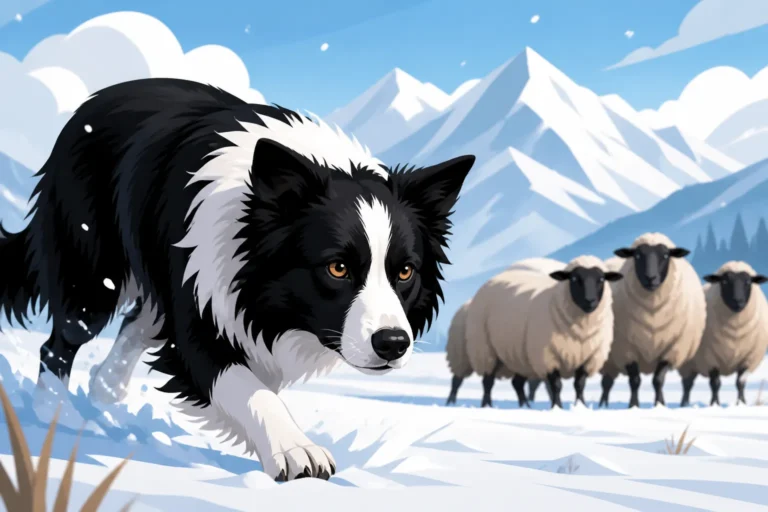
Imagine a Border Collie on a sheep farm, moving a flock across a vast field. Its ancestors were bred for hours of continuous, high-intensity work, often in challenging conditions. That deep-seated instinct to herd, to work, to do something is incredibly powerful. When you engage your Border Collie in any activity – whether it's herding sheep, running an agility course, or a vigorous game of fetch in the park – you're tapping into that primal drive. They see it as their purpose, their mission. This is why a Border Collie will often ignore discomfort, fatigue, or even pain to complete the task.
This isn't a flaw; it's a testament to their incredible spirit and genetic makeup. But it means that you, as their handler, must become their advocate for rest. They are unlikely to self-regulate when their adrenaline is pumping and their focus is locked on. They're not wired to think, "Maybe I should take a water break now," when there's a ball to catch or a cone to weave around. This is especially true for young, enthusiastic dogs, or those new to a particular sport, who might not yet have developed the self-awareness to pace themselves. Understanding this innate drive is the first step in creating a proactive strategy for their health and safety.
The Dangers of Overexertion and Overheating
The consequences of allowing a Border Collie to push too hard without adequate breaks can be severe. Overexertion can lead to muscle strains, joint injuries, and general fatigue that takes days to recover from. More critically, overheating is a very real and dangerous threat. Dogs don't sweat efficiently like humans do; they primarily cool themselves through panting. When the ambient temperature is high, or they're working intensely, panting alone may not be enough to dissipate body heat, leading to heat stroke.
Heat stroke is an emergency that can cause organ damage, neurological issues, and even death. It often presents with a range of symptoms, from excessive panting, drooling, and a dark red tongue, to stumbling, vomiting, diarrhea, and collapse. I've heard too many heartbreaking stories from handlers who saw their dog collapse suddenly after a strong run on a warm day. It's a stark reminder that what might seem like "just a little more" for your dog could have devastating consequences. Being vigilant about the signs of overheating and providing immediate intervention, including moving to shade and offering water, is crucial. If you're seeing a wobbling gait, for instance, it's already a serious sign that your dog needs immediate help, not just a casual break. You can read more about The Wobbling Gait a Collapsing Border Collie Shows for further information on this critical symptom.
Creating an Optimal Rest Environment
Providing a good rest environment isn't just about throwing a blanket under a tree. It requires forethought and equipping yourself with the right tools and strategies to ensure your Border Collie can truly recover and cool down. This is particularly important at trials or extended training sessions where conditions might not be ideal.
Identifying Ideal Shade Locations
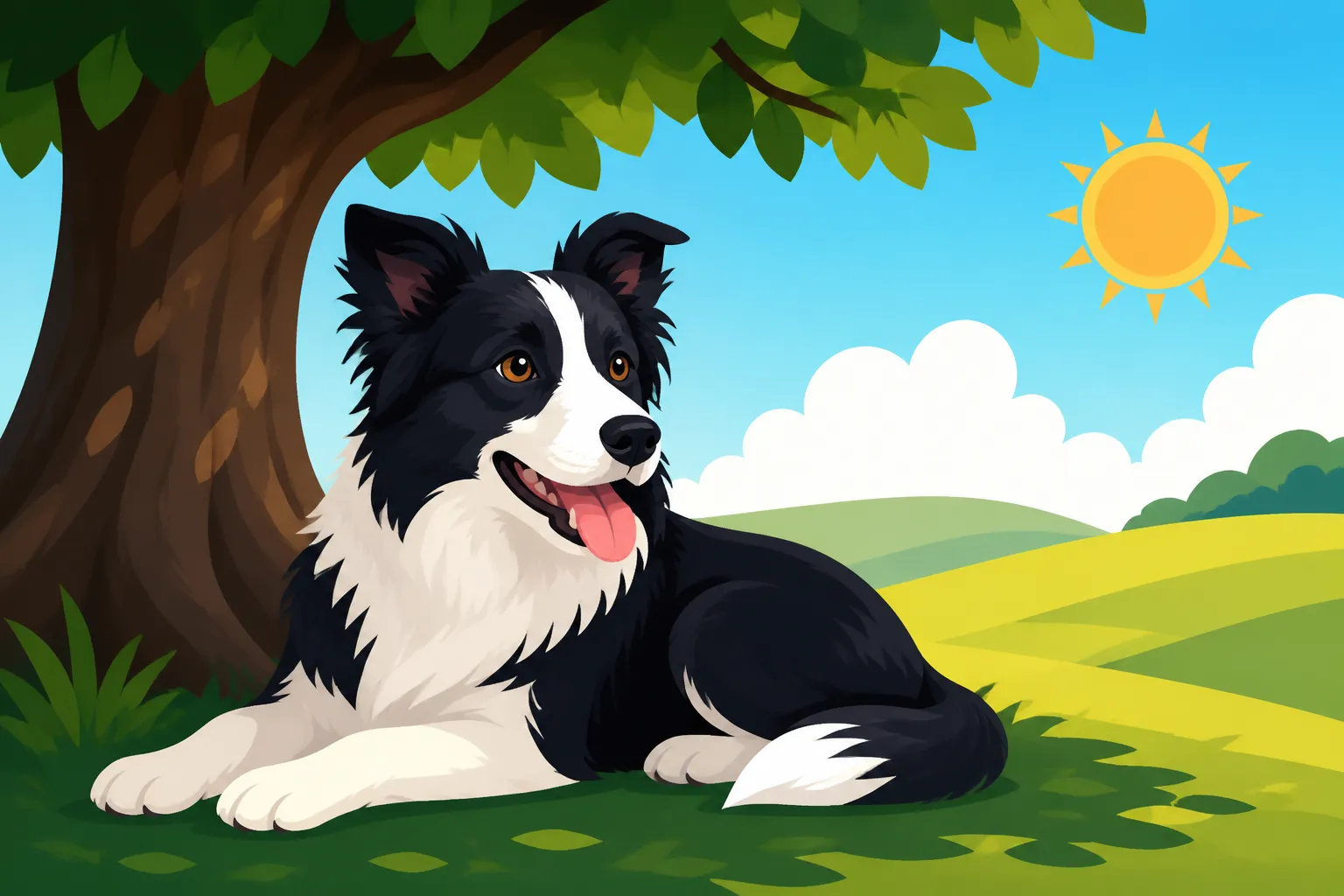
When you're out and about, whether at a trial, a park, or even just working in your own yard, the quality of shade makes a huge difference. Natural shade from large, dense trees is often best because it tends to be cooler and provides a wider area. However, natural shade isn't always available, or it might shift as the sun moves. In such cases, you need to bring your own. Pop-up canopies, large umbrellas, or even purpose-built dog tents can provide excellent protection. The key is to ensure the shade is complete and robust enough to block direct sunlight throughout the entire rest period.
Beyond just blocking the sun, consider the ground. Is it hot asphalt, or cooler grass or dirt? A hot surface will radiate heat upwards, making it harder for your dog to cool down. If the ground is hot, lay down a thick, reflective mat or even a damp towel to create a cooler spot. Position your shaded area away from reflective surfaces like parked cars or metal fences, which can radiate heat even if they aren't in direct sun. Think about airflow too; a breezy spot under a canopy is far better than a stagnant corner.
Essential Cooling Gear and Accessories
A range of products can assist your Border Collie in cooling down and staying comfortable during breaks. Cooling vests and bandanas, which you can wet and wring out, use evaporative cooling to draw heat away from the dog's body. These can be particularly effective on a hot day. There are also cooling mats that don't require water, using pressure-activated gels to provide a cool surface for your dog to lie on. For transport between runs, or even just as a designated rest spot, a well-ventilated crate with a portable fan can make a significant difference. Many handlers swear by small, battery-operated fans clipped to crates at ringside or on the sidelines of a trial field.
Don't forget the basics: a lightweight, comfortable bed or mat for them to settle on, which is also easy to clean. You can find a vast array of these items, from cooling beds to travel bowls and even portable misters, on sites like Chewy or Amazon. When selecting gear, always prioritize breathability and ease of use. A bulky, heavy vest might offer cooling, but if it restricts movement or traps heat when dry, it's counterproductive. Also, consider specialized performance foods from brands like Ollie if you're looking for optimal nutrition that supports recovery after intense activity.
The Importance of Hydration and Electrolytes
Water is non-negotiable. Your Border Collie needs constant access to fresh, cool water, especially during and after exercise. Have multiple water bowls available and offer water frequently, even if they don't seem immediately thirsty. Sometimes a dog won't drink if the water is too warm or if the bowl isn't easily accessible. Consider collapsible travel bowls that you can always have on hand.
| Cooling Method | Description | Best Use Case | Pros | Cons |
|---|---|---|---|---|
| Natural Tree Shade | Resting under large, dense trees. | Parks, fields, large yards, trials with ample trees. | Generally coolest, natural airflow, no equipment needed. | Availability can be limited, shade shifts with sun, unpredictable. |
| Pop-Up Canopy/Tent | Portable shelter with fabric roof. | Trials, outdoor events, backyard training. | Reliable, consistent shade; space for handler and dog; customizable. | Requires setup, can be bulky to transport, needs staking in wind. |
| Cooling Vest/Bandana | Fabric worn by dog, often soaked in water, uses evaporative cooling. | Between runs, during walks, light exercise in heat. | Direct cooling on dog, portable, relatively lightweight. | Needs re-wetting, can get dirty, effectiveness reduces as it dries. |
| Cooling Mat | Pressure-activated gel or water-filled mat for lying on. | Crate, car, designated rest area at home or trial. | Provides cool surface without water, no mess. | Can be heavy, dog may not use it, some dogs chew them. |
| Portable Fan | Battery-operated or plug-in fan directed at dog. | Inside crates, shaded areas, in vehicle. | Improves airflow, targeted cooling. | Battery life, can be noisy, only effective in conjunction with shade. |
| Electrolyte Supplements | Powders or liquids added to water to replenish lost minerals. | After intense work, in hot weather, dogs prone to dehydration. | Aids in rehydration, supports muscle function. | Some dogs dislike taste, dosage must be correct, not a substitute for water. |
For extended periods of work or very hot conditions, consider adding an electrolyte supplement to their water, but always consult your vet first. Electrolytes help replenish minerals lost through sweat (though dogs sweat much less than humans) and can aid in maintaining hydration. Just like human athletes, working dogs can benefit from careful electrolyte balance. Ensure any supplement you choose is canine-specific and follow the dosage instructions carefully. Don't assume that sports drinks meant for humans are suitable for dogs; they often contain ingredients that are harmful.
Implementing Strategic Rest Breaks
The goal isn't just to provide a place to rest, but to actively manage when and how your Border Collie rests. This takes practice and attentiveness, but it's a skill that will profoundly impact your dog's performance and longevity.
Reading Your Border Collie's Signals for Rest
One of the biggest challenges with Border Collies is that they often don't ask for a break. However, they do send subtle signals if you know what to look for. Early signs of fatigue or heat stress can include more frequent or exaggerated panting, a slight decrease in enthusiasm or speed, a less precise "outrun," or a noticeable slowing down in their gait. Their focus might waver slightly, or they might take a moment longer to respond to a command. You might notice their tongue starting to curl or become a darker red.
If your Border Collie begins to ignore commands, seems disoriented, or starts to stumble, those are urgent signs of severe heat stress and require immediate, serious intervention. Never push a dog through these symptoms. Learn your individual dog's baseline: how much panting is normal for them after a short burst of activity? How quickly do they recover? Any deviation from that baseline, especially in warm weather, should be a red flag. Pay attention to how quickly their breathing rate returns to normal after a brief pause. Slow recovery times indicate they're working too hard or are already too warm. Understanding these nuances is critical for proactive care, helping you know when to initiate rest even if your dog seems "fine." You might also find it useful to read about How Hot a Border Collie Gets After Ten Minutes to better understand their physiological response to exertion.
Structured Breaks Versus Self-Regulation
Given their relentless drive, relying on a Border Collie to self-regulate their rest is often a recipe for disaster. Instead, you need to implement structured, non-negotiable breaks. This means building pauses into your training sessions, agility runs, or herding work. For instance, after two or three agility sequences, bring your dog to their shaded area for a five to ten-minute break. Don't just stand around in the sun with them; move them to a cool spot, offer water, and encourage them to lie down.
During these breaks, avoid engaging them in intense play or further training. The goal is true rest, both physical and mental. This might mean gently massaging their muscles, offering a quiet chew toy (if they're interested), or simply letting them decompress. If you're working with stock, perhaps move them into a calm holding pen away from the sheep. For a dog that's truly driven, even a few minutes of complete detachment from the "job" can make a huge difference in their ability to recover and perform optimally in the next session. This also teaches them that breaks are part of the routine, not just something that happens when they've pushed too far.
The Art of Active Recovery
While complete rest is essential, sometimes a gentle, active recovery can also be beneficial, especially after very intense, short bursts of work. Active recovery involves light movement that helps to flush lactic acid from the muscles and keep blood flowing, without further taxing the body. This could be a slow, leashed walk in the shade, rather than immediately crating them. Think of it as a cool-down for their body and mind.
For example, after a high-energy agility run, instead of going straight into the crate, take a leisurely stroll around the perimeter of the field for a few minutes. Let them sniff the ground, take a few deep breaths, and mentally disengage. This transition period allows their heart rate to come down gradually and their muscles to start relaxing before they settle into a deeper rest. Pair this with consistent water offerings. The key is gentle movement – no more running, jumping, or sharp turns. It's about easing their system back into a resting state, rather than an abrupt stop, which can sometimes lead to stiffness or delayed recovery.
Beyond the Immediate Run: Post-Activity Care and Long-Term Wellness
Ensuring your Border Collie gets proper shade and rest isn't just about managing a single training session; it's part of a larger commitment to their overall health and longevity. The practices you establish during and immediately after their runs contribute significantly to their long-term well-being, influencing everything from muscle recovery to joint health and even cognitive function.
Monitoring Your Border Collie Post-Run
Once the main activity is over and your Border Collie has had their immediate rest, your work isn't quite done. Continue to monitor them closely for several hours afterwards. Observe their breathing, their gait, and their general demeanor. Are they still panting excessively even after being cool for a while? Are they limping or showing any stiffness that wasn't apparent before? Sometimes the full effects of overexertion or minor injuries don't show up until hours later, when the adrenaline has worn off.
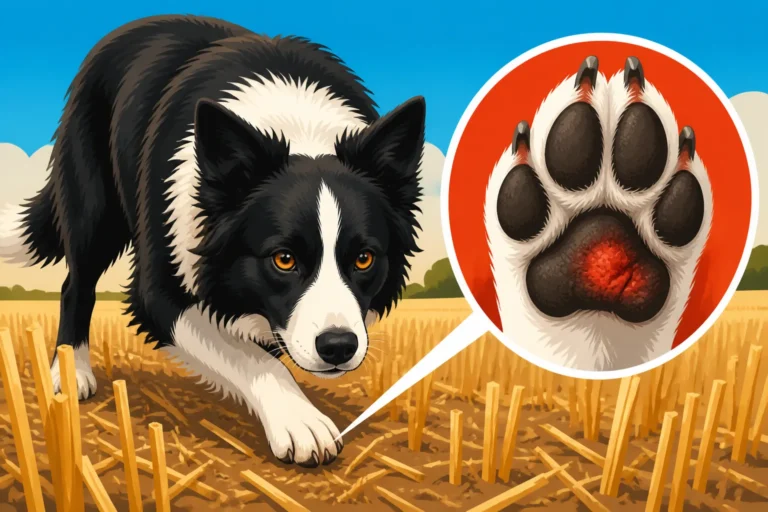
Check their pads for any scrapes, cuts, or excessive wear, especially if they’ve been working on rough terrain. Gently palpate their legs and body for any signs of tenderness or swelling. If you notice any concerning symptoms – persistent lameness, vomiting, severe lethargy, or continued signs of heat stress – don't hesitate to contact your veterinarian. Early intervention can prevent minor issues from becoming major problems. This post-activity check-up is a critical habit for any working or sport dog owner. It’s also important to be aware of how older dogs might show signs of pain or fatigue differently; Signs an Old Border Collie Is in Pain can provide useful insights.
Nutritional Support for Recovery
Just like human athletes, Border Collies engaged in intense physical activity require proper nutrition to support recovery and maintain peak condition. This isn't just about feeding them more food, but feeding them the right kind of food. A high-quality diet rich in protein and healthy fats provides the energy and building blocks their muscles need to repair and grow. Brands like Ollie, known for fresh, human-grade ingredients, can be an excellent option for highly active dogs. Look for foods specifically formulated for active or performance dogs, which often have a higher caloric density and a better balance of nutrients.
Consider the timing of meals as well. Feeding a large meal immediately before or after intense exercise can sometimes lead to digestive upset or even a serious condition like bloat, though this is less common in Border Collies than in some other breeds. Many handlers prefer to feed smaller meals a few hours before work and another balanced meal after they've had a chance to cool down and rest properly. Supplements like joint support (glucosamine, chondroitin) or omega-3 fatty acids can also be beneficial for long-term joint health and inflammation reduction, particularly for dogs engaged in high-impact sports like agility. Always discuss any dietary changes or supplements with your vet to ensure they're appropriate for your individual dog's needs.
Planning for the Next Day's Work
Effective rest and recovery today directly impact tomorrow's performance and your Border Collie's overall health. Adequate rest helps prevent cumulative fatigue, which can lead to burnout, decreased performance, and a higher risk of injury over time. It allows their muscles to fully repair, their energy stores to replenish, and their minds to decompress. Without proper downtime, even the most enthusiastic Border Collie will eventually suffer.
When planning your training schedule, build in rest days or lighter activity days, especially after intense competition weekends. Think of it as periodization for canine athletes. This mindful approach to training and rest will not only help your Border Collie maintain their incredible drive and athleticism for longer but also prevent many common issues associated with overtraining. By prioritizing their physical and mental recovery, you're investing in a longer, healthier, and happier working life together, ensuring they can continue to excel at what they love to do. For a broader understanding of their capabilities and limitations, you might consider articles such as How Long a Border Collie Lives or What Ends a Border Collie's Working Life.
Disclaimer
This article is for general informational purposes only and does not constitute professional advice. Laws, prices and regulations vary by location and change over time. Consult a qualified professional for guidance on your specific situation.