Whether a Border Collie Puppy Should Do Stairs
Oh, the sheer joy and boundless energy of a Border Collie puppy! They arrive like little bundles of fluffy lightning, full of enthusiasm for exploring every nook and cranny of your home. But then you look at that flight of stairs, and a little knot forms in your stomach. Is it okay for them to bound up and down? Will it hurt them? This is a really common worry for Border Collie owners, and for good reason. Letting your young, growing Border Collie puppy navigate stairs too freely can indeed pose risks to their developing joints, and this guide will walk you through why it's a concern and what you can do about it.
The Delicate Balance: Why Puppy Stairs are a Big Deal
It's tempting to let your little whirlwind of a Border Collie puppy zoom around, tackling stairs with the same fearless abandon they apply to everything else. After all, they’re so agile, right? But here's the thing: while their minds are sharp and their enthusiasm is boundless, their bodies aren't quite ready for everything we ask of them, especially when it comes to repetitive impact activities like climbing and descending stairs. Those adorable paws are attached to a skeletal system that is still very much a work in progress, and we need to treat it with immense care.
Understanding Growth Plate Vulnerability
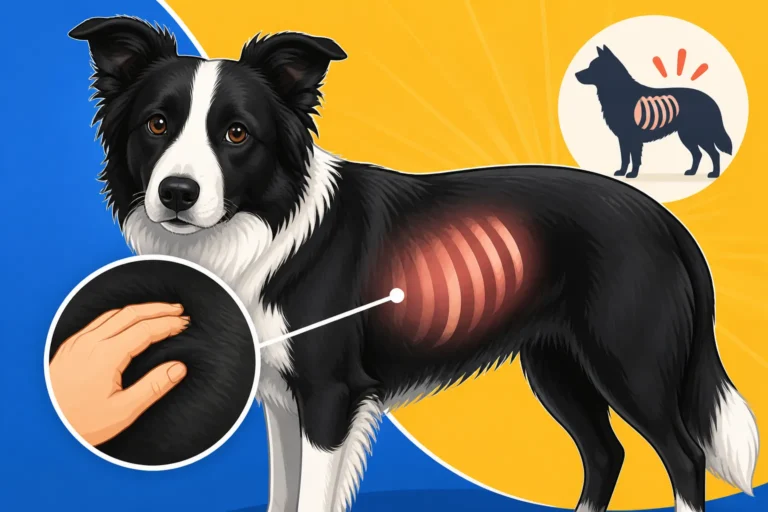
Think about a Border Collie puppy's bones as building blocks that are still being cemented into place. At the ends of their long bones, they have areas called growth plates (or epiphyseal plates). These are areas of cartilage where new bone tissue is formed, allowing the bones to lengthen as your puppy grows. These growth plates remain open and soft until your puppy reaches skeletal maturity, which, for a Border Collie, can be anywhere from 12 to 18 months of age, sometimes even a little longer. Until these plates close and harden into solid bone, they are incredibly vulnerable to injury.
Imagine the force applied to these soft growth plates as your puppy repeatedly jumps off a step or lands hard at the bottom. It's not just a gentle impact; it's a significant stressor. A sudden twist, a slip, or the constant jarring motion from an activity like running up and down stairs can cause damage to these delicate areas. This damage might not show up immediately as a dramatic injury, but it can lead to inflammation, abnormal bone growth, or even premature closure of the growth plate. This is particularly concerning for a breed like the Border Collie, known for its incredible athleticism and the demands we often place on their bodies in sports or working environments. It’s why you'll often hear experienced breeders and vets talk about Holding a Border Collie Puppy Back Before a Year from strenuous activities.
The Long-Term Impact on Developing Joints
The immediate concern of a growth plate injury is serious enough, but the ramifications can echo throughout your Border Collie's entire life. Damage to growth plates or excessive stress on developing joints can significantly increase the risk of orthopedic problems later on. We're talking about issues like hip dysplasia and elbow dysplasia, which are already conditions Border Collies can be prone to, especially if not from health-tested lines. If those delicate joints are compromised during their formative months, it can exacerbate any genetic predisposition or even trigger problems in otherwise healthy puppies.
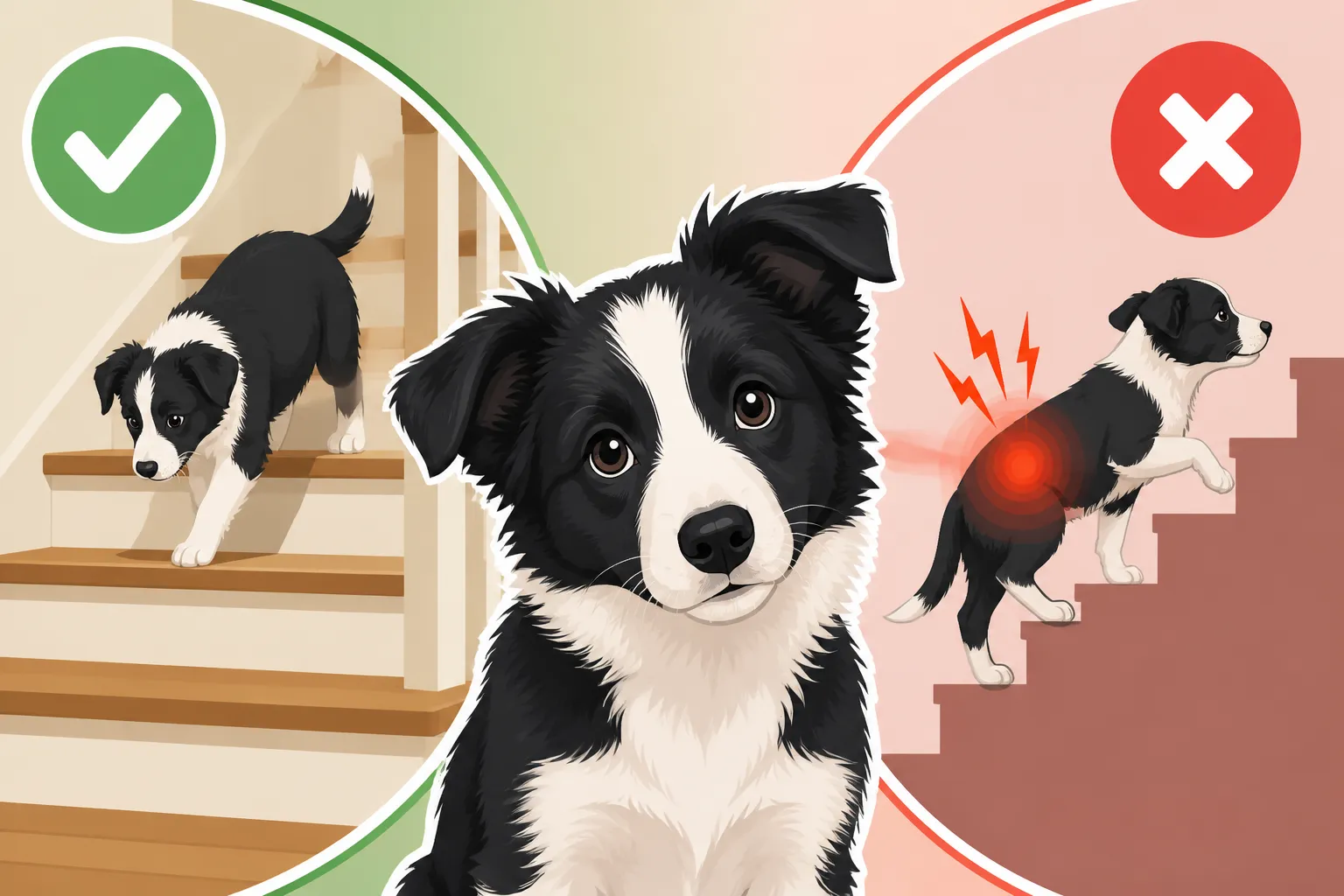
Consider a young Border Collie who loves to careen down a full flight of stairs. Each descent puts a tremendous amount of strain on their front elbows and shoulders as they absorb the impact, and the ascent can put pressure on their hips. Over time, this repeated stress can contribute to the abnormal development of the joint surfaces, leading to pain, lameness, and the early onset of arthritis. A Border Collie whose working life is cut short by preventable joint issues because of choices made in puppyhood is a heartbreaking thought. Ensuring healthy joint development early on is absolutely crucial for their long-term well-being and ability to pursue the activities they were bred for, whether it's herding, agility, or just being a fantastic companion. When you're thinking about The First Year of Border Collie Spending, remember that investing in prevention now can save you a lot of heartache and vet bills down the line.
Navigating Your Home: Practical Solutions for Stair Management
So, if stairs are a no-go, or at least a highly monitored activity for young Border Collie puppies, what's a responsible owner to do? Most homes aren't single-story, and life happens across different levels. The good news is there are plenty of practical, safe ways to manage stairs without making your home feel like a fortress or totally restricting your puppy's world. It's all about thoughtful planning and consistent training.
Setting Up Safe Zones with Gates
The easiest and most effective way to prevent unsupervised stair use is with baby gates. These aren't just for human toddlers; they are absolute lifesavers for puppy-proofing your home. You can find sturdy, pressure-mounted gates at retailers like Chewy or Amazon that are tall enough to deter even the most ambitious Border Collie puppy from attempting to jump over them. Install them at the top and bottom of every staircase in your home. This creates a physical barrier that removes the temptation and the opportunity for your puppy to make poor choices when you're not actively supervising.
Think about designating certain areas of your home as "puppy-safe" zones, typically on one level, where your puppy can play and explore without needing to access stairs. This might mean keeping their crate, food, water, and primary play area confined to a space where gates make sense. It might feel a bit restrictive at first, but it provides peace of mind that their developing bodies are protected. It also helps with house training and teaching them boundaries. If you live in a multi-story home, you might also consider setting up a comfortable resting area on each floor you frequent, so your puppy isn't constantly needing to be transported up and down for comfort or supervision.
Teaching Safe Ascent and Descent (or Alternatives)
While preventing unsupervised stair use is key, sometimes stairs are unavoidable. If you absolutely must have your puppy on a different floor, the safest method, especially for young puppies, is to carry them. Yes, even a rapidly growing Border Collie puppy can get heavy, but it’s a small price to pay for protecting their joints. Make sure you support their full body, especially their hindquarters and chest, to prevent any twisting or sudden movements.
As your Border Collie puppy gets a bit older (closer to 6-8 months, and always with vet approval), you can very gradually introduce them to controlled stair use. This isn't about letting them barrel up and down. It's a slow, deliberate training process. Start with just one or two steps. Lure them up or down with a high-value treat, taking it one step at a time, ensuring they place their paws carefully and don't jump. Always keep them on a leash for control. The goal is to teach them to walk, not run or jump, and to use all four paws deliberately. Many owners find it easier to teach them to go down stairs first, as the upward motion tends to put less strain on the joints than landing forcefully from a descent. Consider investing in a well-fitting, comfortable harness (also available on Amazon) that allows you to provide gentle support and guidance without pulling on their neck if they lose balance. Remember, slow and steady wins the race when it comes to healthy joint development.
| Activity Type | Safe for Young Border Collie Puppies (under 12-18 months) | Risky for Young Border Collie Puppies (under 12-18 months) |
|---|---|---|
| Stair Climbing | Controlled, slow, single-step teaching; Carried | Running, jumping, unsupervised access |
| Walking | Leashed, short, gentle walks on soft surfaces | Long, forced marches; Excessive pavement walking |
| Running/Sprinting | Self-initiated play in safe, soft areas for short bursts | Forced running (e.g., alongside a bike); Long fetch sessions |
| Jumping | Small, self-initiated jumps during play | Repetitive high jumps; Agility obstacles (until fully grown) |
| Hard Play | Supervised play with appropriate-sized, gentle dogs | Rough play with much larger dogs; High-impact tugging |
| Mental Stimulation | Puzzle toys, scent games, short training sessions | Not applicable (always encouraged!) |
When to Seek Veterinary Guidance
If you're ever in doubt about whether an activity is appropriate for your Border Collie puppy, or if you notice any limping, stiffness, reluctance to move, or changes in their gait, don't hesitate to contact your veterinarian. They can provide specific advice tailored to your puppy's age, breed, and individual development. They might recommend imaging, like X-rays, if there's a concern about a growth plate injury or early signs of joint issues.
Your vet can also offer guidance on when it's appropriate to start certain activities. They'll be looking at signs of skeletal maturity and can advise you on things like The Age a Border Collie Should Be Hip-Scored or when it’s safe to introduce more strenuous exercise. Remember, Border Collies are a high-energy breed, but that energy needs to be channeled appropriately during their growth phase. Sometimes, what seems like "enough" exercise might actually be too much of the wrong kind. It's a delicate balance to strike between meeting their mental and physical needs and protecting their developing bodies.
The Path to Maturity: When Stair Use Becomes Safer
The good news is that the puppy phase doesn't last forever! Your Border Collie will eventually reach skeletal maturity, and their growth plates will close, making their bones and joints much more resilient. This doesn't mean they'll be impervious to injury, but the specific risks associated with growth plate damage will diminish. Knowing when this critical period ends is key to safely integrating stairs and other activities into their routine.
Monitoring Your Puppy's Physical Development
Skeletal maturity typically occurs between 12 and 18 months for most Border Collies, though larger or later-maturing individuals might take a bit longer. Your veterinarian is the best resource for confirming when your individual puppy has reached this milestone. During your regular check-ups, your vet will assess your puppy’s growth and development, which can help you understand their readiness for more strenuous activities. You can also monitor your puppy's physical changes at home. Look for signs that they are filling out and their bones are solidifying, rather than just growing in height. Many people refer to this as when they lose that "lanky" puppy look.
It's also important to consider the breed-specific health screenings that Border Collies often undergo. Issues like hip and elbow dysplasia, which are common in many active breeds, can be screened for once your dog reaches a certain age. Understanding your puppy's genetic background, particularly if the parents have good Hip and Elbow Scores in a Border Collie, can also give you some insight, though good genetics don't completely negate the need for careful management during growth. The goal is to set them up for a long, healthy, and active life, minimizing any potential strain on their structure in those crucial early months.
Gradual Introduction and Reinforcement
Once your vet confirms your Border Collie is skeletally mature, you can begin to loosen the restrictions on stair use. However, even then, it's wise to maintain a sensible approach. You wouldn't immediately send a human child from crawling to sprinting up and down stairs, right? The same caution applies here. Continue to encourage a controlled pace on stairs, especially when descending. Reinforce the "slow and steady" method you may have taught them earlier. A solid "wait" or "stay" command before heading down can be incredibly useful.
Even fully grown, repetitive, high-impact activities like constantly racing up and down long flights of stairs are not ideal for any dog's long-term joint health. While their growth plates are closed, cartilage and ligaments can still suffer wear and tear. Encourage your Border Collie to use stairs purposefully, not as a playground for reckless abandon. Many owners find that continuing to use baby gates to control access when they're not directly supervising is still a good practice, even for adult dogs, simply to prevent unnecessary wear and tear or accidental slips. You might also consider ramps for outdoor steps or vehicle access, especially as your Border Collie ages, to continue supporting their joint health throughout their life. Products from places like Amazon or Chewy can help you find suitable ramps and joint support supplements to maintain their mobility and comfort as they mature.
In the end, it’s all about being proactive and thoughtful. Your Border Collie puppy has so much energy and potential, and by safeguarding their delicate structure during these formative months, you're giving them the best possible foundation for a lifetime of adventure, work, and companionship.
Disclaimer
This article is for general informational purposes only and does not constitute professional advice. Laws, prices and regulations vary by location and change over time. Consult a qualified professional for guidance on your specific situation.