Switching Insurers With a Border Collie Mid-Treatment
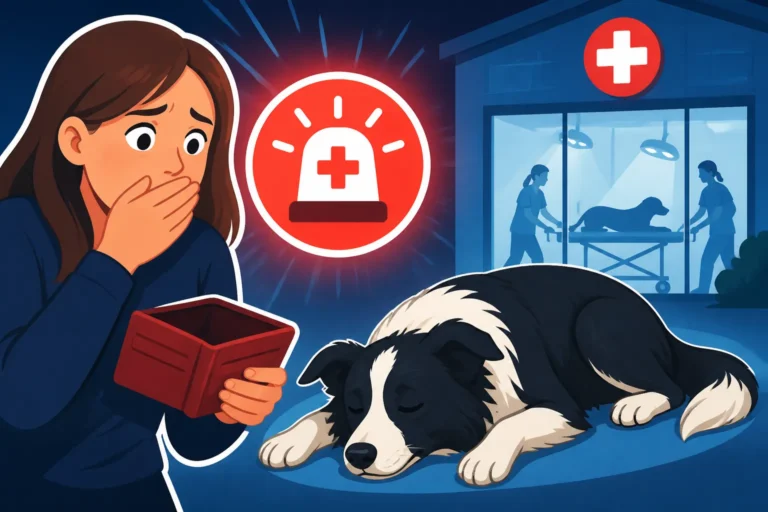
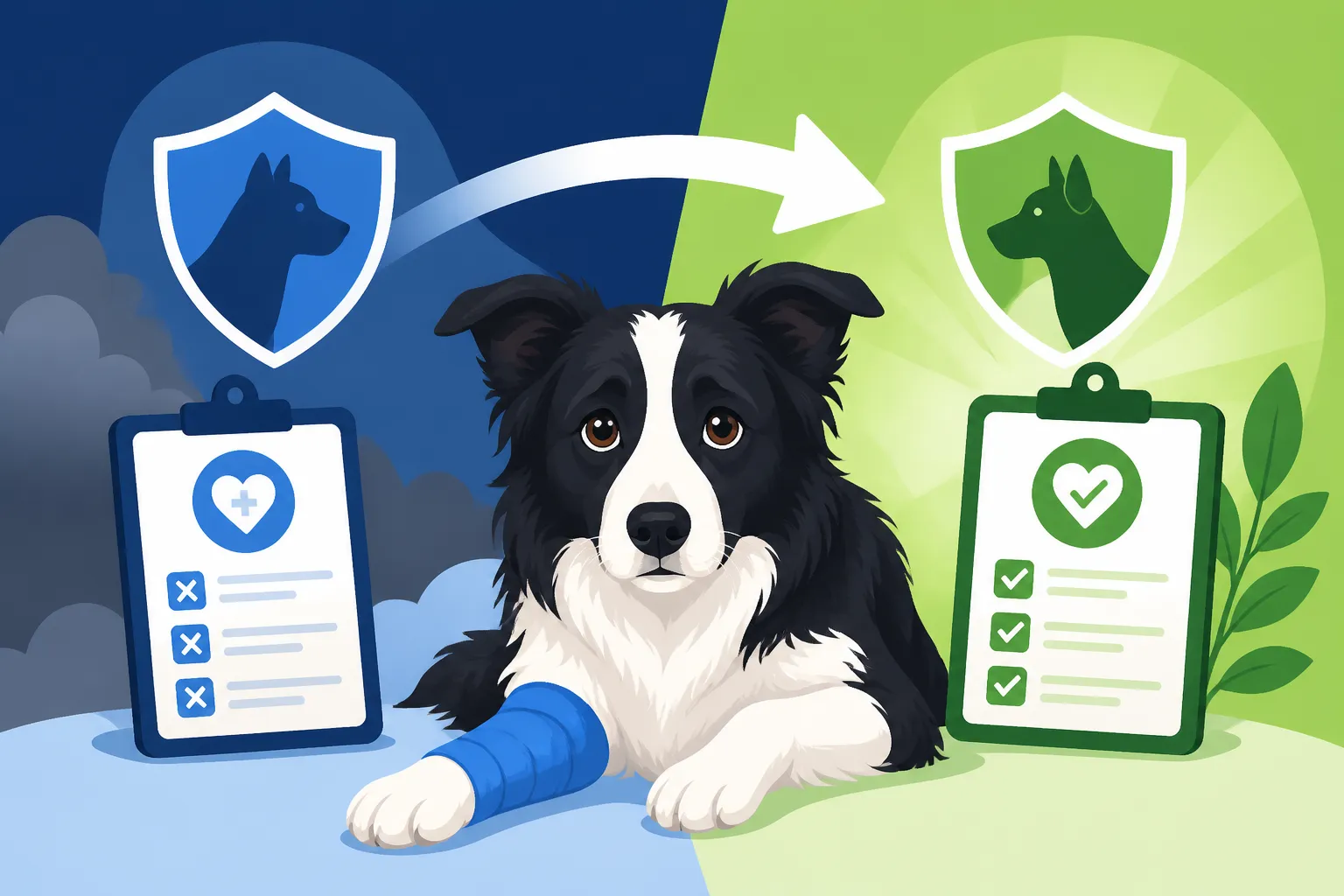
It’s a truly tough spot to be in: your beloved Border Collie is already facing a health challenge, perhaps a chronic condition that requires ongoing care, and suddenly, you're contemplating switching pet insurance providers right in the middle of their treatment. This isn't just a simple change; it's a decision loaded with anxiety about coverage gaps, financial implications, and the fear of leaving your dog unprotected. This guide aims to walk you through the complexities, potential pitfalls, and realistic considerations of trying to switch your Border Collie's pet insurance while they are actively undergoing treatment for a specific condition.
Why You Might Even Consider Switching Insurers Mid-Treatment
Life happens, and sometimes, even with the best intentions, the pet insurance plan you once chose no longer fits your needs or your budget. It's not usually a decision made lightly, especially when your Border Collie is already under the weather.
Rising Premiums and Changing Financials
One of the most common reasons pet parents start looking elsewhere is a sudden and significant increase in their current policy's premium. Many insurers will raise rates annually, often based on your dog's age or claim history, and sometimes these increases can feel truly astronomical. What was once an affordable monthly payment might now be stretching your budget to its breaking point. If your Border Collie has, for example, developed epilepsy and you're already managing the Lifetime Cost of Border Collie Seizure Medication, seeing your premium jump dramatically on top of that can feel like a punch to the gut. You might calculate that a new provider could offer a similar, or even better, level of coverage for a lower monthly outlay, hoping to free up funds for other essentials like quality food from a store like Chewy or specialized training.
Another factor might be a change in your own financial circumstances. A job loss, an unexpected expense, or even just general economic shifts can make an existing pet insurance premium feel unsustainable. You might find yourself frantically searching for any way to reduce monthly expenditures, and pet insurance, while crucial, often comes under the microscope. The idea of saving even a small amount each month becomes incredibly appealing, driving you to explore alternatives, even with the knowledge that your Border Collie is in the thick of treatment for a condition like hip dysplasia or a recurring ear infection.
Dissatisfaction with Current Provider's Service
Sometimes, the issue isn't cost, but service. You might be experiencing frustration with your current insurer's claims process. Perhaps claims are taking an unacceptably long time to process, leaving you out of pocket for weeks or even months when you need those funds back to pay for ongoing treatments or diagnostic tests. Or maybe you've encountered what feels like unreasonable denials or exclusions, making you question the value of the policy you’re paying for. Imagine dealing with a complex issue like a Border Collie Collapse episode, needing prompt veterinary care, and then facing delays or disputes over the bills.
Moreover, poor customer service can wear anyone down. If you're struggling to get clear answers, facing unhelpful representatives, or feeling like your concerns are not being heard, it can erode trust in your insurer. When your dog is unwell, you need support and clarity, not added stress. This dissatisfaction can build to a point where, despite the complications, you decide that a fresh start with a different company, perhaps one known for better service like Healthy Paws, is worth the effort, even if it means navigating the treacherous waters of switching mid-treatment.
The Harsh Realities: Pre-Existing Conditions and Coverage Gaps
This is where the rubber truly meets the road, and it's vital to be brutally honest with yourself about what switching insurers mid-treatment for an active condition actually means. The biggest hurdle, by far, is the concept of pre-existing conditions.
The Definition of a Pre-Existing Condition
In the world of pet insurance, a "pre-existing condition" is generally defined as any illness, injury, or symptom that was present or occurred before the start date of a new policy, or before the end of its waiting period. This definition applies even if the condition wasn't formally diagnosed by a vet until later, or if you weren't even aware of it at the time.
For example, if your Border Collie is currently receiving medication for epilepsy, or has recently had surgery for a Cruciate Tears in a Border Collie, these conditions will almost certainly be classified as pre-existing by a new insurer. This is crucial because new pet insurance policies typically do not cover pre-existing conditions. This isn't just a minor exclusion; it's a fundamental aspect of how pet insurance works. It prevents people from waiting until their pet is sick to buy insurance and then expecting immediate coverage for that illness. It's not about being unfair, it's about the financial viability of the insurance model itself.
The Impact on Ongoing Treatment
So, what does this mean for your Border Collie's ongoing treatment? It means that if you switch insurers while your dog is, say, on medication for a heart condition or managing chronic osteoarthritis, the new policy will very likely not cover any future costs associated with that specific condition. This includes medications, follow-up vet visits, diagnostics, or any related complications.
Consider a Border Collie diagnosed with diabetes, requiring daily insulin. If you switch insurers, your new policy will likely exclude diabetes from coverage. You'd be responsible for 100% of the insulin, syringes, vet checks, and any other diabetic-related expenses out of pocket. This can be financially devastating, completely negating any savings you might have made on premiums. For many, this risk alone is enough to decide against switching, even if they are unhappy with their current provider. It's a calculated gamble that often doesn't pay off for the pet parent or, more importantly, the pet. How One Seizure Ends a Border Collie's Cover provides an in-depth look at how even a single event can impact future coverage.
Waiting Periods and Policy Gaps
Beyond pre-existing conditions, new pet insurance policies come with waiting periods. These are mandatory periods (usually days or weeks) after your policy starts before coverage for certain conditions or incidents kicks in.
| Type of Condition | Typical Waiting Period | Impact on Switching |
|---|---|---|
| Accidents | 2-14 days | Relatively short, but still a gap. |
| Illnesses | 14-30 days | Significant gap for new illnesses. |
| Orthopedic Issues | 6-12 months | Longest waiting periods, especially for hip/elbow issues. |
During this waiting period, if your Border Collie develops a new illness or has an accident, the new policy might not cover it. If you cancel your old policy before the waiting period on your new policy is over, you create a dangerous gap in coverage. You would essentially be uninsured for a period, putting you at immense financial risk if anything new were to occur. It’s a very common trap people fall into when trying to save money quickly, only to find themselves completely exposed. It’s essential to understand that even if you choose a new provider like Healthy Paws, these waiting periods are standard across the industry.
What to Do If You Absolutely Must Switch
Despite the significant challenges, there might be truly unavoidable circumstances where switching insurers mid-treatment becomes a necessity. If you find yourself in this unenviable position, here's a detailed, step-by-step approach to minimize risk.
Comprehensive Review of Your Current Policy
Before you even think about looking at new policies, you need a crystal-clear understanding of what your current policy covers and, more importantly, what it doesn't. Go through your policy documents with a fine-tooth comb. Understand your annual limits, your deductible, your reimbursement percentage, and any specific exclusions related to your Border Collie's ongoing condition.
Document everything: the date your dog's condition was first diagnosed, all veterinary visits, treatments, medications, and associated costs. Review your past claims and how they were processed. This information is critical, not just for your records, but for understanding the financial implications of losing coverage for this specific condition. Knowing exactly what your current insurer has been paying for will highlight the financial burden you're about to shoulder if that coverage disappears. This is also a good time to revisit your existing policy's terms regarding premium increases; sometimes there are options or appeals processes you're unaware of.
Obtain Your Border Collie's Full Veterinary Records
This step is non-negotiable. Request a complete copy of your Border Collie's veterinary medical history from your vet. This should include every visit, every diagnosis, every test result, and every prescription. Insurers will use these records to determine what constitutes a "pre-existing condition" for your new policy. The more thorough your records are, the clearer the picture a new insurer will have, which can sometimes prevent misunderstandings down the line, although it won't change the pre-existing status of an ongoing issue.
Having these records at hand will also allow you to thoroughly review what medical history exists, ensuring you haven't forgotten any past issues that might also be deemed pre-existing. This comprehensive paper trail is your best defense against later disputes, and it helps you be fully transparent when applying for new coverage.
Research and Compare New Policies Carefully
Now, armed with all your information, you can start looking at new insurance providers. However, your focus will be different. You are not looking for a policy that covers your dog's existing condition – that's almost certainly a lost cause. Instead, you're looking for the best policy that covers new accidents and illnesses, and potentially offers better terms for future, unrelated health issues.
Pay close attention to:
- Waiting Periods: Look for the shortest waiting periods for accidents and illnesses.
- Deductibles: Compare options. A lower deductible means you pay less out of pocket before coverage kicks in for new conditions. Which Deductible Suits a Border Collie's Seizure Years might offer relevant insights even if your dog doesn't have seizures.
- Reimbursement Percentages: Higher percentages mean the insurer pays more of the covered vet bill.
- Annual Limits: How much will they pay out in a year for new conditions?
- Exclusions: Read the fine print. Are there any general exclusions that might impact future care for your Border Collie?
- Customer Service Reputation: Look up reviews. If dissatisfaction was a reason for leaving your old insurer, you don't want to repeat the mistake. Companies like Healthy Paws often get good marks for customer satisfaction, but always do your own research.
Many people find it useful to create a comparison table of different providers, listing out these key factors side-by-side.
Plan for Overlapping Coverage and Financial Strain
If you do decide to switch, do not cancel your old policy until your new policy is active AND all waiting periods have passed. This is the golden rule to avoid any coverage gaps. You will likely have to pay premiums for two policies for a period, which will be a temporary financial strain, but it's far better than facing thousands of dollars in vet bills with no insurance at all.
This overlapping period might last anywhere from a few weeks to several months, especially if the new policy has long waiting periods for orthopedic conditions. During this time, you'll be fully responsible for all costs related to your Border Collie's existing pre-existing condition, as your new policy won't cover it. You must budget for this. Factor in not just the regular medications but also potential flare-ups, follow-up diagnostics, and specialist consultations. It's a significant financial commitment, but one you must prepare for if you go through with the switch.
Making the Best Decision for Your Border Collie
Ultimately, the decision to switch pet insurers mid-treatment for your Border Collie is a deeply personal one, weighing financial pressures against your dog's welfare and future health needs. There are no easy answers here.
Prioritize Your Dog's Continuous Care
Your Border Collie's health must be the absolute top priority. Any decision you make should ensure there's no interruption in their necessary treatment or access to veterinary care. If switching means you can no longer afford the specialized care for their pre-existing condition, then it's probably not the right move. Sometimes, sticking with a less-than-ideal but existing policy, even with rising premiums, is the safer choice because it guarantees continued coverage for the ongoing issue.
Consider The Age a Border Collie Starts to Slow and the potential for new age-related conditions. While your current focus is on an existing treatment, think about future needs. Will a new policy adequately cover those inevitable challenges? You want peace of mind, not just a lower monthly bill.
Explore Alternatives to Switching
Before pulling the trigger on a switch that might leave you high and dry for pre-existing conditions, explore other avenues:
- Negotiate with your current insurer: Sometimes, if you call and explain your situation, they might be willing to offer a slight discount or adjust your premium, especially if you have a long history with them. It never hurts to ask!
- Adjust your current policy: Can you increase your deductible or lower your reimbursement percentage on your current policy to reduce your premium? This would reduce your monthly cost while still retaining coverage for your existing condition, albeit with higher out-of-pocket costs on claims.
- Create a dedicated savings fund: If the issue is rising premiums, consider diverting the amount you'd save on a new (excluding pre-existing) policy into a dedicated savings account. This "self-insurance" fund could then be used to cover the costs of the pre-existing condition, while your existing policy covers everything else.
- Seek financial aid: Some veterinary practices offer payment plans, or there are pet-specific charities that might be able to help with specific treatment costs, especially for chronic conditions.
Don't Forget General Care and Preventative Measures
While you're deep in the weeds of insurance policies and treatment plans, don't lose sight of the broader picture of your Border Collie's health. Regular preventative care is paramount, and these costs are typically not covered by accident/illness insurance, though some wellness plans might assist. Yearly Bloodwork for a Border Collie is essential, as are regular vet check-ups. Maintaining a healthy weight, providing a balanced diet (perhaps with tailored options like Ollie offers), and ensuring consistent exercise can all contribute to overall health and potentially reduce future vet bills.
Think about the bigger picture of your Border Collie's life. If they have a long-term condition like epilepsy, you also need to consider aspects like Working an Epileptic Border Collie on Stock if they are a working dog, and how that impacts their overall wellbeing and the management of their condition. All these factors play into the comprehensive care and financial planning for your extraordinary dog.
Ultimately, switching insurers mid-treatment for a Border Collie is a high-stakes decision. The risk of losing coverage for an ongoing, already-expensive condition is very real and often outweighs the perceived benefits of a cheaper premium. Make sure you understand every single implication before making a move that could jeopardize your dog's continuous care.
Disclaimer
This article is for general informational purposes only and does not constitute professional advice. Laws, prices and regulations vary by location and change over time. Consult a qualified professional for guidance on your specific situation.