Whether a Border Collie Should Carry Its Tail High
One common question I hear from Border Collie owners, especially those new to the breed, is about their dog's tail carriage. You might notice your Border Collie's tail held high, low, tucked, or wagging, and wonder if a high tail is a sign of happiness, stress, or perhaps just their unique way of expressing themselves. This guide will delve into the nuances of Border Collie tail posture, helping you understand what's typical, what's expected in different situations, and when a high tail might warrant a closer look.
Understanding the Typical Border Collie Tail Carriage
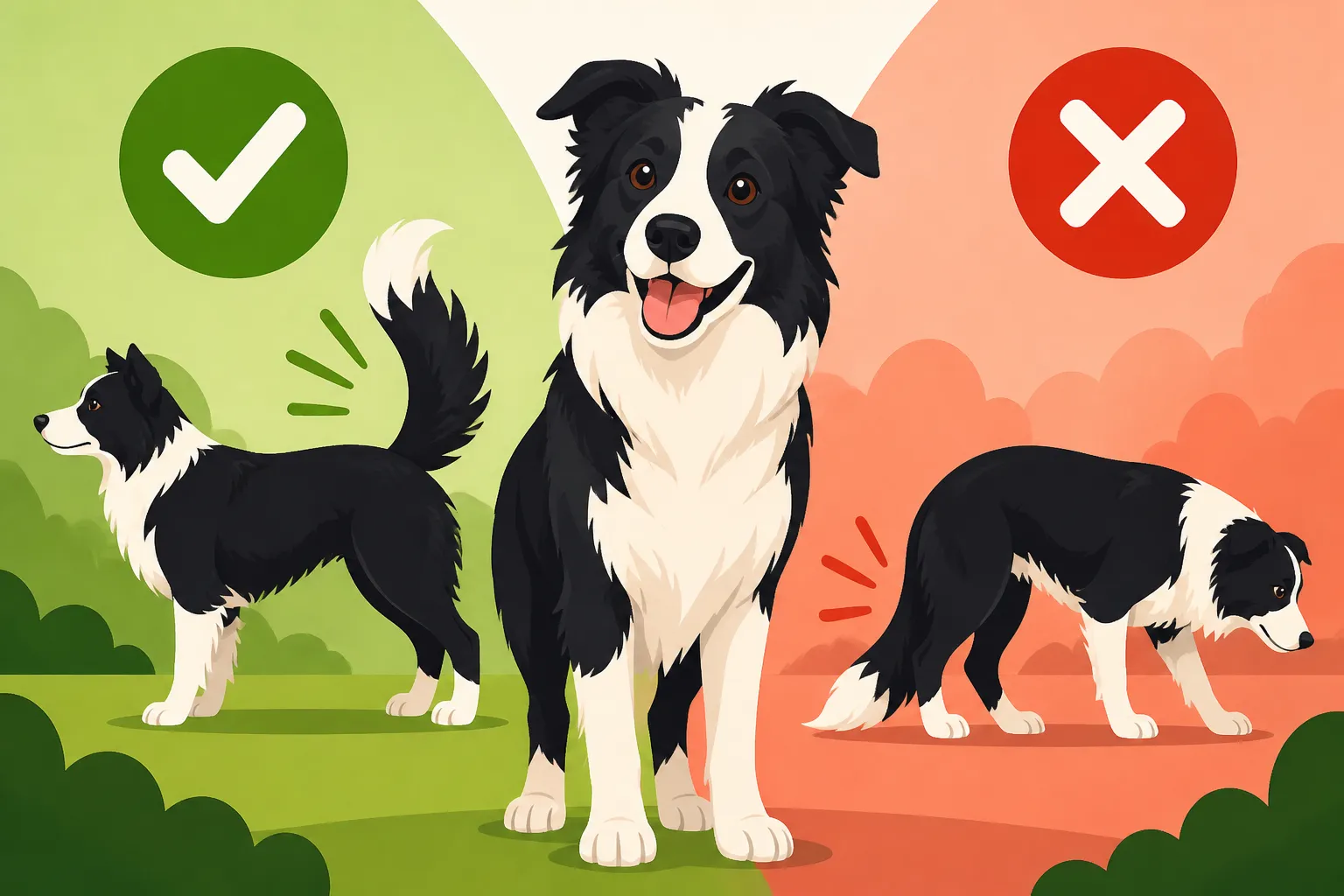
When a Border Collie is relaxed and going about its day without particular excitement or stress, its tail typically hangs low, often with a slight curve, resembling a saber or a gentle sweep. This natural, unforced posture is what many breed enthusiasts refer to as the "correct" or "ideal" tail set when the dog is at ease. It's not usually tucked tight against the belly, nor is it perpetually flagged high over the back.
The Natural "Saber" or "Low" Set Tail
A truly relaxed Border Collie will often carry its tail low, extending down towards the hocks, sometimes with a slight upward curve at the very tip, giving it that saber-like appearance. The base of the tail typically follows the natural line of the spine. This isn't a sign of submission or fear; it's simply their default, comfortable posture. Think of it as their neutral gear. When they're pottering around the yard, sniffing interesting smells, or resting, this is the tail you'll most often see. It’s an indication of a calm, contented state. This natural carriage is part of The Athletic Build a Border Collie Standard Describes, contributing to their overall balanced appearance.
Tail as a Communication Tool
Beyond a simple resting position, a Border Collie's tail is a dynamic communication device. It's a key part of their body language, conveying a wealth of information about their mood, intentions, and engagement with their environment. The speed of the wag, the height it's held, and the way it moves in conjunction with their ears, eyes, and overall body posture all tell a story. A tail can go from a gentle sway to a vigorous helicopter wag, or shoot up like a flag, all within moments, reflecting their rapidly changing emotional state. Understanding these subtle shifts is crucial for any Border Collie owner.
When a High Tail is Normal and Expected
While a low, saber-like tail is common for a relaxed Border Collie, there are many completely normal and appropriate situations where their tail will be carried high. This isn't usually something to be concerned about; it's just them being a Border Collie. The context, as with all dog behavior, is absolutely everything.
Excitement and Alertness
One of the most common reasons a Border Collie might carry its tail high is due to excitement or heightened alertness. If you've just come home, are getting ready for a walk, or are about to throw their favorite toy, you'll likely see that tail shoot up and wag with an almost frantic enthusiasm. This is their way of saying, "Yay! Something good is happening!" or "I'm ready for action!" Similarly, if they spot a squirrel darting across the fence, hear an unfamiliar noise, or lock onto something interesting in the distance, their tail will often rise to a more erect position, signaling their focused attention. This is often accompanied by their intense gaze, a hallmark of the breed.
Working Posture and Stance
For a breed so intrinsically linked to work, particularly herding, the tail plays a role in their working posture. When a Border Collie is intensely focused on stock, moving sheep, or navigating an agility course, their tail often acts as a counterbalance and an indicator of their drive. It might be held higher, perhaps even curled slightly over the back, as they shift their weight, make quick turns, or gather stock. It’s not a relaxed posture, but a highly engaged one, reflecting their concentration and physical exertion. You might observe this if you ever watch What Happens at a Sheepdog Trial With a Border Collie. This elevated tail in a working context is distinct from a high tail due to fear; it's about active engagement and control. They use their entire body, including their tail, to communicate with and influence the stock.
Contextual Differences in Tail Carriage
| Tail Position | Typical Context | Accompanying Body Language | Interpretation |
|---|---|---|---|
| Low, relaxed (saber) | Resting, sniffing, calm walk, neutral environment | Loose body, relaxed ears, soft eyes, gentle swaying | Content, comfortable, at ease |
| High, wagging vigorously | Greetings, playtime, anticipation of favorite activity | Whole body wiggle, excited eyes, vocalizations (whimpers, barks) | Happy, excited, eager, friendly |
| High, stiff, slight wag | Intense focus, alerting to something new, slight suspicion | Ears forward, direct stare, still body, possible low growl | Alert, curious, assessing, confident |
| Tucked tightly | Fear, extreme submission, pain, severe anxiety | Cowering, trembling, avoiding eye contact, urination, panting | Scared, anxious, submissive, uncomfortable |
| Circular or "propeller" wag | Extreme happiness, over-excitement upon reunion | Wiggling hips, jumping, often seen after a period of separation | Overjoyed, ecstatic |
This table illustrates that "high" isn't a single meaning. A high, loose, wagging tail tells a very different story than a high, stiff, slightly twitching one.
When a High Tail Might Indicate a Problem
While a high tail can be completely normal, it's also important to be aware that it can sometimes be a sign that something isn't quite right. Your Border Collie's body language is a whole package, and the tail is just one piece of the puzzle. Always look at the entire dog to get the full picture.
Stress, Fear, or Discomfort
A high tail that is held stiffly, perhaps even bristling slightly (known as piloerection), can be a clear indicator of stress, fear, or discomfort. This is different from the excited, loose wag. When a Border Collie feels threatened, is uncertain about a situation, or is experiencing anxiety, they might raise their tail as a sign of their elevated arousal. The key here is the stiffness and the rest of their body language. Are their ears pinned back? Are their eyes wide, showing the whites? Is their body tense or leaning away? If you see these accompanying signs, the high tail is telling you they are not comfortable. For example, if your dog is A Border Collie That Panics When You Leave, you might notice a very different tail carriage than when they're playing. Providing engaging toys or long-lasting chews from Chewy might help distract them and reduce their anxiety in such situations.
Physical Issues or Pain
Any sudden, inexplicable change in a dog's posture, including their tail carriage, should prompt a check for physical discomfort or pain. If your Border Collie, who normally carries a relaxed tail, suddenly starts holding it high and stiffly, even when at rest, it could be a sign of pain in their back, hips, or even the tail itself. A sprain, a fracture, or even an issue with their anal glands can cause them to hold their tail in an unusual way to minimize discomfort. This is particularly true if the tail seems to favor one side or if they vocalize when you gently try to touch it. It’s always best to rule out physical causes with a vet visit, especially if you notice other signs of discomfort, like those mentioned in Signs an Old Border Collie Is in Pain.
Show Ring vs. Working Field Expectations
The world of Border Collies is fascinatingly split between those bred for conformation (show) and those bred for working ability (herding). This distinction often influences discussions around ideal physical traits, including tail carriage.
The AKC and ISDS Perspectives
When it comes to breed standards, bodies like the American Kennel Club (AKC) will have detailed descriptions of what is considered ideal for a Border Collie in the show ring. Generally, they describe a tail that is moderately long, set low, and carried low when the dog is quiet or at rest. It may be carried higher, but not over the back, when excited or alert. A tail that is habitually carried high over the back or tucked between the legs could be considered a fault. However, the International Sheep Dog Society (ISDS), which focuses purely on working ability, places very little emphasis on aesthetic points like tail carriage, prioritizing instead the dog's skill, temperament, and drive in the field. They are more concerned with What Separates a Border Collie From Every Other Herder than its exact tail curve.
Practicality on the Farm
For a working Border Collie handler, the practicality of the dog's build and its ability to do the job far outweigh strict adherence to show ring aesthetics. On a farm, a Border Collie's tail is there for balance and communication, not for display. While an overly high or constantly tucked tail might indicate something about the dog's temperament or physical state (which would impact its work), a well-carried tail in an excited or focused moment is simply part of being a high-drive working dog. In fact, a dog that never shows an ounce of excitement or drive through its tail might be considered too subdued for intense herding work. The tail, along with Why a Border Collie Crouches and Stares, forms part of its effective working presence. Ultimately, a working Border Collie's "correct" tail carriage is one that allows it to perform its duties effectively and safely, without hindrance.
Encouraging a Relaxed Tail Carriage
If you notice your Border Collie frequently carrying its tail high and stiffly, and you've ruled out medical issues, it might be a sign that they are experiencing chronic stress or overstimulation. Addressing this involves a holistic approach to their environment and routine.
Creating a Calm Environment
A Border Collie thrives on routine and predictability. Ensuring they have a consistent schedule for meals, exercise, and rest can significantly reduce underlying anxiety. Provide a safe, quiet space where they can retreat, such as a crate or a comfortable bed in a low-traffic area. Ensure they are getting adequate mental and physical stimulation – not just endless running, but engaging brain work that tires their minds. You can find many puzzle toys and enrichment items on Chewy that can help provide this mental challenge and help your Border Collie Exercise, Work and What Actually Settles a Border Collie. A tired, mentally satisfied Border Collie is generally a more relaxed Border Collie, and a relaxed Border Collie typically carries a relaxed tail.
Addressing Underlying Stressors
Sometimes, a persistently high or stiff tail is a sign of specific stressors in their life. Are they getting enough appropriate exercise? Are they overstimulated by too much chaotic activity in the home? Are they exposed to things that make them fearful, like loud noises or strange dogs? Identifying and then working to mitigate these stressors is key. For example, if excitement is a trigger, learning techniques for Stopping a Border Collie Before an Episode Starts of overstimulation can be very beneficial. This might involve teaching a "settle" command, providing a safe chew during exciting moments, or simply managing their exposure to highly stimulating situations. If you suspect chronic anxiety, consulting with a professional trainer or veterinary behaviorist is always a good idea. They can help you identify triggers and develop a plan to help your Border Collie feel more secure and, in turn, exhibit more relaxed body language.
Disclaimer
This article is for general informational purposes only and does not constitute professional advice. Laws, prices and regulations vary by location and change over time. Consult a qualified professional for guidance on your specific situation.