Osteoarthritis in a Border Collie by Eight
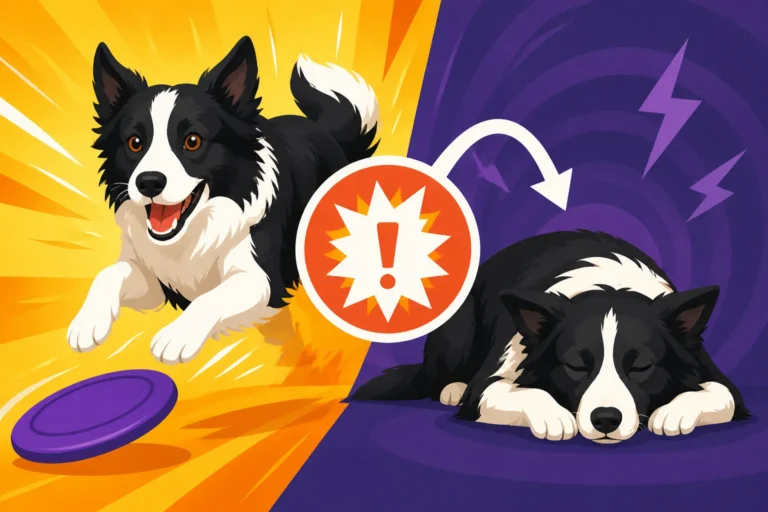
It's heartbreaking to see your usually vibrant Border Collie, the dog that once flew across fields and scaled obstacles with boundless energy, start to slow down. The stiffness after a nap, the hesitant jump into the car, or the refusal to chase a ball like they used to can make you feel helpless. This guide is here to walk you through understanding, recognizing, and managing osteoarthritis, a common condition that can affect our working dogs, often becoming noticeable as they approach or pass their eighth birthday.
Understanding Osteoarthritis in Border Collies
When your Border Collie hits around eight years old, you might start noticing subtle changes in their movement. It’s easy to dismiss these as "just old age," but often, what we're seeing are the early signs of osteoarthritis. This isn't just about a dog getting a bit stiff; it's a progressive, painful disease that requires thoughtful management.
What Exactly Is Osteoarthritis?
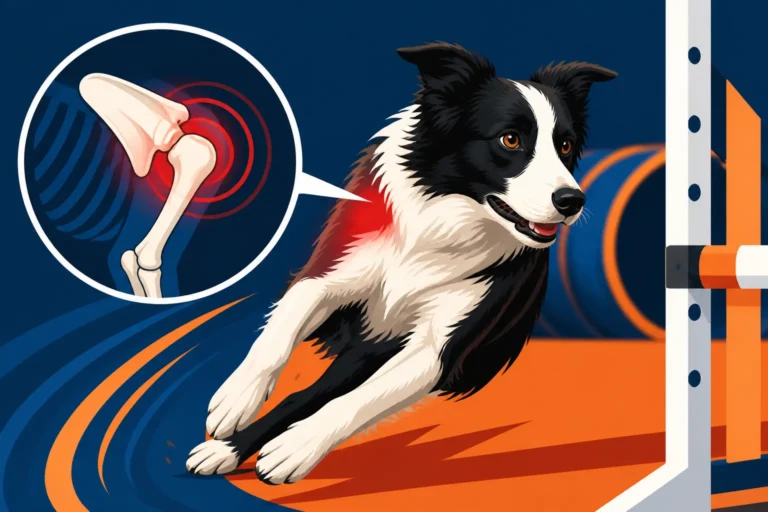
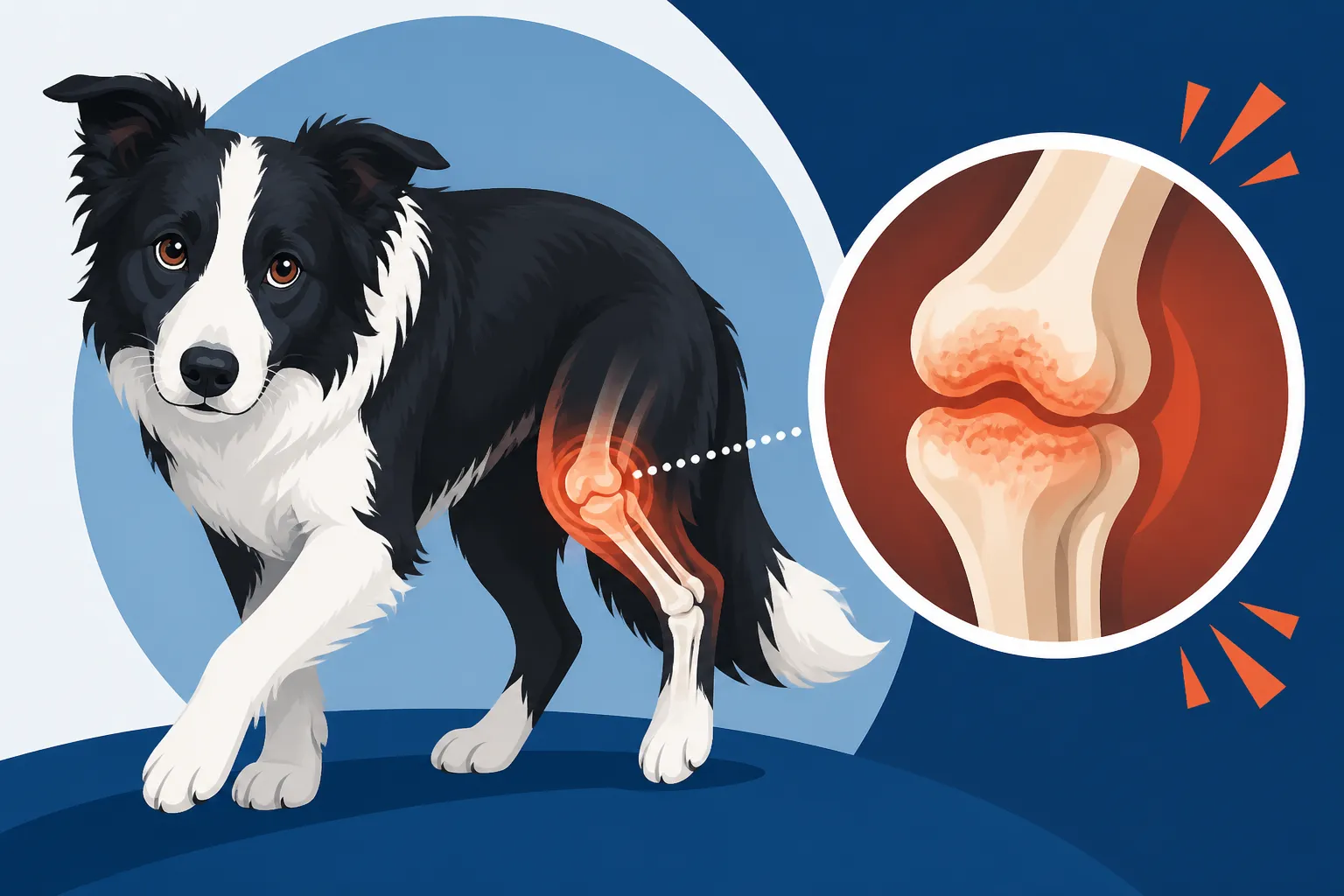
Osteoarthritis, often shortened to OA, is a degenerative joint disease. Think of it this way: your dog's joints are designed with smooth cartilage covering the ends of bones, acting like a shock absorber and allowing for seamless movement. In OA, this cartilage begins to break down. It erodes, thins, and eventually, the underlying bone can become exposed. This leads to bone-on-bone friction, inflammation, and the formation of bony spurs called osteophytes around the joint. It's incredibly painful and severely impacts mobility. Unlike a temporary injury, OA is a chronic, progressive condition that doesn't get better on its own. It’s a slow, insidious process that can start years before you see obvious limping or discomfort. The body tries to repair the damage, but often, these attempts lead to more bone formation, further stiffening the joint.
This isn't a problem that develops overnight; it's a gradual wear and tear, compounded by factors we'll discuss. For a dog like a Border Collie, whose life is often defined by intense physical activity, this cumulative stress on their joints can unfortunately accelerate the process compared to a less active breed. It's a fundamental shift in the joint's mechanics and a common reason why dogs become less mobile as they age, even those who have lived seemingly charmed, active lives.
Why Border Collies Are Susceptible
Border Collies are renowned for their incredible athleticism, intelligence, and tireless drive. They are canine athletes, whether they're working sheep on a farm, excelling in agility trials, or simply retrieving a frisbee for hours on end. This very nature, however, can make them more prone to developing osteoarthritis. Their high-impact activities involve a lot of sudden starts and stops, sharp turns, powerful jumps, and sustained running. All of these put immense strain on their joints over many years.
Consider a Border Collie involved in competitive agility. They're weaving poles, rocketing over jumps, and slamming into contact obstacles. Each repetition, each landing, each twist and turn contributes microscopic trauma to the joint cartilage. Over time, these micro-traumas can accumulate, initiating the degenerative process. Furthermore, some Border Collies can be genetically predisposed to certain orthopedic conditions, like hip and elbow dysplasia, which are direct precursors to osteoarthritis. Even if a dog doesn't have severe dysplasia, minor structural imperfections, combined with a lifetime of high-level activity, can hasten the onset of OA. It's a cruel irony that the very traits we adore in them – their boundless energy and willingness to work – can ultimately contribute to their physical decline.
Commonly Affected Joints
While osteoarthritis can theoretically affect any joint in the body, certain areas are more commonly impacted in Border Collies, particularly given their active lifestyles. The joints that bear the most weight and undergo the most stress are typically the first to show signs.
Hips: Hip dysplasia in a Border Collie that runs all day is a significant risk factor. The ball-and-socket joint of the hip can become malformed, leading to abnormal wear. Even in dogs without diagnosed dysplasia, years of running, jumping, and quick directional changes can lead to cartilage erosion in this crucial joint. Signs might include a reluctance to jump into the car, difficulty getting up from a lying position, or a bunny-hopping gait when running.
Elbows: Elbow dysplasia and the Border Collie forelimb are another common concern. The elbow is a complex joint, and conditions like ununited anconeal process or fragmented coronoid process can lead to significant pain and early-onset arthritis. Even without these specific issues, the impact from agility jumps, hard stops, or even just daily running can wear down the elbow cartilage. You might notice your dog favoring a front leg, a stiff gait in the front, or a reluctance to extend their front legs fully.
Spine: The vertebrae of the spine are cushioned by intervertebral discs. Years of twisting, turning, and jumping can put stress on these discs and the facet joints of the spine, leading to spondylosis deformans (bony bridging between vertebrae) or other spinal arthritis. This can manifest as a stiff back, reluctance to bend, or pain when being petted along the spine.
Knees (Stifles): While less common than hip or elbow issues, the knees can also suffer. Cruciate ligament tears in a Border Collie are a common cause of knee instability, which almost invariably leads to osteoarthritis in that joint over time, even with surgical repair. Patellar luxation, though less prevalent in Border Collies than smaller breeds, can also contribute. A dog might show intermittent lameness, a "skipping" gait, or pain when the knee is flexed.
Shoulders: For agility dogs, shoulder injuries in an agility Border Collie are not uncommon, and these injuries can often lead to secondary arthritis. The shoulder is a highly mobile joint, and repetitive strain or acute injuries can cause damage to the cartilage or supporting soft tissues, resulting in chronic pain and stiffness. You might notice a subtle lameness in a front leg, or a decreased range of motion when reaching for a toy.
Recognizing the Subtle Signs of Arthritis
Spotting osteoarthritis in your Border Collie can be tricky because their stoic nature and high pain tolerance often mean they hide discomfort until it's quite advanced. By eight years old, they've lived a good life, but that doesn't mean their slowing down is merely "old age." It's crucial to be observant and understand that what looks like a dog "getting lazy" might actually be a dog in pain.
Changes in Gait and Movement
One of the first indicators of arthritis is a change in how your Border Collie moves. These alterations can be subtle at first, easily overlooked or attributed to a cold day or a long walk. However, consistency is key.
You might notice a new stiffness, especially after resting or first waking up. Does your dog take a few more seconds to stretch out before standing? Do they seem to shuffle for the first few steps before loosening up? This "morning stiffness" is a classic sign. They might develop a slight limp or favor one leg, which can be intermittent, sometimes present, sometimes not. This might be more obvious after strenuous activity or even after a long period of inactivity.
Reluctance to jump or climb is another significant clue. Perhaps they used to leap into the car with enthusiasm, but now they hesitate, need a boost, or look for a ramp. Stairs that were once traversed with ease might become a daunting obstacle. They might avoid jumping onto the couch or bed, or even hesitate before stepping over a threshold. You might also observe a decrease in their overall speed and agility. That explosive acceleration they were famous for might be gone, replaced by a more measured pace. They might be slower to react, less keen on engaging in high-impact games, or cut their play sessions shorter than before. Sometimes, you’ll even see a change in their posture, carrying their head lower or their back slightly hunched as they try to alleviate discomfort.
Behavioral Shifts
Beyond the physical, arthritis can profoundly impact your Border Collie's behavior. Imagine living with constant low-grade pain; it would certainly make you less cheerful and more irritable, and the same goes for our dogs.
An arthritic Border Collie might become more withdrawn or less enthusiastic about interactions. If they used to greet you at the door with a wagging tail and a happy bark, but now they just lift their head or stay lying down, it's a red flag. They might snap or growl when touched in certain areas, even by family members they trust implicitly. This isn't aggression; it's a pain response. They're telling you, "That hurts, please stop." They might also seek out warmer, softer places to rest, gravitating towards sunny spots or finding a cozy dog bed over a harder floor. This is their instinct to try and soothe aching joints.
You might notice a decrease in their desire to play or engage in their usual activities. The dog that lived for a game of fetch might now lie down after only a few throws, or simply watch the ball with less interest. Their drive might drop, leading you to wonder why a Border Collie's drive drops with its thyroid, but it could actually be joint pain. This isn't laziness; it's self-preservation. They learn that certain movements cause pain, and so they avoid them. Changes in their sleeping patterns, such as restlessness or difficulty getting comfortable, can also indicate chronic pain. Some dogs might even start licking excessively at a particular joint, trying to soothe the discomfort.
Difficulty with Daily Activities
When osteoarthritis progresses, it starts to infringe on even the most basic daily routines, making once-simple tasks challenging and painful. Observing these difficulties can be a crucial step in recognizing the problem.
One of the most common complaints owners report is difficulty getting up from a lying position. Your Border Collie might struggle, pushing up with their front legs first, then slowly dragging their hindquarters up, or needing several attempts. This can be particularly noticeable after a long rest or first thing in the morning. They might "plant" themselves more often, finding it too much effort or too painful to constantly get up and down. This might be seen even with simple movements like settling on a mat.
Navigating stairs, both up and down, becomes a clear hurdle. They might take each step one at a time, hesitate at the top or bottom, or refuse them altogether. Going down stairs can be especially challenging as it puts more strain on the front joints and requires greater coordination. Entering and exiting vehicles is another tell-tale sign. Where they once jumped in, they now need help, or might even bark in frustration because they want to go but physically cannot. A ramp can become indispensable for them to maintain some independence.
Even mundane activities like eating or drinking can be affected. If their neck or spine is sore, bending down to a bowl might be uncomfortable, leading them to eat or drink less, or stand in an awkward posture. Grooming also becomes harder; they might not be able to twist and turn to lick themselves clean, or may resist being brushed in sensitive areas. The overall quality of life diminishes as these fundamental actions become a source of pain and effort.
| Sign of Osteoarthritis | Description | Potential Misinterpretation (Normal Aging or Other Issues) |
|---|---|---|
| Stiffness after rest | Dog is slow to get up, takes a few steps to "warm up" after lying down for an extended period (e.g., morning, after a nap). Often visible as a hesitant, shuffling gait for the first few moments. | "Just old age," "slept in a funny position." Could be a temporary muscle strain or generalized soreness from overexertion. |
| Limping or lameness | Intermittent or persistent favoring of a limb, can range from a subtle head bob to completely lifting a leg. Worsens after exercise or prolonged rest. | "Stepped on something," "pulled a muscle." Could be a recent injury, a thorn in the paw, or even a neurological issue affecting coordination. |
| Reluctance to jump/climb | Hesitation or refusal to jump into the car, onto furniture, or climb stairs. May seek alternative, easier routes or need assistance. | "Getting lazy," "just doesn't want to." Could be fear of heights, a temporary lack of motivation, or even a minor paw injury. |
| Decreased activity/play | Less enthusiasm for walks, shorter play sessions, less running or chasing. May seem less engaged in their favorite games. | "Losing their drive," "getting tired earlier." Could be weight gain, a drop in thyroid levels (Why a Border Collie's drive drops with its thyroid), or other health issues reducing energy, or even boredom. |
| Irritability or changes in temperament | Snapping, growling, or retreating when touched in certain areas. May become less tolerant of other pets or children. | "Becoming grumpy with age," "just being moody." Could be fear, anxiety, or an unrelated behavioral issue. |
| Licking at joints | Persistent licking, chewing, or grooming of specific joints (e.g., hips, elbows, knees) in an attempt to soothe discomfort. | "Has an itch," "boredom licking." Could be allergies (Allergies in a Border Collie), skin irritation, fleas, or a superficial wound. |
| Muscle atrophy | Noticeable thinning of muscle mass, particularly in the hindquarters, due to decreased use of painful limbs. Can make the affected leg look smaller. | "Losing weight overall." Could be a general loss of condition from insufficient exercise or poor nutrition, or even an underlying metabolic disease. |
| Difficulty positioning for elimination | Struggle to squat or lift a leg comfortably to urinate or defecate. May adopt awkward stances. | "Having accidents." Could be a bladder infection, age-related incontinence, or even a behavioral issue related to house training. |
Diagnosis and Early Intervention Strategies
The moment you start noticing those subtle changes in your Border Collie's movement or behavior, it's time to act. Don't fall into the trap of thinking it's "just old age" and there's nothing to be done. Early diagnosis of osteoarthritis is absolutely critical because while we can't cure it, we can significantly slow its progression and manage the pain, ensuring your beloved companion has the best possible quality of life for as long as possible.
The Veterinary Consultation and Exams
When you suspect your Border Collie might be suffering from arthritis, the first and most important step is a visit to your veterinarian. They are your primary partner in navigating this journey. During the consultation, be prepared to provide a detailed history of your dog's symptoms. This includes when you first noticed changes, what activities seem to aggravate or alleviate the symptoms, and any specific behaviors you've observed. Think of what a Border Collie does with its whole day – how has that changed?
Your vet will perform a thorough physical examination, which typically includes palpating all major joints – feeling them for swelling, heat, pain, and reduced range of motion. They'll also assess your dog's muscle mass, looking for any signs of atrophy, particularly in the hindquarters, which can indicate disuse due to pain. A crucial part of the exam is the lameness examination. This involves observing your Border Collie walking, trotting, and sometimes even running, to pinpoint which limb or joint is affected and how severely. They might ask you to walk your dog in a straight line, in circles, or up and down stairs. Sometimes, if the lameness is intermittent, the vet might manipulate the joint to elicit a pain response or watch how your dog stands up from a down position. This comprehensive physical assessment helps the vet narrow down the possibilities and decide on the next steps for a definitive diagnosis. It's often during this hands-on examination that a good vet can confirm your suspicions about joint pain.
Diagnostic Imaging
Once your vet has completed their physical exam and gathered your dog's history, they will likely recommend diagnostic imaging to confirm the presence and extent of osteoarthritis. The primary tool for this is radiographs, or X-rays. X-rays allow the vet to visualize the bones and joints, looking for classic signs of OA such as:
- Joint space narrowing: This indicates cartilage loss, as there's less cushioning between the bones.
- Osteophytes: These are the bony spurs that form around the joint margins as the body tries to stabilize the unstable joint.
- Subchondral bone sclerosis: This refers to an increased density of the bone directly beneath the cartilage, a sign of bone-on-bone friction.
- Cysts: Sometimes, fluid-filled sacs can develop within the bone near the joint.
For a Border Collie, your vet might specifically request views to evaluate their hips for Hip Dysplasia in a Border Collie That Runs All Day or their elbows for signs of Elbow Dysplasia and the Border Collie Forelimb, as these conditions are often foundational to later OA. In some cases, if X-rays are inconclusive or if the vet suspects soft tissue damage (like a cruciate tear or a meniscal injury) in addition to OA, more advanced imaging techniques like an MRI (Magnetic Resonance Imaging) or CT (Computed Tomography) scan might be recommended. These provide much more detailed images of soft tissues and complex joint structures, offering a clearer picture of the damage and aiding in more precise treatment planning. While more expensive, they can be invaluable for understanding the full scope of the problem.
The Importance of Early Diagnosis
You might be thinking, "It's just arthritis, can't I just give them supplements?" But the reality is, early diagnosis is paramount for a better outcome. The sooner you get an accurate diagnosis, the sooner you can start an effective management plan, which can drastically improve your Border Collie's comfort and slow the progression of the disease. Waiting until your dog is visibly limping badly or refusing all activity means the disease is likely quite advanced, and the damage is more extensive.
Early intervention means you can implement strategies to protect the remaining cartilage, reduce inflammation, and manage pain before it becomes chronic and debilitating. This includes starting joint supplements, modifying exercise routines, initiating weight management, and potentially starting non-steroidal anti-inflammatory drugs (NSAIDs) or other pain relief medications sooner. For instance, if you catch hip or elbow dysplasia early, even before severe OA sets in, there might be surgical interventions or specific therapies that can prevent or delay the onset of debilitating arthritis. It allows you to be proactive rather than reactive. By getting an early diagnosis, you're not just treating symptoms; you're often preventing further damage, preserving your dog's mobility, and ensuring they can continue to enjoy their life, even if it's a slightly modified version of their younger, more agile days. This proactive approach can make all the difference between years of comfortable activity and a rapid decline in quality of life.
Managing Osteoarthritis: A Multi-faceted Approach
Managing osteoarthritis in your Border Collie isn't about finding a single magic bullet; it's about embracing a comprehensive, multi-faceted approach. This strategy combines various treatments, lifestyle adjustments, and ongoing care to address pain, reduce inflammation, protect joints, and maintain mobility. It's a journey, not a sprint, and requires commitment from you and close collaboration with your veterinarian.
Pain Management and Medication
Controlling pain is often the cornerstone of an effective osteoarthritis management plan, as pain is what truly diminishes a dog's quality of life. Your vet will typically start with Non-Steroidal Anti-Inflammatory Drugs (NSAIDs), such as carprofen (Rimadyl), firocoxib (Previcox), or galliprant. These medications work by reducing inflammation and pain, allowing your dog to move more comfortably. They are usually prescribed for daily use or as needed, depending on the severity of symptoms and your dog's response. It’s crucial to follow your vet's dosing instructions precisely, as NSAIDs can have side effects on the liver or kidneys, requiring regular blood work to monitor their health.
Beyond NSAIDs, there's a growing array of other options. Injectable treatments like polysulfated glycosaminoglycans (Adequan) can help improve joint fluid viscosity and promote cartilage health. Newer medications, such as Librela (bedinvetmab), a monoclonal antibody injection, directly target nerve growth factor (NGF), a key mediator of pain, offering monthly relief with a different mechanism of action and often fewer systemic side effects. Your vet might also suggest adjunctive pain relievers like gabapentin or tramadol, especially if your dog's pain is severe or not fully controlled by NSAIDs alone. Nutritional supplements, such as glucosamine, chondroitin, and omega-3 fatty acids, can also play a supportive role. While their direct pain-relieving effects are often debated, they are believed to help support cartilage health and reduce inflammation over the long term. Many owners find a combination approach works best. If you're looking into long-term medical care, considering something like Insuring a Border Collie Against Epilepsy and Joints might be a wise decision, as chronic conditions can rack up considerable bills.
Weight Management and Diet
One of the most impactful, yet often overlooked, aspects of managing osteoarthritis is weight. For a Border Collie, even carrying a few extra pounds can significantly exacerbate joint pain and accelerate cartilage degradation. Every additional pound puts extra stress on already compromised joints, making movement more painful and hindering recovery.
Therefore, achieving and maintaining a lean body condition is absolutely crucial. Your vet can help you assess your dog's ideal body condition score and develop a tailored weight loss or maintenance plan. This typically involves a combination of controlled caloric intake and appropriate exercise. There are many prescription therapeutic diets specifically formulated for joint health and weight management, which are lower in calories but still provide essential nutrients. These diets often include ingredients like L-carnitine to aid fat metabolism, and higher levels of omega-3 fatty acids, glucosamine, and chondroitin to support joint health. For example, brands like Purina Pro Plan Veterinary Diets JM Joint Mobility or Hill's Prescription Diet j/d Joint Care are specifically designed for this purpose.
Even if your Border Collie isn't overweight, optimizing their diet can still be beneficial. A diet rich in anti-inflammatory ingredients, particularly omega-3 fatty acids (EPA and DHA), can help reduce systemic inflammation that contributes to joint pain. You can supplement their regular food with fish oil or choose a high-quality dog food that is already fortified with these beneficial compounds. Remember, the goal isn't just to be "not fat," but to be lean – where you can easily feel their ribs without pressing hard, and they have a visible waistline. This will make a profound difference in their comfort levels and mobility.
Physical Therapy and Exercise Modifications
Medication and diet alone are rarely sufficient for comprehensive OA management. Physical therapy and carefully modified exercise are vital for maintaining muscle strength, flexibility, and overall mobility, while minimizing further joint damage.
A certified canine rehabilitation therapist or veterinary physiotherapist can develop a personalized exercise program for your Border Collie. This might include:
- Hydrotherapy: Swimming or underwater treadmill sessions are excellent for building muscle and improving range of motion without putting stress on the joints. The buoyancy of the water supports their body weight, making movement less painful.
- Therapeutic exercises: These are specific, controlled movements designed to strengthen supporting muscles, improve balance, and increase flexibility. Examples include controlled leash walks, gentle stretches, balance exercises on wobble boards, and targeted strengthening exercises.
- Laser therapy: Low-level laser therapy can help reduce pain and inflammation and accelerate tissue healing at a cellular level.
- Massage: Gentle massage can improve circulation, reduce muscle tension, and provide pain relief.
The key is modification, not cessation, of activity. While your Border Collie may have once thrived on vigorous, high-impact activities like repeated ball retrieving and Border Collie Collapse, these should now be avoided or severely limited. Instead, focus on shorter, more frequent, low-impact walks on soft surfaces. Two to three 15-20 minute walks a day are often better than one long, strenuous outing. Avoid activities that involve sharp turns, jumping, or sudden stops. If your dog enjoys playing, opt for gentle games that don't put excessive strain on their joints, such as Scentwork for a Border Collie Between Trial Seasons. Maintaining a certain level of activity is important to prevent muscle atrophy and keep the joints lubricated, but it must be tailored to their current capabilities to prevent further injury and pain. This balance is tricky, but crucial.
Lifestyle Adjustments for an Arthritic Border Collie
Even with a robust medical and physical therapy plan, the home environment plays a massive role in your arthritic Border Collie's comfort and quality of life. Making thoughtful adjustments around the house can significantly reduce strain on their painful joints, making daily living much easier and more enjoyable for them.
Comfort in the Home Environment
Your home, which was once a playground, needs to become a sanctuary for your Border Collie with osteoarthritis. One of the simplest yet most effective changes you can make is investing in orthopedic beds. These beds, often made with memory foam, provide superior support and cushioning, alleviating pressure points on sore joints. A firm, supportive bed is crucial, especially compared to thin, flimsy cushions that offer little relief on hard floors. Place these beds in easily accessible, warm, and draft-free areas where your dog likes to rest.
Consider adding ramps or steps to help your Border Collie access elevated surfaces like the couch, bed, or vehicle. This eliminates the painful need to jump, which is incredibly jarring for arthritic joints. Training them to use a ramp might take a little patience, but it's a worthwhile investment in their long-term comfort and independence. Many pet supply stores, like Petco or Chewy, offer a range of ramps and steps suitable for different uses.
Another often overlooked aspect is flooring. Slippery floors, such as hardwood, laminate, or tile, can be treacherous for a dog with compromised balance and painful joints. They have to work harder to maintain traction, which can lead to slips, falls, and further injury. Lay down non-slip runners, area rugs, or carpet tiles in high-traffic areas where your dog walks, especially leading to their food bowls, water, or outdoor access points. You can also get paw grip pads or anti-slip socks, though some dogs tolerate these better than others. The goal is to create a safe, stable environment where they can move confidently without fear of slipping.
Maintaining Mental Stimulation
While physical activity might need to be scaled back, your Border Collie's brilliant mind still craves stimulation. Their intelligence, after all, is one of their defining traits, and a bored Border Collie, even an arthritic one, can quickly become a destructive or anxious one. Mental enrichment is vital for their overall well-being and happiness.
Puzzle feeders are an excellent way to engage their problem-solving skills and make mealtime last longer. Instead of just devouring their food in seconds, they have to work for it, using their brains and noses. Brands like Kong and Outward Hound offer a variety of interactive feeders and treat-dispensing toys that range in difficulty. You can stuff these with their regular kibble or a vet-approved treat.
Scent work is another fantastic low-impact activity. Setting up simple "find it" games around the house, hiding treats or favorite toys for them to sniff out, can be incredibly engaging and satisfying without putting any strain on their joints. You can progress to more complex scent games as they get better. Many local training centers offer beginner scent work classes that can be adapted for senior dogs. Scentwork for a Border Collie Between Trial Seasons is a perfect example of a mentally stimulating activity that can be done without physical exertion.
Continue with trick training, focusing on low-impact tricks like "shake a paw," "speak," or "bow" (if their back allows comfortably). Learning new things keeps their minds sharp and strengthens your bond. Just because their body is aging doesn't mean their mind has to. A mentally stimulated Border Collie is a happier, more content dog, even if they can no longer leap fences or herd sheep.
Regular Monitoring and Vet Check-ups
Living with an arthritic Border Collie means committing to ongoing, vigilant care. Osteoarthritis is a progressive disease, and its management plan needs to evolve as your dog's condition changes. This requires consistent monitoring and regular check-ups with your veterinarian.
You are your dog's best advocate. Keep a diary of their symptoms, noting any good days or bad days, specific triggers, and their response to medication. Are they still showing signs an old Border Collie is in pain? This detailed information will be invaluable for your vet to adjust medications or therapies. Observe their willingness to move, their appetite, their sleep patterns, and their overall demeanor. Any sudden worsening of symptoms warrants a prompt call to the vet, as it could indicate a flare-up or a new injury.
Regular veterinary check-ups are essential, typically every 3 to 6 months, depending on the severity of the OA and the medications they are on. During these visits, your vet will re-evaluate their mobility, assess their pain levels, and perform blood tests if they are on NSAIDs to monitor liver and kidney function. These check-ups are also an opportunity to discuss new treatment options that may have become available, or to explore additional therapies like Physiotherapy Costs for a Sport Border Collie. This proactive approach ensures that your Border Collie receives the most appropriate and effective care throughout the course of their osteoarthritis, allowing them to live out their golden years with as much comfort and dignity as possible. It's an ongoing partnership between you, your dog, and your vet to ensure the best possible quality of life. When thinking about the annual costs associated with such care, remember that The Annual Border Collie Budget Nobody Plans For can often include significant expenses for chronic conditions. Having a good pet insurance plan, like those offered by Healthy Paws, can certainly help cushion the financial impact of long-term treatments and unexpected vet visits related to chronic conditions like osteoarthritis, ensuring you can always make the best decisions for your dog without undue financial stress.
Disclaimer
This article is intended for informational purposes only and does not constitute professional veterinary advice. Always consult with a qualified veterinarian for any health concerns or before making any decisions about your pet's medical care.