Elbow Dysplasia and the Border Collie Forelimb
It's absolutely heartbreaking to see your active, intelligent Border Collie start to slow down, develop a subtle limp, or become reluctant to engage in the activities they once adored. That familiar spring in their step might be replaced by stiffness, especially after a nap or a vigorous play session, and it leaves you wondering, "What's going on? Are they just sore, or is it something more serious?" This guide is here to shed light on a common, often debilitating condition in Border Collies: elbow dysplasia, focusing specifically on how it impacts their critical forelimbs, what signs to watch for, and how we can best support our beloved companions through diagnosis and management.
Understanding Elbow Dysplasia: A Common Canine Conundrum
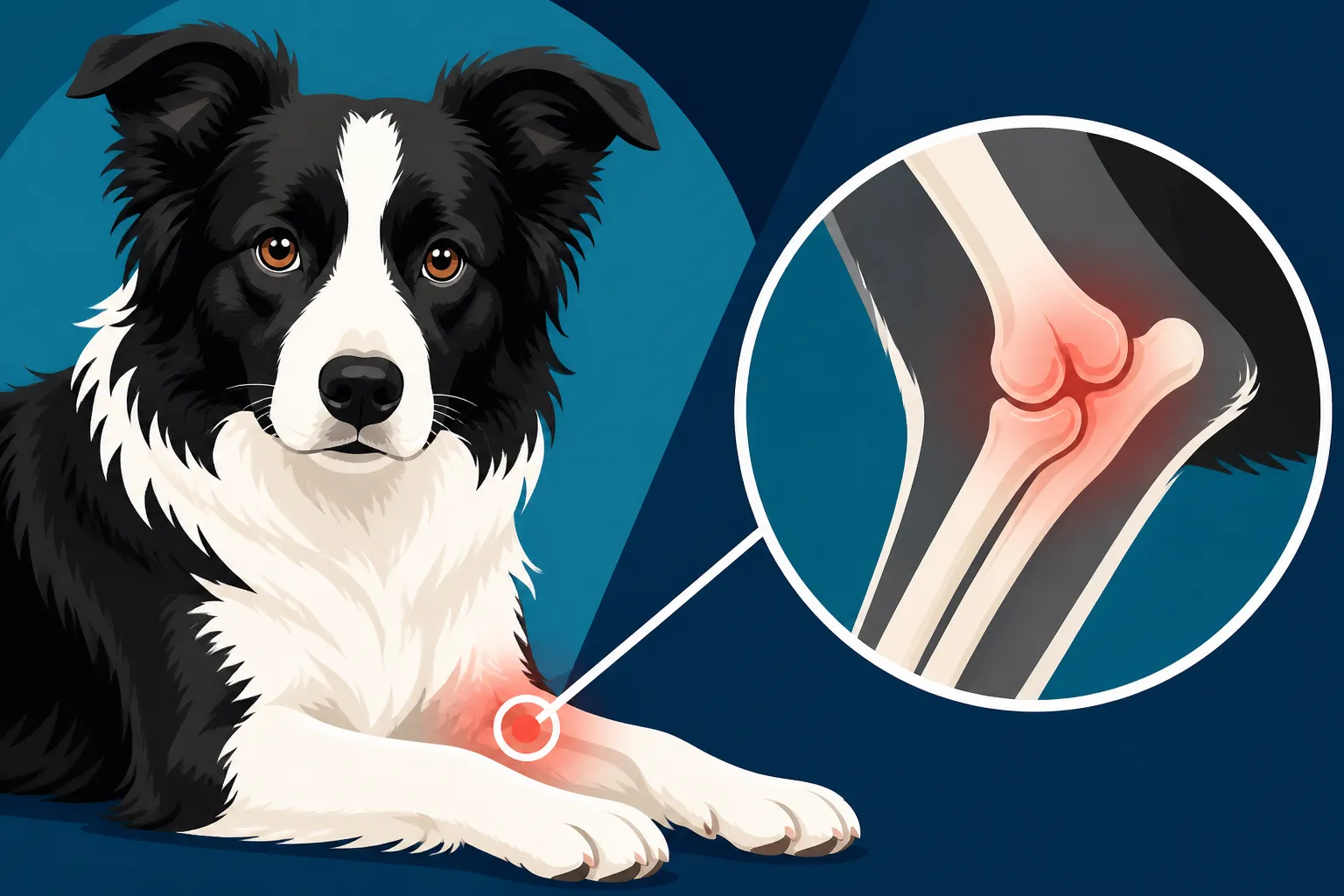
Elbow dysplasia isn't just one single condition; it's a complex developmental disease that encompasses several distinct abnormalities within the elbow joint. This joint, crucial for everything from a Border Collie's lightning-fast turns to their powerful leaps, is formed by three bones: the humerus (upper arm bone), the radius, and the ulna (forearm bones). When these bones don't grow and fit together perfectly, it leads to instability and abnormal wear, setting the stage for pain and degenerative joint disease.
What Exactly Is Elbow Dysplasia?
At its core, elbow dysplasia is a catch-all term for four specific developmental defects that can occur individually or in combination. The primary issues include an ununited anconeal process (UAP), fragmented coronoid process (FCP), osteochondrosis dissecans (OCD) of the humeral condyle, and elbow incongruity (a mismatch in the fit of the joint's bones). These conditions prevent the smooth articulation of the joint, causing friction, inflammation, and ultimately, cartilage damage. Imagine a gear system where the cogs don't quite mesh – eventually, parts will chip and wear down.
For our hardworking Border Collies, who rely so heavily on the integrity of their joints for their physical prowess and daily tasks, this can be devastating. The constant impact and agile movements inherent to their breed, whether on the sheep field or in an agility ring, put immense strain on an already compromised joint. This chronic irritation inevitably leads to the development of osteoarthritis, a progressive and irreversible degeneration of the joint cartilage, which only exacerbates the pain and lameness over time.
Why Border Collies Are Particularly Susceptible
While elbow dysplasia can affect many large and fast-growing breeds, Border Collies, despite often being seen as robust working dogs, do have a predisposition. This susceptibility is rooted in a combination of genetic factors, their rapid growth rate as puppies, and their inherently high activity levels. Breeders have worked diligently to screen for this, using tools like Hip and Elbow Scores in a Border Collie to assess parental stock, but the polygenic nature of the condition means it can still appear even with careful breeding.
Genetics play a significant role, with certain lines showing a higher incidence. Beyond genetics, the incredibly fast growth of a Border Collie puppy can contribute. If the bones of the elbow joint don't grow at precisely the same rate, even a millimeter of discrepancy can lead to incongruity, uneven pressure on the cartilage, and the development of one of the specific elbow dysplasia conditions. Furthermore, the very nature of a Border Collie's drive means they often push themselves hard, sometimes too hard, during their formative months, putting stress on developing joints before they are fully mature. Activities like Impact Work Before a Border Collie Turns Two can exacerbate underlying joint weaknesses, making careful management of a growing puppy's exercise crucial.
Recognizing the Signs: When Your Border Collie's Gait Changes
Catching elbow dysplasia early can make a significant difference in managing the condition and preserving your Border Collie's quality of life. However, Border Collies are notoriously stoic, often hiding pain until it becomes severe, which can make early detection tricky. Their strong work ethic and high pain tolerance mean they might push through discomfort, leading to more advanced issues before symptoms become undeniable.
Subtle Early Indicators and When to Worry
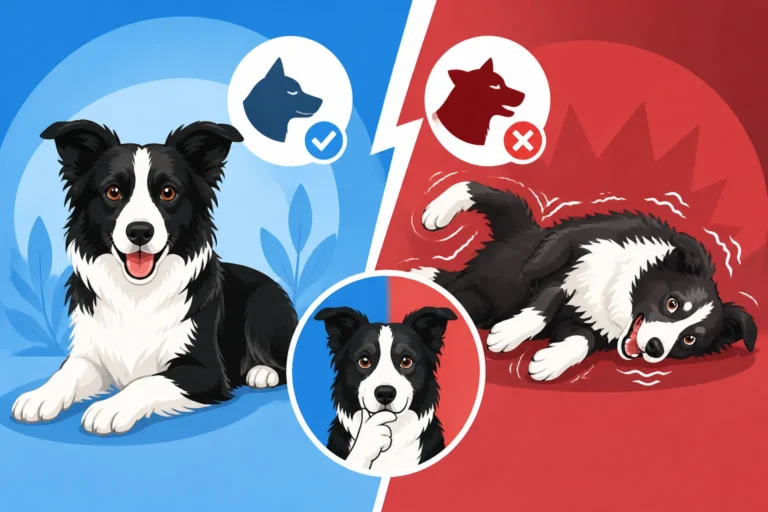
Often, the first signs are incredibly subtle and intermittent. You might notice your Border Collie being a bit stiff after waking up from a nap, or after a particularly intense session of fetch or herding. This stiffness might improve once they've warmed up, only to reappear later. A slight, almost imperceptible lameness in one or both front legs, often described as a "head bob" where their head goes up when the painful leg bears weight, can be an early clue. They might shift their weight differently, or seem hesitant to jump into the car or onto the couch.
Pay close attention if you notice your dog:
- Intermittent lameness: A "good day, bad day" scenario, especially after exercise.
- Reluctance to extend the leg: They might hold the elbow slightly bent, favoring it.
- Licking the elbow: A subtle sign of discomfort.
- Stiffness after rest: Particularly noticeable in the mornings or after prolonged inactivity.
- Changes in play style: They might avoid wrestling with other dogs or chasing balls with the same vigor.
If these subtle signs persist for more than a few days or become more frequent, it's definitely time for a visit to your veterinarian. Early intervention is key.
Progressive Symptoms and How They Manifest
As elbow dysplasia progresses without intervention, the symptoms become more pronounced and consistent. The intermittent lameness will likely become a constant presence, worsening with activity and hardly improving with rest. You might observe a noticeable decrease in their willingness to run, jump, or even go for walks. They may struggle with stairs or getting up from a lying position.
Beyond visible lameness, other progressive signs include:
- Consistent lameness: A clear limp that doesn't resolve.
- Muscle atrophy: The muscles around the affected limb may start to waste away due to disuse, making the leg appear thinner.
- Pain on palpation: Your Border Collie might yelp or flinch when you touch or manipulate their elbow joint.
- Swelling or warmth: In some cases, the joint might feel swollen or warm to the touch due to inflammation.
- Changes in posture: They might sit with one leg held out awkwardly or stand with their weight shifted to their hindquarters to alleviate pressure on the front.
- Behavioral changes: Increased irritability, lethargy, or reluctance to be touched can all be indicators of chronic pain.
It’s easy to dismiss a limp as just a minor strain, but in a breed as active as a Border Collie, persistent changes like The Limp That Shows Up After a Border Collie Works warrant serious investigation rather than just hoping it will resolve on its own.
Differentiating from Other Forelimb Issues
One of the challenges in diagnosing elbow dysplasia is that its symptoms can overlap with other conditions affecting the forelimb. For instance, shoulder issues, such as osteochondrosis dissecans (OCD) in the shoulder joint or bicipital tenosynovitis, can present with similar lameness. Carpal (wrist) joint problems, or even issues originating from the neck or spine, can sometimes manifest as a front leg limp.
Your vet will conduct a thorough physical examination, including palpating the entire limb and assessing range of motion, to help narrow down the possibilities. They'll also observe your dog's gait. For example, a dog with elbow pain might carry their elbow slightly out, while a shoulder issue might show less extension of the entire limb. A key difference with elbow dysplasia is often the painful flexion and extension of the elbow itself, whereas shoulder pain might be more generalized higher up the leg. It’s crucial not to self-diagnose, but rather to allow your veterinarian to systematically rule out other potential causes to arrive at an accurate diagnosis.
The Diagnostic Journey: Getting a Clear Picture
When your Border Collie starts showing signs of lameness, especially the subtle, intermittent kind, the diagnostic journey begins with your trusted veterinarian. They have the expertise to piece together the clues and determine the root cause of your dog's discomfort.
Initial Vet Examination and Palpation
Your vet will start with a comprehensive physical examination, which is often the most critical first step. They'll watch your Border Collie walk, trot, and turn, observing their gait for any abnormalities, head bobs, or changes in how they bear weight. Then comes the hands-on part: palpation. The vet will carefully feel your dog's joints, muscles, and bones, from the neck down to the paws, comparing one side to the other.
During elbow palpation, they’ll be checking for several key indicators:
- Pain response: Do they flinch or vocalize when the elbow is manipulated?
- Range of motion: Can the elbow fully flex and extend? Is there any crepitus (a crunchy sound or feeling) when the joint moves?
- Swelling: Is there any fluid accumulation or thickening around the joint capsule?
- Muscle atrophy: Are the muscles around the affected limb smaller or weaker than the other side?
Sometimes, sedation might be necessary for a thorough examination, especially if the dog is in significant pain or naturally tense. This initial assessment helps the vet pinpoint the most likely area of concern before moving on to more advanced diagnostics.
Imaging Techniques: X-rays, CT Scans, and Arthroscopy
Once the physical exam points towards an elbow issue, imaging becomes essential to confirm the diagnosis and identify the specific type and severity of elbow dysplasia.
Here's a breakdown of common imaging techniques:
-
X-rays (Radiographs): This is usually the first step beyond the physical exam. X-rays allow the vet to visualize the bones and joint space. Specific views are taken of the elbows, often in flexion and extension, to look for signs of osteochondrosis, fragmented coronoid processes, or ununited anconeal processes. While X-rays are good for showing bone changes and the presence of osteoarthritis, they can sometimes miss subtle cartilage lesions or small fragments. For this reason, official elbow scoring for breeding purposes (like those provided by OFA or BVA) relies heavily on standardized radiographic views.
-
CT Scans (Computed Tomography): For a much more detailed view, a CT scan is often recommended. This advanced imaging technique provides cross-sectional images of the joint, giving a 3D perspective. CT scans are particularly excellent at identifying subtle bone fragments, like those associated with a fragmented coronoid process (FCP), and assessing joint incongruity that might be missed on X-rays. Because the joint is so complex, a CT scan offers unparalleled detail in visualizing the bony structures and any minute abnormalities.
-
Arthroscopy: This is a minimally invasive surgical procedure that is both diagnostic and often therapeutic. A tiny camera (arthroscope) is inserted into the elbow joint through small incisions. This allows the veterinary surgeon to directly visualize the cartilage, joint surfaces, and ligaments. Arthroscopy is the gold standard for confirming conditions like FCP and OCD, as it allows for direct observation of cartilage damage and the removal of any loose fragments during the same procedure. It provides the most definitive diagnosis and allows for immediate intervention if needed.
The choice of imaging depends on the initial findings, the vet's suspicion, and the severity of symptoms. Sometimes, a progression from X-rays to CT or arthroscopy is the best path to a precise diagnosis.
The Importance of Early Diagnosis
You might think, "Well, if it's going to get arthritis anyway, what's the rush?" But with elbow dysplasia, early diagnosis is incredibly important. The sooner the specific problem is identified, the sooner appropriate management or surgical intervention can begin. This can significantly slow the progression of osteoarthritis, reduce pain, and improve your Border Collie's long-term comfort and mobility.
For instance, addressing a fragmented coronoid process early can prevent further cartilage damage and erosion that would inevitably lead to more severe Osteoarthritis in a Border Collie by Eight. If left untreated, the continuous irritation and abnormal wear will only worsen, making future treatment more challenging and less effective. Early diagnosis also allows you to make informed decisions about your dog's activity levels and consider potential preventative measures or supplements, potentially delaying the need for more aggressive treatments down the line.
| Diagnostic Tool | What It Shows Best | Invasive? | Anesthesia Required? | Cost (Relative) |
|---|---|---|---|---|
| Physical Exam | Lameness, pain response, range of motion | No | Often not | Low |
| X-rays (Radiographs) | Bone changes, joint space, early signs of OA | No | Often yes | Medium |
| CT Scan | Detailed bone fragments, joint incongruity, 3D view | No | Yes | High |
| Arthroscopy | Direct visualization of cartilage, fragments, ligaments | Yes (minimally) | Yes | High |
Management and Treatment Options: Easing Your Border Collie's Discomfort
Once elbow dysplasia is diagnosed, the focus shifts to managing the condition. This isn't a "one size fits all" situation; treatment plans are highly individualized, considering your dog's age, the severity of their condition, your lifestyle, and your Border Collie's specific needs.
Conservative Approaches: Beyond Just Rest
Many Border Collies with elbow dysplasia can live comfortable lives with a solid conservative management plan. This approach aims to reduce pain and inflammation, slow the progression of osteoarthritis, and maintain muscle strength without surgery.
Key components of conservative management include:
- Weight Management: This is paramount. Every extra pound puts more strain on compromised joints. Maintaining a lean body condition is one of the most impactful things you can do. Work with your vet to determine an ideal weight and a suitable diet plan.
- Controlled Exercise Modification: High-impact activities, sudden stops and starts, and repetitive jumping are often detrimental. Instead, focus on consistent, low-impact exercise like leash walks, swimming, or carefully monitored off-leash time on soft surfaces. A gradual warm-up and cool-down are crucial. You might need to adjust their typical Border Collie energy outlets, perhaps by introducing more Scentwork for a Border Collie Between Trial Seasons or other mental challenges instead of endless fetch.
- Pain Management and Anti-Inflammatory Medications: Your vet may prescribe non-steroidal anti-inflammatory drugs (NSAIDs) to reduce pain and inflammation. Medications like Galliprant or carprofen (Rimadyl) are common choices. Long-term use requires regular monitoring of liver and kidney function. Other pain relievers, such as gabapentin or tramadol, might be used in conjunction with NSAIDs or as alternatives.
- Joint Supplements: Glucosamine, chondroitin sulfate, and omega-3 fatty acids (like fish oil) are commonly recommended. These supplements aim to support cartilage health and reduce inflammation. While not a cure, many owners find them beneficial for comfort. Discuss specific dosages and brands with your vet; popular options include products like Dasuquin or Cosequin. Joint Supplements for a Border Collie Doing Agility are often a staple in performance dog households.
- Physical Rehabilitation (Physiotherapy): This is a game-changer. A certified canine rehabilitation therapist can develop a tailored exercise program to strengthen supporting muscles, improve range of motion, and reduce pain. This can include exercises like therapeutic ultrasound, laser therapy, controlled leash walks, balance exercises, and hydrotherapy (underwater treadmill or swimming). Physiotherapy Costs for a Sport Border Collie can be significant, but the benefits are often invaluable for long-term joint health.
Surgical Interventions: When a Knife Is Necessary
For some Border Collies, particularly those with severe lameness, specific types of elbow dysplasia (like larger FCP fragments, UAP, or significant joint incongruity), or those who don't respond to conservative management, surgery might be the best option. The goal of surgery is to remove the source of irritation, stabilize the joint, and prevent further damage.
Common surgical procedures include:
- Arthroscopic Fragment Removal: For conditions like fragmented coronoid process (FCP) or osteochondrosis dissecans (OCD) with loose cartilage flaps, arthroscopy is often used to remove the irritating fragments. This minimally invasive approach has a faster recovery time and less post-operative pain than traditional open surgery.
- Ulna Ostectomy (Dynamic Proximal Ulnar Osteotomy – DPO or Proximal Abducting Ulnar Osteotomy – PAUL): These procedures address joint incongruity where the ulna is too long relative to the radius. A small section of the ulna is cut and allowed to heal in a way that redistributes weight more evenly across the joint, reducing pressure on the coronoid process.
- Ununited Anconeal Process (UAP) Fixation or Removal: If the anconeal process, a small bony projection, fails to fuse with the ulna, it can cause significant instability and pain. Surgery involves either fixing the fragment back into place with a screw or removing it entirely if it's too fragmented or severely degenerated.
The decision for surgery is a complex one and should be made in close consultation with a board-certified veterinary surgeon. They will discuss the specific procedure, potential risks, expected outcomes, and recovery period.
Post-Surgery Rehabilitation and Long-Term Care
Surgery is often just the beginning of the recovery journey. Post-operative care and rehabilitation are crucial for a successful outcome. Immediately after surgery, strict rest and pain medication are typically required. This is gradually followed by a structured rehabilitation program, often with a certified canine rehabilitation therapist.
This rehab might involve:
- Controlled Leash Walks: Gradually increasing duration and intensity.
- Passive Range of Motion Exercises: Gently moving the joint to prevent stiffness.
- Therapeutic Exercises: To rebuild muscle strength and coordination.
- Hydrotherapy: Swimming or underwater treadmill work can be incredibly beneficial for building muscle without putting stress on the healing joint.
Long-term care involves a continuation of many conservative management strategies: maintaining ideal weight, modifying exercise, ongoing joint supplementation, and potentially intermittent pain medication as needed. Regular check-ups with your vet will be important to monitor the joint and address any new concerns. Remember that even with successful surgery, elbow dysplasia often predisposes a dog to Osteoarthritis in a Border Collie by Eight, so ongoing management will be a lifelong commitment.
Living with Elbow Dysplasia: Adapting for a Full Life
A diagnosis of elbow dysplasia doesn't mean the end of a happy, active life for your Border Collie. It simply means understanding their limitations and making adjustments to ensure their comfort and well-being. It's about adapting, not giving up.
Adjusting Exercise Routines and Lifestyle
This is perhaps the biggest shift for a Border Collie owner. Their natural drive and athleticism mean they often want to push themselves, but with elbow dysplasia, smart management is key. High-impact activities like repetitive ball throwing, frisbee, or intense agility that involve sharp turns and hard landings should be reevaluated or significantly modified. Instead, prioritize consistent, moderate exercise.
Consider these adaptations:
- Regular, controlled walks: Focus on varied terrain, including soft grass or dirt trails, which are gentler on joints than pavement.
- Swimming: This is fantastic non-weight-bearing exercise that builds muscle without stressing the elbows. Many Border Collies love the water.
- Canine fitness exercises: Work with a rehab specialist to develop targeted strength and balance exercises that build supporting muscles safely.
- Mental stimulation: Crucially, a Border Collie's mind needs as much work as its body. Incorporate puzzle toys, training new tricks, Teaching a Border Collie the Names of Its Toys, or scent work games to keep them engaged without physical strain. This can help satisfy their innate need to "work."
- Environment modifications: Provide ramps for beds or cars, use raised food and water bowls, and ensure non-slip flooring to prevent falls.
The goal is to keep them fit and happy, but within the boundaries of what their body can comfortably handle, preventing flare-ups and slowing joint degeneration.
Nutritional Support and Supplementation
Nutrition plays a vital role in managing any chronic joint condition. Beyond maintaining a healthy weight, the quality of your Border Collie's diet can directly impact their joint health.
- High-quality diet: Feed a balanced, high-quality dog food appropriate for their life stage and activity level. Some foods are specifically formulated for joint health, containing higher levels of omega-3 fatty acids or added joint support ingredients.
- Omega-3 Fatty Acids: These powerful anti-inflammatories can be a significant benefit. Look for fish oil supplements that are high in EPA and DHA. Always ensure they are from a reputable source and discuss the correct dosage with your vet.
- Glucosamine and Chondroitin Sulfate: As mentioned before, these are building blocks for cartilage and can help with lubrication and reducing cartilage breakdown. Consistency is key with these supplements.
- Other supplements: Your vet might recommend other supplements like MSM, ASU, or green-lipped mussel, depending on your dog's specific needs.
Remember, supplements are not a magic bullet, but they can be a valuable part of a comprehensive management plan.
Proactive Prevention and Responsible Breeding
For future Border Collie owners, understanding elbow dysplasia and supporting responsible breeding practices is a powerful preventative measure. It's easy to fall in love with a cute puppy, but asking the right questions upfront can save a lot of heartache and expense down the road.
- Research breeders carefully: Look for breeders who perform Hip and Elbow Scores in a Border Collie on all their breeding stock. They should be transparent with these results and able to explain what the scores mean.
- Understand genetics: While testing helps, it's not a guarantee. Even parents with clear elbows can produce affected offspring due to the polygenic nature of the disease. However, choosing parents with excellent scores significantly reduces the risk. Asking a Border Collie Breeder for Test Results is not just acceptable, it's essential.
- Insurance considerations: For any purebred dog, and especially active breeds like Border Collies, pet insurance can be a lifesaver when dealing with conditions like elbow dysplasia. Companies like Healthy Paws offer comprehensive plans that can help cover the costs of diagnosis, surgery, medications, and rehabilitation. Investing in pet insurance early, before any pre-existing conditions arise, can provide immense peace of mind. Discussing options like Insuring a Border Collie Against Epilepsy and Joints with your broker is a smart move.
- Puppy growth management: During the critical growth phase, avoid excessive, forced exercise, especially high-impact activities. Letting a Border Collie puppy dictate their own play on soft surfaces is generally safer than long runs or strenuous training. Avoid activities like Whether a Border Collie Puppy Should Do Stairs until their growth plates are closed.
By being proactive, both in breeding choices and in managing a growing puppy, we can collectively work to reduce the incidence and impact of this challenging condition.
The Emotional Toll on Owners: Navigating a Chronic Condition
Living with a Border Collie diagnosed with elbow dysplasia isn't just a physical journey for your dog; it's an emotional one for you, the owner. You might experience a rollercoaster of feelings, from frustration and sadness to guilt and even anger. This is completely normal and valid.
Dealing with Guilt and Frustration
It's common for owners to feel a sense of guilt, wondering if something they did, or didn't do, contributed to their dog's condition. "Did I exercise them too much when they were a puppy?" "Should I have bought from a different breeder?" These thoughts can be overwhelming. It's important to remember that elbow dysplasia is a complex, often genetic condition, and while management plays a role, you are rarely solely to blame.
Frustration can also mount, especially when progress is slow, or when you have to restrict your naturally high-energy Border Collie from their favorite activities. Watching them limp, despite all your efforts, can be truly disheartening. Give yourself permission to feel these emotions. Acknowledging them is the first step towards coping.
Seeking Support and Information
You don't have to navigate this alone. Your veterinary team is your primary resource, but there are other avenues of support:
- Open communication with your vet: Don't hesitate to ask questions, voice concerns, and seek clarification on treatment plans. They are there to help you and your dog.
- Specialist consultations: If your general practitioner recommends it, don't shy away from consulting with a board-certified veterinary orthopedic surgeon or a canine rehabilitation specialist. Their expertise can be invaluable.
- Online communities and support groups: Connecting with other Border Collie owners who are managing elbow dysplasia can provide a sense of camaraderie, practical tips, and emotional support. Sharing experiences can be incredibly validating.
- Pet insurance: Knowing that your financial burden is eased by a comprehensive plan, like those offered by Healthy Paws, can alleviate significant stress and allow you to focus more on your dog's care rather than the cost.
Remember, your Border Collie still needs your love and attention, even if their body isn't quite what it used to be. By understanding their condition, seeking the best care, and adapting your life together, you can continue to share a fulfilling and joyful bond for many years to come, extending How Long a Border Collie Lives comfortably.
Disclaimer
Please remember that the information provided in this article is for general educational purposes only and should not be considered a substitute for professional veterinary advice. Always consult with a qualified veterinarian for any health concerns or before making any decisions about your Border Collie's health or treatment plan.