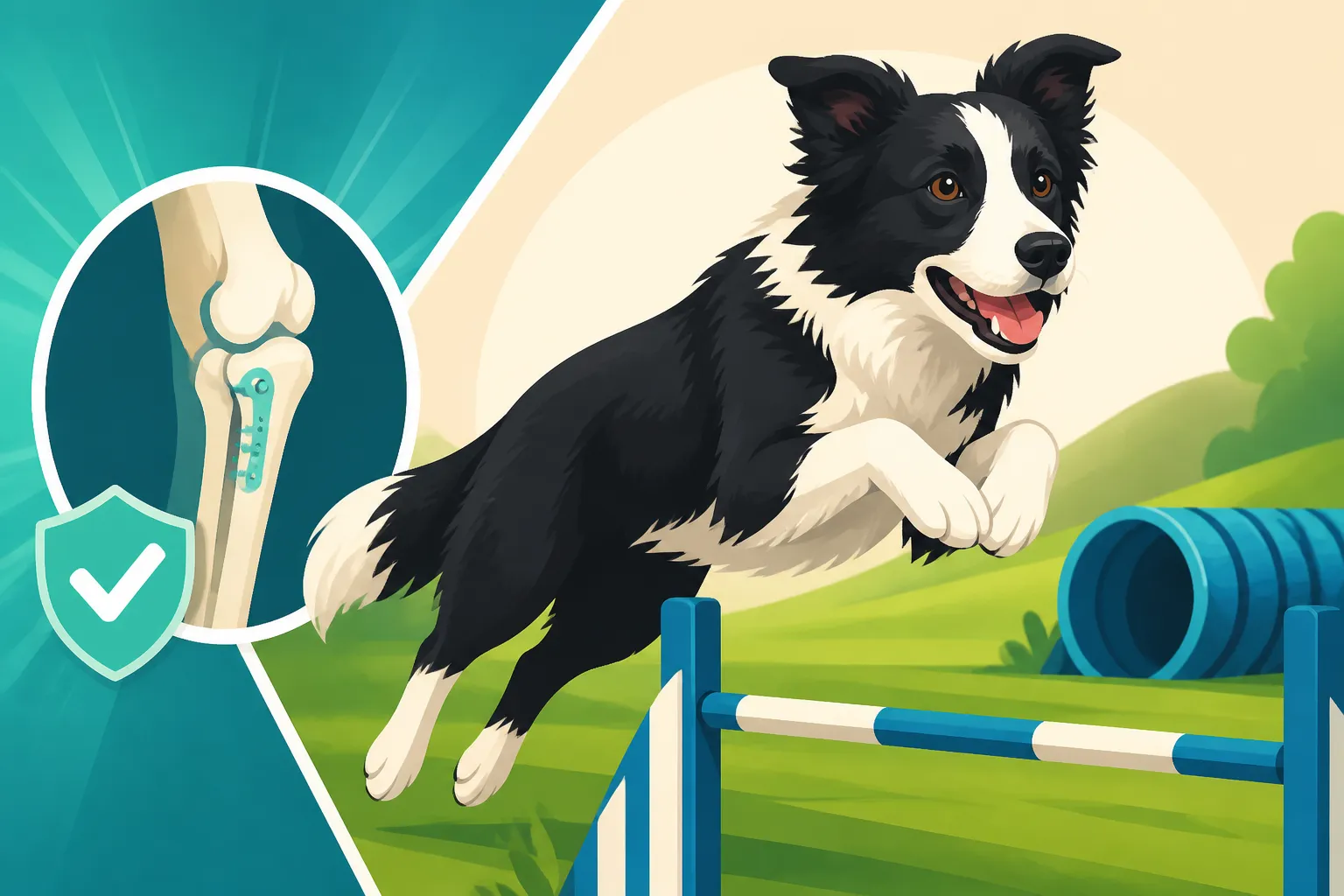
Returning a Border Collie to Agility After TPLO
It’s absolutely heartbreaking to see your vibrant, high-energy Border Collie, a dog born to move, sidelined by an injury like a torn cruciate ligament. The recovery after TPLO (Tibial Plateau Leveling Osteotomy) surgery is a long, often frustrating road, especially when your heart's desire is to get your furry agility partner back on the course. This comprehensive guide will walk you through the realistic steps and considerations for safely and successfully returning your Border Collie to agility after TPLO.
The Immediate Aftermath of TPLO Surgery for a Border Collie
Let's be real: the first few weeks after TPLO surgery are tough. For a Border Collie, a breed renowned for its relentless drive and incredible athleticism, going from 100 mph to absolute zero is a mental and physical challenge for both dog and owner. Your Border Collie doesn't understand why they can't run, jump, and herd. They just know they're not allowed to do what their genetics tell them to do.
Navigating Strict Confinement and Pain Management
The absolute cornerstone of initial TPLO recovery is strict confinement. We’re talking crate rest, folks. No running, no jumping, no stairs, no roughhousing, and certainly no chasing squirrels in the backyard. This isn’t optional; it's critical for the surgical site to heal properly and prevent complications like implant failure or re-injury. For a typical Border Collie, who views confinement as a personal affront to their very existence, this period can feel like an eternity.
You’ll be managing their pain with prescribed medications, which might include NSAIDs (non-steroidal anti-inflammatory drugs), gabapentin for neuropathic pain and sedation, and sometimes muscle relaxers. Administering these to a dog who's already stressed about being confined can be tricky. You might find yourself experimenting with pill pockets, cheese, or even crushing pills into a small amount of wet food. The goal is to keep them comfortable enough to rest, but not so sedated that they can't be safely moved for potty breaks. This is where patience and creative problem-solving truly shine.
Potty breaks are a whole new challenge. Your Border Collie will need to be leashed and slowly, carefully walked outside to do their business, then immediately brought back in. They cannot be allowed to sniff around, pull, or dart off. This requires vigilance and a short leash, literally. Think of it as an extremely controlled, almost ceremonial walk, designed solely for elimination, not exercise or mental stimulation.
The Mental Toll on a High-Drive Dog
One of the biggest struggles isn't just physical healing, but managing your Border Collie's immense mental energy during confinement. A bored Border Collie is a destructive Border Collie, or worse, a dog that develops obsessive behaviors like licking or self-mutilation. You need to provide appropriate mental stimulation without physical exertion.
Puzzle toys, KONGs stuffed with frozen treats, slow feeders, and very gentle trick training (like 'stay' or 'touch' from a lying position) can be lifesaavers. Scent work, even just hiding treats around their crate for them to find, can engage their incredible nose and brain without putting stress on their healing leg. This is also a good time to reinforce calm behaviors. Reward them heavily for lying quietly, for making eye contact, and for engaging with approved enrichment items. Remember, their minds are still fully operational, and they need an outlet. If you're struggling, don't hesitate to reach out to a professional dog trainer or behaviorist for creative ideas tailored to a recovering dog.
Phased Rehabilitation: The Long Road Back to Fitness
Once the initial post-op period is over, and your veterinary surgeon gives the green light, you'll begin the long, slow, and often frustrating journey of physical rehabilitation. This isn't a quick fix; it's a marathon that can take 6-12 months, or even longer, depending on your dog’s specific recovery. Rushing this phase is the fastest way to re-injury, which means going back to square one. This is also where the costs can really add up, so if you've got pet insurance like Healthy Paws, it's a good idea to thoroughly understand your coverage for rehabilitation therapies.
Working with a Certified Canine Rehabilitation Therapist
While your regular vet will monitor surgical healing, a certified canine rehabilitation therapist (CCRT or CCRP) is your best friend during this period. These professionals specialize in canine physical therapy and have the expertise to design a tailored program that progressively challenges your Border Collie without risking their recovery. They know precisely when to introduce new exercises, how to modify them, and how to spot subtle signs of discomfort or compensatory issues that a layperson might miss.
Initial rehab sessions will focus on passive range of motion (PROM) exercises, gentle massage, and cold/heat therapy to reduce swelling and improve flexibility. As healing progresses, they'll introduce therapeutic exercises like controlled weight-bearing activities, standing exercises, and cavaletti poles at very low heights. These early exercises are crucial for rebuilding muscle mass, improving balance, and restoring proprioception (the sense of where the body is in space), which is absolutely vital for an agility dog. The cost for these specialized sessions can vary wildly, but it's an investment in your dog's future soundness. For more on managing these expenses, you might want to look into "Physiotherapy Costs for a Sport Border Collie".
Gradual Progression and Setting Realistic Expectations
The key to successful rehabilitation is gradual progression. Every week, every month, you'll add a little more challenge, a little more duration, and a little more complexity. This isn't about pushing your Border Collie to their limits, but rather gently guiding them back towards strength and mobility.
Here’s a general timeline, though every dog is different:
| Phase | Typical Timeline | Focus Areas | Example Activities |
|---|---|---|---|
| I: Acute Healing | Weeks 1-2 | Pain control, inflammation reduction, strict non-weight bearing, initial scar tissue management. | Crate rest, leashed potty breaks, icing, passive range of motion. |
| II: Early Mobilization | Weeks 3-8 | Gentle weight-bearing, controlled ambulation, restoring muscle activation, preventing atrophy. | Short, controlled leash walks, standing exercises, gentle massage. |
| III: Strength & Balance | Weeks 9-16 | Building strength, improving balance and coordination, increasing endurance, introducing light impact. | Longer leash walks, incline walking, gentle weaving poles, wobble boards, low cavaletti. |
| IV: Sport-Specific Conditioning | Months 4-8+ | Developing power, speed, agility-specific movements, higher impact preparation. | Walking over poles, low jumps, figure-eights, weave foundations (slow). |
| V: Return to Full Activity | Months 8-12+ | Gradual reintroduction to full agility sequences, monitoring for fatigue/pain. | Full height jumps, contact obstacles, weave poles at speed. |
You and your rehab therapist will continuously assess your Border Collie's progress, looking for signs of fatigue, lameness, or reluctance. It's not uncommon to hit plateaus or experience minor setbacks. This is where your ability to adjust the plan and maintain a positive attitude is crucial. Your Border Collie is watching you for cues, and your calm confidence will help them through it.
The Agility Reintroduction Protocol: Slow and Steady Wins the Race
The moment you've been dreaming of, right? Getting back to agility! But hold your horses (or rather, your Border Collie). This isn't about throwing them back into a full course. It's about meticulously rebuilding their skills and confidence on the equipment, ensuring their repaired leg is up to the task. Remember, your Border Collie's drive might tell them they're ready, but their body needs you to be the rational one.
Rebuilding Foundational Skills and Confidence
Before any serious agility equipment comes into play, you need to ensure your Border Collie has excellent body awareness, core strength, and the ability to safely perform basic movements. Start with very simple exercises:
- Walking over poles: Lay flat poles on the ground. Have your dog walk over them, focusing on precise foot placement. This helps with proprioception and encourages proper limb segmentation. Gradually raise them just an inch or two as strength improves.
- Low, straight jumps: Introduce a jump bar at its absolute lowest setting. Focus on a straight approach and landing. No turns, no speed, just a simple, single jump. Build up to two or three in a line, maintaining a straight path.
- Weave pole foundation: If your dog was already proficient, start with channel weaves or 2×2 training, but go slowly. The lateral movement of weaves puts unique stress on the hocks and stifles, so absolute precision and controlled movement are paramount. For more advanced guidance on this, consider exploring "Iliopsoas Strain and Why a Border Collie Slows on Turns".
- Balance work: Continue with wobble boards, balance discs, and walking on uneven surfaces. This strengthens stabilizing muscles and improves overall body control, reducing the risk of a misstep during an agility run.
The goal here is not speed or flashy performance, but controlled, correct movement. Reward every small success with enthusiastic praise and treats. You're not just rebuilding physical strength; you're also rebuilding their confidence and positive association with the equipment.
Progressing to Obstacles and Full Courses
As your Border Collie’s strength and confidence grow, you can gradually introduce other obstacles, always under the guidance of your rehab therapist and experienced agility instructor.
- Contact obstacles (A-frame, dog walk, teeter): Start with lowered A-frames and dog walks, or use planks on the ground to simulate the incline. Emphasize slow, controlled descents and precise contact zone performance. The impact of coming off these obstacles can be significant, so building strength to absorb that impact is critical. The teeter should be introduced last, as the movement and sound can be startling and challenging for a recovering leg.
- Tunnels: Tunnels are generally less impactful than jumps or contacts, but ensuring your dog can navigate them without twisting or turning sharply is important. Start with short, straight tunnels, then gradually introduce curves.
- Full Course Integration: Only when your Border Collie can confidently and soundly perform all individual obstacles at appropriate heights and speeds should you even consider putting them into a short sequence. Start with very short, simple sequences, focusing on smooth transitions and perfect execution, not speed. Gradually lengthen the sequences and introduce more complex turns. Always stop before your dog shows any signs of fatigue or lameness.
Monitor your dog meticulously after each training session. Is there any new stiffness? Are they favoring the leg? A slight limp after a session means you pushed too hard. It’s a delicate balance, and sometimes the hardest part is reigning in your enthusiastic Border Collie who is desperate to get back to full speed.
Long-Term Management and Sustaining Agility Success
Getting back to agility after TPLO is a huge accomplishment, but it’s not the end of the journey. Your Border Collie will likely require ongoing management to maintain their soundness and prevent future injuries. This is a commitment for the rest of their life.
Ongoing Conditioning and Proactive Joint Care
Once your Border Collie has successfully returned to agility, don’t drop their conditioning routine. Regular strength and core exercises should become a permanent part of their regimen. Think of it like an athlete's maintenance program. This includes continued balance work, controlled strength exercises, and proper warm-ups and cool-downs before and after every agility session.
Joint supplements can play a crucial role in supporting long-term joint health. Look for supplements containing glucosamine, chondroitin, MSM, and Omega-3 fatty acids (like fish oil). These ingredients are believed to support cartilage health, reduce inflammation, and improve joint lubrication. Brands like Nutramax's Dasuquin Advanced or Cosequin are popular choices recommended by many veterinarians and canine rehab specialists. Discuss these options with your vet to find the best fit for your Border Collie. You can explore this further with "Joint Supplements for a Border Collie Doing Agility".
Recognizing Signs of Fatigue or Pain
Even after full recovery, it's essential to remain vigilant for any signs that your Border Collie might be struggling. Their desire to work can sometimes mask discomfort until it becomes a significant issue. Be aware of subtle changes:
- Changes in gait: A slight head bob, a shorter stride, or favoring one leg.
- Reluctance to perform: Hesitation on certain obstacles, slower contacts, or less enthusiasm than usual.
- Stiffness: Especially after rest or in the morning.
- Licking or chewing: Excessive licking of the surgical site or other joints.
- Behavioral changes: Increased irritability, less interest in play, or seeking solitude.
If you notice any of these signs, don't ignore them. Scale back training immediately and consult your vet or rehab therapist. Early intervention can prevent a minor issue from becoming a major setback.
Adjusting Expectations for Competitive Levels
While many Border Collies return to high-level agility after TPLO, it’s important to be realistic. Some dogs may not reach their previous speed or jumping heights. Others might only be able to compete for a few more years before needing to retire. The most important thing is your dog’s comfort and happiness.
Your priority should always be the well-being of your beloved companion, not ribbons or titles. Celebrate every small victory – a clean run, a happy wagging tail, the joy in their eyes when they’re back on the course, even if it’s not at champion speed. If your pet insurance provider, like Healthy Paws, has been a significant help through the TPLO and rehab process, they're likely also there for future age-related joint issues or unexpected health concerns, allowing you to focus on your dog's quality of life. Sometimes, that means gracefully transitioning to lower-impact sports like rally obedience or advanced trick training, or simply enjoying leisurely walks and mental games together. The bond you share is far more valuable than any trophy.
Disclaimer
The information provided in this article is for general informational purposes only and is not a substitute for professional veterinary advice, diagnosis, or treatment. Always seek the advice of your veterinarian or other qualified health provider with any questions you may have regarding a medical condition or treatment, and before undertaking a new health care regimen for your Border Collie.