Iliopsoas Strain and Why a Border Collie Slows on Turns
It's incredibly frustrating when your otherwise zippy Border Collie starts showing a subtle change, especially something as critical as slowing down on turns. One minute they're effortlessly carving circles around the sheep or rocketing through an agility course, and the next, you notice a hesitation, a wider turn, or a slight stiffness that wasn't there before. This change can be a quiet alarm bell for owners, hinting at discomfort that isn't always obvious. Among the possible culprits for this specific kind of movement alteration, iliopsoas strain is a common, yet often overlooked, injury in highly athletic dogs like our Border Collies. This guide will walk you through what iliopsoas strain is, why it often presents as a reluctance to turn sharply, and how we can help our beloved working dogs recover and prevent recurrence.
Understanding Iliopsoas Strain in Border Collies
The iliopsoas muscle group might not be a household name, but for a Border Collie, it's absolutely crucial for every explosive movement they make. When this muscle group gets strained, it can significantly impact their performance and comfort.
What is the Iliopsoas Muscle Group?
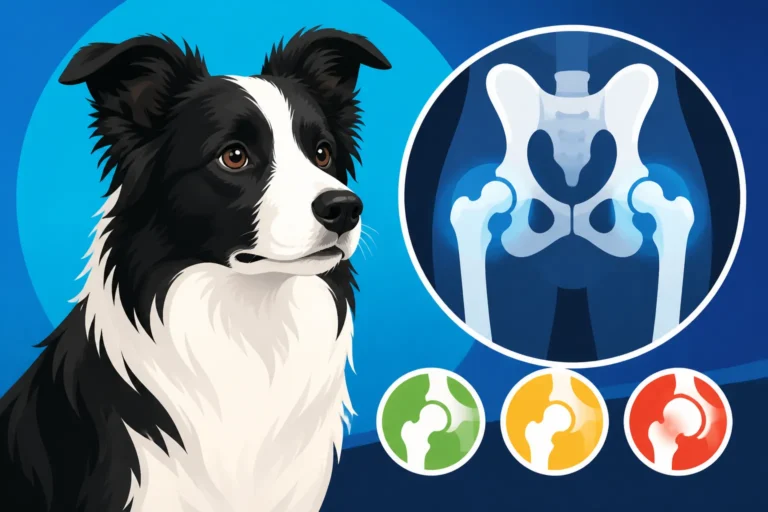
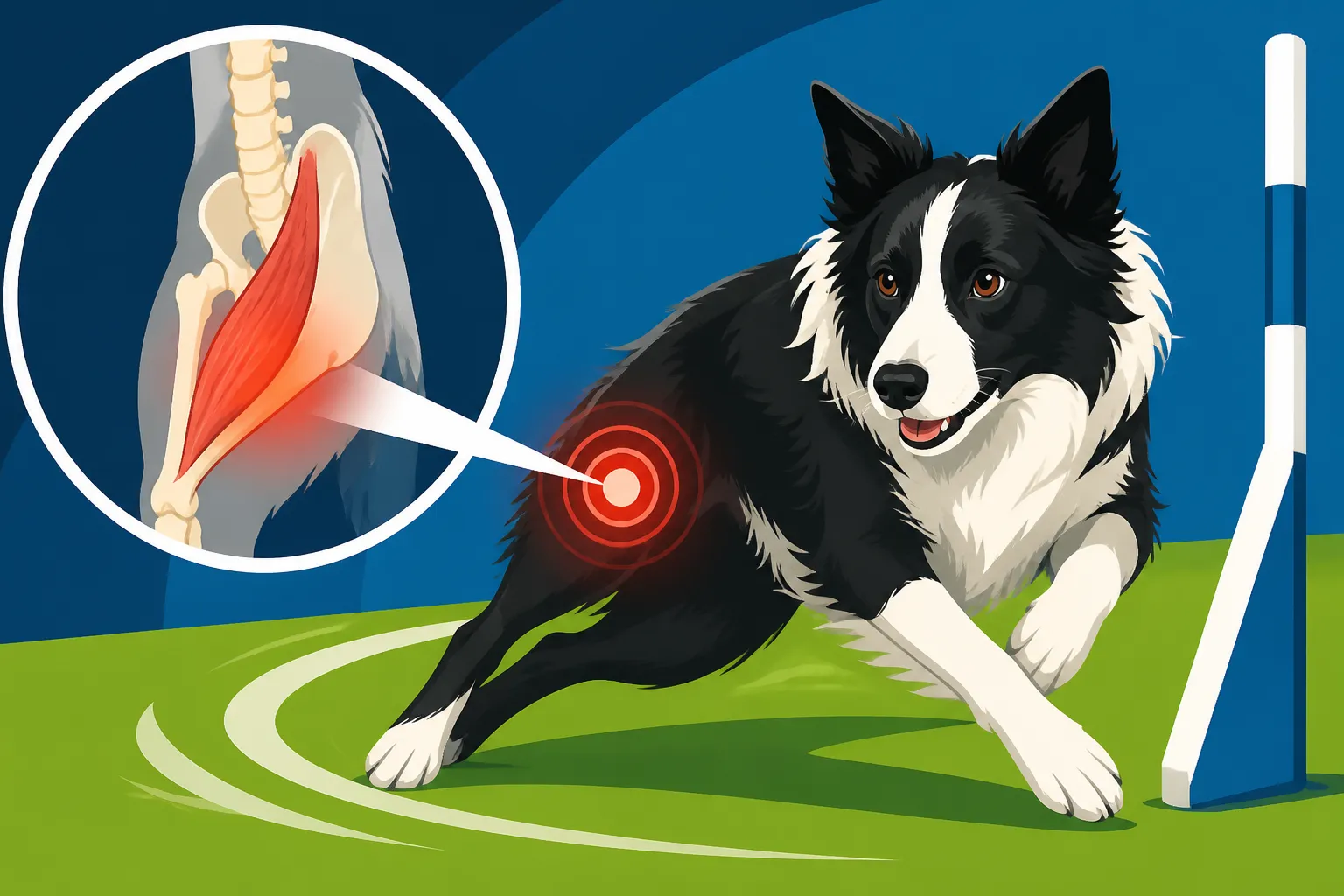
Let's break down what we're talking about here. The iliopsoas isn't just one muscle; it's a powerful team composed of the iliacus and the psoas major. These muscles originate from the lumbar vertebrae (lower back) and the pelvis, then run down and insert into the lesser trochanter of the femur (thigh bone). Think of it as a bridge connecting the spine and pelvis to the leg.
Their primary job? They are the main flexors of the hip, meaning they're responsible for lifting the leg forward. Beyond that, they also play a significant role in external rotation of the hip and provide crucial stability to the lumbar spine. For a Border Collie, these functions are literally at the core of their athleticism. Every high-speed sprint, every tight turn, every jump, every collection before a stop – the iliopsoas muscles are heavily engaged. Without them functioning optimally, their entire kinetic chain is compromised. It’s a group of muscles that’s constantly working, often under immense pressure.
How Does Strain Occur?
An iliopsoas strain happens when these powerful muscle fibers are overstretched or torn, ranging from mild micro-tears to more severe, partial ruptures. The mechanisms of injury are pretty consistent in active dogs. It often occurs during sudden, forceful extensions of the hip joint when the muscle is contracting, or during extreme abduction (leg moving away from the body) and external rotation.
Imagine your Border Collie executing a lightning-fast "Away to Me" command, pivoting sharply to gather sheep, or driving hard off their hindquarters for a frisbee catch. These kinds of movements, especially if repetitive or performed on slick surfaces, put immense stress on the iliopsoas. A common scenario might be a dog sliding into a stop, taking an awkward jump, or even getting tangled during play with another dog. It’s not always a single catastrophic event; sometimes, it’s the cumulative effect of small stresses that finally leads to a noticeable strain. These repetitive microtraumas can weaken the muscle over time, making it more vulnerable to a significant injury down the line.
Why Border Collies Are Particularly Susceptible
It almost goes without saying, but Border Collies are canine athletes through and through. Their entire design, from their intelligent minds to their agile bodies, is geared towards high-intensity, explosive work. This very nature, unfortunately, also makes them prime candidates for injuries like iliopsoas strain.
Think about the unique demands of their work:
- Herding: They spend hours performing sharp turns, sudden accelerations, and quick stops, often on varied and uneven terrain. A Border Collie might need to crouch low, burst forward, then slam on the brakes to change direction instantly, all while maintaining that intense Border Collie Stare. These movements are a textbook recipe for iliopsoas stress.
- Agility: Weaving poles, tight turns around jump standards, collection before a contact obstacle, speeding through tunnels – these are all actions that heavily engage and challenge the iliopsoas. The speed and precision required in agility mean that even a slight misstep or awkward landing can lead to strain. If you've been working your dog on Impact Work Before a Border Collie Turns Two, you know how careful you need to be with their developing bodies.
- Flyball and Disc Dog: Explosive starts, aerial maneuvers, hard landings, and fast retrieves demand powerful hindquarter engagement, which directly involves the iliopsoas.
- General Enthusiasm: Even in a pet home, a Border Collie's relentless drive for fetch or their zoomies around the yard can be enough. They push themselves to their physical limits, often ignoring discomfort, which can exacerbate an underlying issue.
This combination of intense physical activity, quick changes in direction, and their inherent "go-go-go" mentality makes the iliopsoas a vulnerable area for them. Understanding this inherent risk is the first step in both prevention and early detection.
Recognizing the Signs and Symptoms
Catching iliopsoas strain early can make a world of difference in your Border Collie's recovery and long-term well-being. The signs can be subtle at first, often mistaken for general stiffness or just "being tired."
The Tell-Tale Slowing on Turns
This is often the most specific and frustrating symptom for owners of active Border Collies. You'll notice your dog, who once took corners like a race car, now seems hesitant, widens their turns, or simply slows down significantly when asked to change direction, especially on one side. This might be most evident during:
- Herding trials: A Border Collie might struggle with the "Come Bye" or "Away to Me" commands, widening their flank or seeming less efficient.
- Agility courses: They might knock bars on turns, skip weave poles, or be noticeably slower through a serpentines or pinwheels.
- Fetch games: Instead of a tight turn to retrieve the ball, they might take a wider arc or skid, showing a reluctance to put weight on the affected leg during the pivot.
- Everyday activities: Climbing stairs or jumping into the car might become more difficult, or they might seem less enthusiastic about initiating play.
The crucial difference here is that it's not a classic limp like you'd see with a Cruciate Tears in a Border Collie or even a clear lameness from Hip Dysplasia in a Border Collie That Runs All Day. Instead, it's a functional lameness that manifests most clearly during specific movements that engage the iliopsoas, primarily hip flexion and external rotation. They're often trying to compensate by using their back differently or shifting weight, which can make diagnosing it tricky without a keen eye. The dog might not even cry out in pain; they just modify their movement to avoid discomfort.
Other Clinical Indicators
While slowing on turns is a strong hint, it’s rarely the only sign. Keep an eye out for these other indicators:
- Reluctance to jump or climb: Getting into the car, jumping on the sofa, or navigating stairs might become challenging or cause obvious discomfort. They might hesitate, take smaller jumps, or use their front legs more to pull themselves up.
- Stiffness or soreness: Especially after periods of rest or in the morning, your Border Collie might appear stiff, particularly in their hindquarters or lower back. This often eases slightly with movement but can return after activity. You might notice them stretching more frequently or in unusual ways.
- Changes in posture or gait: They might carry their tail lower, arch their back, or show a slightly shortened stride in their hind legs. When walking, they might seem to "bunny hop" or lift both hind legs simultaneously to avoid full extension of the hip.
- Pain on palpation: A skilled veterinarian or canine physiotherapist will be able to pinpoint pain by gently pressing on the iliopsoas muscle group, deep in the groin area. Your dog might yelp, flinch, or pull away during this examination.
- Decreased range of motion: They might resist full extension of the hip joint. You might also notice muscle atrophy (wasting) in the affected hind leg over time if the injury is chronic.
- Behavioral changes: A normally exuberant Border Collie might become quieter, less playful, or even irritable due to chronic pain. They might avoid certain movements, seek out warmth, or generally seem "off." Don't dismiss these subtle changes; they're often your dog's way of communicating discomfort.
Differentiating from Other Conditions
Diagnosing iliopsoas strain can be a bit of a puzzle because its symptoms can mimic those of several other conditions commonly seen in active dogs. This is why a thorough veterinary examination is absolutely essential.
- Hip Dysplasia: Both can cause hind leg lameness and reluctance to jump. However, hip dysplasia usually involves degenerative changes in the hip joint itself, leading to laxity and arthritis. Iliopsoas strain is a soft tissue injury. Your vet will look for crepitus (grating sound) in the hip joint or abnormal hip conformation during examination.
- Cruciate Ligament Injuries: A partial or full tear of the cranial cruciate ligament (CCL) often results in a distinct lameness, usually a "toe-touching" gait, and a positive "cranial drawer" or "tibial thrust" test. While a cruciate tear might affect a dog's ability to turn, it's typically more overtly debilitating and consistent than the intermittent slowing associated with iliopsoas strain.
- Lower Back Pain/Disc Issues: Problems in the lumbar spine can certainly cause hind leg pain and stiffness. A bulging or herniated disc might lead to nerve impingement, resulting in lameness, weakness, or even paralysis. The key difference is often the location of the primary pain response during palpation and neurological signs.
- Sacroiliac (SI) Joint Dysfunction: The SI joint connects the spine to the pelvis. Issues here can cause hind end lameness, stiffness, and discomfort, especially during certain movements. Palpation and specific orthopedic tests help differentiate this from iliopsoas issues.
- Other Soft Tissue Injuries: Other muscle groups (like the hamstrings or quadriceps) or tendons in the hip region can also be strained. The precise location of pain upon palpation is critical for distinguishing these.
Because of this overlap, your vet will perform a comprehensive orthopedic and neurological exam to rule out these other conditions. This might involve gait analysis, range of motion assessments, and specific palpation techniques to identify the exact source of pain. Often, the process of elimination plays a significant role in reaching an accurate diagnosis. You might also want to look into The Limp That Shows Up After a Border Collie Works for more general lameness considerations.
Diagnosis and Treatment Options
Once you suspect an iliopsoas strain, the next crucial step is getting an accurate diagnosis from your veterinarian. This will pave the way for effective treatment and management.
Getting an Accurate Diagnosis
Don't try to self-diagnose based on internet research alone; your vet is your best resource. When you bring your Border Collie in, be prepared to provide a detailed history of their activities, when you first noticed the symptoms, and what makes them better or worse.
- Thorough Physical Examination: Your veterinarian will conduct a comprehensive orthopedic and neurological exam. This includes observing your dog's gait, assessing range of motion in all joints, and carefully palpating muscles and joints. They will specifically look for pain response when the iliopsoas muscle is stretched or compressed, often by simultaneously extending the hip and abducting the limb.
- Ruling Out Other Conditions: As discussed, many conditions can mimic iliopsoas strain. Your vet will perform tests to rule out hip dysplasia, cruciate ligament issues, and spinal problems. This might involve specific orthopedic tests like the "cranial drawer test" for the knee.
- Diagnostic Imaging:
- Radiographs (X-rays): While X-rays don't show soft tissue injuries like muscle strains directly, they are crucial for ruling out bone fractures, severe arthritis, or certain spinal issues.
- Ultrasound: This is often the most valuable diagnostic tool for iliopsoas strain. A skilled veterinarian or specialist can use ultrasound to visualize the muscle fibers, identify tears, inflammation, or scar tissue within the iliopsoas group. It's non-invasive and provides real-time imaging.
- MRI (Magnetic Resonance Imaging): For more complex or persistent cases, an MRI can provide the most detailed images of soft tissues, including muscles, tendons, ligaments, and nerves. While more expensive and requiring general anesthesia, an MRI can confirm the diagnosis definitively and rule out other subtle soft tissue injuries.
- CT Scan: Less common for iliopsoas strain itself, but useful for evaluating bone or complex joint issues that might be contributing to similar symptoms.
The diagnostic process is often about putting all the pieces of the puzzle together – your observations, the vet's clinical findings, and diagnostic imaging.
Conservative Management Strategies
Most cases of iliopsoas strain in Border Collies respond well to conservative, non-surgical management. The goal is to reduce pain and inflammation, promote healing, and gradually restore strength and function.
- Rest and Activity Restriction: This is paramount. Your Border Collie's intense drive can be their worst enemy here. Strict rest means no running, jumping, playing, or off-leash activity. Leash walks for bathroom breaks only are typically recommended for several weeks. This can be tough for a high-energy dog, but it's essential for the muscle to heal without re-injury. You might need strategies to settle an active Border Collie on a Mat.
- Anti-inflammatory Medications:
- NSAIDs (Non-Steroidal Anti-inflammatory Drugs): Your vet will likely prescribe an NSAID like carprofen (Rimadyl), meloxicam (Metacam), or firocoxib (Previcox) to reduce pain and inflammation. Always follow your vet's dosing instructions carefully.
- Muscle Relaxants: In some cases, if muscle spasms are significant, a muscle relaxant may be prescribed.
- Cold and Heat Therapy:
- Cold therapy (ice packs): Immediately after injury or during acute inflammation (first 24-48 hours), applying cold packs for 10-15 minutes several times a day can help reduce swelling and pain.
- Heat therapy: Once the acute inflammation subsides, warm compresses or heating pads can be used before gentle exercise or massage to improve blood flow and muscle relaxation.
- Physical Rehabilitation (Physiotherapy): This is absolutely critical for successful long-term recovery. A certified canine rehabilitation therapist will design a tailored program. This might include:
- Passive Range of Motion (PROM) exercises: Gentle movements of the limb to maintain flexibility.
- Therapeutic exercises: Controlled exercises to strengthen the iliopsoas and surrounding muscles, such as cavaletti poles, controlled walking on inclines, or specific core-strengthening exercises.
- Hydrotherapy: Underwater treadmill or swimming can provide low-impact exercise to build strength and endurance without stressing the injured muscle.
- Manual therapies: Massage, stretching, and joint mobilizations performed by the therapist.
The recovery period can range from several weeks to a few months, depending on the severity of the strain. Patience and strict adherence to the rehabilitation plan are key. Remember to factor in Physiotherapy Costs for a Sport Border Collie as part of your The Annual Border Collie Budget Nobody Plans For. Many pet insurance providers, like Healthy Paws, often cover these rehabilitation costs, which can be a huge relief.
Advanced Treatments and Surgical Considerations
For cases that don't respond to conservative management, or for more severe, chronic injuries, advanced therapies might be considered.
- Therapeutic Laser Therapy (Class IV Laser): This non-invasive treatment uses specific wavelengths of light to stimulate cellular repair, reduce inflammation, and alleviate pain. It can accelerate healing and is often incorporated into rehabilitation protocols.
- Acupuncture: Some dogs respond well to acupuncture, which involves inserting fine needles into specific points on the body to promote natural healing and pain relief. It can be a good complementary therapy, especially for chronic pain.
- Extracorporeal Shockwave Therapy (ESWT): This therapy delivers high-energy sound waves to the injured tissue, stimulating blood flow, promoting tissue regeneration, and reducing pain. It's often used for chronic tendon or ligament injuries and can be effective for persistent iliopsoas issues.
- Platelet-Rich Plasma (PRP) Therapy: PRP involves drawing a small amount of your dog's blood, processing it to concentrate the platelets (which are rich in growth factors), and then injecting the PRP directly into the injured muscle. These growth factors can enhance tissue repair and reduce inflammation.
- Stem Cell Therapy: Similar to PRP, stem cell therapy uses the body's own regenerative cells to promote healing. Stem cells, often harvested from fat tissue or bone marrow, are processed and injected into the injury site.
- Surgical Intervention: Surgery for iliopsoas strain is rare and typically reserved for chronic, severe cases where conservative management and advanced therapies have failed, and the dog remains significantly debilitated. The procedure, called an iliopsoas tenotomy or myectomy, involves surgically releasing or cutting the tendon to alleviate chronic pain and allow scar tissue to remodel. This is a last resort, as it carries its own risks and requires a significant recovery period.
Before considering any advanced or surgical options, it's always best to consult with a board-certified veterinary surgeon or a sports medicine specialist. They can help you weigh the pros and cons and determine the best course of action for your Border Collie. It's also worth noting that many comprehensive pet insurance plans, such as those from Healthy Paws, often cover these more advanced treatments, which can make them more accessible.
Prevention and Management for Active Border Collies
The best treatment, as they say, is prevention. For our active Border Collies, protecting their iliopsoas muscles means being mindful of their activities and providing the right support.
Importance of Proper Warm-Up and Cool-Down
Just like human athletes, Border Collies need to prepare their bodies for exertion and allow them to recover afterward. Skipping these steps is a huge risk factor for soft tissue injuries.
- Warm-Up: Before any intense activity (herding, agility, long runs), dedicate 5-10 minutes to warming up. This could involve:
- Leash walking: A brisk walk to get the blood flowing.
- Dynamic stretches: Gentle trotting, play bows, or controlled movements like figure-eights at a walk or slow trot.
- Light play: A few minutes of low-intensity fetch or tug to get muscles engaged without full exertion.
- Massage: A quick, gentle massage over major muscle groups can also help.
The goal is to increase blood flow, warm the muscles, and improve flexibility, making them less prone to tearing.
- Cool-Down: After intense work, a cool-down is just as vital. This helps remove metabolic waste products from the muscles and prevents stiffness.
- Slow walking: 5-10 minutes of relaxed leash walking.
- Gentle stretching: Passive stretches, holding each for 15-30 seconds, never forcing the stretch. Focus on the hind limbs and back.
- Water breaks: Ensure your dog has access to water during and after work to stay hydrated.
- Massage: A longer, more relaxing massage can help soothe tired muscles.
Remember, a tired Border Collie might still want to "go," but it's your job to enforce these crucial recovery periods.
Conditioning and Strengthening Exercises
A strong, well-conditioned dog is less likely to suffer strains. Focusing on core strength, proprioception (body awareness), and overall fitness is key.
- Core Strength: A strong core supports the spine and helps stabilize the pelvis, taking stress off the iliopsoas. Exercises like controlled "sit-stands," cavaletti poles at a walk, and gentle incline walking can help. Using unstable surfaces like balance discs or wobble boards (under supervision) can also build core strength and body awareness.
- Controlled Movements: Instead of constant high-speed sprints and tight turns, incorporate exercises that require controlled, precise movements. This could be slow, deliberate weaving around cones, walking over varied surfaces, or practicing heel work with precise turns.
- Proprioceptive Exercises: These help your dog know where their body is in space, improving coordination and reducing missteps. Walking over uneven ground, stepping over small obstacles, or using balance equipment all contribute to this.
- Overall Fitness: Ensure your Border Collie maintains a healthy weight and has a balanced exercise routine that includes different types of movement, not just repetitive high-impact activities. For ideas on What a Border Collie Does With Its Whole Day, think about incorporating mental stimulation alongside physical exercise.
Regular check-ups with your vet or a canine physiotherapist can help identify any weaknesses or imbalances before they lead to injury. They can also recommend specific exercises tailored to your dog's needs and activity level.
Modifying Activities and Environmental Factors
Sometimes, prevention means making smart choices about how and where your Border Collie works and plays.
- Surface Considerations: Pay attention to the surfaces your dog is working on. Slippery floors, deep sand, or very hard surfaces can increase the risk of iliopsoas strain. Try to work on firm, yielding surfaces that provide good traction. Be mindful of working on stubble or very rough ground which can cause Pad Damage on a Border Collie Working Stubble.
- Adjusting Training: If your dog is consistently performing the same intense movements, introduce variety. Instead of endless retrieve games with sharp turns, incorporate straight-line sprints, swimming, or mental challenges like scent work. Be conscious of repetitive movements that might lead to Sport Injuries a Border Collie Picks Up.
- Knowing Limits: Every dog has limits. Learn to read your Border Collie's subtle cues. Are they starting to lag? Are their turns getting wider? Are they showing any signs of discomfort? Pushing them through fatigue significantly increases injury risk. This is particularly important when considering What Ends a Border Collie's Working Life, as chronic injuries can shorten their active years.
- Appropriate Footwear: While not common for everyday use, dog boots can sometimes offer protection or extra traction on certain surfaces, especially in extreme weather conditions or if pads are sensitive.
- Regular Veterinary Check-ups: Ensure your dog has yearly check-ups, and if they are a working or sport dog, consider more frequent visits or consultations with a sports medicine vet. Early detection of minor issues before they become major injuries is invaluable. Consider checking your Insuring a Border Collie Against Epilepsy and Joints to see what types of preventative and rehabilitative care your plan covers.
By being proactive with warm-ups, conditioning, and smart management of their activities, you can significantly reduce the risk of your Border Collie developing iliopsoas strain and help them enjoy a long, active, and comfortable life.
Seeing your Border Collie slow down on turns is more than just a performance issue; it's a sign that something is amiss with their physical well-being. Iliopsoas strain, while common in these incredible athletes, requires your keen observation and a proper veterinary diagnosis to ensure the right path to recovery. With careful management, rest, targeted physical rehabilitation, and a proactive approach to their conditioning and activity, most Border Collies can recover well and continue to enjoy their active lives. Your dedication to their health is the most important factor in keeping them happy and sound.
Disclaimer
This article is intended for informational purposes only and does not constitute professional veterinary advice. Always consult with a qualified veterinarian for any health concerns or before making any decisions related to your pet's health or treatment.