Yearly Bloodwork for a Border Collie
Many Border Collie owners, myself included, often wonder if that annual vet visit for vaccinations is truly enough, especially when our dogs seem like bundles of endless energy. It’s easy to think a healthy-looking dog needs nothing more, but beneath that sleek coat and those bright, intelligent eyes, things can be brewing silently. This comprehensive guide will walk you through why yearly bloodwork isn't just a good idea, but a crucial part of proactive care for your Border Collie, helping to catch potential health issues early and keep them thriving for years to come.
Why Yearly Bloodwork Isn't Just for Old Dogs
It’s a common misconception that bloodwork is something you only need to consider when your Border Collie is showing signs of slowing down, looking a bit gray around the muzzle, or already dealing with a visible health issue. The truth is, these incredibly athletic and often stoic dogs are masters at hiding discomfort and illness until a condition is quite advanced. They’re bred to work, to push through, and their drive can mask subtle changes that, if caught early, could lead to far better outcomes.
Think about it: your Border Collie might still be bringing you the ball with unwavering enthusiasm, or rounding up the kids (or the cat!) with that intense, focused stare. Yet, internally, their kidneys might be working harder than they should, or their thyroid could be starting to underperform. These kinds of changes don't typically manifest with obvious symptoms until they've progressed significantly. By the time you notice your dog drinking more, losing weight inexplicably, or becoming lethargic, the issue often requires more intensive, and sometimes more expensive, treatment. Proactive yearly bloodwork provides an invaluable snapshot of what’s happening on the inside, allowing your vet to establish a baseline for your dog's normal and spot deviations before they become major problems. It's about staying ahead of the curve, rather than always playing catch-up.
Moreover, yearly bloodwork serves as a crucial screening tool before any procedures requiring anesthesia. Whether it's a routine dental cleaning, a lump removal, or something more complex, pre-anesthetic bloodwork ensures that your Border Collie's internal organs, particularly the liver and kidneys which process anesthetic drugs, are functioning well enough to handle the stress. Skipping this step can put your beloved dog at unnecessary risk, as even outwardly healthy dogs can have underlying issues that might complicate anesthesia. This is especially true for a breed known for its resilience; what appears fine on the surface might be masking a vulnerability only a blood test can reveal. Investing in this yearly check-up is truly an investment in their long-term health and wellbeing, potentially adding healthy, active years to "How Long a Border Collie Lives".
Deconstructing the Standard Yearly Bloodwork Panel
When your veterinarian recommends yearly bloodwork, they're typically referring to a combination of tests that give them a comprehensive overview of your Border Collie's internal health. These panels aren't just random draws; they're designed to assess various systems and functions critical to your dog's vitality. Understanding what each component measures can help you appreciate the depth of information gleaned from these routine tests and why they're so important for keeping your energetic companion at their best.
The Complete Blood Count (CBC) Unpacked
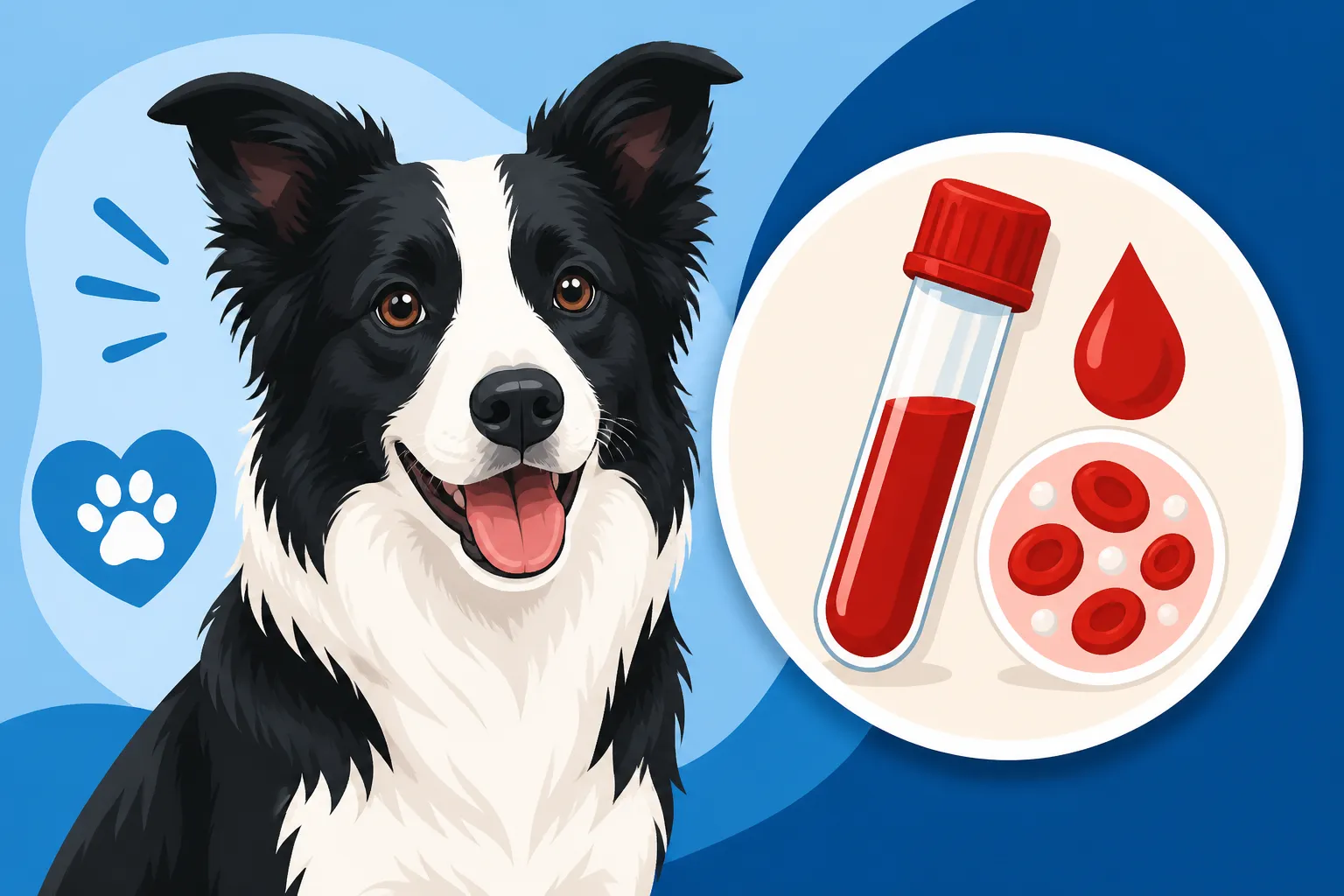
The Complete Blood Count, or CBC, is often the first part of a blood panel, and it provides a wealth of information about the cells circulating in your Border Collie's blood. This test examines red blood cells, white blood cells, and platelets. Red blood cells are vital for carrying oxygen throughout the body; an abnormally low count might indicate anemia, which could point to internal bleeding, nutritional deficiencies, or chronic disease. On the flip side, a high red blood cell count can sometimes suggest dehydration or certain rare conditions.
White blood cells are the warriors of the immune system. Different types of white blood cells increase or decrease in response to various threats. An elevated total white blood cell count often signals an infection or inflammation somewhere in the body, which could be anything from a hidden abscess to a systemic inflammatory condition. Conversely, a low white blood cell count might suggest a compromised immune system or certain viral infections. Platelets, the tiny cells responsible for blood clotting, are also crucial. A low platelet count could mean your dog is at risk of excessive bleeding, while a high count might indicate inflammation or a stress response. All these elements together paint a picture of your Border Collie's overall health and their body's ability to fight off disease and heal from injury.
Decoding the Chemistry Panel and Organ Function
The chemistry panel, sometimes called a serum chemistry profile, is where your vet gets a good look at your Border Collie's organ function, electrolyte balance, and metabolic health. This panel typically includes tests for liver enzymes, kidney values, glucose, proteins, and electrolytes. Elevated liver enzymes, for instance, don't always mean liver disease, but they can indicate stress, inflammation, or damage to the liver. This could be due to medications, toxins, or an underlying condition, and would certainly warrant further investigation.
Kidney values, primarily Blood Urea Nitrogen (BUN) and creatinine, are critical indicators of kidney function. The kidneys are powerhouse organs, filtering waste from the blood. When these values are elevated, it means the kidneys aren't filtering as efficiently as they should, which could be an early sign of "Kidney Disease in an Older Border Collie". Catching this early can allow for dietary changes, medications, and lifestyle adjustments that can significantly slow the progression of the disease. Glucose levels are important for screening for diabetes, while electrolyte levels (like sodium, potassium, and chloride) give insight into hydration status and the balance of critical minerals needed for nerve and muscle function. Any significant imbalance here can point to serious underlying issues, highlighting the comprehensive nature of these essential tests.
Thyroid Health: A Key Focus for Border Collies
Beyond the standard CBC and chemistry, many vets recommend adding a thyroid panel, especially for Border Collies. Hypothyroidism, an underactive thyroid gland, is a relatively common endocrine disorder in dogs, and certain breeds, including Border Collies, can be predisposed. The thyroid gland produces hormones that regulate metabolism, so an underperforming thyroid can lead to a host of subtle symptoms that might easily be dismissed as normal aging or a lack of exercise.
Common signs of hypothyroidism can include unexplained weight gain despite no change in diet, a dull or thinning coat, lethargy, cold intolerance, and even behavioral changes like increased anxiety or aggression. However, these signs often appear gradually and can be non-specific, making early detection through bloodwork incredibly valuable. A thyroid panel usually measures T4 (thyroxine) and TSH (thyroid-stimulating hormone) levels. Abnormally low T4 and high TSH typically confirm a diagnosis of hypothyroidism. Once diagnosed, this condition is usually manageable with daily medication, allowing your Border Collie to regain their energy and vitality. If your Border Collie has been slowing down or showing unexplained changes, a look at their "Thyroid Levels in a Border Collie That Slowed Down" through bloodwork is definitely in order.
What Border Collie-Specific Bloodwork Reveals
While a standard blood panel covers the basics for any dog, understanding what these results can signify in the context of a Border Collie's unique predispositions is key. This breed, known for its incredible intelligence, athleticism, and sometimes intense drive, also has specific health considerations that yearly bloodwork can help illuminate. It's about more than just looking at numbers; it's about interpreting those numbers with a Border Collie-centric lens.
Uncovering Hidden Ailments and Genetic Influences
Border Collies are renowned for their stoicism, often hiding pain or illness until it's quite advanced. This can make early detection of conditions like early-stage organ disease or chronic inflammation incredibly challenging without the insights provided by bloodwork. For instance, subtle elevations in liver or kidney enzymes might not manifest as visible symptoms for months or even years, but a blood test can catch them when they're still easily managed with diet or medication, potentially prolonging their quality of life. Even for conditions where bloodwork isn't a direct diagnostic, such as certain neurological issues, a clear bill of health on the blood panel can help your vet rule out metabolic causes, narrowing down possibilities for conditions like "The Age a Border Collie's First Seizure Arrives".
While a blood panel isn't the same as a DNA test like "The Border Collie Genetic Panel and What It Screens", it can sometimes reveal physiological effects that might have a genetic component. For example, certain genetic predispositions could make a Border Collie more prone to liver issues, and bloodwork would be the first indicator of this internal stress. Similarly, detecting early signs of inflammatory conditions through elevated white blood cell counts or specific protein levels can prompt further investigation into potential autoimmune issues or chronic pain sources before your dog is overtly showing "Signs an Old Border Collie Is in Pain". This proactive approach helps manage their health more effectively, offering peace of mind to owners.
Monitoring for Illnesses and Medication Side Effects
Beyond routine health checks, bloodwork is indispensable for monitoring Border Collies who are already on medication or who have a known chronic condition. For example, if your Border Collie is on anti-inflammatory drugs for arthritis, or seizure medication for epilepsy, regular blood tests are crucial to ensure the medication isn't adversely affecting their liver or kidneys. Certain drugs, even common ones, can impact organ function over time, and bloodwork allows your vet to adjust dosages or switch medications if necessary to prevent long-term damage. This is particularly vital for a breed with a documented "Drug Sensitivity and the Border Collie MDR1 Rate", which makes them more susceptible to adverse reactions to certain medications, although MDR1 testing is genetic, monitoring organ function via bloodwork remains important when any new drug is introduced.
For an aging Border Collie, bloodwork can also provide early warning signs of more serious conditions like "Cancer in an Older Border Collie". While blood tests alone don't diagnose cancer, certain markers, like unexplained anemia, persistent inflammation, or unusual protein levels, can be red flags that prompt your veterinarian to perform further diagnostic tests, such as imaging or biopsies. In these situations, early detection can make a significant difference in treatment options and prognosis, sometimes allowing for less invasive interventions. This proactive monitoring is a cornerstone of maintaining your Border Collie's health as they transition through different life stages.
Interpreting the Results and Taking Action
Receiving your Border Collie's bloodwork results can sometimes feel like deciphering a secret code. You see a long list of abbreviations and numbers, often with "normal ranges" next to them, and it’s easy to feel overwhelmed. However, understanding how to interpret these results and knowing what steps to take next is crucial for your dog's ongoing health. Your vet is, of course, your primary guide here, but having a basic grasp of the process can empower you as an owner.
Understanding Normal Ranges and Deviations
Each component of your Border Collie's bloodwork has an established "normal reference range." These ranges are derived from statistical data collected from a large population of healthy dogs. When your dog's results fall within these ranges, it’s generally good news, indicating that those specific bodily functions are likely working as they should. However, it's important to remember that these ranges are statistical averages, not absolutes. What might be "normal" for one dog could be slightly high or low for another, depending on age, breed, lifestyle, and individual physiology. This is why establishing a baseline with yearly bloodwork is so critical—it allows your vet to track trends for your individual Border Collie.
Sometimes, a value might fall just outside the normal range. This "slight deviation" isn't always cause for immediate panic, but it definitely warrants attention. A marginally elevated liver enzyme, for example, could be due to stress from the vet visit, or it could be the very earliest whisper of an emerging issue. Your veterinarian will consider all results together, alongside your Border Collie's physical exam findings, age, and any observed symptoms (or lack thereof). They might recommend retesting in a few weeks or months, or suggest an immediate, more targeted diagnostic test to investigate further. Don't hesitate to ask your vet to walk you through each abnormal result and explain what it might mean in simple terms.
Follow-Up Tests and Lifestyle Adjustments
When bloodwork reveals a significant deviation or a persistent trend outside the normal range, your vet will typically recommend a follow-up action plan. This might include additional, more specific diagnostic tests. For example, if kidney values are consistently elevated, they might suggest a urinalysis, an ultrasound of the kidneys, or even a specialized kidney function test to get a clearer picture of the problem. If a blood test hints at "Cancer in an Older Border Collie", your vet might suggest an X-ray, ultrasound, or biopsy. The goal is always to pinpoint the exact cause of the abnormality so that the most effective treatment can be initiated.
Beyond further diagnostics, treatment plans can often involve lifestyle adjustments. For instance, early-stage kidney disease might be managed with a prescription diet specifically formulated to reduce kidney workload. Hypothyroidism, as we discussed, requires lifelong medication. Sometimes, even simple changes like adjusting their exercise routine or incorporating specific supplements can make a difference. Pet insurance, such as a policy from Healthy Paws, can be incredibly helpful in covering the costs associated with these follow-up diagnostics, specialist consultations, and long-term treatments. Understanding that a diagnosis is not an end, but often a new beginning for managing your Border Collie's health, is a crucial part of being a proactive owner. This proactive financial planning can significantly ease the burden of unexpected veterinary bills, which can become part of "The Annual Border Collie Budget Nobody Plans For", especially when conditions like epilepsy require long-term medication and monitoring. Being insured, perhaps by having started a policy like Healthy Paws "Insuring a Border Collie Before the Seizure Window", can provide invaluable support for managing any health curveballs.
The Team Approach to Your Border Collie's Health
Ultimately, managing your Border Collie's health, especially with the insights gained from yearly bloodwork, is a team effort involving you, your veterinarian, and potentially specialists. You know your dog best—their quirks, their energy levels, their subtle changes. Your vet brings the medical expertise and diagnostic tools. Open communication is paramount. If you notice any changes in your Border Collie's behavior, appetite, thirst, or energy, even if they seem minor, share them with your vet. These observations, combined with the objective data from blood tests, create the most complete picture of your dog's health.
Don't be afraid to ask questions, seek clarifications, or discuss alternative approaches if you're concerned about a diagnosis or treatment plan. A good veterinarian will appreciate your engagement and work with you to develop a care strategy that is best for your Border Collie and sustainable for you. From initial blood draws to follow-up discussions and implementing changes, this collaborative approach ensures that your active, intelligent Border Collie receives the best possible care throughout their life, helping them stay fit and happy.
Yearly Bloodwork Components and Their Significance
Here's a breakdown of the typical components found in your Border Collie's yearly bloodwork and what each one is telling your veterinarian about their health. This table can help you understand the conversation around your dog's results.
| Test Component | What it Measures | Key Border Collie Relevance |
|---|---|---|
| Complete Blood Count (CBC) | Red blood cells, white blood cells, platelets | Provides insight into anemia, infection, inflammation, and clotting ability. Essential for overall health assessment. |
| Red Blood Cells | Oxygen-carrying capacity, presence of anemia | Anemia can indicate internal bleeding, chronic disease, or nutritional deficiencies, impacting energy levels. |
| White Blood Cells | Immune system response, infection, inflammation | Elevated levels often point to bacterial or viral infections, stress, or inflammatory conditions. Low levels can signal immune suppression. |
| Platelets | Blood clotting ability | Crucial for proper wound healing and preventing excessive bleeding. Low counts can indicate bleeding disorders. |
| Chemistry Panel | Organ function, electrolytes, blood sugar | Assesses overall metabolic health, liver and kidney function, and critical balances within the body. |
| Liver Enzymes | Liver health (ALT, ALP, GGT) | Elevated levels can suggest liver disease, inflammation, or damage, which might require further investigation. |
| Kidney Values (BUN, Creatinine, SDMA) | Kidney function | Crucial for detecting early signs of kidney disease, allowing for interventions like dietary changes. Important for an aging dog. |
| Glucose | Blood sugar levels | Screens for diabetes, which can impact energy regulation and overall health. |
| Electrolytes | Hydration, nerve and muscle function | Imbalances (e.g., sodium, potassium) can indicate dehydration, Addison's disease, or other serious metabolic issues. |
| Protein (Albumin, Globulin) | Hydration, inflammation, liver/kidney function | Reflects nutritional status and can indicate chronic inflammation or certain organ diseases. |
| Thyroid Panel | Thyroid hormone levels (T4, fT4, TSH) | Specifically important for Border Collies, screening for hypothyroidism which affects metabolism, coat, and energy levels. |
| T4 (Thyroxine) | Primary thyroid hormone | Low levels suggest hypothyroidism, which can lead to lethargy and weight gain. |
| fT4 (Free T4) | Active, unbound thyroid hormone | Often provides a more accurate assessment of thyroid function, less influenced by other conditions. |
| TSH (Thyroid-Stimulating Hormone) | Pituitary hormone stimulating T4 production | Used in conjunction with T4/fT4 to confirm and differentiate types of hypothyroidism. |
Disclaimer
The information provided in this article is for educational purposes only and is not intended to be a substitute for professional veterinary advice, diagnosis, or treatment. Always seek the advice of your veterinarian or other qualified health provider with any questions you may have regarding a medical condition for your Border Collie.