The NHEJ1 Test for Collie Eye Anomaly
It’s a truly disheartening moment when you get news that your beloved Border Collie, or a puppy you’re considering bringing home, might have a genetic health issue. The world of canine genetics can feel like a labyrinth, especially when you're faced with complex terms like Collie Eye Anomaly (CEA) and then, almost immediately, the mention of specific tests like the NHEJ1. This guide aims to demystify the NHEJ1 test, explaining what it is, why it's so important for Border Collies, and how understanding its results empowers owners and breeders to make the best decisions for these intelligent dogs.
Understanding Collie Eye Anomaly (CEA) in Border Collies
Collie Eye Anomaly, often simply referred to as CEA, is a congenital, inherited eye disease that affects the development of various structures within a dog's eye. While its name specifically references collies, it’s a significant concern for several breeds, including our incredible Border Collies. The frustrating thing about CEA is that its severity can vary wildly, from almost imperceptible changes to profound vision loss, making it incredibly difficult to detect without specific testing.
What is CEA and How Does it Affect Vision?
At its core, CEA involves abnormal development of the choroid, a layer of tissue rich in blood vessels that sits behind the retina and provides it with nutrients. This abnormality is known as choroidal hypoplasia (CH), and it's the most common manifestation of CEA. In dogs with CH, this vital layer is underdeveloped, appearing thinner or paler than it should. This alone usually doesn't impact vision significantly, which is why many dogs with CH live seemingly normal lives without their owners ever realizing there's an issue. However, CH is just one piece of the puzzle.
More severe forms of CEA can lead to a range of other ocular defects that can severely compromise vision. These include:
- Colobomas: These are actual "holes" or defects in parts of the eye, often affecting the optic disc, which is where the optic nerve connects to the retina. A coloboma can range from small and benign to large and disruptive, potentially leading to blindness in the affected eye. Imagine trying to see with a persistent blind spot that can shift or grow.
- Retinal Detachment: This is arguably the most devastating consequence of CEA. The retina, the light-sensitive tissue at the back of the eye, detaches from its underlying support layers. This is a painful and blinding condition that requires immediate veterinary intervention, often surgery, with no guarantee of success. A Border Collie with this condition might suddenly lose vision, bumping into furniture or becoming disoriented.
- Intraocular Hemorrhage: Bleeding inside the eye can also occur, particularly with colobomas, further compromising vision and causing discomfort.
The impact on vision truly depends on the specific defects present. A dog with only mild choroidal hypoplasia might have perfect vision and never experience any issues. However, a dog with significant colobomas or retinal detachment could experience severe visual impairment or even complete blindness. It's a spectrum, and the uncertainty can be incredibly stressful for owners. For more on this, you might find our article on What a Choroidal Defect Means in a Border Collie particularly insightful.
The Genetic Basis of CEA: Why it's a Concern for Border Collies
CEA is an autosomal recessive genetic condition. This means that a dog must inherit two copies of the defective gene – one from each parent – to be "affected" by the disease. Dogs that inherit only one copy of the defective gene are considered "carriers." Carriers won't show symptoms themselves but can pass the gene on to their offspring. This is a critical point that makes genetic testing so vital for responsible breeding.
The prevalence of CEA in Border Collies has historically been quite high. Before widespread genetic testing, many breeders unwittingly paired carrier dogs, leading to a significant number of affected puppies. The reason it's such a concern for Border Collies isn't just their genetic predisposition but also the active, demanding lives many of them lead. A Border Collie whose working life is suddenly cut short by vision loss due to CEA is not only heartbreaking for the owner but deeply disruptive for the dog. Understanding the breed's genetic panel is key, as highlighted in The Border Collie Genetic Panel and What It Screens.
The NHEJ1 Test: A Game-Changer for CEA Detection
For years, the primary method for diagnosing CEA was a thorough eye examination by a board-certified veterinary ophthalmologist, typically performed on puppies between 6-8 weeks of age. While these exams are still incredibly important, they had limitations, especially concerning carrier identification and the "go-normal" phenomenon, which we’ll discuss later. The advent of the DNA test for the NHEJ1 gene revolutionized our ability to detect and manage CEA.
What the NHEJ1 Gene Does and Why it Matters
The NHEJ1 gene plays a crucial role in cellular DNA repair. However, a specific mutation within or near this gene has been identified as the direct cause of Collie Eye Anomaly. This particular mutation disrupts the normal development of the choroid and other eye structures, leading to the varied symptoms of CEA.
The discovery of this specific genetic marker was monumental because it allowed scientists to develop a simple, accurate DNA test. Why does this matter so much? Because it moves diagnosis from solely observing physical symptoms (which can be ambiguous or non-existent in carriers) to directly identifying the genetic blueprint that causes the disease. It allows us to peek behind the curtain and see the genetic predisposition long before any physical signs might manifest, or even if they never will. This proactive approach is invaluable for breeders striving to produce healthy puppies and for owners wanting to understand their dog's genetic health.
How the Test Works: From Cheek Swab to Results
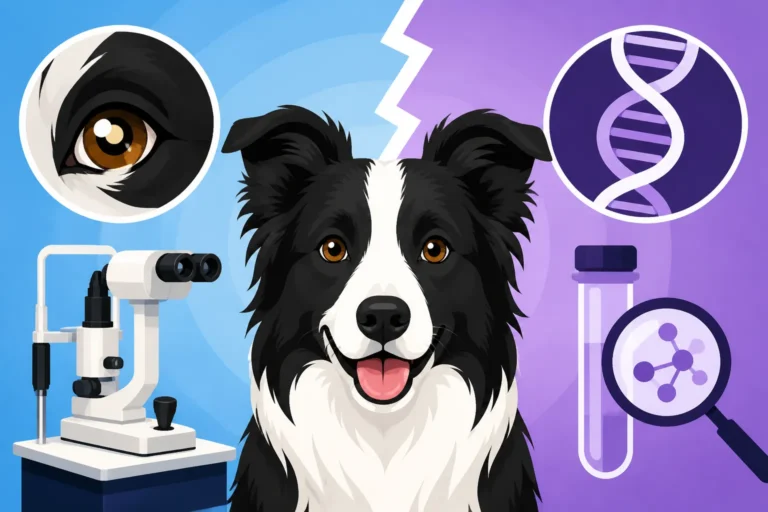
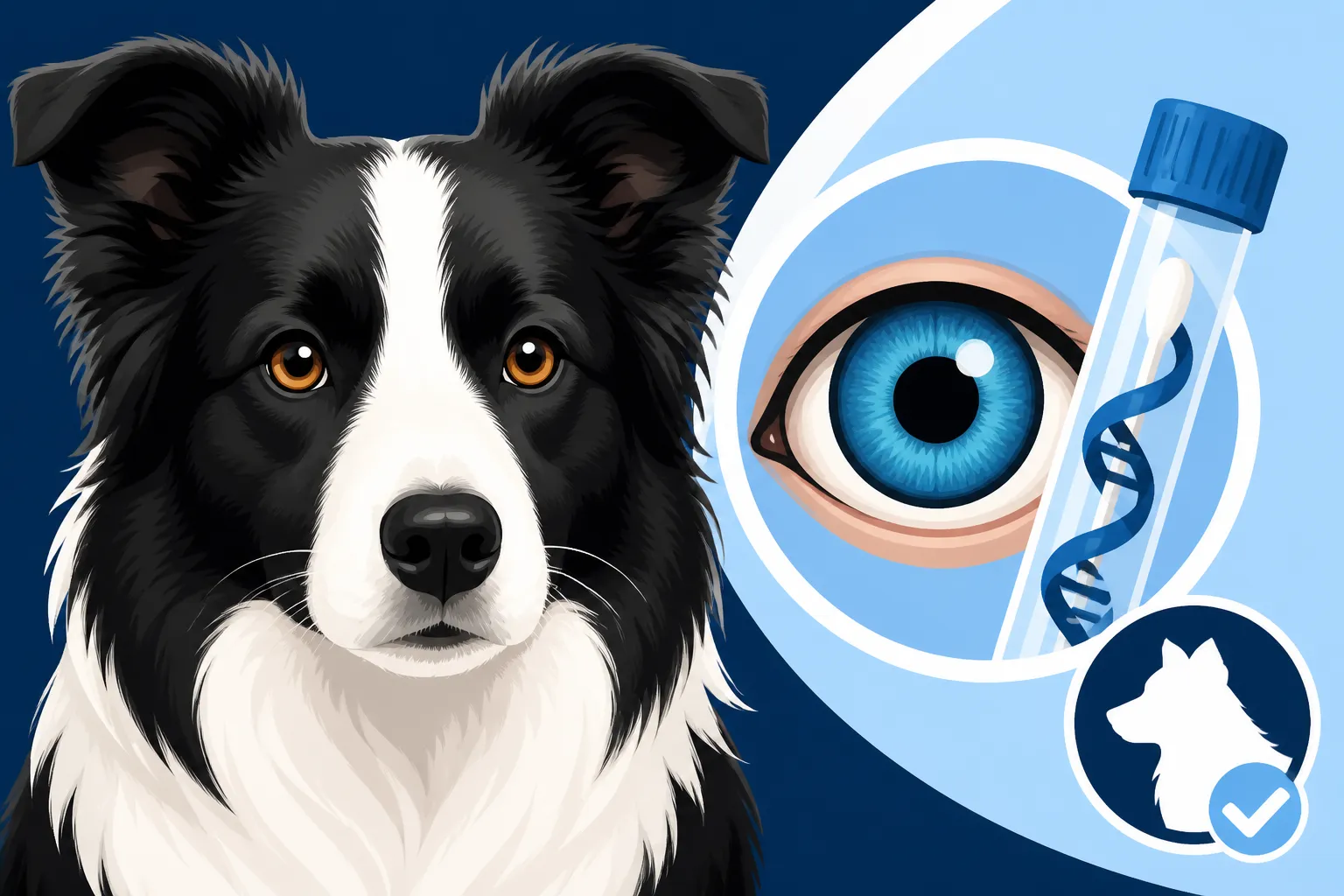
The NHEJ1 test is remarkably straightforward and non-invasive. It typically involves collecting a DNA sample, most commonly through a simple cheek swab. This can usually be done by the owner or a vet, and it's quite easy to send off to a reputable genetic testing laboratory such as Optimal Selection or Embark Veterinary.
Here's a general overview of the process:
- Sample Collection: You receive a kit from the testing lab. This usually contains sterile swabs that you gently rub on the inside of your dog's cheek for about 30-60 seconds to collect saliva and epithelial cells. These cells contain the dog's DNA.
- Mailing the Sample: The swabs are then air-dried and returned to the lab in the provided packaging.
- Lab Analysis: In the laboratory, the DNA is extracted from the sample. Scientists then use specific molecular techniques to look for the known NHEJ1 mutation.
- Results: After a few weeks, you receive a report detailing your dog's genetic status for CEA.
The results will typically categorize your Border Collie as one of three types:
- Clear: This means the dog has two normal copies of the NHEJ1 gene and will not develop CEA due to this specific mutation, nor will it pass the mutation to its offspring.
- Carrier: This dog has one normal copy and one mutated copy of the NHEJ1 gene. It will not develop CEA itself (or only in extremely rare, often asymptomatic cases), but it can pass the mutated gene on to approximately 50% of its offspring.
- Affected: This dog has two mutated copies of the NHEJ1 gene. It is genetically predisposed to developing CEA and will pass a mutated copy to 100% of its offspring. An affected dog may or may not show severe clinical signs, depending on the variable expression of the disease.
Knowing these results is powerful. It takes the guesswork out of breeding and gives current owners crucial information about their dog's health predisposition. If you're looking at a Border Collie puppy, asking a breeder for test results, as discussed in Asking a Border Collie Breeder for Test Results, is a non-negotiable step.
Interpreting NHEJ1 Test Results and Breeding Decisions
Receiving your Border Collie's genetic panel results, especially for something as significant as CEA, can be a moment of anxiety or relief. Understanding what those "Clear," "Carrier," and "Affected" designations truly mean is paramount, not just for the individual dog but for the future health of the breed.
Understanding Clear, Carrier, and Affected Designations
Let's break down each designation and its practical implications:
-
Clear (N/N or Homozygous Normal):
- Meaning: Your Border Collie has inherited two healthy copies of the NHEJ1 gene, one from each parent.
- Health Implications: This dog will not develop CEA and cannot pass the CEA mutation on to any of its offspring. It's truly free from the genetic predisposition to this particular condition.
- Breeding Implications: A clear dog can be bred to any other Border Collie without producing affected puppies. This gives breeders a lot of flexibility and confidence, knowing they are contributing to the eradication of CEA from their lines. These dogs are invaluable for maintaining genetic diversity while ensuring health.
-
Carrier (N/CEA or Heterozygous):
- Meaning: Your Border Collie has inherited one healthy copy of the NHEJ1 gene and one mutated copy.
- Health Implications: Carriers are generally considered clinically normal for CEA. They typically do not develop the disease themselves because the single healthy copy of the gene is usually sufficient for normal eye development. In rare instances, some carriers might have very mild, clinically insignificant choroidal hypoplasia, but severe forms like colobomas or retinal detachment are highly unlikely.
- Breeding Implications: This is where careful planning comes in. If a carrier dog is bred to another carrier, there's a 25% chance per puppy of producing an affected puppy (inheriting two mutated copies). There's also a 50% chance of producing another carrier and a 25% chance of producing a clear puppy. Therefore, a carrier should never be bred to another carrier or an affected dog. They can, however, be safely bred to a clear dog. In such a pairing, all puppies will either be clear or carriers, but none will be affected. This strategy allows valuable traits from carrier dogs to be passed on without producing affected offspring. Our guide on Carriers, Affected and Clear on a Border Collie Panel delves deeper into these genetic outcomes.
-
Affected (CEA/CEA or Homozygous Affected):
- Meaning: Your Border Collie has inherited two mutated copies of the NHEJ1 gene, one from each parent.
- Health Implications: These dogs are genetically predisposed to developing CEA. The clinical severity can vary significantly. Some affected dogs may have mild choroidal hypoplasia with no functional vision impairment, while others may develop severe colobomas, retinal detachment, and significant vision loss or even blindness. The key is that they can develop the disease.
- Breeding Implications: An affected dog should ideally not be used for breeding. If bred, all of its offspring will inherit at least one mutated copy of the gene, meaning all will be carriers or affected. Breeding an affected dog to a clear dog would produce 100% carriers. Breeding to another affected dog would produce 100% affected. The responsible approach is to remove affected dogs from a breeding program to prevent perpetuating the gene.
Ethical Breeding Practices with NHEJ1 Results
Ethical breeding requires a deep understanding of genetic health and a commitment to minimizing inherited diseases. The NHEJ1 test is an indispensable tool for Border Collie breeders.
- Pre-Breeding Screening: All potential breeding dogs should be DNA tested for CEA using the NHEJ1 test before any mating takes place. This is a foundational step in any responsible breeding program.
- Strategic Pairings:
- Clear x Clear: This is the safest pairing, guaranteeing all puppies will be clear of CEA.
- Clear x Carrier: This pairing is acceptable. While it will produce 50% carriers and 50% clear puppies, it guarantees no affected puppies. The breeder then has the responsibility to test the puppies and inform new owners of their status. This strategy allows valuable genetics from carrier lines to continue in the gene pool without producing affected dogs.
- Carrier x Affected: This should be avoided as it risks producing affected puppies (50% chance) and carriers (50% chance).
- Affected x Affected: This pairing is highly unethical as it guarantees 100% affected puppies.
- Carrier x Carrier: As mentioned, this pairing also carries a 25% risk of affected puppies and should be avoided. This is a crucial distinction and responsibility of breeders when considering Breeding Decisions Around Border Collie Collapse or other genetic conditions.
- Transparency with Puppy Buyers: Responsible breeders will always share the CEA status of the parents and, ideally, the puppies themselves. Buyers should receive copies of genetic test results. This ensures new owners are fully informed about their puppy's genetic health.
- Phased Elimination: The goal is to eventually eliminate the CEA gene from breeding lines. By consistently breeding carriers only to clear dogs, and removing affected dogs from breeding, the percentage of carriers in the population can be gradually reduced over generations.
Breeders who use these tests and adhere to ethical breeding guidelines are actively working to improve the long-term health of the Border Collie breed. It takes dedication and foresight, but the benefit of healthier puppies is immeasurable.
| Genetic Status (NHEJ1 Test) | Genotype | Health Impact | Breeding Implications |
|---|---|---|---|
| Clear | N/N | Will not develop CEA; cannot pass gene. | Can be bred to any dog (Clear, Carrier, or Affected) without producing affected offspring. |
| Carrier | N/CEA | Typically clinically normal; can pass gene. | Should only be bred to Clear dogs. Never breed to another Carrier or an Affected dog, as this risks producing Affected puppies. |
| Affected | CEA/CEA | Predisposed to developing CEA; will pass gene. | Should not be used for breeding. All offspring will inherit at least one mutated gene, making them Carriers or Affected. |
The Relationship Between DNA Tests and Physical Eye Exams
It's tempting to think that once you have a DNA test result, you're all set. However, for a comprehensive picture of your Border Collie's eye health, both the genetic test and a physical eye examination by a specialist are still incredibly important, especially for puppies. They serve different but complementary purposes.
Why Both DNA Testing and Veterinary Eye Exams are Crucial
The NHEJ1 DNA test is a fantastic tool because it identifies the genetic potential for CEA. It tells you if your dog has the specific mutation that causes the disease. This is definitive for genetic status. However, a veterinary eye exam, performed by a board-certified veterinary ophthalmologist, provides a physical assessment of the eye's structures.
Here’s why both are necessary:
-
DNA Test (NHEJ1):
- What it does: Identifies if the dog carries the specific NHEJ1 mutation for CEA.
- Primary Benefit: Crucial for breeding decisions (knowing Clear, Carrier, or Affected status). It gives a definitive genetic blueprint. It can be done at any age, even before a puppy is old enough for a reliable physical exam.
- Limitation: It only screens for NHEJ1 related CEA. It does not screen for other inherited eye diseases that a Border Collie might have (e.g., progressive retinal atrophy, cataracts) or for non-genetic eye problems.
-
Veterinary Eye Exam (OFA/CERF Exam):
- What it does: A specialist visually inspects the various structures of the eye (cornea, lens, retina, optic disc, choroid, etc.) to look for any abnormalities.
- Primary Benefit: Confirms the physical manifestation of CEA (e.g., presence of choroidal hypoplasia or colobomas) in genetically affected dogs. It also detects other eye diseases not related to CEA that could impact vision, like Progressive Retinal Atrophy in an Older Border Collie or cataracts. For puppies, the ideal time for this is usually around six to eight weeks of age. This detailed examination is why The Eye Exam a Border Collie Puppy Gets at Six Weeks is so important.
- Limitation: It can only detect physical abnormalities present at the time of the exam. It cannot definitively identify a "carrier" dog if their eyes appear normal. It can also miss subtle signs in young puppies that might develop later or be subject to the "go-normal" phenomenon.
Therefore, for responsible breeding and comprehensive health screening, a Border Collie should ideally have both a DNA test for CEA and regular veterinary eye examinations, especially if they are part of a breeding program.
The "Go-Normal" Phenomenon and its Impact on Breeding
One of the most perplexing aspects of CEA, and a prime reason the NHEJ1 DNA test is so invaluable, is the "go-normal" phenomenon. This occurs when a puppy, genetically affected with CEA (CEA/CEA), initially shows signs of choroidal hypoplasia during their 6-8 week puppy eye exam, but as they mature, the normal pigmentation in the eye develops and obscures these earlier, milder signs.
Here’s why it’s so tricky:
- Early Detection is Key: The early puppy eye exam by a board-certified ophthalmologist is specifically timed to catch CEA before this pigmentation develops. The ophthalmologist looks for the tell-tale thinning of the choroid.
- Masking Effect: As the puppy grows, the choroid gains more pigment. In some cases, this pigment can mask the underlying choroidal hypoplasia, making it impossible to detect in an adult dog through a standard eye exam. The dog literally "goes normal" in appearance.
- Genetic Status Remains: Crucially, a dog that "goes normal" is still genetically affected (CEA/CEA). It still has the potential for more severe forms of CEA like colobomas (which usually don't "go normal" because they are structural defects, not just pigment issues) or retinal detachment, and it will still pass two copies of the mutated gene to its offspring.
- Breeding Risk: Without the DNA test, a breeder might have a "go-normal" adult Border Collie whose eyes appear completely healthy on examination. If this dog is then bred, and its mate is a carrier or another "go-normal" affected dog, it could produce affected puppies with severe symptoms, unknowingly perpetuating the disease. This is why Go-Normal Border Collies and Why the Exam Misses Them emphasizes the importance of DNA testing.
The NHEJ1 DNA test bypasses this "go-normal" complication entirely. It directly assesses the genetic makeup, providing an unwavering answer about a dog's CEA status, regardless of how its eyes appear physically. This gives breeders the certainty they need to make informed, ethical decisions that truly benefit the breed. It underscores why Which DNA Tests a Border Collie Breeder Should Have Run should always include the CEA test.
Living with a Border Collie Affected by CEA
Finding out your Border Collie is affected by CEA, especially if it's exhibiting symptoms, can be a tough pill to swallow. The immediate worry often centers on their quality of life and how to best support them. The good news is that many affected Border Collies lead full and happy lives, particularly if their condition is mild. However, for those with more severe forms, understanding how to manage vision impairment and planning for potential future health needs is crucial.
Managing Vision Impairment and Supporting Your Dog
If your Border Collie has been diagnosed with moderate to severe CEA, particularly involving colobomas or retinal detachment, they may experience vision impairment. This can range from slight difficulty in certain lighting conditions to complete blindness. Living with a sight-impaired dog requires patience, understanding, and some practical adjustments to their environment and routine.
Here are some ways to support a Border Collie with vision impairment:
- Maintain Consistency in Their Environment: Dogs thrive on routine and familiarity. Try to keep furniture and dog beds in the same place. If you must rearrange, guide your dog around the new layout until they learn it. Blocking off dangerous areas like stairs with gates is also a good idea until your dog is confident navigating them.
- Use Other Senses: Border Collies are incredibly intelligent and adaptable. Their sense of smell and hearing are powerful tools. You can use scented markers around the house for important spots (food bowl, water, dog bed, door), and use consistent verbal cues for directions ("step up," "watch out," "left," "right").
- Safety First Outdoors: Never let a sight-impaired Border Collie off-leash in an unfenced area. A long line can provide security while allowing some freedom in safe, familiar spaces. Be mindful of uneven terrain, sharp objects, or anything they might bump into. If you have a working Border Collie, a discussion about Working Sheep With a Sight-Impaired Border Collie might be necessary with your vet or a specialist trainer.
- Socialization and Enrichment: Continue to provide mental stimulation and positive social interactions. Puzzle toys, scent games, and consistent, gentle interaction with other calm dogs or people can keep them happy and engaged. Avoid startling them.
- Prevent Falls and Injuries: Ensure pathways are clear. Consider nightlights in frequently used areas. A "halo" harness can protect their head from bumping into objects.
- Seek Specialist Advice: Regular check-ups with a veterinary ophthalmologist are vital to monitor the progression of CEA and to address any secondary issues. They can offer tailored advice and recommend specialized equipment or therapies. If you're concerned about Whether a Border Collie With CEA Goes Blind, your ophthalmologist is the best resource.
Even with vision loss, Border Collies can adapt remarkably well, relying on their keen senses and intelligence to navigate their world. Your consistent love and support are the most important tools in their adaptation. For dogs with milder forms of CEA, like those with only choroidal hypoplasia, vision may be entirely normal, and no special management is needed beyond routine eye care. You can learn more about this in The Mildly Affected Border Collie That Sees Normally.
Health and Financial Implications: Planning for the Future
Beyond the day-to-day management, it's important to consider the potential health and financial implications of a CEA diagnosis. While choroidal hypoplasia often doesn't require active treatment, the more severe manifestations, such as colobomas that lead to retinal detachment or hemorrhage, can incur significant veterinary costs.
- Specialist Consultations: Regular visits to a board-certified veterinary ophthalmologist can be more expensive than routine vet visits. These specialists have advanced diagnostic equipment and expertise crucial for monitoring eye health.
- Medications: If your dog develops secondary issues like glaucoma (increased pressure in the eye) or requires anti-inflammatory drops, these will be ongoing expenses.
- Surgical Interventions: Retinal detachment is a veterinary emergency and often requires complex, expensive surgery. While not always successful, the cost for such procedures, coupled with post-operative care and medications, can quickly add up to thousands of dollars.
- Lifetime Monitoring: Even with milder forms, regular monitoring is prudent to catch any changes or secondary problems early.
Dealing with a diagnosis can be overwhelming, not just emotionally but financially. This is where having robust pet insurance, like a comprehensive policy from Healthy Paws, can really alleviate some of the stress. Pet insurance can help cover unexpected specialist visits, emergency surgeries, medications, and ongoing care for chronic conditions. Policies from providers like Healthy Paws are designed to provide peace of mind, allowing you to focus on your dog's well-being without being crippled by veterinary bills. It's a proactive step many owners take, especially with breeds known for certain predispositions.
Understanding the potential costs upfront, and exploring options like pet insurance or setting aside a dedicated emergency fund, can make a world of difference in providing the best possible care for your Border Collie throughout their life.
Disclaimer
This article is for general informational purposes only and does not constitute professional advice. Laws, prices and regulations vary by location and change over time. Consult a qualified professional for guidance on your specific situation.