Kidney Disease in an Older Border Collie
It's heartbreaking to watch our energetic, intelligent Border Collies start to slow down, and it's all too easy to attribute every change to the natural process of aging. But sometimes, those subtle shifts in behavior or appetite are actually warning signs of something more serious, like kidney disease. This guide is here to help you understand what kidney disease in an older Border Collie looks like, how to recognize its often-hidden progression, and the vital steps you can take with your veterinarian to manage this condition and ensure your devoted companion maintains the best possible quality of life in their senior years.
Understanding Kidney Disease in Senior Border Collies
As our beloved Border Collies age, just like us, their bodies become a little less efficient. Their kidneys, those incredible, hardworking organs, are no exception. Kidney disease is a common concern in older dogs, and for a breed as active and resilient as the Border Collie, it can be particularly insidious because they often mask discomfort until a condition is quite advanced.
The Vital Role of Healthy Kidneys
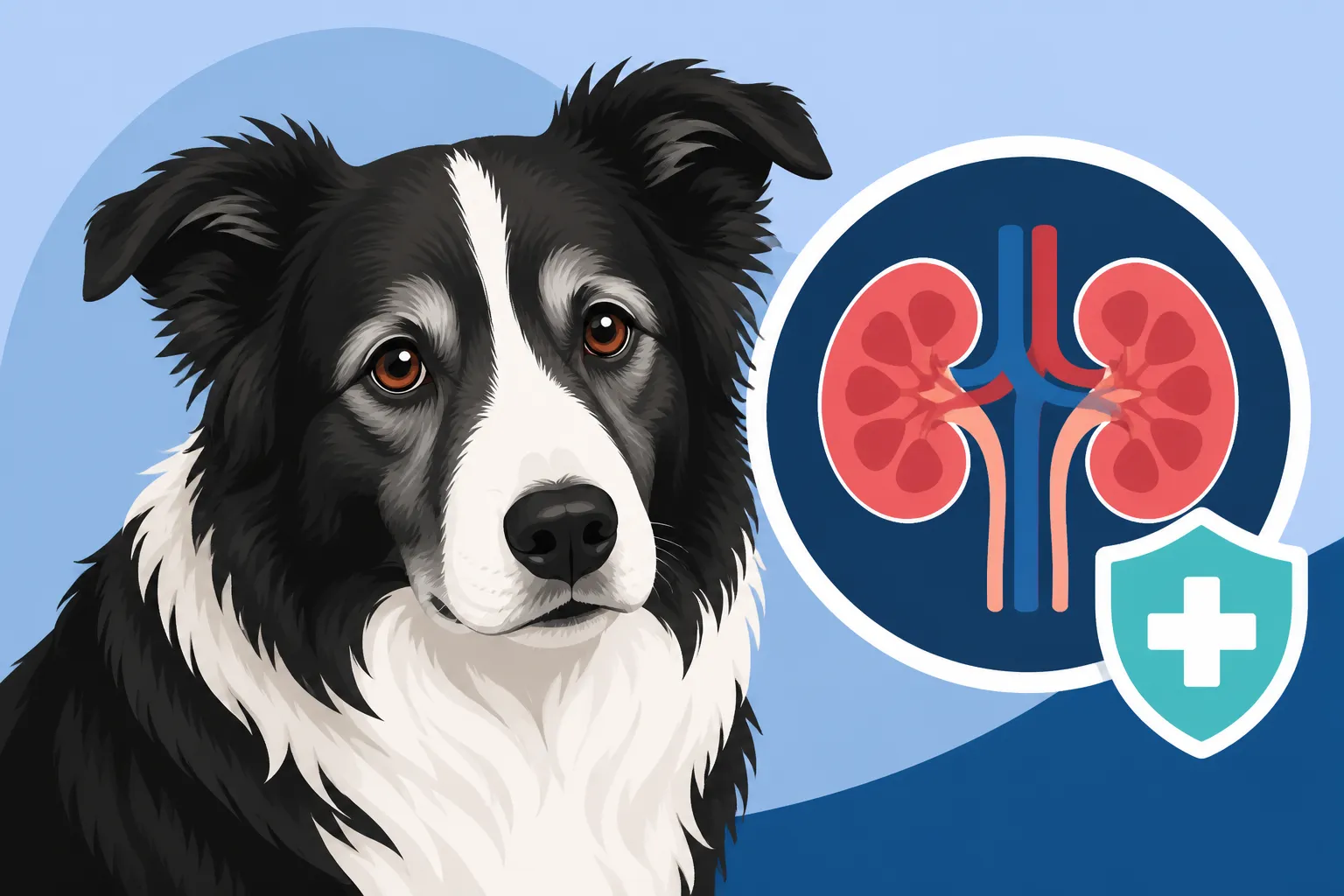
Think of your Border Collie's kidneys as their internal filtration system and a sophisticated chemical plant all rolled into one. They perform several absolutely critical functions that keep your dog healthy. Primarily, kidneys filter waste products from the blood, such as urea and creatinine, which are byproducts of metabolism. Without this filtration, these toxins would build up, making your dog feel unwell.
Beyond filtration, kidneys are also masters of balance. They regulate hydration, maintain proper levels of electrolytes like sodium, potassium, and calcium, and help control blood pressure. They even produce hormones vital for red blood cell production and bone health. When these functions start to falter, it creates a cascade of problems throughout the body, affecting everything from energy levels to bone strength.
Acute vs. Chronic Kidney Disease
When we talk about kidney disease, it’s important to understand there are two main categories: acute and chronic. Acute kidney injury (AKI) is a sudden, severe onset of kidney failure, often caused by exposure to toxins (like antifreeze or certain medications), severe infection, or a sudden drop in blood pressure. It comes on fast, and while it's incredibly serious, sometimes with aggressive treatment, the kidneys can recover some or all of their function.
However, for most older Border Collies, we're talking about chronic kidney disease (CKD). This is a progressive, irreversible decline in kidney function that develops gradually, often over months or even years. It’s like a slow leak rather than a burst pipe. The tricky part with CKD is that dogs are incredibly good at compensating, and symptoms often don't become obvious until about 75% of kidney function has been lost. This is why early detection is so critical for managing the condition and extending your dog's comfortable life.
Common Causes in Aging Border Collies
Chronic kidney disease in older Border Collies is typically multifaceted. Age-related degeneration is, unfortunately, a primary factor. Over time, the nephrons – the tiny filtering units within the kidneys – naturally wear out and are replaced by scar tissue. This process accelerates in some dogs more than others.
Genetics can also play a role, making some individuals more predisposed, though specific genetic markers for kidney disease aren't as clearly defined in Border Collies as they are for some other breed-specific conditions. Regular Yearly Bloodwork for a Border Collie is a proactive step that can catch these changes early.
Other contributing factors can include previous kidney infections that caused damage, or chronic conditions like high blood pressure (hypertension) which can damage the delicate kidney structures over time. Even something seemingly unrelated, like severe dental disease, can introduce bacteria into the bloodstream that can affect the kidneys. So, while it feels like a battle against time, understanding these potential causes helps us be more vigilant about preventive care as our Border Collies reach their senior years, allowing them to remain sound for longer, potentially extending How Long a Border Collie Lives.
Spotting the Subtle Signs of Kidney Trouble
Recognizing kidney disease in its early stages is like trying to catch a whisper in a busy room. Border Collies, with their innate drive and stoicism, are particularly adept at hiding discomfort. This is why paying close attention to minor changes, even those you might dismiss as "just getting old," is so crucial.
Early Indicators That Are Easy to Miss
The absolute earliest signs of kidney disease are often changes in thirst and urination. You might notice your Border Collie drinking more water than usual, perhaps emptying their water bowl faster or asking to go outside more frequently. This is because damaged kidneys struggle to concentrate urine, leading to larger volumes of dilute urine, and in turn, increased thirst to compensate for the fluid loss. Keep an eye on your dog's habits; if they suddenly need more potty breaks in the middle of the night, or if their urine seems unusually clear and plentiful, it's worth noting.
Another subtle cue can be a slight dip in appetite or a pickiness towards food they once loved. They might leave a few kibbles in their bowl, or seem less enthusiastic at mealtime. You might also notice a general reduction in their usual boundless energy – a slight lethargy after their usual walk, or less eagerness for a game of fetch. It’s not necessarily a dramatic collapse, but rather a gradual dimming of their typical spark. Even a small, unexplained weight loss, despite eating, can be an indicator. Many owners understandably chalk these up to an aging dog, but for the discerning Border Collie parent, these nuances can be red flags.
More Advanced Symptoms Requiring Urgent Attention
As kidney disease progresses and more kidney function is lost, the signs become less subtle and more alarming, indicating a buildup of toxins in the body. If you notice any of these, it's time for an immediate veterinary visit.
One of the most common advanced symptoms is vomiting or diarrhea, as the toxins irritate the digestive system. Your dog might develop a sour, metallic, or ammonia-like smell to their breath, often referred to as "uremic breath," because of the waste products in their bloodstream. Mouth ulcers or a pale appearance to their gums can also develop.
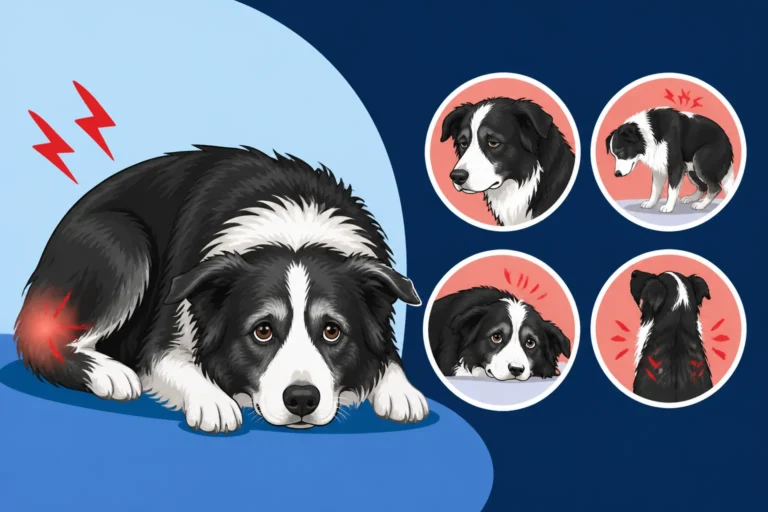
You might also observe significant weakness, a reluctance to move, or a noticeable loss of muscle mass, particularly over their hindquarters. This muscle wasting is partly due to the body breaking down protein for energy when it's not getting enough from food, and partly due to imbalances created by failing kidneys. Your once-vibrant Border Collie might seem genuinely unwell, disinterested in their surroundings, and show clear Signs an Old Border Collie Is in Pain. At this stage, the condition is usually quite advanced, and rapid intervention is needed to stabilize them.
Distinguishing Kidney Disease from Normal Aging
This is the million-dollar question for many owners: "Is this just old age, or is it something serious?" It’s a valid frustration because the line can feel incredibly blurry. While some slowing down, graying, and perhaps a bit less enthusiasm are part of normal aging, kidney disease symptoms go beyond that.
For instance, a normally energetic Border Collie might start exhibiting Osteoarthritis in a Border Collie by Eight and slow down due to joint pain, but this isn't usually accompanied by increased thirst and urination. A senior Border Collie might sleep more, but they shouldn't be lethargic and disinterested when awake. The key difference lies in the pattern and progression of symptoms, especially the specific signs related to water intake, urination output, and digestive upset. Normal aging doesn't typically cause a sudden, profound change in thirst or consistent vomiting.
When in doubt, always consult your vet. It's far better to investigate and rule out a serious condition than to dismiss it as "just age" and lose precious time when intervention could make a real difference. Early detection, even before overt symptoms, allows for management that can significantly improve the prognosis and overall comfort of The Border Collie That Stays Sound Into Its Teens.
| Symptom Category | Early Kidney Disease Signs | Advanced Kidney Disease Signs | Normal Aging in Border Collies |
|---|---|---|---|
| Thirst/Urination | Increased thirst, frequent urination, dilute urine | Excessive thirst, frequent urination, accidents, dehydration | Slight decrease in bladder control, occasional accidents |
| Appetite/Weight | Pickiness, slight decrease in appetite, minor weight loss | Loss of appetite (anorexia), significant weight loss, muscle wasting | Reduced calorie needs, slight decrease in appetite, maintaining healthy weight |
| Energy/Behavior | Mild lethargy, less enthusiasm for play/work | Pronounced lethargy, weakness, disinterest, disorientation, dull coat | General slowing down, more sleep, less intense play |
| Physical Signs | None overtly visible, maybe subtle coat dullness | Vomiting, diarrhea, bad breath (uremic), mouth ulcers, pale gums, unkempt coat | Graying muzzle, stiff gait, some joint tenderness |
Diagnosing and Managing Kidney Disease
Once you've noticed some troubling signs, the next step is a trip to the vet. This isn't just about confirming kidney disease, but also determining its stage and severity, which will dictate the best course of action for your Border Collie.
The Importance of Regular Vet Check-ups
I cannot stress enough how vital regular veterinary check-ups are for senior Border Collies. While a young, active Border Collie on a Feeding a Border Collie on a Performance Diet might only need an annual exam, once they hit around seven or eight years old, twice-yearly check-ups become incredibly beneficial. This allows your vet to establish a baseline for your dog's health and catch subtle changes early.
These routine visits often include basic bloodwork and urinalysis, which are the earliest indicators of kidney function decline. Many owners dread the cost, but proactive care can actually save you money and heartache in the long run by allowing for early intervention. For example, if you have pet insurance, a plan from Healthy Paws can help cover the expenses of these critical diagnostic tests and ongoing care, making it easier to prioritize your dog's health without financial strain.
Key Diagnostic Tests
When your vet suspects kidney disease, they'll typically recommend a panel of tests:
- Blood Chemistry Panel: This is the gold standard. It measures Blood Urea Nitrogen (BUN) and Creatinine, which are waste products that build up in the blood when the kidneys aren't filtering properly. Elevated levels indicate reduced kidney function. They'll also look at Phosphorus levels, which often increase with kidney disease, and Calcium levels, as imbalances are common.
- SDMA (Symmetric Dimethylarginine): This is a newer, more sensitive blood test that can detect kidney disease much earlier than BUN and creatinine, sometimes when only 25% of kidney function is lost. This is a game-changer for early diagnosis, especially in a breed like the Border Collie where early intervention is key.
- Urinalysis: This test provides a wealth of information about kidney function. It checks for protein in the urine (proteinuria), which can indicate damage to the kidney's filtering units. It also assesses urine specific gravity, which tells you how concentrated the urine is – dilute urine is a hallmark of kidney disease.
- Urine Protein:Creatinine Ratio (UPC): If proteinuria is found, a UPC ratio helps quantify the amount of protein being lost, which is important for staging the disease and guiding treatment.
- Blood Pressure Measurement: Hypertension is both a cause and a consequence of kidney disease, so monitoring blood pressure is crucial.
- Imaging (Ultrasound/X-rays): These can help assess the size, shape, and structure of the kidneys, identify stones, tumors, or other abnormalities.
These tests collectively help your veterinarian stage the kidney disease (based on the International Renal Interest Society, or IRIS, guidelines) and formulate the most effective treatment plan.
Treatment and Support Strategies
While chronic kidney disease is irreversible, it is absolutely manageable, and many Border Collies can live comfortable lives for years after diagnosis with proper treatment. The goals of treatment are to slow the progression of the disease, alleviate symptoms, and improve your dog's quality of life.
- Fluid Therapy: Dehydration is a major concern. Subcutaneous (under the skin) fluid therapy, administered by your vet or even taught to you at home, can be life-saving for dogs with advanced kidney disease, helping to flush out toxins and maintain hydration.
- Dietary Modification: This is perhaps the most crucial aspect of long-term management. Prescription kidney diets are specifically formulated with controlled levels of protein (enough for muscle maintenance but not so much that it overtaxes the kidneys), reduced phosphorus, and often higher levels of omega-3 fatty acids. Brands like Hill's k/d, Royal Canin Renal, and Purina Pro Plan Veterinary Diets NF are common choices. This is a significant shift from Adjusting a Border Collie's Food in the Off Season for a healthy dog, but vital for kidney health.
- Medications for Symptom Management:
- Anti-nausea medications: To help with vomiting and improve appetite.
- Appetite stimulants: To encourage eating.
- Phosphorus binders: Administered with food to reduce the absorption of dietary phosphorus.
- Blood pressure medications: If hypertension is present, drugs like ACE inhibitors (e.g., benazepril, enalapril) or amlodipine can help protect the kidneys.
- Potassium supplements: Some kidney diets are potassium-restricted, and some dogs may need additional supplementation.
- Anemia management: If anemia develops (due to reduced erythropoietin production by the kidneys), certain medications can stimulate red blood cell production.
It’s a comprehensive approach, and it requires dedication on your part, but the payoff is a happier, more comfortable Border Collie.
Maximizing Quality of Life with Kidney Disease
Managing kidney disease is a marathon, not a sprint. It's about working closely with your vet and making daily choices that support your Border Collie's comfort and well-being, allowing them to enjoy their golden years to the fullest.
Dietary Management and Hydration
As mentioned, diet is paramount. Your vet will prescribe a specific therapeutic kidney diet. It's not just about what's in the food, but also about ensuring your dog eats it. Some dogs can be finicky, especially if they’re feeling nauseous. Try warming the food, adding a little low-sodium broth, or mixing a small amount of a tasty, vet-approved topper. Sometimes, finding the right brand or even flavor can take a bit of trial and error.
Hydration is equally critical. Always ensure fresh, clean water is available. Consider adding extra water bowls around the house, offering filtered water, or even trying a pet water fountain, which encourages some dogs to drink more due to the circulating water. If your Border Collie isn't drinking enough, your vet might recommend subcutaneous fluids at home, which can make a huge difference in how they feel. Even if your Border Collie is older and perhaps slowing down, the fundamental need for hydration remains high.
Ongoing Monitoring and Adjustments
Living with kidney disease means a commitment to ongoing monitoring. Your vet will likely recommend regular follow-up bloodwork and urinalysis, typically every few months, to track the progression of the disease and the effectiveness of the treatment plan. These checks are essential to make any necessary adjustments to medications or diet. For instance, if phosphorus levels remain high despite a prescription diet, a phosphorus binder might need to be added or adjusted.
It's also important for you to continue monitoring your Border Collie at home. Keep a log of their water intake, urination frequency, appetite, and any episodes of vomiting or lethargy. This information is invaluable to your vet. Don't be afraid to call your vet if you notice a sudden downturn; early intervention during a "crisis" can often prevent more serious complications. This proactive approach, much like being aware of Canine Cognitive Dysfunction in an Old Border Collie, is key to managing all aspects of senior dog health. Many pet owners, especially with the help of comprehensive pet insurance like Healthy Paws, find that the costs of these frequent check-ups are more manageable, ensuring consistent, high-quality care.
Supporting Your Border Collie's Well-being
Beyond medical management, maintaining your Border Collie’s overall quality of life is central. Keep them comfortable. If they have joint pain alongside kidney disease, ensure they have soft, supportive bedding. While rigorous work might be a thing of the past, gentle, short walks can still provide mental and physical stimulation without overtaxing their system. A senior Border Collie might still enjoy scent work or puzzle toys, which engage their incredible minds without requiring intense physical exertion.
Grooming is also important, as dogs with kidney disease can sometimes have dull, unhealthy coats. Regular, gentle brushing, perhaps even similar to Grooming an Arthritic Border Collie Lying Down, can help keep their coat healthy and is a wonderful bonding experience. Most importantly, continue to provide love, attention, and a consistent routine. A sense of security and familiarity goes a long way in helping a dog cope with chronic illness.
Making Difficult Decisions
As with any progressive illness in an older pet, there may come a time when, despite all best efforts, the disease progresses to a point where quality of life significantly diminishes. This is perhaps the hardest part of being a pet owner. Your veterinarian will guide you through this, helping you understand when treatment is no longer effective and when your Border Collie's comfort is paramount. These discussions are incredibly painful but are a loving part of responsible pet ownership. Knowing you’ve done everything possible to support them throughout their journey, even in the face of a condition like kidney disease or Cancer in an Older Border Collie, can bring some measure of peace.
Disclaimer
The information provided in this article is for educational purposes only and is not intended to be a substitute for professional veterinary advice, diagnosis, or treatment. Always seek the advice of your veterinarian or other qualified animal health provider with any questions you may have regarding a medical condition.