What a Border Collie DNA Panel Costs
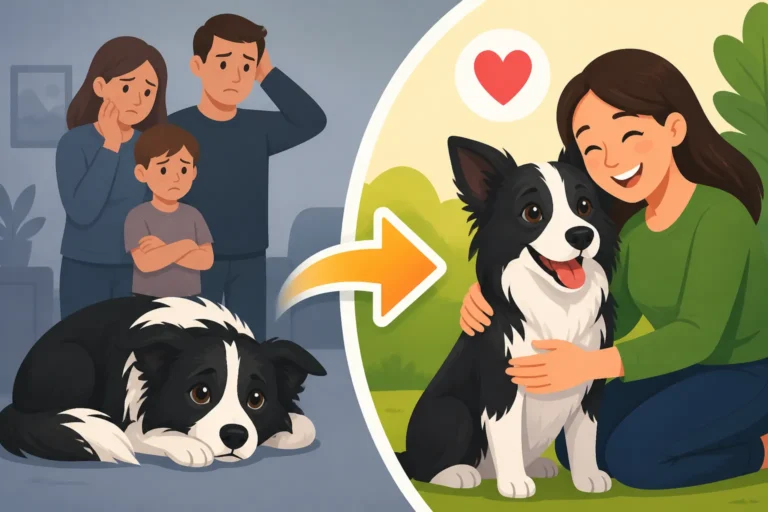
The nagging worry about your beloved Border Collie's health, particularly those hidden genetic conditions, is a burden many of us carry. It's tough to know what lurks beneath the surface, and the thought of an unexpected illness can be truly unsettling. This guide is here to shed light on what a Border Collie DNA panel entails, exploring its various costs, the invaluable peace of mind it offers, and how this investment can truly safeguard your furry family member's future.
Why is DNA Testing So Important for Your Border Collie?
As a Border Collie owner, you know these dogs are bundles of intelligent energy, keen to work and eager to please. But beneath that impressive drive and sharp mind, like with any purebred, lie predispositions to certain inherited health conditions. It's not a flaw in the breed, just a genetic reality that responsible ownership acknowledges. DNA testing isn't about finding fault; it's about being proactive, informed, and giving your dog the best possible life.
Understanding Inherited Diseases Common in Border Collies
Border Collies, while generally robust, do have a genetic blueprint that can unfortunately include a susceptibility to specific health issues. Conditions like Collie Eye Anomaly (CEA), Trapped Neutrophil Syndrome (TNS), Neuronal Ceroid Lipofuscinosis (NCL), and even drug sensitivity via the MDR1 gene deletion are all part of the conversation when we talk about Border Collie health. Imagine trying to explain to a vet that your dog is suffering from a condition you didn't even know was possible, or worse, giving a medication that could be dangerous because of an unknown genetic sensitivity.
These conditions aren't just minor inconveniences; some can significantly impact your dog's quality of life, leading to vision impairment, neurological issues, immune system problems, or severe adverse drug reactions. For instance, understanding the risk of Collie Eye Anomaly in a Border Collie Puppy can help you monitor your puppy's vision from a young age, even if they appear mildly affected. Likewise, knowing about What TNS Does to a Border Collie Puppy is crucial, as this severe immune deficiency is often fatal in affected puppies. Without genetic testing, these conditions can strike unexpectedly, leaving you and your vet scrambling to understand and manage them.
Peace of Mind for Pet Owners and Responsible Breeding
There's an undeniable emotional toll that comes with uncertainty about your dog's health. Having a comprehensive DNA panel done can lift a huge weight off your shoulders. Knowing your Border Collie is clear of certain genetic markers, or understanding they might be a carrier for a condition (meaning they won't get it but could pass it on), allows you to breathe a little easier. This knowledge is empowering.
For those considering breeding, DNA testing is not just recommended; it's an ethical imperative. Responsible breeders use these tests to ensure they are not inadvertently passing on debilitating conditions to future generations. They are often asked by prospective puppy buyers for proof of Which DNA Tests a Border Collie Breeder Should Have Run, showing a commitment to the health of the breed. By knowing the genetic status of parent dogs, breeders can make informed pairing decisions, aiming to produce healthy, clear puppies and contribute positively to the breed's gene pool. Even if your Border Collie is "just" a pet, your results contribute valuable data and understanding to the broader Border Collie community.
Proactive Health Management and Vet Care
The results from a Border Collie DNA panel provide your veterinarian with an invaluable tool for preventative and personalized care. If your dog tests as a carrier or affected for certain conditions, your vet can implement specific monitoring protocols or advise on preventative measures. For example, knowing your Border Collie has the Drug Sensitivity and the Border Collie MDR1 Rate means your vet will know exactly which common medications to avoid or use with extreme caution, potentially saving your dog from a severe, even fatal, reaction.
This proactive approach can extend beyond just avoiding certain drugs. If a specific condition shows a higher risk, your vet might recommend earlier or more frequent screenings, changes in diet, or specific supplements. It turns reactive care into preventative health management, aligning with the goal of ensuring your Border Collie lives a long, vibrant life. This is especially vital when considering that some issues like Epilepsy in a Border Collie Between One and Five can appear seemingly out of nowhere, but genetic predispositions might inform future treatment plans.
Breaking Down the Cost: What Influences the Price of a Border Collie DNA Panel?
When you start looking into DNA testing for your Border Collie, you'll quickly realize that "cost" isn't a single, fixed number. It's more of a range, influenced by several factors, much like the price of dog food or veterinary visits. Understanding these variables can help you make an informed decision that suits your budget and your dog's specific needs.
The Scope of the Panel: How Many Diseases Are Screened?
This is arguably the biggest factor in determining the price. Genetic testing companies offer a spectrum of options, from basic, breed-specific panels to comprehensive screens that check for hundreds of genetic mutations across many breeds.
- Basic Breed-Specific Panels: These typically focus on the most prevalent and impactful genetic conditions known to affect Border Collies. Think of the "must-have" tests like those for CEA, TNS, NCL, and MDR1. These panels are usually the most affordable option, as they target a limited set of markers directly relevant to the breed. They provide crucial information without overwhelming you with data that might be less pertinent.
- Comprehensive Genetic Health Screens: These are the "Cadillacs" of DNA testing. They'll include all the breed-specific tests for Border Collies, but then they'll expand to cover a vast array of other conditions common across many dog breeds, coat color genetics, trait analysis (like coat type or ear set), and even genetic diversity markers. While these panels offer an incredible amount of data, they come with a significantly higher price tag due to the sheer volume of tests performed. Some might even include general canine health markers that aren't specifically Border Collie issues but could still be relevant.
- Individual Disease-Specific Tests: Sometimes, you might only be concerned about one particular condition, perhaps because a close relative of your dog was affected, or your vet has a specific concern. In these cases, you can often order a single test for a specific gene mutation. This is usually the least expensive option per test, but if you need to test for multiple individual conditions, the cost can quickly add up to or surpass that of a basic panel.
The more extensive the panel, the more you can generally expect to pay. It’s a trade-off between cost and the breadth of information you receive, giving you insight into The Border Collie Genetic Panel and What It Screens.
Laboratory Fees and Technology
Just like with human medical tests, the cost can vary depending on the laboratory doing the testing. Some labs are larger, more established, and have proprietary technology or research capabilities that might factor into their pricing. Others might be smaller, more specialized, or offer more budget-friendly options.
- Research and Development: Laboratories that invest heavily in genetic research, discovering new markers, or refining testing methods often have higher overheads. This expertise can translate to slightly higher costs, but it also means you're getting state-of-the-art testing.
- Processing Volume: Labs that process a very high volume of samples might be able to offer lower prices due to economies of scale. Conversely, highly specialized labs with fewer samples might need to charge more per test.
- Report Detail and Support: Some labs provide very detailed reports, genetic counseling services, or extensive online resources to help you interpret the results. This added value can contribute to the overall cost, but it can be incredibly helpful for navigating complex genetic information like understanding Carriers, Affected and Clear on a Border Collie Panel.
It’s always a good idea to check out a lab's reputation and what exactly is included in their service package before committing.
Geographic Location and Specific Provider
While DNA samples can be shipped globally, the pricing can sometimes reflect the location of the testing company or your local veterinary clinic's markup if they facilitate the testing. Companies operating in regions with higher labor costs or stricter regulatory environments might have slightly different pricing structures.
For example, a veterinarian in a high-cost-of-living area might charge a higher administrative fee for collecting and sending a sample compared to a rural vet clinic. Online direct-to-consumer kits, which you collect at home, often have more standardized pricing regardless of your location, but you'll still factor in shipping costs.
Some companies, like those that partner with pet supply retailers, might offer occasional discounts or bundles. While I can't give you specific figures, it's always wise to compare options. For instance, you might find some genetic testing kits available through large pet retailers or online stores like Chewy, which sometimes have sales or bundle offers, making them more accessible. Always remember to check their current offerings directly.
Different Types of Border Collie DNA Panels and Their Price Points
Navigating the world of genetic testing can feel a bit like reading a foreign language at first glance. There are so many acronyms and names for different conditions! But generally, the options for DNA panels break down into a few clear categories, each with its own price implications. The key is to understand what each type offers and to match it to your needs and budget.
Basic Breed-Specific Panels
These are the fundamental panels, typically designed to identify the most critical and prevalent genetic health risks unique to a particular breed. For Border Collies, this would include tests for conditions like Collie Eye Anomaly (CEA), Trapped Neutrophil Syndrome (TNS), Neuronal Ceroid Lipofuscinosis (NCL), Imerslund-Gräsbeck Syndrome (Cobalamin Malabsorption), and the Multidrug Resistance 1 (MDR1) gene mutation.
These panels are often the most cost-effective entry point into genetic testing. They provide essential information that can significantly impact your Border Collie's long-term health and care. They are particularly popular with new puppy owners or those adopting a Border Collie, offering a foundational understanding of their dog's genetic health. A basic panel is usually sufficient for making informed daily care decisions and for screening if you're not planning to breed. The specific tests included can vary slightly between laboratories, so always check the list before you purchase.
Comprehensive Genetic Health Screens
Moving up the ladder, comprehensive genetic health screens cast a much wider net. These panels include all the breed-specific tests found in the basic panels, but they also screen for a multitude of other genetic conditions that might not be exclusive to Border Collies but are known to affect dogs in general. This could include things like Progressive Retinal Atrophy (PRA) variants, certain types of deafness, or blood disorders. Beyond health conditions, these panels often delve into traits like coat color genetics (e.g., determining if your dog carries dilute, sable, or merle genes), coat type (rough vs. smooth), and even physical characteristics.
These extensive panels are fantastic for those who want the most complete picture of their dog's genetic makeup. They offer a deeper dive into potential future health risks and can be invaluable for breeders who want to be incredibly thorough in their genetic planning. The added depth, however, comes with a higher price point. You're paying for the analysis of dozens, sometimes hundreds, of genetic markers, providing an unparalleled wealth of information about your dog's inherited traits and predispositions.
Individual Disease-Specific Tests
Sometimes, you don't need a whole panel. Perhaps you've had an Eye Exam a Border Collie Puppy Gets at Six Weeks and a specific concern for CEA was raised, and you only want to confirm that. Or maybe your vet has observed symptoms that align with a particular genetic condition, and you want to test for that specific marker. In these instances, many laboratories allow you to order individual tests for specific diseases or traits.
This option is the most flexible and, on a per-test basis, usually the least expensive. However, if you find yourself ordering multiple individual tests, the cumulative cost can quickly reach or exceed that of a basic panel. It's an excellent choice for targeted concerns or to confirm a specific suspicion. It's less about a general health overview and more about answering a very particular genetic question. For instance, if you’re concerned about The Age CL Symptoms Start in a Border Collie, and you know your dog's lineage might be affected, a single test could provide clarity.
Here's a simplified table illustrating the general differences in panel types:
| Panel Type | Scope of Testing | Common Border Collie Conditions Covered (Examples) | Typical Price Range (Shape) | Ideal For |
|---|---|---|---|---|
| Basic Breed-Specific | Most common, high-impact breed-specific conditions | CEA, TNS, NCL, MDR1, IGS | Lower to Mid-Range | New puppy owners, pet owners, general screening |
| Comprehensive Health Screen | Extensive breed-specific, general canine, traits, diversity | All basic, plus PRA, deafness, coat colors, etc. | Mid- to High-Range | Thorough breeders, detailed health insights |
| Individual Disease Test | One specific genetic marker | Single test for CEA, MDR1, etc. | Lowest per test (variable overall) | Targeted concerns, confirming suspicions |
Note: Prices vary significantly between providers and are subject to change. Always check current figures with the testing laboratory.
The Long-Term Value: Is a Border Collie DNA Panel Worth the Investment?
When you're looking at the upfront cost of a DNA panel, it's easy to wonder if it's truly "worth it." After all, Border Collies are generally healthy, active dogs. But I can tell you from years of experience that thinking long-term about your dog's health is one of the smartest things you can do. A DNA panel isn't just an expense; it's an investment in a happier, healthier future for your Border Collie, and in many cases, it can actually save you a significant amount of money and heartache down the road.
Avoiding Expensive Treatments for Undiagnosed Conditions
Imagine this scenario: your young Border Collie starts showing neurological symptoms, or develops an unexplained chronic illness. Without genetic information, your vet might have to run a battery of expensive diagnostic tests – blood work, imaging (like MRIs or CT scans), specialist consultations – all to try and pinpoint the problem. These diagnostic journeys can quickly escalate into thousands of dollars.
However, if you've already had a DNA panel done and it indicates a predisposition or carrier status for a condition like Neuronal Ceroid Lipofliposis in a Border Collie, your vet has a massive head start. They can immediately focus on confirming that specific diagnosis, often with fewer, more targeted tests. This can drastically reduce diagnostic costs and get your dog the right treatment much faster. Preventing a severe drug reaction due to an unknown MDR1 mutation, for example, is priceless compared to the cost of emergency vet care for toxicity. It's the ultimate form of preventative medicine.
Ensuring a Longer, Healthier Life for Your Companion
Beyond the financial aspect, the true value lies in your Border Collie's quality of life. Knowing about genetic predispositions allows for proactive management. This might mean starting supplements early, implementing specific dietary changes, or adjusting their exercise regimen to delay or mitigate the onset of certain conditions. For instance, if you know your dog is prone to certain joint issues, you might be extra diligent about protecting their Hip and Elbow Scores in a Border Collie by avoiding excessive impact during their growth phases.
The goal isn't just to treat illness, but to promote wellness and longevity. A dog that receives early intervention or preventative care based on genetic insights is more likely to stay active, comfortable, and engaged for more years. This means more hikes, more training sessions, and more cherished moments with your best friend. This insight into their potential future health can quite literally add healthy, happy years to their life.
Informing Breeding Decisions and Puppy Health
For those involved in breeding Border Collies, the value of DNA testing is immeasurable and extends beyond their own dogs to the entire breed. Responsible breeders use genetic panels to identify carriers of diseases and make informed decisions about breeding pairs. This helps to prevent the birth of puppies that are "affected" by severe inherited conditions. This ensures that the puppies they bring into the world have the best possible start and are free from preventable genetic health issues.
This commitment to genetic health builds trust with puppy buyers and upholds the integrity of the breed. It means that families bringing home a new Border Collie puppy can do so with confidence, knowing that the breeder has done their due diligence. It's a fundamental part of ethical breeding practices and contributes to the overall health and future of the Border Collie population. You want to make sure you're asking a breeder for their full health test results, not just for hips and eyes, but for genetic panels as well.
Where to Get Your Border Collie's DNA Tested
Once you've decided that a DNA panel is a smart move for your Border Collie, the next question is where to get it done. The good news is you have several reputable options, each with its own advantages, whether you prefer a hands-on approach with your vet or the convenience of an at-home kit.
Reputable Canine Genetic Testing Laboratories
There are several well-established laboratories that specialize in canine genetic testing. These labs are generally recognized for their scientific rigor, accuracy, and comprehensive panels. When choosing a lab, look for ones that:
- Specialize in Canine Genetics: This ensures they have the expertise and focus on dog-specific conditions.
- Offer Breed-Specific Panels: Make sure they have a panel tailored for Border Collies, covering the most common genetic concerns for the breed.
- Provide Clear, Understandable Reports: The results shouldn't be indecipherable scientific jargon. Good labs provide reports that are easy for both you and your vet to understand.
- Have Good Customer Support: If you have questions about the process or the results, you want a responsive and knowledgeable team to help.
Some popular and reputable options in the canine genetic testing space often offer comprehensive panels that cover many of the conditions specific to Border Collies. While I can't mention specific prices, these labs typically provide detailed information on their websites about what their various panels cover and their associated costs. They may also have options for individual tests, if you're only looking to screen for a particular condition.
Veterinarian-Assisted Testing
Many veterinarians offer to facilitate DNA testing for their clients. This usually involves your vet taking a buccal swab (from inside your dog's cheek) or a blood sample and then sending it off to a chosen laboratory. The benefits of this approach are numerous:
- Professional Sample Collection: Your vet or a trained technician will ensure the sample is collected correctly, minimizing the risk of contamination or insufficient DNA, which could lead to retesting delays and extra fees.
- Expert Interpretation: Your vet can help you choose the most appropriate panel for your Border Collie, based on their health history and any observed concerns. Once the results come back, they can help you interpret the findings and discuss the implications for your dog's health and care. This is especially helpful if you find results that suggest your Border Collie is a carrier for a condition.
- Integration with Medical Records: The results will become a part of your dog's official medical history, making it easier for your vet to reference them for future treatment decisions, such as prescribing medications. This is crucial for managing conditions like MDR1, where specific drug protocols need to be followed.
While your vet might charge a small fee for sample collection and handling, the peace of mind and expert guidance can be well worth the added cost.
At-Home DNA Collection Kits
For those who prefer convenience, at-home DNA collection kits are a popular choice. These kits are sent directly to your home and typically include everything you need to collect a cheek swab sample from your Border Collie yourself. You then mail the sample back to the lab. Many of the same reputable labs that vets use also offer direct-to-consumer kits.
- Convenience: You can collect the sample at your leisure, in the comfort of your own home, without needing a vet appointment.
- Cost-Effectiveness: Often, the direct-to-consumer kits can be slightly less expensive than vet-assisted testing because you're not paying for the vet's time for collection or interpretation (though you should still share the results with your vet).
- Ease of Use: The instructions provided are usually very clear and easy to follow, making the collection process straightforward.
However, it's essential to follow the instructions precisely to ensure a good sample. An improperly collected sample could result in inconclusive results and the need for a retest. After you receive your results, remember to share them with your veterinarian so they can be integrated into your Border Collie's health plan. Even if you use an at-home kit, the information gleaned from it can significantly inform discussions about their overall health and future care.
Budgeting for Your Border Collie's Health
Owning a Border Collie is a commitment, not just of time and energy, but also financially. While we've focused heavily on the cost and value of DNA panels, it's crucial to remember that this is just one piece of a much larger puzzle when it comes to your dog's overall health budget. Planning for their well-being means looking at the bigger picture and understanding all the potential costs involved in their care over their lifetime.
Beyond DNA: Other Essential Health Screenings
A DNA panel gives you invaluable insight into your Border Collie's genetic predispositions, but it's not the only health screening your active companion will need. Regular physical exams, vaccinations, and parasite prevention are standard, but for a breed as athletic as the Border Collie, other screenings are also vital.
Consider orthopedic evaluations for conditions like hip and elbow dysplasia. Many working and sport Border Collies will have their Hip and Elbow Scores in a Border Collie done, usually through x-rays evaluated by a veterinary radiologist, which comes with its own set of costs. Regular eye exams by a veterinary ophthalmologist are also recommended, especially if your dog's DNA panel showed a carrier status for certain eye conditions, or if you're actively breeding. These ongoing screenings ensure that non-genetic, developmental, or age-related issues are caught early, allowing for timely intervention and better outcomes.
Saving for Unexpected Vet Bills
Even with the most comprehensive DNA panels and diligent preventative care, life happens. Accidents, sudden illnesses, or unforeseen complications can arise, leading to unexpected and often substantial veterinary bills. It's a common frustration among pet owners, as these emergencies never seem to come at a convenient time.
Establishing an emergency fund specifically for your dog's health is one of the most responsible things you can do. Setting aside a small amount each month into a dedicated savings account can build a safety net that protects you from financial strain during a crisis. Think of it as investing in your peace of mind – knowing you can provide the best care without stressing about the cost in an already stressful situation. This fund should be separate from The Annual Border Collie Budget Nobody Plans For, as that usually covers routine care, food, and training.
The Role of Pet Insurance
Another excellent way to mitigate the financial impact of unexpected veterinary costs is pet insurance. While it's an ongoing monthly expense, it can be a lifesaver when major medical issues arise. Policies vary widely, but most cover a percentage of eligible veterinary expenses after a deductible is met.
When looking at pet insurance for a Border Collie, pay close attention to what's covered regarding inherited conditions. Some policies have waiting periods, or may not cover pre-existing conditions, so it's often best to enroll your puppy as early as possible. For instance, Insuring a Border Collie Against Epilepsy and Joints is a common concern, so check if the policy you're considering has specific clauses about breed-specific genetic issues or chronic conditions. Companies like Healthy Paws are known for their comprehensive coverage options, but it’s always important to read the fine print and understand what your specific plan entails before committing. Pet insurance can transform a potentially devastating financial blow into a manageable claim, allowing you to focus on your Border Collie's recovery.
Disclaimer
This article is for general informational purposes only and does not constitute professional advice. Laws, prices and regulations vary by location and change over time. Consult a qualified professional for guidance on your specific situation.