The Eye Exam a Border Collie Puppy Gets at Six Weeks
Bringing a new Border Collie puppy home is an incredibly exciting time, full of dreams of adventures, clever tricks, and maybe even some sheep-herding prowess. But among all the joyful anticipation, there's often an underlying worry about their health, especially for such an active and intelligent breed. One of the critical early health checks that can feel a bit daunting is the specialized eye exam these little bundles of fluff go through at just six weeks old. This comprehensive guide will walk you through exactly why this exam is so important, what to expect, and what the results might mean for your future furry family member.
Why a Six-Week Eye Exam Is Non-Negotiable for Border Collie Puppies
It's easy to think that a tiny puppy's eyes look perfectly fine, sparkling with curiosity and mischief, and wonder why a special vet visit for their peepers is even necessary. But for Border Collies, this early eye exam isn't just a routine check-up; it's a vital screening for inherited conditions that could profoundly impact their vision and quality of life. Unlike many other breeds, Border Collies are predisposed to certain genetic eye issues that can be present from birth or develop very early on, often before they even leave their breeder's care. Catching these problems at six weeks allows breeders and prospective owners to make informed decisions and prepare for any potential challenges.
The Importance of Early Detection for Inherited Eye Conditions
Imagine adopting a puppy, falling head over heels, only to discover a few months or even years down the line that they're slowly going blind due to an inherited condition. It's a heartbreaking scenario that responsible breeders strive to avoid, and early detection is their strongest tool. The six-week eye exam is performed by a veterinary ophthalmologist – a specialist in animal eyes – precisely because they have the expertise and equipment to spot minute abnormalities that a general vet might miss. These conditions, if left unchecked, can lead to varying degrees of vision impairment, discomfort, and in some cases, complete blindness. Knowing early means you can plan for their future, whether that's adapting their training, seeking further treatment, or simply providing a more understanding and structured environment to help them thrive. It’s all about giving these incredible dogs the best possible start and ensuring their health is proactively managed.
Understanding Collie Eye Anomaly (CEA) in Border Collies
When we talk about inherited eye conditions in Border Collies, the big one that almost always comes up is Collie Eye Anomaly, or CEA. This isn't just a minor blip; it's a developmental disorder that affects several structures within the eye, specifically the choroid (a vascular layer providing nutrients to the retina), sclera (the white outer layer of the eyeball), and sometimes the retina and optic nerve. It's a genetic condition, meaning it's passed down from parents to puppies.
The impact of CEA can range from very mild, barely noticeable vision changes to severe impairment, including retinal detachment and blindness. A puppy might have what's called a choroidal hypoplasia, which essentially means the choroid hasn't developed fully. This is what the ophthalmologist is primarily looking for at six weeks. The tricky part is that the appearance of these abnormalities can change as the puppy grows, which is why that early window is so crucial. By six to eight weeks, the choroidal layer is still somewhat transparent, allowing the ophthalmologist to see these developmental defects clearly. If you want to dive deeper, we have a dedicated article on Collie Eye Anomaly in a Border Collie Puppy that covers this in more detail. It’s critical for anyone considering a Border Collie to understand this condition fully.
What Happens During a Puppy's Six-Week Eye Examination
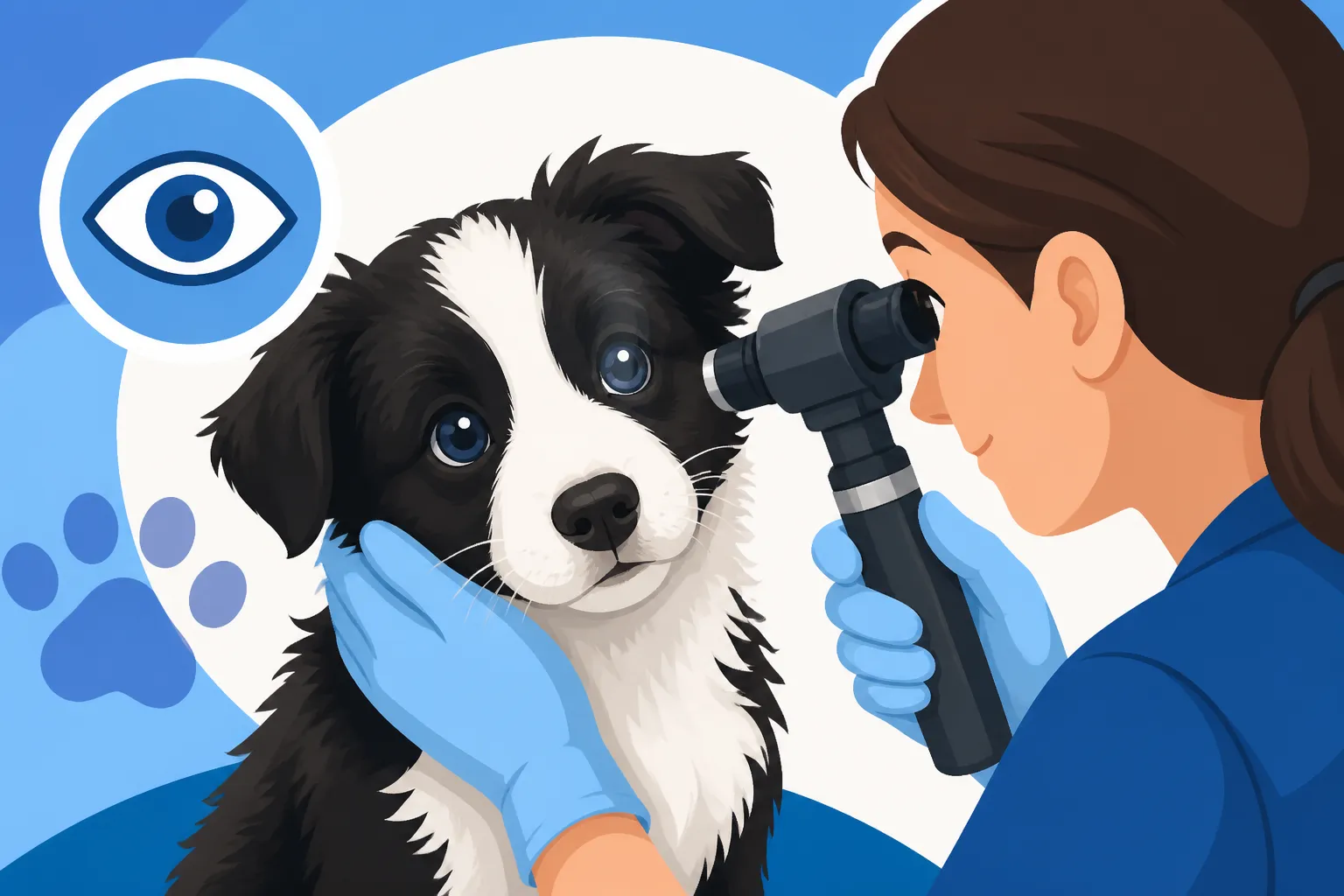
So, what exactly goes down during this specialized puppy eye check-up? It's not like your routine vet visit where they just shine a light in your dog's eyes and call it a day. This is a thorough examination performed by a board-certified veterinary ophthalmologist, often involving a bit of patience and some special drops. Breeders usually coordinate these appointments for the entire litter, making it a "puppy party" of sorts, albeit one with a very serious purpose. It's a process designed to be as stress-free as possible for the young pups, while yielding the most accurate results for their future well-being.
The Ophthalmic Vet's Process and Tools
When the puppies arrive for their exam, the veterinary ophthalmologist will typically conduct a general visual inspection first, checking for any obvious abnormalities or signs of discomfort. Then, they’ll use specialized tools to get a close-up, magnified view of the intricate structures within each eye. These tools include an ophthalmoscope, which allows them to peer into the back of the eye, and sometimes a slit lamp, which provides a magnified, three-dimensional view of the anterior and posterior segments of the eye.
The ophthalmologist will methodically examine each part of the eye, including the cornea, lens, retina, and optic nerve, looking for any deviations from normal development. They're searching for specific indicators of inherited eye diseases common in Border Collies. It’s a quiet, careful procedure, often done with the puppy gently held to ensure they remain still and comfortable. This meticulous approach is what makes the results so reliable and why breeders invest in these specialist examinations.
Dilating the Pupils for a Clear View
A key step in the six-week eye exam is the dilation of the puppies' pupils. Just like when you go for an eye exam and the optometrist uses drops to make your pupils wider, the veterinary ophthalmologist does the same for the puppies. They'll administer eye drops, typically atropine or tropicamide, to temporarily enlarge the pupils. This dilation is absolutely essential because it allows the ophthalmologist to get a much wider and clearer view of the back of the eye, specifically the retina and choroid.
Without dilated pupils, many of the subtle abnormalities associated with conditions like CEA could easily be missed. The drops take about 15-30 minutes to work, so there's usually a short waiting period during the appointment. The puppies might look a little goofy with their huge black pupils afterwards, and they'll be more sensitive to light for a few hours, but there are no lasting effects. This temporary inconvenience is a small price to pay for such a comprehensive and important diagnostic view.
Specific Anomalies the Vet Looks For
During the examination, the ophthalmologist is meticulously searching for a range of specific anomalies that point to inherited eye conditions. For Border Collies, the primary focus is often on detecting various manifestations of Collie Eye Anomaly (CEA). These include:
- Choroidal Hypoplasia (CH): This is the most common and earliest detectable sign of CEA. It's an underdevelopment of the choroid, the layer of blood vessels and connective tissue that provides nutrients to the retina. It appears as an area of pallor or thinning in the fundus (the back of the eye). While this doesn't usually affect vision directly, it's a marker for the genetic condition. What a choroidal defect means in a Border Collie can vary significantly in its presentation and severity.
- Coloboma: This is a pit or notch in the optic disc (where the optic nerve meets the retina), or sometimes in the choroid. It can range from a very small, insignificant defect to a large one that severely impairs vision, or even leads to retinal detachment or bleeding inside the eye.
- Retinal Detachment: In severe cases of CEA, the retina can detach from the underlying choroid. This is a serious condition that causes partial or complete blindness in the affected eye and requires immediate veterinary attention.
- Tortuous Retinal Vessels: The blood vessels in the retina might appear unusually twisted or kinky.
The ophthalmologist is trained to identify these subtle changes, distinguishing them from normal variations in puppy eye development. Their findings are crucial for determining the puppy's eye health status and guiding future breeding decisions.
Decoding the Results: Clear, Affected, and Go-Normal Border Collies
After the thorough examination, the ophthalmologist will provide the results, which can sometimes feel like decoding a secret language. For Border Collie owners, understanding these classifications – "clear," "affected," and the enigmatic "go-normal" – is absolutely paramount. These terms aren't just labels; they carry significant implications for the puppy's health, potential for future breeding, and how you might need to approach their care. It’s a moment of truth for both the breeder and the new owners.
What a "Clear" Diagnosis Really Means
If your Border Collie puppy receives a "clear" diagnosis at their six-week eye exam, it means the veterinary ophthalmologist found no observable signs of inherited eye conditions like CEA at that time. This is fantastic news, a big sigh of relief for everyone involved! A clear puppy is generally considered free of the detectable ocular defects that commonly plague the breed.
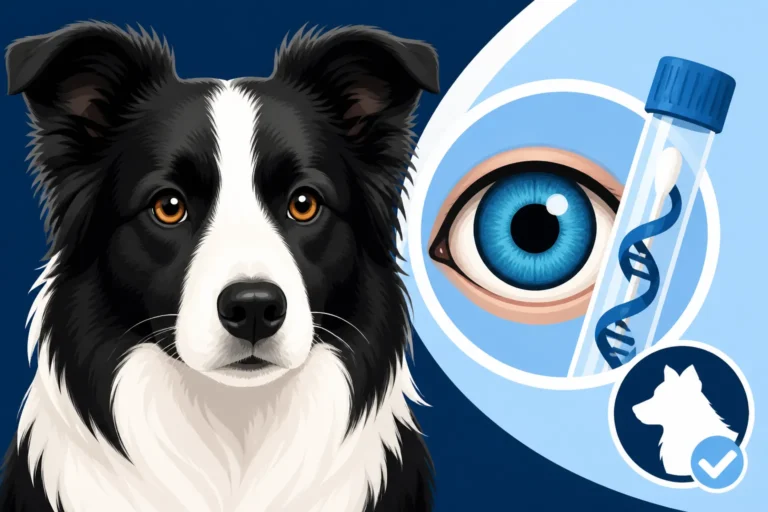
However, it's important to understand that "clear" on the ophthalmic exam primarily refers to the phenotype – what is physically observable. While it's a strong indicator of good eye health, it doesn't always tell the whole genetic story. Some conditions might have a late onset, and some puppies might be genetic carriers for certain diseases even if they don't show symptoms themselves. This is why many responsible breeders pair the physical eye exam with genetic testing, specifically The NHEJ1 Test for Collie Eye Anomaly, to get the most complete picture of a puppy's genetic health. A clear result means you can generally proceed with confidence, knowing their eyes are off to a healthy start.
The Spectrum of "Affected" and Its Implications
An "affected" diagnosis, while concerning, isn't always a dire pronouncement. It simply means the ophthalmologist identified one or more of the specific anomalies associated with inherited eye conditions, such as choroidal hypoplasia or a coloboma. The severity of being "affected" can vary widely. A puppy might be mildly affected with just a small area of choroidal hypoplasia that will likely never impact their vision, or severely affected with significant colobomas or even retinal detachment that could lead to blindness.
The ophthalmologist will typically grade the severity of the findings. For instance, The Mildly Affected Border Collie That Sees Normally often leads a perfectly normal life without any noticeable visual impairment. The most important thing is transparency and understanding. A responsible breeder will fully disclose these findings and explain what they mean for that particular puppy. Affected puppies might be restricted from breeding programs to prevent passing on the genetic trait, but they can still make wonderful, beloved pets, often with no noticeable daily challenges. It's about informed decision-making and providing appropriate care based on the specific diagnosis.
The Curious Case of "Go-Normal" Border Collies and Why the Exam Misses Them
Now, here's where things get a little tricky and highlight why the six-week timing of the eye exam is so specific. There's a phenomenon known as "go-normal" in CEA-affected puppies. What happens is that some puppies born with mild choroidal hypoplasia, a key indicator of CEA, can appear to "go normal" as they mature. As the puppy's eye develops and the pigment in the choroid layer becomes denser, those subtle lesions that were visible at six weeks can become obscured by the pigment.
This means that if a puppy with go-normal CEA were examined later, say at 12 weeks or six months, an ophthalmologist might not be able to detect the choroidal hypoplasia through visual inspection alone, even though the genetic defect is still present. This is precisely why the six-week window is so critical for the clinical exam. If an exam is done too late, a puppy that is genetically affected could be misdiagnosed as clear. This situation underscores why breeders might also rely on DNA testing. We have a detailed post on Go-Normal Border Collies and Why the Exam Misses Them which explains this fascinating and somewhat frustrating aspect of CEA diagnosis. It's a prime example of why getting the timing right for these specialized exams is non-negotiable.
Beyond the Six-Week Exam: Follow-Up and Genetic Testing
While the six-week eye exam provides a crucial snapshot of a Border Collie puppy's ocular health, it's rarely the final word, especially in the context of responsible breeding or long-term pet ownership. The world of canine genetics and health is complex, and a single clinical exam, however thorough, has its limitations. Savvy owners and ethical breeders understand that ongoing monitoring and advanced genetic tools are part of a holistic approach to ensuring the best possible vision and overall health for these remarkable dogs.
When Further Examinations Are Necessary
A clear six-week eye exam is a fantastic start, but it doesn't mean you can forget about eye health entirely. In some cases, follow-up examinations might be recommended:
- Borderline or Mildly Affected Puppies: If a puppy has a very mild, questionable finding, the ophthalmologist might suggest a re-check in a few months to see if the condition has progressed or resolved.
- Concerns About Progressive Conditions: While CEA is typically static after the initial diagnosis (though its visible signs can "go normal"), other eye conditions, like Progressive Retinal Atrophy (PRA), can develop later in life. If there's a family history of PRA, or if an older Border Collie starts showing signs of vision loss, a follow-up exam is essential. Our article on Progressive Retinal Atrophy in an Older Border Collie explains this condition in more detail.
- Changes in Vision or Eye Appearance: Any owner noticing changes in their Border Collie's vision – bumping into things, reluctance to go into dimly lit areas – or changes in their eyes themselves, such as cloudiness, redness, or discharge, should immediately consult their general vet, who may then recommend an ophthalmologist.
Regular veterinary check-ups should always include a basic eye examination, and your vet can advise if a specialist referral is ever warranted.
Complementary DNA Testing for Comprehensive Eye Health
The clinical eye exam at six weeks is invaluable for identifying current observable conditions, but DNA testing offers a different, equally important layer of information: the genetic blueprint. For Border Collies, genetic testing can identify whether a dog carries the mutations for various inherited diseases, including CEA, even if they don't show symptoms themselves. This is especially vital for breeders.
For CEA, the NHEJ1 DNA test can definitively determine if a dog is "clear," "carrier," or "affected" genetically, regardless of what the physical eye exam shows, particularly for "go-normal" cases. A "carrier" dog carries one copy of the gene mutation but usually doesn't show symptoms, while an "affected" dog has two copies and will likely develop the condition. Breeders use this information to make informed pairing decisions, ensuring they don't breed two carriers together, which could produce affected puppies. If you're wondering Which DNA Tests a Border Collie Breeder Should Have Run, this one is usually near the top of the list. A comprehensive genetic panel, like the one discussed in The Border Collie Genetic Panel and What It Screens, screens for multiple conditions, providing a full health profile.
Ethical Breeding Practices and Eye Health
For responsible Border Collie breeders, eye health is not just about one puppy; it's about the health of the entire breed line. Ethical breeders prioritize:
- Pre-breeding Screening: Both parents should undergo full ophthalmic examinations and comprehensive DNA testing before being bred. This helps identify carriers or affected dogs and guides breeding decisions to minimize the risk of passing on genetic diseases. Don't be shy about Asking a Border Collie Breeder for Test Results – a good breeder will be proud to share them.
- Transparency: Openly disclosing all health testing results, including eye exam findings for the litter and genetic panel results for the parents, is a hallmark of an ethical breeder.
- Education: Guiding prospective owners through the meaning of eye exam results and genetic testing is part of their responsibility, ensuring owners are fully informed about their puppy's health status.
- Selective Breeding: Making difficult choices, sometimes removing dogs from breeding programs, to prevent the propagation of serious genetic conditions, even if those dogs are otherwise excellent in temperament and working ability.
By combining meticulous clinical exams like the six-week puppy eye check with advanced genetic testing, ethical breeders are safeguarding the future health and vision of the Border Collie breed.
Living with a Border Collie with Eye Conditions
Discovering that your beloved Border Collie puppy has an eye condition, even a mild one, can be unsettling. It’s natural to feel a pang of worry about their future quality of life. However, it's crucial to remember that an "affected" diagnosis, particularly for conditions like CEA, doesn't automatically mean a life of suffering or extreme disability. Many Border Collies with eye conditions, especially those mildly affected, live full, happy, and incredibly active lives with minimal to no visual impairment. The key is understanding the specific diagnosis, working closely with your veterinary team, and adapting their environment and training as needed.
Managing Mildly Affected Border Collies
For Border Collies diagnosed as mildly affected with conditions like CEA, the good news is that often, very little day-to-day management is required. Many of these dogs will never show any clinical signs of vision loss. Their choroidal hypoplasia, while genetically present, might not impact their vision in any perceptible way.
Here’s what managing a mildly affected Border Collie often entails:
- Regular Veterinary Check-ups: Continue with routine vet visits. Your general vet will keep an eye on their ocular health as part of their overall wellness exam. If any changes are noted, they might recommend a revisit to the ophthalmologist.
- Environmental Awareness: While they might not show vision issues, always be mindful of sudden changes in their environment. Keep pathways clear, don't move furniture frequently, and give them time to adjust to new places, especially those with varying light conditions.
- Consistent Training: A consistent routine and strong verbal cues are always beneficial for Border Collies, regardless of their eye health. For a dog that might have subtle vision issues (even if not noticeable to you), clear communication builds confidence.
- No Restrictions on Activity: Unless specifically advised by a veterinary ophthalmologist, a mildly affected Border Collie can usually participate fully in all the activities the breed is known for, be it herding, agility, or just intense games of fetch in the park.
It's about being informed, not alarmed, and celebrating their abilities while being aware of their unique health profile.
Supporting a Border Collie with Significant Vision Impairment
If your Border Collie is more severely affected, or if they develop a progressive condition later in life that leads to significant vision impairment, your role as their advocate becomes even more important. It's a challenging situation, but these resilient dogs can adapt remarkably well with the right support.
Here are some ways to support a Border Collie with significant vision impairment:
- Maintain a Consistent Home Environment: This is paramount. Don't rearrange furniture. Keep food and water bowls, beds, and toys in predictable locations. Use textures like rugs or mats to mark specific areas (e.g., "this mat means food").
- Verbal Cues and Sound Markers: Rely heavily on verbal commands. Teach them specific words for steps ("step up," "step down"), obstacles ("wait," "clear"), and directions ("left," "right"). Use jingly tags on other pets or bells on family members so your Border Collie knows where everyone is.
- Scent Markers: Use distinct scents (e.g., essential oils diluted and dabbed safely) to mark important areas like doorways or corners. Dogs rely heavily on their sense of smell, and this can be a powerful navigational tool.
- Safe Outdoor Exploration: Keep walks on a leash in familiar, safe areas. If you have a yard, ensure it's securely fenced and clear of hazards. You can even create a "scent trail" to help them navigate.
- Enrichment: Focus on activities that stimulate their other senses. Scent work, puzzle toys (even those designed for sighted dogs can be adapted), and auditory toys (like crinkly or squeaky toys) are excellent.
- Patience and Empathy: It will take time for them and you to adjust. Celebrate their small victories and understand their frustrations. Always approach them gently and verbally announce your presence before touching them to avoid startling them.
Remember that even with significant vision challenges, a Border Collie’s intelligence and desire to work remain strong. Finding ways to engage their minds, even if it's not through traditional sight-based activities, will be crucial for their happiness.
Resources and Community Support
Navigating a diagnosis of an eye condition, especially if it's severe, can feel isolating. But you are not alone! There's a vibrant community of Border Collie owners and dog lovers who have faced similar challenges, and a wealth of resources available to help.
- Veterinary Ophthalmologists: Your primary resource for medical advice and ongoing care. Don't hesitate to ask them questions and seek clarification. They are your best guide for your dog's specific condition.
- Breed Clubs and Associations: Organizations like the Border Collie Society of America or the American Border Collie Association often have health committees or resources for owners dealing with inherited conditions. They can also connect you with experienced mentors.
- Online Forums and Social Media Groups: Search for "Border Collie eye conditions" or "blind dog support" groups on platforms like Facebook. These communities offer invaluable peer support, practical tips, and emotional understanding from people who truly get it.
- Dog Insurance: This is where a good pet insurance plan can really make a difference. Early diagnosis and ongoing treatment for inherited conditions can be costly. Plans from providers like Healthy Paws often cover eligible hereditary conditions if you enroll your puppy before symptoms appear, which can alleviate a significant financial burden. Look into options early to ensure you're covered for unexpected health issues down the line. It's always a good idea to research Insuring a Border Collie Against Epilepsy and Joints and other common ailments that can pop up.
- Specialized Training Resources: There are trainers and organizations dedicated to helping owners of blind or visually impaired dogs adapt their training methods. Seeking out their expertise can make a huge difference in your dog's confidence and your peace of mind.
By leaning on these resources and embracing the journey, you can provide an exceptional quality of life for your Border Collie, regardless of their eye health status. They bring so much joy into our lives, and supporting them through health challenges is simply part of being a devoted owner.
| Eye Condition/Finding | Typical Detection Age | Potential Severity | Impact on Vision (General) | Breeding Implications (General) |
|---|---|---|---|---|
| Collie Eye Anomaly (CEA) | 6-8 weeks (Ophthalmic Exam) | Mild to Severe (Choroidal Hypoplasia, Coloboma, Retinal Detachment) | None to complete blindness | Affected dogs and carriers generally not bred |
| Choroidal Hypoplasia (CH) | 6-8 weeks (Ophthalmic Exam) | Mild (often static) | Usually none, or very minimal | Indicator of CEA, breeding usually avoided |
| Coloboma (Optic Disc) | 6-8 weeks (Ophthalmic Exam) | Mild to Severe (depending on size and location) | Can range from none to severe impairment or detachment | Indicator of CEA, breeding usually avoided |
| Retinal Detachment | Variable (can be associated with severe CEA or other trauma) | Severe | Partial to complete blindness | If inherited, breeding usually avoided |
| "Go-Normal" CEA | 6-8 weeks (Ophthalmic Exam is only reliable time) | Mild (genetically affected, visually clear later) | Usually no detectable visual impairment | Genetically affected, breeding usually avoided |
| Progressive Retinal Atrophy (PRA) | Later onset (often young adult to middle age) | Progressive, leading to complete blindness | Gradual night blindness, then full blindness | Affected dogs and carriers generally not bred |
| Cataracts | Variable (can be juvenile or age-related) | Mild to severe | Clouding of lens, can cause vision loss | If inherited/juvenile, breeding usually avoided |
Disclaimer
The information provided in this article is for general informational purposes only and does not constitute veterinary advice. Always consult with a qualified veterinary professional or a board-certified veterinary ophthalmologist for any health concerns or before making any decisions about your Border Collie's medical care or breeding plans. Individual cases may vary, and only a professional can provide an accurate diagnosis and treatment plan.