Adopting a Border Collie That Was Never Exercised
It’s a heartbreaking scenario, isn't it? You open your home to a beautiful, intelligent Border Collie, only to discover they've spent too much of their life cooped up, with little to no exercise. You might be staring at a whirlwind of pent-up energy, frantic barking, or even worse, a dog shut down and withdrawn. This guide is all about understanding the deep impact of such a past, and, more importantly, providing a realistic roadmap to help your adopted Border Collie truly blossom into the magnificent companion they were born to be.
Understanding the Fallout of Neglected Exercise
When a Border Collie, a breed renowned for its boundless energy and sharp intellect, is denied appropriate exercise, the consequences run far deeper than just a bit of extra wiggling. It's a fundamental betrayal of their genetic blueprint, leading to both physical and psychological distress that can manifest in various challenging ways.
The Physical Toll on a Border Collie's Body
Imagine a finely tuned athlete never being allowed to train. That's essentially what happens to an unexercised Border Collie. Their bodies are built for movement, for agility, for covering miles. When that need isn't met, you can see a range of physical issues. Often, these dogs will be either overweight from excess food and inactivity, or conversely, terribly underweight if their general care has been poor. Overweight Border Collies are at higher risk for joint problems, even if their genetics predispose them to soundness. Their muscles, instead of being strong and supple, can become weak and atrophied. You might notice them struggling with stairs or even just getting up from a lying position, simply because their core strength and hind end development were never properly fostered. Long-term, this lack of appropriate physical conditioning can contribute to issues like early onset Osteoarthritis in a Border Collie by Eight or even exacerbate predispositions to conditions like hip or elbow dysplasia later in life.
Beyond muscle and weight, their cardiovascular system can suffer. A Border Collie's heart and lungs are meant to work hard, to carry oxygen efficiently to working muscles. A sedentary lifestyle means their endurance is practically non-existent. You might see them panting heavily after just a short walk, which isn't just a sign of being out of shape, but a potential indicator of a body that hasn't learned to regulate itself under exertion. Their pads and nails might also be overgrown and sensitive from lack of natural wear, making even a gentle stroll uncomfortable.
The Mental and Behavioral Impact
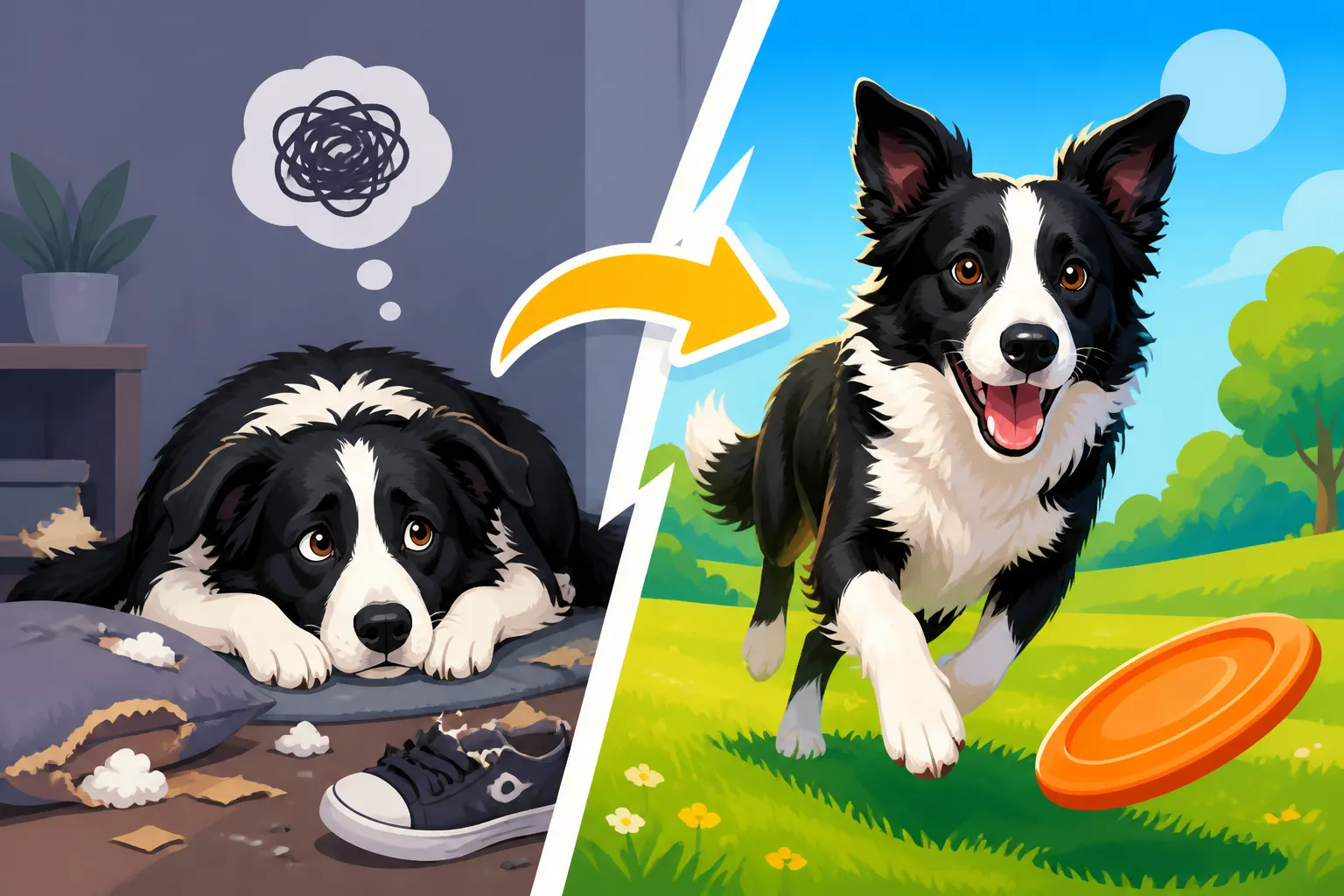
The physical issues, as tough as they are, often pale in comparison to the mental and behavioral struggles an unexercised Border Collie can face. These dogs are thinkers; they need jobs, puzzles, and direction. Without appropriate outlets, that powerful brain can turn inward, leading to a host of neurotic and anxious behaviors. You might encounter relentless barking, often directed at nothing in particular, just a desperate attempt to release internal pressure. Destructive chewing becomes a common outlet, not because they are "bad," but because chewing releases endorphins and provides some form of stimulation. Imagine coming home to shredded furniture, gnawed baseboards, or a perpetually redecorated living room – it's a frustrating reality for many new owners.
Anxiety is rampant in unexercised Border Collies. This can manifest as separation anxiety, where they panic when left alone, or generalized anxiety, making them fearful of new situations, people, or sounds. Some develop obsessive-compulsive behaviors, like Spinning and Tail Chasing in a Border Collie, frantic pacing, or even chasing shadows and light, all desperate attempts to self-soothe or find an outlet for their relentless drive. These behaviors aren't naughtiness; they are cries for help from a dog whose fundamental needs haven't been met. Reactivity, such as barking and lunging at other dogs or strangers, often stems from a combination of fear, overstimulation, and a lack of proper socialization and controlled exposure that would normally come with regular, structured outings. They simply haven't learned how to appropriately navigate the world.
Why a Border Collie Needs So Much Movement and Mental Engagement
It's truly in their DNA. Border Collies were selectively bred for centuries to work alongside shepherds, covering vast distances and making complex decisions independently. Their "eye" – that intense stare – is a hallmark of their herding instinct, designed to control livestock. Their speed, agility, and stamina were paramount for their original purpose. To deny them movement is like asking a fish to live on land; it goes against their very nature.
The "smartest breed" label, while a compliment, also comes with a heavy responsibility for owners. A Border Collie's intelligence isn't just about learning tricks; it's about problem-solving, anticipation, and sustained focus. If these cognitive muscles aren't flexed, they atrophy, or worse, they find unhealthy ways to engage. They're not just running machines; they're thinking machines. This means that Why Walking a Border Collie Is Not Enough is a crucial concept to grasp. A mere walk around the block, while better than nothing, won't satisfy their deep-seated need for purpose and mental engagement. They thrive on having a "job," even if that job is learning new tricks, doing scent work, or participating in dog sports.
Your First Steps: Assessment and Foundation
Adopting a Border Collie with a history of under-exercise means you're taking on a significant, but incredibly rewarding, challenge. Your initial steps need to be measured, thorough, and empathetic, setting the stage for their long-term recovery and happiness.
The All-Important Vet Check-Up
Before you even think about starting a rigorous exercise program, your adopted Border Collie must have a comprehensive veterinary examination. This is non-negotiable. It's not just about vaccinations and microchipping; it's about understanding what's going on inside their body. The vet will check their heart, lungs, and joints, looking for any pre-existing conditions that could be aggravated by exercise. They'll assess their body condition score, recommend appropriate diet adjustments, and identify any pain points that might be subtle. For instance, a dog who hasn't moved much might have underlying joint discomfort that isn't immediately obvious but would become painful with sudden activity.
A full blood panel might be recommended to check for any metabolic issues or other health concerns. Discuss their history (as much as you know) with your vet, including any observed behaviors. This initial health screening forms the baseline. It helps rule out medical reasons for their behavior or physical limitations, and ensures you start any new routine safely. If you’re worried about future health costs, especially for a dog with a potentially neglected past, looking into pet insurance from providers like Healthy Paws early on can provide peace of mind.
Building a Routine, Not an Avalanche
It's tempting to think your Border Collie needs to run for hours immediately to make up for lost time. Resist this urge! Their body and mind are not conditioned for it. Starting too intensely can lead to injuries, overwhelm, and even heighten anxiety. Think of it like a human starting a fitness program after years on the couch – you don't run a marathon on day one.
Your initial routine should be gentle and predictable. Short, frequent walks on a leash in a quiet environment are a good starting point. Focus on sniffing and exploring, which is mentally stimulating and low-impact. Introduce structure and predictability to their day with consistent feeding times, potty breaks, and short periods of quiet time. This helps reduce anxiety by providing a sense of control and knowing what to expect. Don't underestimate the power of Mental Work That Tires a Border Collie Faster than physical exertion alone. Five to ten minutes of focused training, teaching simple cues like "sit," "stay," or "down," can be surprisingly tiring for them.
| Activity Type | Initial Phase (Weeks 1-4) | Intermediate Phase (Weeks 5-12) | Advanced Phase (After 3 Months, Vet Approved) |
|---|---|---|---|
| Physical | Short, structured leash walks (10-15 min, 3x daily) on soft surfaces. Gentle yard exploration. | Longer leash walks (20-30 min, 2x daily). Introduction to gentle, structured play (e.g., short fetch sessions). | Jogging, hiking, swimming, longer fetch/flirt pole sessions. Introduction to dog sports. |
| Mental | Puzzle feeders, basic obedience, "find it" games indoors. Sniff walks. | More complex puzzle toys, learning new tricks, short scent work sessions, interactive toys. | Advanced obedience, agility foundations, competitive scent work, herding instinct tests. |
| Social | Controlled, calm interactions with known, stable dogs (if appropriate). Exposure to new sights/sounds from a distance. | Gradual, positive exposure to new environments, people, and dogs (controlled leash interactions). | Supervised dog parks (if suitable), group classes, well-managed playdates. |
| Rest/Recovery | Ample quiet time, crate training (if applicable), consistent sleep schedule. | Dedicated relaxation periods after activity, continued focus on calm settling. | Ensuring adequate rest to prevent overtraining and injury. |
Nutrition for a Recovering Border Collie
Diet plays a pivotal role in rehabilitating an unexercised Border Collie. If they are overweight, your vet will guide you on a safe weight-loss plan. This usually involves a calorie-controlled diet and careful portion management. High-quality food is essential, providing the right balance of protein, fats, and carbohydrates to support muscle development and energy without packing on extra pounds. Look for foods with good sources of omega-3 fatty acids, which can support joint health and a healthy coat.
For underweight dogs, the goal is to safely increase calories and nutrient intake to build healthy muscle mass. Again, your vet will be your best resource here. They might recommend specific brands or formulations that are higher in protein and healthy fats. Companies like Ollie offer fresh, human-grade food that can be highly palatable and nutritious, which can be great for dogs who might have had an inconsistent diet. Or if you're looking for quality kibble and supplements, Chewy has a vast selection to explore, often with detailed ingredient lists to help you choose wisely. Remember, every dog is an individual, so what works for one might not be ideal for another. Gradual changes are key, no matter the goal.
The Rehabilitation Journey: Exercise and Enrichment
Once your Border Collie has been thoroughly vetted and you've established a foundational routine, it's time to thoughtfully and incrementally build up their exercise and mental engagement. This phase requires patience, consistency, and a keen eye for your dog's cues.
Gradually Increasing Physical Activity
This is where the magic starts to happen, but it must be done intelligently. Think of building up endurance and strength like a slow climb, not a sprint up a mountain. Start with slightly longer leash walks, perhaps adding a few minutes each week, as long as your dog shows no signs of discomfort or excessive fatigue. Keep an eye out for Signs a Border Collie's Hips Are Sore or any limping after walks. Introducing varied terrain, like soft grass trails or sandy paths, can help build muscle without excessive impact on joints.
Once they're comfortable with longer walks, you can begin to introduce very short bursts of gentle, structured play. Think a few throws of a soft disc or ball, keeping it low-impact and ending before they're exhausted. Teach them to "fetch and return" to minimize frantic running. Swimming can be an excellent, low-impact exercise for Border Collies, building strength and stamina without stressing joints. Consider a flirt pole for controlled chasing and tugging, which also helps teach impulse control. The key is controlled bursts, followed by mandatory rest. Remember, the goal isn't to make them tired to the point of collapse, but to build their fitness steadily. A well-conditioned Border Collie needs a sensible approach to How Far a Border Collie Should Run in a Day.
Mental Stimulation is Key
Physical exercise alone, even if gradually increased, will never fully satisfy a Border Collie. Their minds are their greatest asset, and they crave challenges. This is where you can truly tap into their potential and redirect those intense instincts. Puzzle feeders, especially those that require manipulation or problem-solving, can be invaluable. Instead of just putting their meals in a bowl, make them work for it. You can find a huge variety of these toys on sites like Chewy, from beginner level to advanced, that will make mealtime an enriching experience.
Beyond feeders, engage their brains with:
- Trick Training: Border Collies excel at learning tricks. "Spin," "weave," "bow," "take a bow" – these aren't just cute; they build body awareness, focus, and a strong bond with you.
- Scent Work: This is gold for Border Collies! Hide treats or specific scented articles around the house or yard and encourage them to "find it." It's incredibly mentally fatiguing and doesn't require high physical impact. Scentwork for a Border Collie Between Trial Seasons is a common way to keep working dogs engaged, and it can be adapted for any pet home.
- Obedience Training: Consistent, positive reinforcement-based obedience training is foundational. Commands like "stay" and "come" with increasing distractions, or "place" where they settle on a mat, are critical for self-control and confidence. You can even teach them the names of their toys, like the famous Border Collie, Chaser, did. Teaching a Border Collie the Names of Its Toys is a fantastic way to engage their intelligence.
Knowing When to Call in Professional Help
Sometimes, despite your best efforts, a Border Collie's past trauma and lack of exercise can lead to deeply ingrained behavioral issues that are beyond what a new owner can manage alone. If you're encountering severe anxiety, aggression, extreme reactivity, or compulsive behaviors that don't improve with your structured routine, it's absolutely vital to seek professional help.
Look for a certified professional dog trainer (CPDT-KA) or a certified dog behavior consultant (CDBC), ideally one with experience with herding breeds and their specific needs. In some cases, a veterinary behaviorist may be necessary, especially if medication is being considered to help manage extreme anxiety or obsessive behaviors while you work through training. They can provide a personalized behavior modification plan, teach you advanced handling skills, and help you understand the nuances of your Border Collie's communication. It's not a sign of failure to ask for help; it's a sign of a responsible and loving owner committed to their dog's well-being.
Long-Term Success: Maintaining the Lifestyle
Bringing an unexercised Border Collie back to a state of physical and mental health is an ongoing journey, not a destination. Establishing sustainable habits and anticipating future needs will ensure your dog continues to thrive for years to come.
Creating a Sustainable Exercise and Enrichment Plan
The key to long-term success is finding a balance that works for both you and your Border Collie. While they might never become a top-tier sheepdog, they can certainly lead a fulfilled life with consistent, appropriate activity. This means exploring various options and seeing what your individual dog enjoys most. Does your Border Collie love chasing a frisbee? Great, incorporate controlled disc play into your week. Do they enjoy exploring new hiking trails? Fantastic! Trail walks offer both physical and mental stimulation. Could they benefit from Agility Class and Entry Fees for a Border Collie or other dog sports? These provide structure, challenge, and social interaction.
Consider activities that fit your lifestyle and schedule. If you work long hours, look into reputable dog walkers or doggy daycare (though be cautious, as some Border Collies can struggle in overstimulating daycare environments – seek places with structured play and supervision). Puzzle toys and indoor brain games can fill gaps on rainy days or when you're short on time. Remember, variety is the spice of life for a Border Collie. Rotate activities to keep them engaged and prevent boredom, which can quickly lead back to unwanted behaviors.
Ongoing Training and Socialization
A Border Collie's education is never truly "finished." Their intelligent minds thrive on learning new things, and ongoing training reinforces good habits and strengthens your bond. Consider enrolling in advanced obedience classes, trying out canine good citizen courses, or even exploring specialized dog sports like rally obedience, flyball, or nose work. These activities not only provide physical and mental outlets but also offer controlled socialization opportunities.
Socialization isn't just for puppies; it's a lifelong process. Continued positive exposure to new people, places, and other calm, well-behaved dogs is important for maintaining their confidence and preventing regression into fearful or reactive behaviors. Regular "field trips" to different parks, pet-friendly stores, or even just sitting on a bench in a busy area (observing from a distance) can be incredibly beneficial. The more positive experiences you can provide, the more resilient and adaptable your Border Collie will become.
Financial Considerations and Insurance
Adopting any dog comes with financial responsibilities, but a Border Collie with a challenging past might incur higher initial costs. The thorough vet check-up, potential behavioral consultations, and ongoing training classes all add up. Furthermore, as they age, a large, active breed like a Border Collie is prone to certain health issues. For example, Hip and Elbow Scores in a Border Collie are crucial health screenings, and conditions like hip and elbow dysplasia can become very expensive if surgery is needed. Injuries from newfound activity, or even just the wear and tear of an active life, can also lead to significant vet bills. Sport Injuries a Border Collie Picks Up can be a concern for highly active dogs.
This is where pet insurance, such as plans offered by Healthy Paws, can be a game-changer. While most policies won't cover pre-existing conditions (another reason the initial vet check is so vital), they can offer significant financial relief for new accidents, illnesses, or future conditions. Research different providers to understand their coverage, deductibles, and annual limits. It’s a good idea to consider factors like Which Deductible Suits a Border Collie's Seizure Years or if you're worried about orthopedic issues, as Border Collies can be prone to both. Budgeting for quality food, regular vet visits, and ongoing training is also essential. Remember, you're investing in a healthy, happy future for your companion.
Disclaimer
This article is for general informational purposes only and does not constitute professional advice. Laws, prices and regulations vary by location and change over time. Consult a qualified professional for guidance on your specific situation.