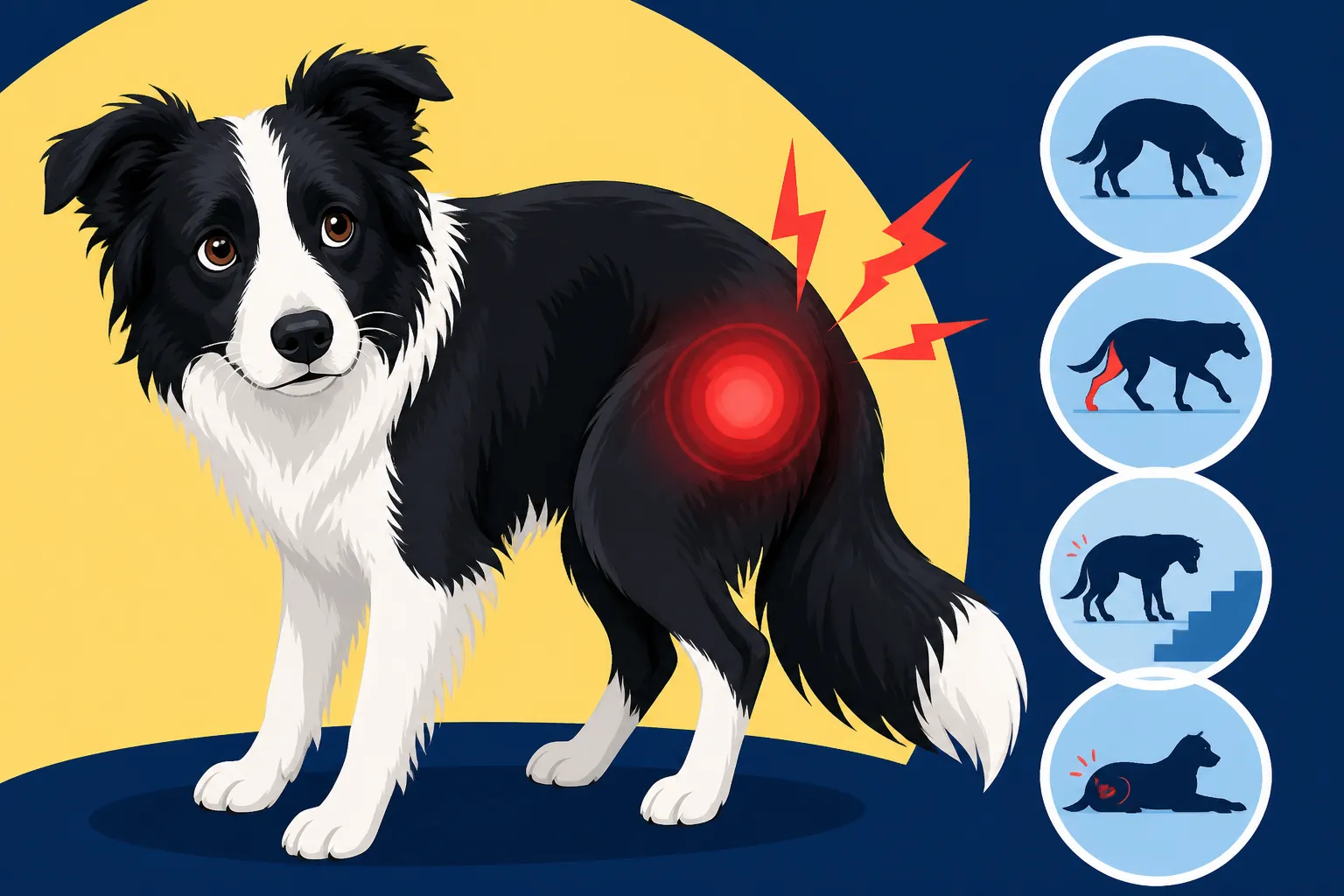
Signs a Border Collie’s Hips Are Sore
It’s a heart-wrenching moment for any Border Collie owner when you start to notice changes in your dog's boundless energy. These dogs are powerhouses, athletes, and often masters at hiding discomfort, which can make spotting hip pain incredibly tricky. You might wonder if it’s just them getting older, or if that slight hitch in their gait is something more serious. This guide is here to walk you through the subtle, and not-so-subtle, signs that your incredible Border Collie might be suffering from sore hips, offering clear indicators and actionable advice.
Why Border Collies Are Prone to Hip Issues
Border Collies are renowned for their incredible athleticism, intelligence, and relentless drive. They're built for speed, agility, and endurance, whether they're working livestock on a sprawling farm or excelling in dog sports like agility, flyball, or obedience. Unfortunately, this very build and lifestyle, combined with genetic predispositions, can make them more susceptible to hip problems.
The Nature of Their Work and Build
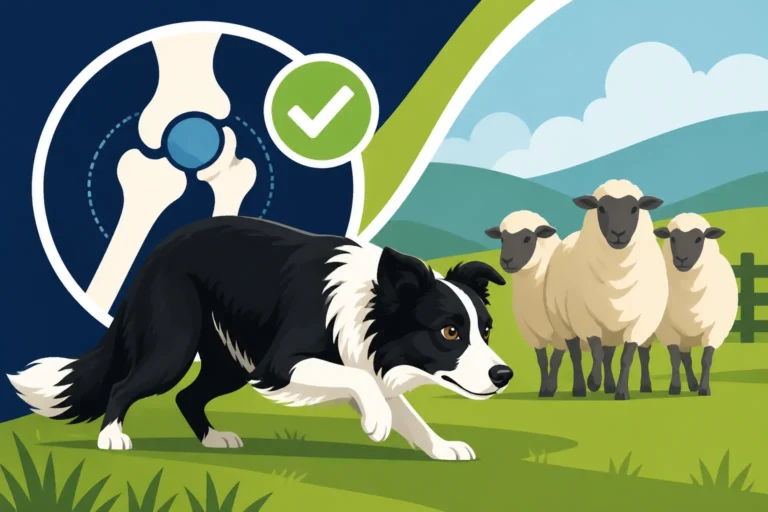
Imagine the sheer physical demands on a working Border Collie. They're constantly accelerating, stopping on a dime, making tight turns, leaping over obstacles, and covering miles of varied terrain daily. This intense, high-impact movement puts significant stress on all their joints, especially the hips. Their powerful hindquarters are essential for their driving force, but this constant exertion can exacerbate underlying joint weaknesses. Think about how many times your dog pushes off their back legs to jump into the car, chase a frisbee, or race across a field. Each of those powerful movements relies heavily on healthy hip joints.
It's not just the intensity, but the repetitive nature of these actions. An agility dog might perform hundreds of jumps and sharp turns in training each week, while a farm dog navigates uneven ground, mud, and rocks. Over time, this cumulative stress can lead to wear and tear, inflammation, and degenerative changes in the hip joints. We often see concerns about Hip Dysplasia in a Border Collie That Runs All Day, which perfectly illustrates the challenge of managing these active dogs. Their incredible drive means they often push through discomfort, making it even harder for us to recognize when something is truly wrong until the problem has progressed.
Genetics and Early Detection
Beyond the rigors of their active lives, genetics play a crucial role in a Border Collie's susceptibility to hip issues. Hip dysplasia is a polygenic trait, meaning it's influenced by multiple genes, and is unfortunately common across many active breeds, including Border Collies. It's a condition where the hip joint doesn't form correctly, leading to a loose or unstable joint. Over time, this poor fit causes the cartilage and bone to wear down, resulting in pain, inflammation, and eventually osteoarthritis.
This is why responsible breeders go to great lengths to screen their breeding stock. Tools like X-rays for Hip and Elbow Scores in a Border Collie are absolutely vital. These scores provide an assessment of the health and conformation of a dog's hips (and elbows) and help breeders make informed decisions to reduce the incidence of hip dysplasia in future generations. Even if a puppy seems perfectly sound and energetic, knowing the hip scores of its parents can give you an invaluable insight into its genetic predisposition. While a good score doesn't guarantee a problem-free life, it significantly reduces the risk. Most breeders aim for their dogs to be hip-scored around The Age a Border Collie Should Be Hip-Scored, usually after they reach skeletal maturity, to get the most accurate assessment. This early detection in breeding lines is our best defense against the widespread impact of hip dysplasia.
Subtle Signs Your Border Collie's Hips Might Be Sore
Border Collies are notoriously stoic. Their high pain tolerance and intense work ethic mean they often hide discomfort for as long as possible. This makes it incredibly challenging for owners to spot hip pain, especially in the early stages. You might not see an obvious limp right away, but rather a collection of subtle changes that, when pieced together, tell a clearer story.
Changes in Movement and Gait
One of the first places to look for signs of hip pain is in your dog's movement patterns, even if they're not overtly limping. Have you noticed your Border Collie doing a "bunny hop" when they run? Instead of their usual smooth, powerful stride, they might bring both hind legs forward simultaneously, like a rabbit, to minimize movement in their hips. This is a classic compensatory mechanism to reduce discomfort in a painful hip.
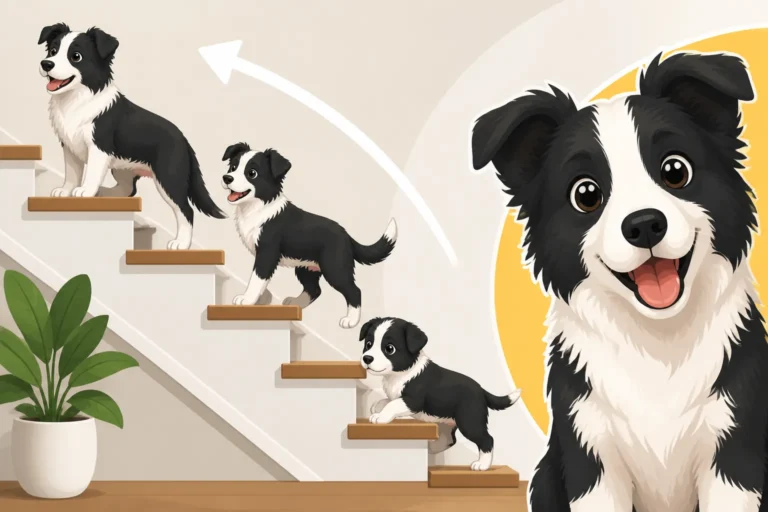
Another common sign is stiffness, especially after resting or first waking up. Your dog might be reluctant to get up, or take a few slow, ginger steps before loosening up. This stiffness can also become more apparent after intense exercise. They might seem fine during a long walk or play session, but the next morning, they'll be noticeably sore. Look for a swaying or rolling gait in their hindquarters, or a decreased range of motion. They might not be able to extend their back legs as far as they used to, leading to shorter strides. You might also observe a reluctance or hesitation to jump into the car, onto the couch, or navigate stairs. What once was a fluid leap might become a careful climb, or they might outright refuse to attempt it. We often see owners confused when The Limp That Shows Up After a Border Collie Works appears, thinking it's just fatigue, when it could be an early indicator of hip issues.
Behavioral and Postural Indicators
Beyond how they move, hip pain can profoundly affect your Border Collie's behavior and general posture. A dog in chronic pain is often an unhappy dog, even if they try to mask it. You might notice a general decrease in their enthusiasm for activities they once loved. The dog who used to beg for a frisbee throw might now watch from the sidelines, or quit a play session much earlier than usual. Their typically tireless energy might start to wane, and they might seem to The Age a Border Collie Starts to Slow prematurely.
Observe how they sit and lie down. Do they avoid putting weight on one hip? Do they sit with their legs splayed out to the side ("frog sitting") rather than tucked neatly underneath? When lying down, they might shift positions frequently, trying to find a comfortable spot, or struggle to get up from a lying position, pushing themselves with their front legs. Some dogs might become restless at night, constantly repositioning. Another subtle sign can be muscle atrophy in their hindquarters; one or both back legs might appear thinner or less muscular compared to the front legs or to how they used to look. When you touch their hips or lower back, they might flinch, growl, or even snap, indicating pain. Some dogs might also excessively lick or chew at their hip area as a self-soothing mechanism. These behavioral changes are often the first, most heartbreaking signs for owners, mirroring general indicators found when observing Signs an Old Border Collie Is in Pain.
Auditory and Visual Cues
Sometimes, your Border Collie's body will give you audible or visual clues that something is amiss with their hips. While not always present, these signs can be quite telling. Listen carefully when your dog moves, especially when getting up, lying down, or turning. Do you hear any clicking, popping, or grinding noises coming from their hip joints? This sound, called crepitus, can indicate bone-on-bone friction or instability within the joint, a common sign of arthritis or advanced dysplasia.
Visually, beyond muscle atrophy, you might notice subtle changes in their coat or skin. Some dogs with chronic hip pain may develop calluses or thinning fur on their hips or hocks from constantly lying on hard surfaces trying to find comfort. Conversely, if they're excessively licking, the fur might be damp, stained, or sparse in those areas. You might also notice an uneven weight distribution in their stance; they might consistently stand with their weight shifted more onto their front legs, or lean to one side, trying to offload pressure from their painful hips. Their topline might even appear slightly roached or tucked in the hindquarters as they attempt to compensate for the discomfort.
What to Do If You Suspect Hip Pain
Discovering your Border Collie might be in pain is a worrying experience, but thankfully, there are many steps you can take to help them. Early intervention and a proactive approach are key to managing hip issues effectively and maintaining your dog's quality of life.
Consulting Your Veterinarian
The very first and most crucial step is to schedule an appointment with your veterinarian. Don't delay, as early diagnosis can make a significant difference in management outcomes. Before your appointment, it's incredibly helpful to keep a detailed log of your observations: when you first noticed the signs, what specific movements or activities seem to trigger or worsen the pain, how long the stiffness lasts, and any changes in behavior. This information will be invaluable to your vet.
During the visit, your veterinarian will perform a thorough physical examination, which will likely include palpating your dog's hips, manipulating their legs, and observing their gait. They'll be looking for signs of pain, instability, and reduced range of motion. To get a definitive diagnosis, X-rays are usually required. These images will allow the vet to visualize the hip joints, assess for signs of dysplasia, osteoarthritis, or any other abnormalities. They might also suggest blood tests to rule out other conditions or to establish baseline organ function before starting any long-term medications. Navigating the costs of diagnostics, especially X-rays and potential follow-ups, can be a concern for many owners. This is where pet insurance, like a policy from Healthy Paws, can be a real lifesaver, helping to cover a significant portion of these diagnostic expenses.
Management and Supportive Care
Once a diagnosis is made, your vet will work with you to develop a management plan. For many cases of hip pain, especially in the early stages or less severe forms, conservative management is the first line of defense. This often involves a combination of medication, supplements, and lifestyle adjustments. Non-steroidal anti-inflammatory drugs (NSAIDs) are commonly prescribed to reduce pain and inflammation. Your vet might also recommend joint supplements containing ingredients like glucosamine, chondroitin, and MSM, which can help support cartilage health and reduce inflammation.
Beyond medication, physical therapy can be incredibly beneficial. This might include hydrotherapy (underwater treadmill), therapeutic exercises to build muscle strength around the joint, massage, and stretching. Acupuncture and laser therapy are also options some owners explore. Lifestyle adjustments are critical: ensure your Border Collie maintains a lean body condition to minimize stress on their hips, provide soft, orthopedic bedding to cushion their joints, and manage their exercise. While complete rest isn't usually recommended, modifying the type and intensity of exercise is. Instead of high-impact activities, focus on controlled walks, swimming, or short, gentle play sessions. Warm-ups and cool-downs are also essential before and after any activity. It's often through these supportive measures that we can help manage conditions like Osteoarthritis in a Border Collie by Eight and improve their daily comfort. When considering ongoing treatments, from medication to physical therapy, the costs can add up, and having a reliable insurance provider like Healthy Paws can provide peace of mind, covering these continuous expenses.
Advanced Treatments and Surgical Options
For more severe cases of hip dysplasia or osteoarthritis where conservative management is no longer sufficient to provide a good quality of life, your veterinarian might discuss advanced treatments, including surgical options. These procedures aim to alleviate pain, restore function, or even replace the damaged joint.
Some surgical options include:
- Femoral Head Ostectomy (FHO): This procedure involves removing the head and neck of the femur (thigh bone), allowing a "false joint" to form. It's typically recommended for smaller or less active dogs, or when other options aren't feasible.
- Triple Pelvic Osteotomy (TPO) or Double Pelvic Osteotomy (DPO): These are complex procedures performed on younger dogs, typically before significant arthritis has developed. They involve cutting and rotating the pelvic bone to improve the fit of the femoral head into the hip socket.
- Total Hip Replacement (THR): Considered the gold standard for severe, debilitating hip dysplasia, THR involves replacing the entire hip joint with prosthetic components. This can offer excellent, pain-free function but is a major surgery with a significant recovery period and cost.
Deciding on surgery is a big decision, and your vet will guide you through the pros and cons, potential outcomes, and the extensive rehabilitation required. Recovery can be long, involving strict rest, controlled exercise, and often weeks or months of physical therapy. These advanced treatments and surgeries come with substantial costs, which can be daunting for pet owners. Comprehensive pet insurance plans, such as those offered by Healthy Paws, are designed to help alleviate this financial burden, allowing owners to make the best medical decisions for their beloved Border Collies without being solely driven by cost.
Preventing Hip Problems in Border Collies
While some predisposition to hip issues is genetic, there's a lot you can do as an owner to minimize the risk and support your Border Collie's joint health throughout their life. Prevention isn't about avoiding activity, but about managing it wisely.
Smart Exercise and Conditioning
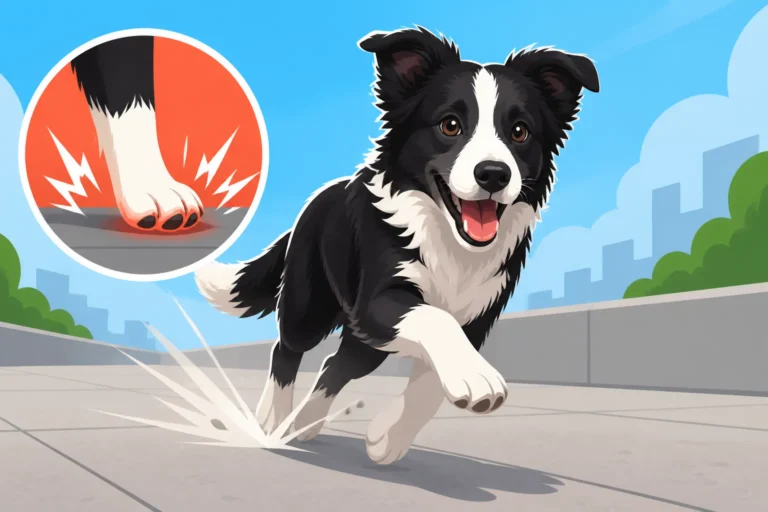
For such an active breed, it might seem counterintuitive, but appropriate exercise is crucial, particularly during their growth phases. Avoid over-exercising a Border Collie puppy. Their growth plates (areas of new bone growth) are vulnerable until they close, typically around 12-18 months of age. High-impact activities like repeated jumping, intense agility work, or long, strenuous runs on hard surfaces can put undue stress on these developing joints and potentially contribute to conditions like hip dysplasia. Think twice about Running a Young Border Collie on Concrete or allowing Impact Work Before a Border Collie Turns Two too early in their development. Instead, focus on controlled, low-impact exercise like leash walks, swimming, and gentle play on soft surfaces.
As they mature, gradually introduce more vigorous activities, always ensuring proper warm-up and cool-down periods. Maintain their fitness with a balanced exercise routine that builds strong supporting muscles around the hips. This doesn't mean you have to stop them from being a Border Collie; it just means being mindful and smart about how they exert themselves, especially when young.
Nutrition and Weight Management
One of the most impactful ways to protect your Border Collie's hips is through proper nutrition and maintaining an ideal body weight. Excess weight puts significant additional strain on their joints, exacerbating any existing hip issues and accelerating the development of arthritis. Even a few extra pounds can make a huge difference in their comfort levels and long-term joint health.
Feed a high-quality diet appropriate for their age and activity level. For puppies, choose a large-breed puppy formula that supports slow, steady growth, rather than rapid growth, which can sometimes be detrimental to joint development. As adults, ensure their diet provides adequate nutrients for energy and muscle maintenance without leading to weight gain. Regularly assess your Border Collie's body condition score; you should be able to easily feel their ribs without seeing them, and they should have a discernible waist when viewed from above. Keeping a Border Collie Keeping a Border Collie Lean Enough to Work is a goal that not only enhances their performance but also significantly reduces the load on their hips. Consult your vet or a canine nutritionist if you're unsure about the best diet or weight management plan for your dog.
Environmental Modifications
Your Border Collie's living environment can also play a role in supporting their hip health. Small changes can make a big difference, especially as they age or if they start showing signs of discomfort.
- Non-slip surfaces: If you have hardwood or tile floors, consider placing runners or carpets in high-traffic areas. Slipping and sliding can put sudden, damaging strain on their hips.
- Ramps or steps: For jumping into cars, onto furniture, or navigating particularly high stairs, ramps or doggy steps can eliminate impact and make movement easier. This is especially useful when considering Stairs and a Growing Border Collie Puppy or an older dog.
- Supportive bedding: Provide a comfortable, orthopedic bed that offers good support and cushioning for their joints. Avoid letting them sleep on hard, cold floors constantly.
- Access to shade and water: If your Border Collie works or plays outdoors, ensure they have access to cool shade and plenty of fresh water to prevent overheating, which can indirectly contribute to muscle fatigue and joint stress.
By implementing these preventative measures, you're not just reacting to problems, but actively investing in your Border Collie's long-term comfort and mobility, helping them live their best, active life for as long as possible.
Common Signs of Hip Pain in Border Collies
Here's a quick reference table summarizing the key signs to watch out for:
| Category | Specific Signs | Implication |
|---|---|---|
| Movement | Bunny hopping gait | Compensatory movement to avoid hip extension |
| Stiffness after rest, reluctance to get up | Pain or inflammation in joints | |
| Hesitation or refusal to jump/use stairs | Painful to bear weight and flex hips | |
| Swaying or rolling hindquarters | Instability or weakness in hip joints | |
| Limping, especially after exercise | Direct indication of pain/inflammation in hip area | |
| Behavioral | Decreased enthusiasm for play/work | Pain makes activities less enjoyable or too difficult |
| Changes in sitting/lying positions (e.g., "frog sit") | Seeking comfort, avoiding pressure on sore hips | |
| Sensitivity to touch around hips/lower back | Direct pain response | |
| Excessive licking/chewing at hip area | Self-soothing for discomfort or pain | |
| Restlessness at night, difficulty settling | Inability to find a comfortable position due to pain | |
| Visual/Auditory | Muscle atrophy in hind legs | Disuse of painful muscles, long-term sign |
| Clicking, popping, or grinding noises from hips | Joint instability or degeneration (crepitus) | |
| Uneven weight distribution when standing | Shifting weight to reduce pressure on painful hip(s) | |
| Calluses or thinning fur on hips | Result of lying on hard surfaces due to discomfort, or excessive licking |
Disclaimer
The information provided in this article is for educational purposes only and is not a substitute for professional veterinary advice. If you suspect your Border Collie is experiencing hip pain or any other health issue, please consult a qualified veterinarian for an accurate diagnosis and treatment plan.