What Open Class Costs a Border Collie Handler
The dream of reaching Open Class with your Border Collie is a powerful one, often romanticized with images of effortless teamwork and glorious victories. But the reality is that stepping up to this elite level of sheepdog trialing comes with a hefty price tag that goes far beyond just entry fees. This guide will walk you through the often-unseen financial and personal costs involved in campaigning a Border Collie in Open Class, helping you understand the full scope of the commitment.
Understanding Open Class: More Than Just Bragging Rights
Open Class isn't just another step; it's the pinnacle of sheepdog trialing, demanding the absolute best from both dog and handler. It's where the most experienced and talented teams compete, showcasing skills honed over years of dedicated work.
The Step Up to Open
When you finally qualify for Open Class, you're entering a world where the courses are longer, the sheep are tougher, and the expectations are sky-high. Your dog needs to execute complex commands at extreme distances, manage difficult sheep, and maintain its focus under immense pressure. This isn't just about knowing the commands; it's about precision, adaptability, and an almost telepathic connection between you and your dog. Handlers often spend countless hours perfecting their timing, whistle commands, and reading stock, because at this level, even a small mistake can cost you dearly. The sheer mental fortitude required from both dog and handler is incredible, and developing that takes an immense investment of time and energy, which for many, means time away from other income-generating activities.
The Stakes and Rewards
The rewards in Open Class are commensurate with the challenge. While actual prize money at trials can vary wildly, often being quite modest, the real rewards are in the prestige and recognition. Winning or even placing well in Open Class trials can significantly enhance a dog's value as a breeding animal, demonstrating proven working ability under pressure. For handlers, it’s about achieving personal goals, proving their dog's lineage, and qualifying for national and international championships. These are the trials where legends are made, and the experience of competing at that level, sharing the field with the best, is often described as priceless. It’s a journey that builds an unparalleled bond with your dog, but it's a journey that demands everything you've got.
Direct Costs: Entry Fees, Travel, and Accommodation
The most obvious financial outlays are the recurring costs associated with physically attending trials. These add up quickly, especially as you travel further afield for competitive opportunities.
Entry Fees: The Gatekeeper
Every time you want to compete in Open Class, you'll need to pay an entry fee. These fees vary depending on the organizing body and the specific trial, but they are a constant, unavoidable expense. For major organizations like the USBCHA, or even local clubs running smaller trials, these fees contribute to the cost of renting the facility, providing livestock, hiring judges, and covering other operational expenses. If you're campaigning more than one dog, or if you want to enter multiple classes over a weekend, these fees multiply quickly. It's not uncommon for a handler to spend hundreds of dollars on entry fees alone for a single trial weekend if they're committed to getting maximum experience for their dogs. Understanding USBCHA Trial Entry Costs for a Border Collie is crucial when planning your trial season budget, as these individual costs form the bedrock of your expenses.
The Road Warrior Lifestyle: Travel and Lodging
Sheepdog trials are rarely held in urban centers; they are typically in rural areas, often requiring significant travel. This means fuel costs become a major factor. You might be driving hundreds, if not thousands, of miles over a season. Beyond fuel, there's the wear and tear on your vehicle, especially if you're hauling a dog box, multiple crates, or even a horse trailer.
Accommodation is another substantial expense. Some handlers choose to camp at the trial grounds if facilities allow, which can be the most economical option. Others might opt for budget hotels, or, if available and preferred, a more comfortable stay further away. Finding dog-friendly accommodation, especially for multiple dogs, can be a challenge and often comes with additional fees. Then there’s the cost of food for yourself and your dog while on the road. Packing your own meals helps, but you'll likely still incur some dining-out expenses. All these elements contribute significantly to Travel Costs on a Border Collie Trial Circuit.
Here's a simplified breakdown of potential costs for a hypothetical two-day Open Class trial weekend, assuming travel:
| Category | Low Estimate (Camping/Local) | High Estimate (Hotel/Distant) |
|---|---|---|
| Entry Fees (2 runs) | $80 | $120 |
| Fuel (200-800 miles) | $40 | $160 |
| Accommodation | $20 (Camping fee) | $250 (2 nights dog-friendly hotel) |
| Handler Food | $50 | $150 |
| Dog Food/Treats | $10 | $20 |
| Total Estimated | $200 | $700 |
Note: These are illustrative estimates and actual costs will vary greatly based on location, distance, and personal choices.
Indirect Costs: Training, Equipment, and Canine Care
While less obvious, the indirect costs associated with Open Class are arguably even more substantial and continuous. These are the investments you make in preparing your dog for the demanding environment of elite competition.
Training: The Ongoing Investment
You simply cannot reach or maintain Open Class proficiency without constant, high-quality training. This almost always involves working with experienced handlers and trainers who can offer critical insights and help refine your team's skills. Private lessons with top handlers can be expensive, often costing a significant amount per hour or session. Many handlers also attend multi-day clinics, which offer intensive instruction and exposure to different sheep and training scenarios. These clinics, while invaluable, come with their own fees, often several hundred dollars for a weekend.
Beyond formal instruction, there's the cost of practice. Access to training sheep and suitable land is essential. If you don't own sheep, you'll be paying to rent time on stock, which can be a recurring expense. You might also need to travel to different farms or facilities to expose your dog to various types of sheep and terrain, adding to your fuel and time costs. These expenses quickly add up, making Herding Lesson Rates for a Border Collie and What a Stock Dog Clinic Costs for a Border Collie major factors in your overall budget. Many dedicated handlers also factor in Renting Sheep to Train a Border Collie as a regular, unavoidable cost to keep their skills sharp between lessons.
Equipment Upgrade: Ready for the Big Leagues
While basic gear will get you started, campaigning in Open Class often necessitates investing in higher-quality, more specialized equipment. This includes durable, comfortable working collars and leads, different types of whistles to communicate over long distances, and reliable long lines for training precision and control. You might find yourself upgrading your dog's travel crates to something more robust and secure for all the miles you'll be putting on.
Beyond the dog's gear, handlers often consider their own attire. While not strictly mandatory, comfortable, weather-appropriate clothing and sturdy boots are essential for long days on the trial field, often in varied conditions. Investing in good rain gear, warm layers, and sun protection is important for your own comfort and focus. For your canine athlete, their diet becomes even more critical. Many Open Class competitors feed high-performance dog foods designed for active working dogs. Brands like Chewy and Ollie offer a range of premium food options, often with subscription services that ensure your dog's specialized diet is always on hand. Choosing quality nutrition is paramount for sustained energy and recovery. It’s also wise to check out Whistles and Training Gear for a Border Collie to see the range of options available and factor those into your budget.
Keeping Your Athlete Sound: Veterinary and Wellness
A Border Collie competing in Open Class is an athlete, and like any athlete, they require specialized care to stay in peak condition and prevent injuries. Routine veterinary check-ups are just the starting point. Many Open Class handlers also invest in preventative care such as regular physiotherapy, chiropractic adjustments, or massage therapy to keep their dog's body in optimal working order. These proactive measures can help prevent minor stiffness from becoming a debilitating injury.
Despite best efforts, injuries can still occur. Cruciate Tears in a Border Collie or Shoulder Injuries in an Agility Border Collie are not uncommon for dogs engaging in high-impact, fast-paced work. The cost of diagnosing and treating these injuries – from veterinary consultations to advanced imaging (like MRIs) to surgery and rehabilitation – can be astronomical. This is where pet insurance can be a lifesaver. Companies like Healthy Paws specialize in comprehensive pet insurance plans that can cover a significant portion of these unexpected veterinary expenses, though it’s vital to check their specific terms regarding working or sport-related injuries. Many handlers also include joint supplements, specialized diets, or other wellness products to support their dog’s long-term health, adding to the ongoing costs. Understanding Physiotherapy Costs for a Sport Border Collie and budgeting for it is a wise move for any serious competitor. Many also find that Joint Supplements for a Border Collie Doing Agility are a non-negotiable part of their dog's daily regimen to support healthy joints under stress.
The Time-Value Equation: What You Sacrifice
Beyond the tangible dollars and cents, the most significant "cost" of campaigning a Border Collie in Open Class is often the investment of your time and personal life.
Opportunity Cost: Time is Money
The amount of time required for Open Class is staggering. It's not just the hours spent at trials; it's the countless training sessions, the travel to lessons and clinics, the daily conditioning, and the meticulous planning of your dog's diet and care. For many, this means sacrificing personal hobbies, social events, or even taking time off from work. If you're self-employed, those hours spent on the trial field are hours you're not generating income. Even for those with traditional jobs, the demands can make maintaining a work-life balance incredibly challenging. This intensive time commitment is a hidden financial cost, as it represents lost opportunities for other pursuits, both professional and personal. When considering The Annual Border Collie Budget Nobody Plans For, this time investment is often the most overlooked component.
Mental and Emotional Investment
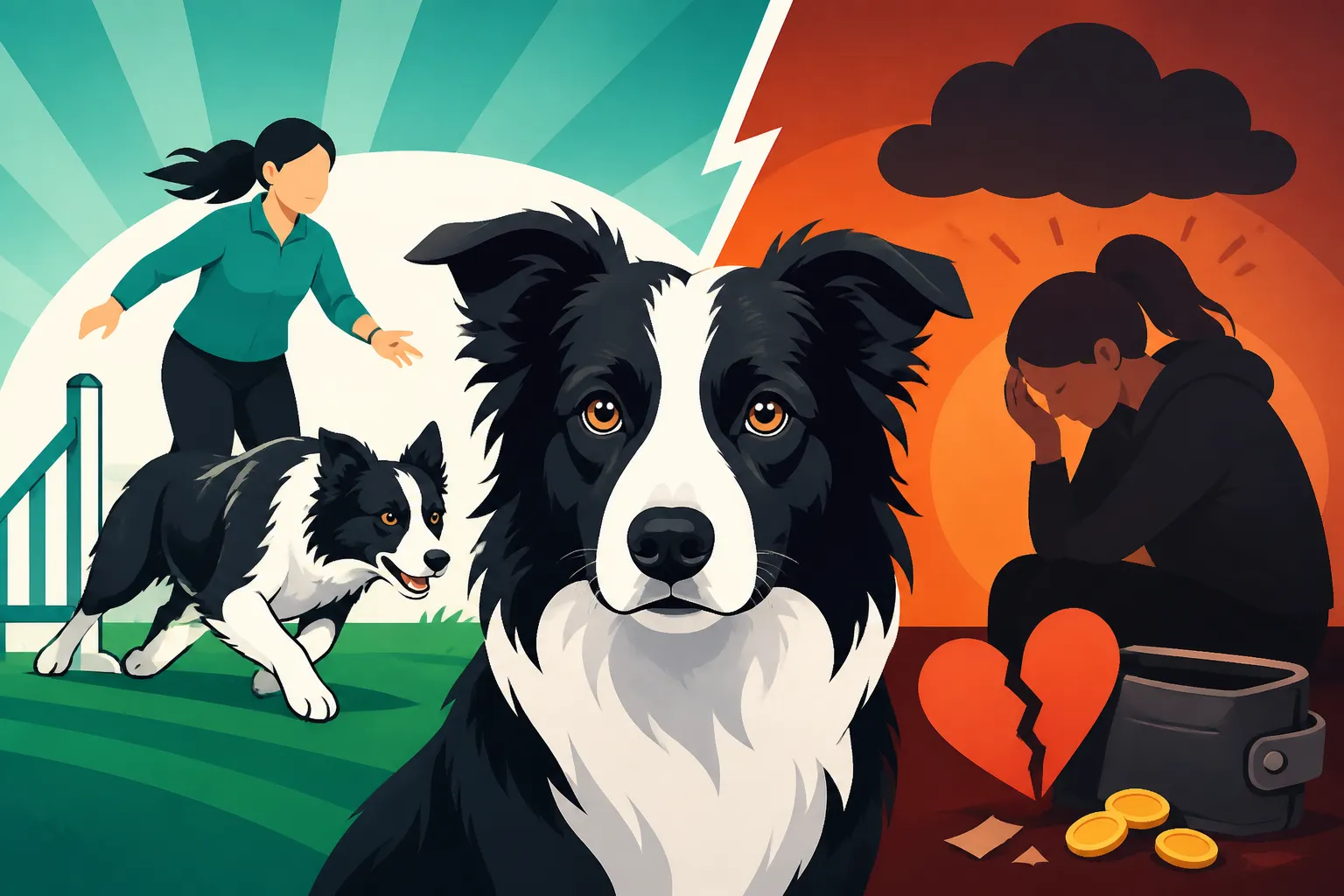
The journey to Open Class is a rollercoaster of emotions. There's the immense joy of a perfect run, the deep satisfaction of seeing your dog perform at its peak, and the unparalleled bond that forms between you and your canine partner. But there's also the pressure of competition, the frustration of mistakes, the disappointment of poor performances, and the heartbreak of injuries or setbacks. Handlers often describe a profound sense of responsibility for their dog's well-being and success. This level of emotional investment is incredibly rewarding, but it can also be draining. It's a testament to the passion these handlers have that they are willing to pour so much of themselves into this demanding sport. It's truly a lifestyle, not just a hobby. Insuring a Border Collie Against Epilepsy and Joints helps alleviate some financial stress, but the emotional toll of a dog struggling with health issues remains.
Disclaimer
This article is for general informational purposes only and does not constitute professional advice. Laws, prices and regulations vary by location and change over time. Consult a qualified professional for guidance on your specific situation.