Herding Lesson Rates for a Border Collie
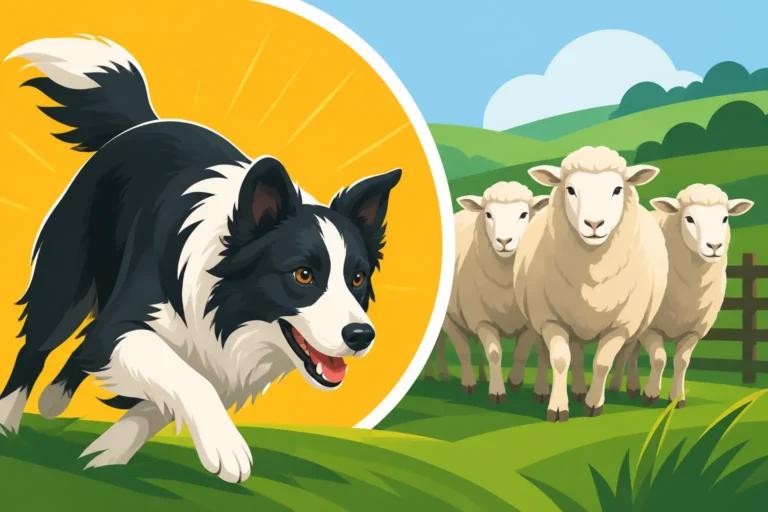
The excitement of watching a Border Collie lock onto sheep, with that intense stare and focused body language, is truly captivating. For many Border Collie owners, nurturing that innate herding instinct is a deep-seated desire, a way to connect with their dog's heritage and provide unparalleled mental and physical stimulation. But as soon as you start looking into giving your dog the chance to work stock, the question quickly becomes: what are herding lesson rates for a Border Collie, and what am I really getting myself into financially? It's easy to feel overwhelmed by the varying costs and approaches, wondering if you can afford to give your talented companion the outlet it craves. This guide aims to break down the costs associated with herding lessons, helping you understand where your money goes and how to budget for this incredibly rewarding journey.
Understanding the Landscape of Herding Lessons for Your Border Collie
Embarking on the journey of herding lessons with your Border Collie is more than just signing up for a class; it's entering a specialized world with its own structures and traditions. The rates you'll encounter are shaped by a variety of factors, from the type of facility you choose to the instructor's expertise. It's not a one-size-fits-all situation, and understanding these nuances is key to managing your expectations and your budget.
Types of Facilities and Instructors: From Casual to Competitive
When you first start searching for herding lessons, you'll quickly discover that not all facilities are created equal, and neither are all instructors. This diversity is a major driver of the different rates you'll see.
- Private Farms and Smaller Operations: Many herding instructors operate out of their own private farms. These can range from seasoned handlers with years of trial experience to passionate hobbyists who simply enjoy teaching. Often, these settings offer a more intimate, less commercialized atmosphere. The instructor might be a local shepherd or a long-time trial competitor who has built up a small flock specifically for training. Their rates might be a bit more flexible or tied to their availability, and you often get a very hands-on, personalized experience. However, facilities might be more rustic, and availability might be limited. It's worth remembering that these smaller operations still have significant overhead, from maintaining fences to feeding their working stock.
- Dedicated Herding Training Centers: On the other hand, you might find larger, more established herding training centers. These facilities often boast multiple training pens, sometimes covered arenas for all-weather training, and larger, more diverse flocks of sheep or other stock. They might have a team of instructors, offering a wider range of classes and skill levels, from absolute beginners to advanced trial preparation. These centers often have higher operating costs due to maintaining more infrastructure, staff, and a larger number of stock, which is naturally reflected in their lesson rates. The advantage here is often more structured programming, more consistent availability, and perhaps access to a community of fellow herding enthusiasts.
- Clinics and Workshops: Beyond regular weekly lessons, herding clinics and workshops are popular options. These are typically intensive, multi-day events led by highly renowned, often national or international, trainers. You might travel a significant distance to attend one, and the cost is usually a flat fee for the entire event, regardless of how many individual "runs" or sessions you get. While these can be excellent for making significant progress in a short time and gaining insights from top handlers, they are usually a more substantial financial commitment than a single lesson. They're great for diving deep into specific issues or techniques, but they aren't a substitute for ongoing foundational work.
Group vs. Private Lessons: Tailored Attention vs. Community Learning
The choice between group and private lessons is a common decision point, and it directly impacts the per-session rate. Both have their merits, depending on your dog's personality, your learning style, and, of course, your budget.
- Private Lessons: This is often where most Border Collies start their herding journey. With a private lesson, it's just you, your dog, the instructor, and the sheep. This one-on-one attention allows the instructor to fully focus on your dog's individual instincts, challenges, and progress. They can tailor exercises precisely to your dog's needs, correcting subtle mistakes and building confidence. For dogs that are easily distracted, highly sensitive, or those needing very specific adjustments, private lessons are invaluable. Naturally, this individualized attention comes at a higher hourly or per-session rate. You're paying for the instructor's undivided expertise and the direct application of their knowledge to your dog's unique situation. It also often allows for more flexibility in scheduling, which can be a huge plus for busy owners.
- Group Lessons: Once a dog has a grasp of the basics and can work relatively independently, group lessons become an option. These typically involve several dog-and-handler teams sharing the same time slot, rotating turns with the sheep. While the individual "run" time might be shorter than a private lesson, the per-hour or per-session cost is generally lower. Group lessons offer the benefit of observation – you can learn a tremendous amount by watching other dogs and handlers work, seeing different issues addressed, and picking up on various handling styles. They also foster a sense of community, allowing you to connect with other Border Collie owners who share your passion. However, the instructor's attention is divided, and the lesson's pace might be influenced by the needs of the whole group. For some dogs, the presence of other dogs can be a distraction, especially in the early stages of training.
Regional Differences in Pricing: Where You Live Matters
Just like housing costs or a gallon of milk, the price of herding lessons can vary significantly depending on your geographic location. This is a common frustration for owners who might see vastly different rates posted online or hear about friends paying less (or more!) in other states.
- Rural vs. Urban/Suburban Areas: You'll generally find that herding lessons tend to be more affordable in traditionally agricultural or rural areas. Land is cheaper, the cost of keeping livestock might be lower, and there might be a higher density of experienced handlers who learned the trade as part of their daily life rather than as a specialty service. In more urban or suburban environments, where land is at a premium and dedicated farm space is scarce, herding facilities often face much higher overhead costs. These higher costs for land, feed, and infrastructure are inevitably passed on to the students in the form of higher lesson rates.
- Cost of Living: Beyond land prices, the general cost of living in a particular region also plays a role. In areas with higher wages and expenses, instructors will need to charge more to cover their own living costs and the operational expenses of their farm. A highly populated area with a strong demand for dog sports might also see higher prices due to the limited supply of suitable facilities and qualified instructors. Before you even start searching, understanding the general economic landscape of your area can give you a rough idea of what to expect.
It's a lot to consider, isn't it? The key is to find a balance between quality instruction, suitable facilities, and a rate that fits your budget. Don't be afraid to ask about introductory rates or package deals. The Age to Start a Border Collie on Stock can also influence your budget planning, as younger dogs might need more frequent, shorter sessions initially.
Deconstructing the Cost Factors: Why Herding Lessons Aren't Cheap
When you look at the hourly rate for a herding lesson, it might seem like a significant outlay. But once you pull back the curtain, you realize that these rates reflect a complex web of investments, expertise, and ongoing operational expenses that facilities and instructors must cover. It's not just about the instructor's time; it's about the entire ecosystem required to provide a safe and effective learning environment for your Border Collie.
Instructor Experience and Reputation: The Value of Expertise
One of the most significant factors influencing herding lesson rates is the instructor's level of experience and their reputation within the herding community. Just like in any specialized field, mastery comes with a premium.
- Years of Experience: An instructor who has been working dogs for decades, perhaps breeding their own lines or competing successfully at advanced trials, brings a wealth of knowledge that is hard to quantify. They've seen countless dogs, worked through every imaginable problem, and developed an intuitive understanding of canine behavior and stock dynamics. This deep experience allows them to quickly assess your dog, pinpoint issues, and provide precise, effective guidance. You're not just paying for an hour of their time; you're tapping into a lifetime of learning.
- Trial Records and Achievements: Instructors who have achieved success in sheepdog trials, particularly at regional or national levels, are often in high demand. Their ability to consistently train and handle dogs to such a high standard is a testament to their skill. Handlers who have successfully competed in the What Happens at a Sheepdog Trial With a Border Collie often command higher rates because their methods are proven effective, and their insights can be invaluable for aspiring competitors. Their knowledge often extends beyond just the basics, covering nuanced handling techniques, strategy, and understanding of complex stock situations.
- Mentorship and Pedigree: Some instructors have also been mentored by legendary figures in the herding world, or they come from a long line of working dog handlers. This "pedigree" of knowledge and tradition adds to their perceived value. Choosing an instructor isn't just about their ability to teach; it's about accessing their unique perspective shaped by their own journey and successes. This expertise, cultivated over years, is truly what sets them apart and justifies the rates they charge.
Sheep/Stock Availability and Quality: The Heart of the Herding Lesson
Without the sheep, there's no herding lesson! The cost of maintaining a healthy, suitable flock of livestock is a foundational expense for any herding facility, and this cost is directly integrated into lesson rates.
- Acquisition and Maintenance: Sheep, goats, or ducks used for herding lessons aren't just plucked from a field. They need to be purchased, transported, and then maintained year-round. This includes significant costs for feed (hay, grain, supplements), veterinary care (vaccinations, worming, hoof trimming), and shelter. The instructor often hand-picks or breeds stock specifically for training purposes – sheep that are honest, challenging but not dangerous, and consistent in their movement. This ensures a safe and productive learning experience for the dogs.
- "Reading" the Stock: Good training stock is an investment. They need to be calm enough for beginners but still provide enough challenge for advanced dogs. The instructor needs to be skilled at "reading" the stock, understanding their movements, and ensuring they are managed humanely and safely during lessons. This often means rotating different groups of sheep or giving them ample rest, all of which factors into the overall management cost.
- Damage and Loss: Livestock can be unpredictable, and there's always a risk of injury or loss, whether from accidents, illness, or even overly enthusiastic dogs (though good instructors mitigate this risk carefully). These potential costs are also a part of the operational expenses. When you're paying for herding lessons, a portion of that fee goes directly towards ensuring there are healthy, well-managed animals available for your Border Collie to work with.
Facility Amenities and Maintenance: More Than Just a Field
A good herding facility is more than just an open field. The infrastructure required to run safe, effective, and sometimes all-weather lessons also contributes significantly to the cost.
- Fencing and Pens: Secure, well-maintained fencing is paramount for containing stock and ensuring the safety of dogs and handlers. Building and maintaining multiple training pens, turn-out paddocks, and working areas requires substantial investment in materials, labor, and ongoing repairs. Nobody wants their Border Collie to inadvertently "escape" with a sheep because of a broken fence!
- Arenas and Shelter: Many facilities offer covered or indoor arenas, which are invaluable for training in adverse weather conditions, be it scorching summer sun, pouring rain, or freezing winter temperatures. Building and maintaining such structures represents a huge capital outlay and ongoing utility costs (lighting, ventilation). Even outdoor facilities need adequate shelter for both people and animals, as well as storage for equipment like panels, cones, and training aids.
- Grounds Maintenance: Keeping the training grounds clear, safe, and well-drained requires regular work. This includes mowing, weed control, managing mud, and ensuring there are no hidden hazards that could injure a fast-moving Border Collie. All of this ongoing maintenance is essential for a high-quality training environment and is factored into the lesson rates.
Lesson Duration and Frequency: The Clock and Calendar
The length of each session and how often you attend lessons also directly impacts your financial commitment.
- Session Length: Herding lessons typically range from 30 minutes to an hour per dog. Shorter sessions are often recommended for beginners or young dogs, as the intensity of working stock can be mentally and physically draining. Longer sessions allow for more in-depth work but come with a higher per-session price tag. While a 30-minute session might seem short, remember the incredible focus and energy a Border Collie expends in that time.
- Frequency: The more often you go, the faster your dog will likely progress, but the higher your weekly or monthly expenditure will be. Some handlers aim for once a week, others every other week, depending on their budget, their dog's needs, and the instructor's availability. It's important to find a rhythm that allows for consistent progress without over-training or breaking the bank. Herding Lesson Rates for a Border Collie can include a sliding scale for commitment, such as package deals.
All these factors combine to form the basis of herding lesson rates. It's an investment, not just in your dog's training, but in supporting a specialized skill and the dedicated individuals who preserve it. For a Border Collie owner, it's often seen as a worthwhile investment in the dog's overall well-being and fulfillment.
The Hidden Costs and Value Beyond the Hourly Rate
When you tally up the cost of herding lessons, it's easy to focus solely on the per-session fee. However, savvy Border Collie owners know that the actual financial commitment extends beyond that number. There are other practical expenses and, crucially, immense intangible value that comes with providing this outlet for your highly driven dog. Understanding these broader considerations helps you budget more realistically and appreciate the full return on your investment.
Travel and Time Commitment: The Unseen Expenses
One of the biggest "hidden" costs of herding lessons is the time and money spent simply getting to and from the facility.
- Fuel and Vehicle Wear and Tear: Unless you're lucky enough to live next door to a herding facility (a rare dream for most!), you'll be driving. Fuel costs add up quickly, especially if you have to travel a significant distance regularly. Beyond fuel, consider the wear and tear on your vehicle – mileage, oil changes, tire rotations. These are real costs associated with transportation.
- Your Own Time: Your time is valuable. Driving to the lesson, waiting your turn in a group setting, and then driving back takes a substantial chunk out of your day. For someone working a full-time job or managing a busy household, this time commitment is a significant investment. It's often not just an hour for the lesson; it can be half a day for travel and training. However, for many, this time spent with their Border Collie, engaging in an activity they both love, is well worth it. It's a cherished bonding experience, and the mental break it offers can be as beneficial for you as it is for your dog.
Essential Gear and Equipment: Outfitting Handler and Dog
Herding doesn't require a huge amount of specialized equipment, but there are some essentials that you'll need to factor into your budget.
- Whistle and Lead: A good sheepdog whistle is critical for communicating with your Border Collie at a distance, especially as they progress. You'll also need a sturdy lead and collar or slip lead. While not expensive individually, these are necessary purchases. Many handlers also carry a long line, perhaps 30-50 feet, for teaching control and recall at a distance before letting the dog work fully off-leash. You can find many of these essentials, from durable leads to high-quality whistles, at pet supply retailers like Chewy.
- Footwear and Clothing: You'll be spending time on a farm, often in dirt, mud, or grass, possibly in various weather conditions. Investing in comfortable, waterproof boots and appropriate layered clothing is wise. Good grip is essential for staying stable on uneven terrain, and protecting yourself from the elements makes the experience much more enjoyable.
- Water and Cooling Supplies: Especially for active Border Collies, hydration is key. Always bring plenty of water for yourself and your dog, along with a portable bowl. In warmer weather, cooling vests or mats can be a lifesaver. Ensuring your dog stays comfortable and safe is paramount. Heat Stroke in a Border Collie That Kept Working is a serious concern, so proper hydration and cooling measures are non-negotiable expenses.
Investing in Your Dog's Future: Health, Behavior, and Well-being
While herding lessons have an immediate cost, they also represent a long-term investment in your Border Collie's overall well-being. This investment can actually save you money down the line.
- Mental and Physical Fulfillment: Border Collies are bred to work, and denying them an outlet for their intelligence and energy often leads to behavioral problems. Without constructive work, they might find their own "jobs" like herding children, bicycles, or shadows, which can be disruptive and stressful for everyone involved. Stopping a Border Collie Chasing Shadows and Light often requires redirecting that drive into appropriate activities. Herding lessons provide an unparalleled form of mental and physical exercise, channeling their instincts in a positive way. A fulfilled Border Collie is generally a calmer, happier, and less destructive dog. This can translate into fewer vet visits for stress-related issues, less damage to your home, and a more harmonious living situation.
- Building a Stronger Bond: Working together with your Border Collie on stock forges an incredible bond. It requires trust, communication, and mutual understanding that goes beyond typical obedience training. This partnership deepens your relationship, enhancing your enjoyment of your dog in all aspects of life.
- Injury Prevention and Health Monitoring: While herding is demanding, a good instructor will emphasize proper conditioning and safe working practices. Regular activity also helps maintain your dog's physical fitness. Should an unforeseen injury occur, especially with a highly active dog, having comprehensive pet insurance like Healthy Paws can provide significant financial relief. Active Border Collies are prone to Sport Injuries a Border Collie Picks Up, and knowing you have coverage for potential veterinary bills can offer great peace of mind.
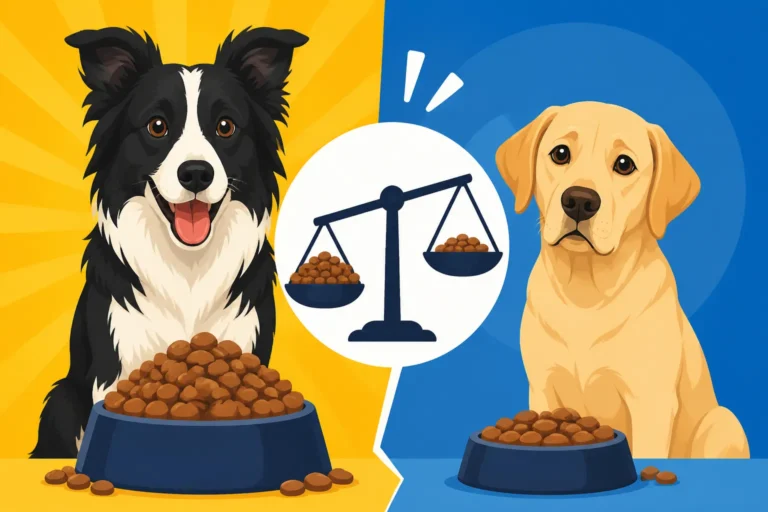
- Dietary Needs: A Border Collie actively engaged in herding work burns a tremendous amount of calories. Their dietary needs will be different from a sedentary pet. Investing in high-quality dog food that supports a working dog's energy levels and muscle maintenance is crucial. Brands like Ollie, which offer fresh, high-protein meals, can be a great option for fueling your active Border Collie's performance and recovery. This isn't just an "extra"; it's a necessary component of their health and ability to perform. Feeding a Border Collie That Works Two Hours a Day is a detailed topic that highlights the importance of proper nutrition.
The cost of herding lessons, when viewed through this broader lens, is not just an expenditure but an investment in a happy, healthy, and well-adjusted Border Collie. It's about honoring their heritage and providing them with a life that truly fulfills their incredible potential.
Strategies for Managing Herding Lesson Expenses
Let's be real: owning a Border Collie and giving them the life they deserve is an investment. Herding lessons are no exception. While we've talked about why the rates are what they are, that doesn't make the budget stretch any further. The good news is, there are some clever ways to approach herding lessons that can help you manage the financial outlay without sacrificing quality or opportunity for your dog.
Starting with an Instinct Test: A Low-Commitment Entry Point
Before you dive headfirst into a series of expensive lessons, an instinct test is often the best first step. It's usually a single, shorter session designed to evaluate if your Border Collie even has a strong herding instinct.
- What it Is: An instinct test typically involves introducing your dog to a small group of sheep in a controlled environment, often a round pen. An experienced handler will observe your dog's natural reactions: does it show interest? Does it try to gather or stalk? Does it respond to directional cues? It's not about training; it's about seeing if the fire is there.
- Cost-Effective Assessment: These tests are generally much less expensive than a full herding lesson. They serve as a wonderful diagnostic tool, helping you decide if pursuing herding further is a worthwhile investment for your particular dog. Not every Border Collie, even from working lines, will have the intense desire or aptitude for herding, and there's no shame in that! It saves you from committing to ongoing lessons if herding isn't their passion.
- Finding an Instructor: Many herding facilities offer instinct tests as a standalone service. It's a great way to meet an instructor, see their facility, and get a feel for their teaching style before making a bigger commitment. You can also ask about What Happens at a Border Collie Instinct Test to prepare yourself and your dog.
Package Deals and Memberships: Buying in Bulk to Save
Once you've confirmed your Border Collie's interest and decided to commit to herding, look for ways to reduce the per-lesson cost. Many instructors and facilities understand that regular attendance is key to progress and offer incentives for commitment.
- Multi-Lesson Packages: It's very common for instructors to offer discounts when you purchase a package of lessons (e.g., 5-lesson or 10-lesson packages). The upfront cost is higher, but the per-lesson rate is typically lower than paying for individual sessions. This is a great option once you're sure you'll be continuing and have found an instructor you like.
- Facility Memberships: Some larger training centers might offer annual memberships that provide reduced lesson rates, priority scheduling, or access to open practice times. If you plan to be a long-term student, calculate if the membership fee, combined with the discounted lesson rates, ends up being more economical than paying standard rates.
- Clinic Discounts: While clinics are generally a bigger investment, some instructors might offer early bird discounts or reduced rates for repeat attendees. Keep an eye out for these opportunities when planning your training year. For a deep dive into intensive training, understanding Herding Lessons and Clinic Prices for a Border Collie can help you compare these options.
Volunteering or Assisting: Earning Your Way to the Field
If budget is a significant constraint, don't be afraid to ask about alternative arrangements. Some facilities might be open to exchanging work for training opportunities.
- Farm Help: Herding facilities are working farms, and there's always plenty to do! Mucking stalls, feeding stock, fixing fences, moving panels, or general grounds maintenance are all tasks that take time and effort. If you have the skills and time, offering to help around the farm in exchange for reduced lesson rates or extra time in the pen could be a win-win. It also gives you invaluable insight into the day-to-day operations and management of stock.
- Lesson Assistant: As you gain experience, you might be able to assist during group lessons, helping set up, manage stock, or even handle a different dog. This hands-on experience not only saves you money but also deepens your understanding of herding dynamics and instruction.
- Networking: Get to know the other handlers at the facility. Sometimes, opportunities for shared costs (like splitting a private lesson with another handler if their dog is at a similar stage) or even carpooling can emerge from building relationships within the herding community.
DIY Training Resources (with Caution) and Complementary Activities
While there's absolutely no substitute for an experienced instructor and real sheep, there are ways to supplement your formal lessons and keep your Border Collie engaged.
- Books and Online Courses: There's a wealth of information available in books and online courses dedicated to herding. These resources can help you understand the theory, the commands, and common pitfalls. They can’t replace an instructor, but they can prepare you for lessons and help you practice concepts between sessions. Look for resources that focus on Teaching a Border Collie the Herding Commands and offer clear, sequential advice.
- Mental Work at Home: Herding is incredibly mentally stimulating. Between lessons, keep your Border Collie's brain engaged with puzzle toys, scent work, and trick training. This keeps their mind sharp and provides an outlet for their intelligence. A dog that is mentally stimulated at home is often more focused and ready to learn when they get to the sheep.
- Physical Conditioning: Herding is physically demanding. Maintain your Border Collie's fitness with appropriate exercise. This doesn't mean just endless fetch; focus on varied terrain, climbs, and short bursts of intense activity balanced with rest. A fit dog is less prone to injury and can sustain focus longer in the herding pen. Remember, The Annual Border Collie Budget Nobody Plans For should always include preventative health measures and quality nutrition.
Finding the right balance of herding lessons and cost management is a journey, not a sprint. By exploring these options, you can give your Border Collie the incredible gift of working stock without completely breaking the bank. It's about being strategic, resourceful, and always putting your dog's well-being and natural instincts first.
Disclaimer
This article is for general informational purposes only and does not constitute professional advice. Laws, prices and regulations vary by location and change over time. Consult a qualified professional for guidance on your specific situation.