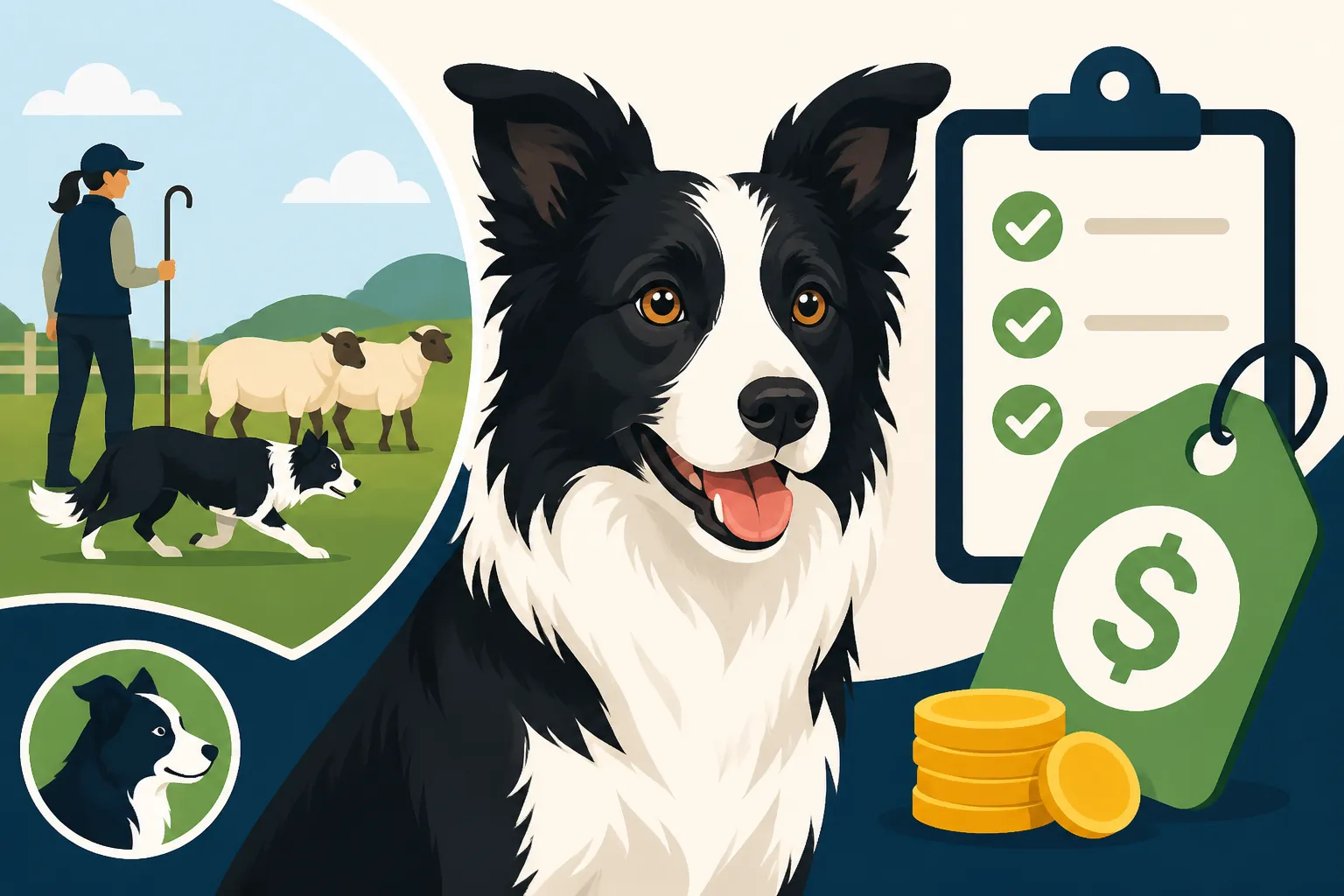
What a Stock Dog Clinic Costs for a Border Collie
Bringing your Border Collie to its first stock dog clinic is an exciting milestone, often filled with a mix of anticipation and perhaps a little bit of anxiety – for both you and your dog! But before you pack up the truck and load the crate, it's natural to wonder about the financial commitment involved. This guide aims to demystify the various costs associated with attending a stock dog clinic, from the headline instructor fees to the often-overlooked ancillary expenses, ensuring you can budget effectively for this rewarding experience.
Understanding the Stock Dog Clinic Experience for Your Border Collie
For many Border Collie owners, the idea of their dog working sheep, ducks, or cattle is the ultimate expression of the breed's instinct. A stock dog clinic is a specialized training event designed to harness, refine, or even just awaken these innate abilities in a controlled, educational environment. It’s not just for seasoned handlers looking to polish their trial dog; many clinics cater to beginners, helping owners understand their dog's natural drive and learn how to communicate effectively on stock.
These clinics can vary greatly in format, duration, and intensity. Some are single-day "instinct tests" where a qualified instructor assesses your dog's natural interest and aptitude for herding, offering initial guidance on how to encourage or manage that drive. Others are multi-day, immersive experiences with a consistent group, progressing through fundamental commands and developing more complex scenarios. It’s a chance to learn from experienced handlers, watch other dogs work, and receive personalized feedback tailored to your Border Collie's specific needs and your handling style. You'll quickly see why knowing What a Border Collie Reads in a Handler's Body is so crucial, as instructors often highlight subtle cues you might not even realize you're giving.
The Purpose of a Stock Dog Clinic: Instinct to Instruction
At its heart, a stock dog clinic provides a structured pathway for your Border Collie to engage with livestock under expert supervision. For many pet Border Collies, it's the very first time they've seen sheep up close, and it can be a profound awakening of their genetic heritage. The instructor's role is not just to teach you commands, but to teach you how to read your dog, to understand its pressure points, its natural lines, and its desire to gather or drive the stock.
For dogs with strong instinct, the clinic helps channel that raw energy into productive, understandable work. For dogs that are a bit more hesitant, a good instructor can gently encourage them, building confidence and fostering a positive association with the work. It’s a place where mistakes are learning opportunities, and where both handler and dog can grow together. This is where you might decide if your Border Collie is ready for formal training, or if perhaps it's a bit young; understanding The Age to Start a Border Collie on Stock can help guide your decision before signing up.
Types of Clinics and Their Focus Areas
The range of stock dog clinics is broad, designed to meet different skill levels and objectives. Beginner clinics often focus on establishing basic control, understanding the concept of "fetch" (gathering stock to the handler), and introducing fundamental directional commands like "come bye" and "away to me." These are crucial building blocks for any future herding work.
Intermediate clinics might delve into teaching the "outrun," developing a calmer "walk up," and introducing concepts like stopping the dog on command at a distance. Advanced clinics are typically geared towards preparing dogs and handlers for trial situations, focusing on shedding, penning, and driving a small group of sheep through a course. Choosing the right clinic for your dog's current stage and your personal goals is paramount to getting the most value for your money. Think about what you want to achieve before you book – do you just want to see if your dog has an interest, or are you aiming for competitive trialing?
Breaking Down the Core Costs of a Stock Dog Clinic
When you look at the total bill for a stock dog clinic, it can seem like a significant outlay. However, breaking it down into its constituent parts helps clarify what you're paying for. The bulk of the expense typically covers the expertise of the instructor, the use of the facility, and the provision of livestock. These are the non-negotiable elements that make a clinic possible.
It's also worth remembering that this is often an investment in your dog's mental and physical well-being, providing unparalleled enrichment. Many Border Collie owners find that even a single clinic can drastically improve their dog's focus and satisfaction at home, as it taps into their deepest instincts in a productive way.
Instructor Fees: The Main Event
The cost of the instructor is usually the largest component of a stock dog clinic fee. Highly sought-after instructors, particularly those who have won major trials or are renowned for their teaching ability, will command higher rates. These rates can vary significantly depending on their experience, their demand, and the format of the clinic.
You might encounter hourly rates for private lessons, which can be fantastic for focused, personalized feedback, but they add up quickly. More commonly, clinics are priced per day or for a multi-day package. A typical daily rate for a group clinic might range from a couple of hundred dollars to several hundred, while private sessions could easily be more per hour. Remember, you're paying for years, sometimes decades, of experience and a unique ability to read both dogs and livestock. When considering the long-term health of your actively working dog, you might also look into pet insurance providers like Healthy Paws, who offer coverage that could assist with unexpected vet bills down the line, though direct clinic costs are not typically covered.
Facility and Stock Fees
Beyond the instructor's expertise, there are the operational costs of running the clinic itself. This includes the rental of the arena or working fields, ensuring they are safe and properly set up for herding activities. More importantly, it covers the cost of the livestock—the sheep, ducks, or cattle that your Border Collie will be working. Keeping healthy, well-behaved stock specifically for training purposes is an ongoing expense for clinic organizers.
The cost per head of stock, their feed, care, and transportation all contribute to the clinic fee. Some clinics might have their own resident stock, while others might rent them in for the event. This cost is usually rolled into the overall clinic fee, but it's an essential part of why these events aren't "free" beyond the instructor's time. A well-managed flock of quiet, biddable sheep is invaluable for a beginner dog, as it allows for a safer and more positive first experience.
Travel and Accommodation Expenses
While not part of the direct clinic fee, travel and accommodation can add a substantial amount to your overall expenditure, especially if you're attending a multi-day clinic or traveling to see a specific instructor. Consider the cost of fuel for your vehicle, especially if you have a larger vehicle to transport a dog crate. If the clinic is far from home, you'll need to factor in hotel or Airbnb costs. Many handlers prefer to stay in dog-friendly accommodations, which might sometimes come with an additional pet fee.
Some clinics offer on-site camping or RV hookups, which can be a more budget-friendly option. Always check what's available and plan your logistics well in advance. Don't forget to account for your own food and drinks over the course of the clinic days, as well as any unexpected tolls or parking fees. These smaller costs can quickly accumulate, so a realistic assessment upfront prevents surprises.
Here's a quick comparison of potential costs for different types of stock dog experiences:
| Clinic Type | Duration | Typical Focus | Estimated Cost Range (Clinic Fee Only) | Additional Considerations |
|---|---|---|---|---|
| Instinct Test | 1-2 hours | Assessing natural drive, very basic introduction | $50 – $150 | Often a precursor to full clinics; minimal instructor time. |
| Single-Day Beginner Clinic | 1 full day | Basic commands, foundational control, initial gather | $150 – $350 | Group setting, limited individual time. |
| Multi-Day Progressive Clinic | 2-3 days | Building on basics, introducing outrun/drive | $300 – $800+ | More immersive, greater individual progress. Travel/stay likely. |
| Private Lesson | 30-60 minutes | Targeted problem-solving, intense individual coaching | $75 – $150 per hour | Highly personalized, but cost accumulates rapidly. |
Beyond the Clinic Fee: Hidden Expenses and Budgeting
Attending a stock dog clinic isn't just about the tuition fee; there are several other expenses, some expected and some less obvious, that savvy Border Collie owners factor into their budget. Being prepared for these can make the experience smoother and more enjoyable, without any financial surprises. It's about looking at the whole picture of what it takes to get your dog ready and keep it healthy for this kind of demanding work.
Equipment and Gear for Herding
Before you even step onto the field, you'll want to ensure you have the right gear. A good, sturdy leash and collar are essential, and many handlers also use a long line (a 20-30 foot training lead) for initial control and safety, especially with an enthusiastic young dog. A comfortable, well-fitting harness can also be useful. Don't forget water bowls and plenty of fresh water for both you and your dog, as herding can be thirsty work!
You might also consider investing in a specific herding whistle if you plan to continue with the sport, as many instructors will start introducing whistle commands. While some gear might be available to borrow or rent at the clinic, having your own reliable equipment is always a good idea. You'll likely find yourself browsing pet supply sites like Chewy for new long lines, a better quality working harness, or even a higher-calorie performance kibble specifically formulated for active dogs. For more details on what you'll need, check out Whistles and Training Gear for a Border Collie.
Fueling Your Working Dog
Herding is physically demanding work for a Border Collie, even if they're only doing short runs during a clinic. Your dog will be burning more calories than usual, so their nutritional needs might increase. You'll want to ensure they're on a high-quality, energy-dense diet to support their activity levels. Some owners even switch to a performance-specific dog food during intense training periods or trial seasons.
It's wise to bring extra food and plenty of high-value training treats to the clinic. Your dog will be learning new things in an exciting environment, and positive reinforcement with tasty rewards is key. Many Border Collie owners, recognizing the intense energy output, opt for fresh, high-quality food options available through services like Ollie, which can provide tailored meal plans designed to meet the demands of an active dog. Learning about Feeding a Border Collie on a Performance Diet can help you make informed decisions about your dog's nutrition.
Potential Health and Wellness Considerations
Before attending a stock dog clinic, it's always a good idea to ensure your Border Collie is in peak physical condition. A pre-clinic vet check-up can help catch any underlying issues that might be exacerbated by physical activity. Make sure your dog is up-to-date on all vaccinations and parasite prevention. The fields where stock clinics are held can expose your dog to ticks, fleas, and other potential health hazards.
After the clinic, especially for dogs new to herding, some soreness or muscle fatigue is not uncommon. Just like human athletes, dogs can experience minor strains or stiffness. Having a first-aid kit on hand for minor scrapes, and being aware of the signs of more serious injury, is crucial. While a comprehensive pet insurance plan from a provider like Healthy Paws won't cover the clinic itself, it can be an absolute lifeline if your dog experiences an unexpected injury or illness that requires veterinary attention during or after the clinic. Remember, prevention and preparedness are key to keeping your Border Collie sound for its working life. Regular check-ups are also part of The Annual Exam a Border Collie Needs.
Maximizing Your Investment in a Stock Dog Clinic
Attending a stock dog clinic is more than just a financial transaction; it's an investment in your Border Collie's development and your bond with them. To ensure you get the absolute best return on that investment, there are proactive steps you can take before, during, and after the clinic. It's not just about showing up, it's about engaging fully and committing to the learning process.
The insights you gain from a good instructor can be invaluable, not only for herding but also for understanding your Border Collie's temperament and drives in general. This knowledge can ripple out and improve your relationship and training in many other areas of your shared life.
Preparation is Key to Success
The more prepared you and your Border Collie are before the clinic, the more you'll get out of it. This doesn't mean your dog needs to be a seasoned pro, but a solid foundation of basic obedience is incredibly helpful. Commands like "sit," "stay," "come," and a reliable recall will make the instructor's job easier and allow you to focus on the herding-specific commands.
Ensure your dog is physically fit enough for the activity. While short bursts are typical for beginners, an unfit dog will tire quickly and be more prone to injury. Regular exercise and a balanced diet contribute to their stamina and resilience. Mentally, it helps if your dog can settle calmly when not working, as there will be downtime at the clinic while other dogs are working. A Border Collie that can relax quietly in its crate is a happy and well-adjusted dog. Understanding the balance between Exercise, Work and What Actually Settles a Border Collie can set both of you up for success.
Active Participation and Learning
During the clinic itself, be an active participant. Listen intently to the instructor's advice, not just for your dog but for other dogs and handlers as well. You can learn a tremendous amount by observing different handling styles and seeing how various dogs react to stock. Don't be afraid to ask questions if something isn't clear; that's what the instructor is there for.
Consider taking notes or, if permitted, video recording your sessions (for personal review only, of course). This allows you to revisit the instruction later, analyze your technique, and track your progress. The experience will be far more valuable if you approach it as a genuine learning opportunity, soaking up every piece of wisdom the instructor has to offer. The more you put into it mentally, the more you'll take away.
Follow-Up and Consistent Practice
A stock dog clinic is rarely a one-and-done solution; it's a springboard. The real progress happens in the weeks and months after the clinic, when you consistently apply what you've learned. Seek out opportunities for practice, whether that's with a local group, by Renting Sheep to Train a Border Collie from a nearby farm, or by returning for follow-up lessons with your instructor.
The skills learned at a clinic require repetition and refinement. Without ongoing practice, the initial lessons can fade. Connect with other herding enthusiasts you meet at the clinic; they can be a great source of support, advice, and networking for future training opportunities. The goal is to build on that initial spark of instinct and develop it into a truly capable and responsive working partnership with your Border Collie.
Disclaimer
This article is for general informational purposes only and does not constitute professional advice. Laws, prices and regulations vary by location and change over time. Consult a qualified professional for guidance on your specific situation.