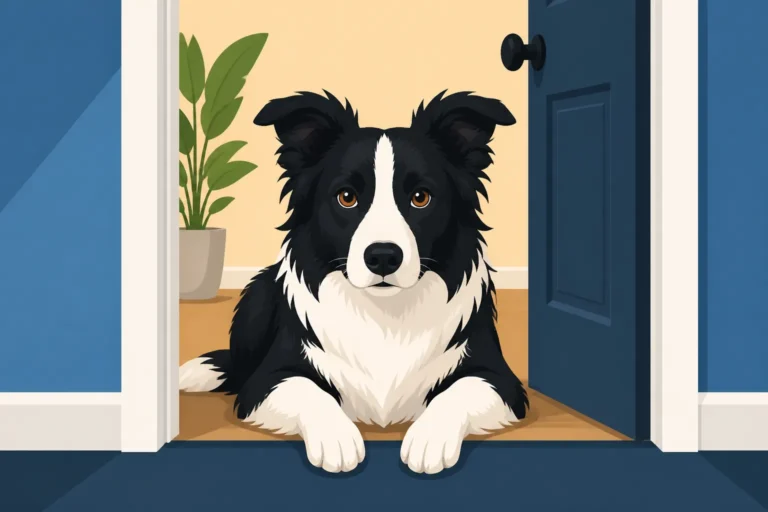
Why a Fitter Border Collie Needs More
It’s a common paradox that many Border Collie owners discover: the fitter your dog gets, the more energy they seem to have, and the more demanding they become. This isn't just you imagining things or your dog being difficult; there's a real biological and psychological reason why a highly conditioned Border Collie actually requires an increased level of engagement and activity. This guide will unpack why this happens and provide practical strategies to ensure your super-fit companion stays happy, healthy, and constructively engaged.
Understanding the Physiological Shift in a Fitter Border Collie
When you consistently work with your Border Collie, building their stamina and strength, their body adapts in incredible ways. What starts as a daily walk evolves into intense runs, and what was once a tiring fetch session becomes a warm-up. This improved physical condition doesn't mean they'll suddenly be content with less; it means their physical capacity for activity has increased, and their body naturally seeks to utilize that capacity.
The Amplified Energy Tank
Think of your Border Collie's body like an engine. When they're not in peak condition, they might have a smaller fuel tank or less efficient engine components. Regular, strenuous exercise acts like a performance upgrade, increasing the size of that fuel tank and making the engine incredibly efficient. Their cardiovascular system becomes stronger, allowing oxygen to be delivered to muscles more effectively, and their muscles themselves become more resilient and powerful. This means they can run faster, jump higher, and work longer without tiring.
A dog that once hit its limit after 30 minutes of hard play might now be able to go for an hour or more with ease. This isn't just about physical endurance; it directly impacts their perceived energy levels. If they can do more, their instincts compel them to want to do more. It's a natural drive to push the boundaries of their physical capabilities, a hallmark of this incredibly athletic breed. You might notice they recover faster between bursts of activity, too, meaning they're ready to go again sooner. This makes for a dog that seems to have boundless energy, even after what you consider a significant workout.
Metabolic Efficiency and Enhanced Stamina
A fitter Border Collie also develops a more efficient metabolism. Their body becomes adept at utilizing energy stores, converting food into fuel with greater ease and sustaining effort for longer periods. This metabolic shift is what allows them to maintain high-intensity activity without quickly burning out. For you, the owner, this translates into a dog that isn't just energetic, but has sustained, deep reserves of power.
This enhanced stamina means that what used to be a good, tiring activity for your dog might now barely register as a warm-up. If you continue with the same routine that once satisfied them, you’ll quickly find that their increased physical capacity leaves them feeling unfulfilled and restless. They've built up the physiological tools for high-level performance, and their body expects to use them. Neglecting this need can lead to frustration for the dog, manifesting as destructive behaviors, excessive barking, or a general inability to settle down. It’s a bit like giving a high-performance athlete a routine meant for a sedentary individual; they’ll quickly become bored and agitated. The Calorie Load a Working Border Collie Burns can give you an idea of just how much energy they're capable of expending.
The Psychological Demand for Increased Stimulation
Beyond the purely physical aspects, a fitter Border Collie's mind also becomes more attuned and demanding. Their intelligence, combined with their improved physical capabilities, means they crave not just more exercise, but more challenging exercise. Their capacity for problem-solving and complex tasks becomes even more pronounced when they're in peak condition.
Sharp Minds and Quick Learners
Border Collies are renowned for their intelligence, and regular, engaging physical activity often sharpens their mental faculties. A dog that is physically fit tends to be more alert, focused, and capable of processing new information. This means they'll pick up new commands and routines even faster. While this sounds great, it also means they can become bored with repetitive tasks or a lack of mental engagement very quickly. They're constantly seeking novelty and challenge.
If you introduce a new trick or a complex sequence of commands to a highly conditioned Border Collie, they'll likely grasp it with impressive speed. This quick learning, however, means you need to keep evolving their training. Sticking to the same ten-minute obedience routine day after day won't cut it. They need their brains stretched as much as their bodies. Consider engaging them with online training resources, such as those offered by BAXTER & Bella, which can provide structured mental challenges and new skills to learn, keeping their keen minds occupied.
The Drive to Work and Perform
Border Collies were bred for centuries to work alongside humans, herding livestock over vast distances with incredible precision and focus. This innate drive to work doesn't diminish with fitness; it intensifies. A physically capable Border Collie feels a profound urge to put that capability to use. This isn't just about running; it's about having a purpose, solving problems, and engaging in structured activities that mimic their ancestral roles.
This drive can manifest as an intense focus during training, an insatiable desire for fetch, or an urge to "herd" anything that moves – be it children, other pets, or even inanimate objects like vacuums. If this powerful working drive isn't channeled into appropriate outlets, it can lead to frustration and unwanted behaviors. They need tasks that require sustained mental effort, strategic thinking, and physical exertion. Simply letting them run around a yard, no matter how large, is rarely enough to satisfy this deep-seated need. They thrive on collaborative work and feeling like they have a job to do. What a Border Collie Does With Its Whole Day really highlights how much engagement they need.
Practical Adjustments for Meeting Enhanced Needs
Recognizing that a fitter Border Collie needs more is the first step. The next is figuring out what "more" actually looks like in practice. It's not just about adding an extra walk; it's about increasing the quality, intensity, and variety of their physical and mental activities.
Increasing Intensity and Duration
Once your Border Collie is in excellent shape, you can start increasing the intensity and duration of their physical exercise. This might mean longer runs, more challenging hikes with varied terrain, or incorporating activities like swimming. For dogs that love fetching, consider longer distances or combining fetch with other commands. Instead of just throwing a ball, ask for a "down" or "stay" before releasing them, or make them retrieve from different locations.
However, be mindful of their joints, especially with high-impact activities. While they can handle a lot, smart conditioning is key. Introduce new levels of intensity gradually to prevent injuries. A fitter dog might be able to run beside your bike for longer, as explored in Whether a Border Collie Can Run Beside a Bike, but ensure proper safety gear and breaks. Instead of just a casual stroll, aim for brisk, purposeful walks or jogs. If they are accustomed to two hours of activity, you might find they now need closer to three, or at least a significant portion of that time dedicated to high-intensity work.
Diversifying Mental and Physical Challenges
Variety is truly the spice of life for a Border Collie, especially a fit one. Repetitive exercise, even if intense, can quickly become boring. You need to consistently introduce new challenges that engage both their body and their mind. This could involve trying new dog sports, exploring different training disciplines, or simply changing up your daily routine.
Consider agility, flyball, or obedience trials if you haven't already. These sports are fantastic for combining physical exertion with complex mental tasks. Scent work is another excellent option that can tire out a Border Collie's brain without necessarily requiring intense physical output, making it perfect for days when you can't hit the trails. Scentwork for a Border Collie Between Trial Seasons offers great ideas here. You can find excellent puzzle feeders and interactive toys on platforms like Amazon that require your dog to problem-solve to get treats, offering valuable mental enrichment. Hide-and-seek with toys or treats, or teaching them new complex tricks, can also provide significant mental stimulation.
Here's a quick comparison of activity levels:
| Activity Type | Moderately Fit Border Collie (Example) | Highly Fit Border Collie (Example) |
|---|---|---|
| Daily Exercise | 1-1.5 hours of brisk walking, fetch, yard play | 2-3 hours of intense running, hiking, swimming, structured play |
| Mental Work | 15-20 min obedience, basic puzzle toys, short training | 30-60 min advanced obedience, complex puzzle toys, trick training |
| Intensity | Moderate bursts, some casual sniffing | Sustained high-energy periods, less downtime |
| Variety | Regular routes, familiar games | Constantly changing environments, new games & challenges |
| Recovery Time | May need longer breaks between intense sessions | Quicker bounce-back, ready for more sooner |
Avoiding Over-Conditioning and Burnout
While a fitter Border Collie needs more, there's a fine line between providing adequate stimulation and pushing them into over-training or mental burnout. It's crucial to listen to your dog and recognize the signs that they might be doing too much, or perhaps too much of the wrong kind of activity.
Recognizing Signs of Fatigue and Stress
Even the fittest Border Collie needs rest. If your dog is consistently showing signs like excessive panting (beyond normal exertion), reluctance to engage, decreased appetite, stiffness, or changes in behavior (e.g., increased irritability or lethargy), it might be a sign they're overdoing it. Remember, physical fitness doesn't negate the need for proper cool-down periods and downtime. The Limp That Shows Up After a Border Collie Works is a good read if you suspect physical overexertion.
Mental fatigue is also a real thing. If your Border Collie is shutting down during training, making unusual mistakes, or showing signs of anxiety like excessive licking or pacing, they might be mentally overwhelmed. This is particularly true if you're constantly introducing new, high-pressure challenges without enough relaxation time. It’s about balance: challenging them, but also allowing them to unwind. Ensure they have dedicated "off-switch" time, perhaps on a mat or in their crate, where they are encouraged to just relax.
Balancing High-Intensity Work with Calm Engagement
The key to successfully living with a highly conditioned Border Collie is a well-rounded approach that balances high-intensity physical and mental work with periods of calm, low-impact engagement. Not every activity needs to be a full-throttle sprint or a brain-busting puzzle. Incorporate quiet training sessions, gentle walks, or simply cuddle time.
For example, a morning might involve an intense session of Two Hours of Work a Border Collie Needs Daily, followed by a quiet afternoon engaging with a Puzzle Feeders That Hold a Border Collie. Evening could be a short, relaxed walk with lots of sniffing, allowing them to decompress. Teaching your Border Collie an "off-switch" command, where they learn to settle on a mat or in their designated quiet space, is invaluable. This helps them understand that not every moment requires them to be "on" and ready for action. Without this balance, even the fittest Border Collie can become anxious and unable to relax within the home environment. They need to learn that "doing nothing" is also a valid and important part of their day.
Disclaimer
This article is for general informational purposes only and does not constitute professional advice. Laws, prices and regulations vary by location and change over time. Consult a qualified professional for guidance on your specific situation.