A Border Collie Blocking a Doorway
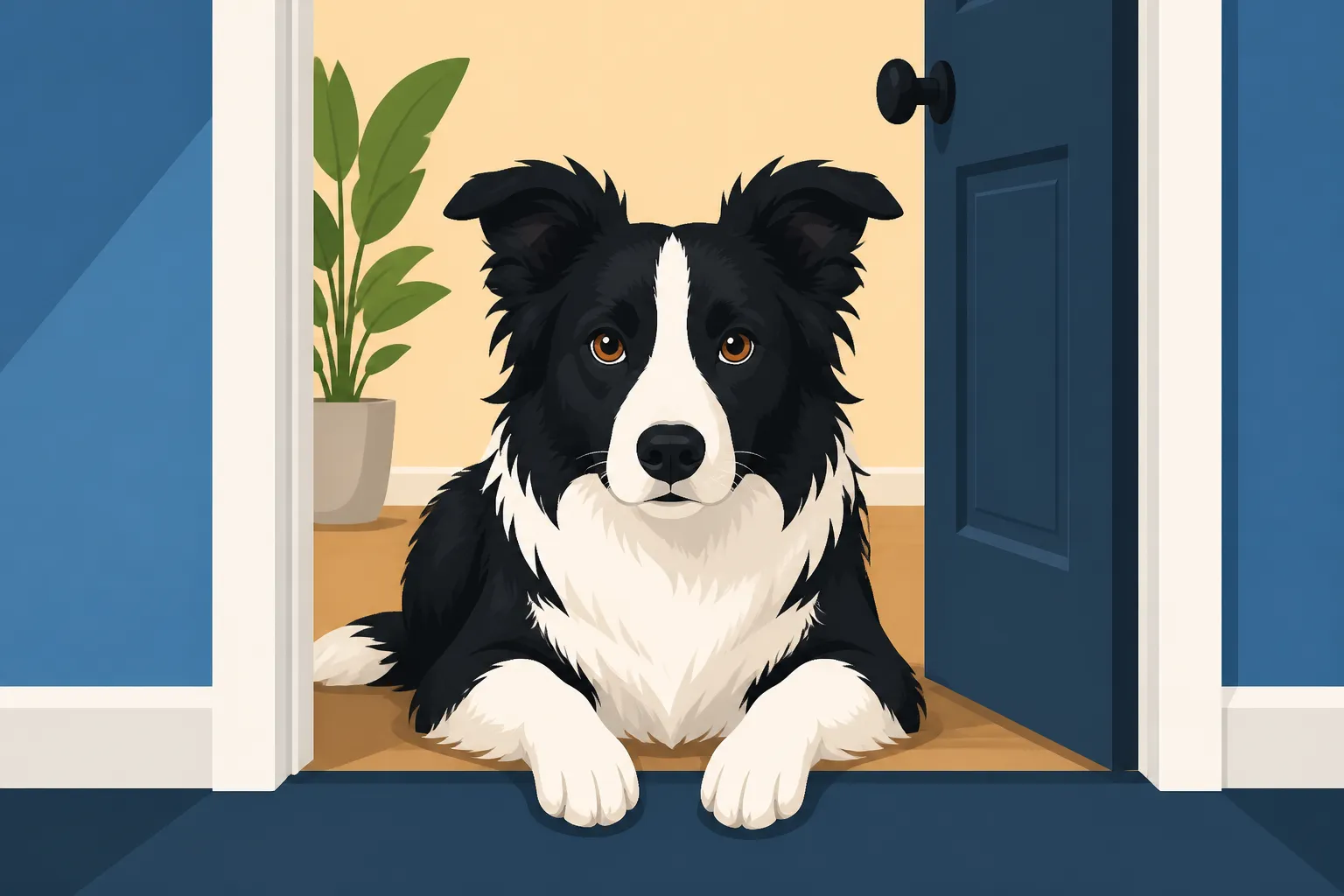
It's incredibly frustrating, isn't it? You're trying to walk through your own home, perhaps with an armful of groceries or a cup of coffee, and there's your beloved Border Collie, planted squarely in the doorway, giving you that intense stare. It feels like they're actively trying to block your path, to control your movement, and sometimes, it can even feel a bit rude or confrontational. This guide is going to dive deep into why your Border Collie might be blocking doorways and, more importantly, equip you with the understanding and practical strategies to gently redirect this classic herding behavior into more appropriate channels.
Understanding the Herding Instinct Behind Doorway Blocking
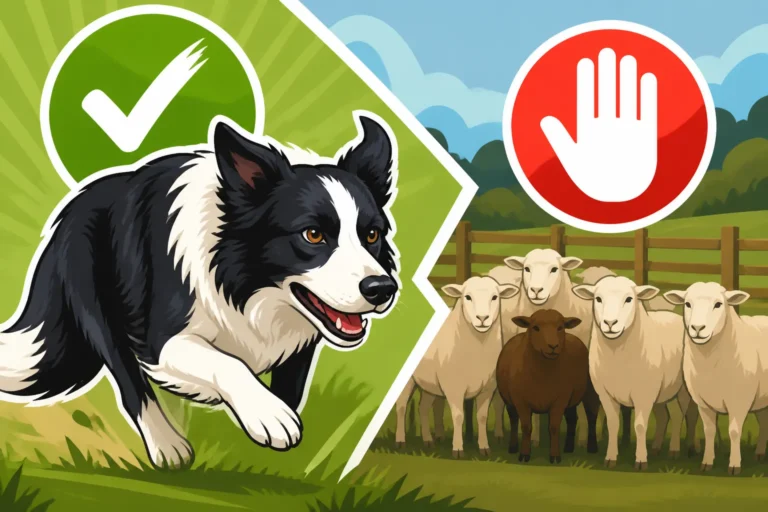
When your Border Collie stands sentinel in a doorway, it's usually not an act of defiance or malice. Instead, it's a deeply ingrained expression of their genetic heritage – their herding instinct. These dogs were bred for centuries to control the movement of livestock, to gather, to contain, and to direct. Your doorway-blocking champion is simply applying those very same, powerful instincts to their domestic "flock": you and your family.
The "Eye" and Gathering Tendencies
The Border Collie's signature move, that intense, focused gaze, is known as "the eye." It's their primary tool for controlling sheep, a silent, unyielding pressure that influences the flock's direction. When your dog plants itself in a doorway, that penetrating stare isn't just a quirky habit; it's them using their "eye" on you. They are attempting to exert control, to "hold" or "gather" you within a certain space, or to prevent your movement out of it. It’s an almost involuntary response for many Border Collies, a manifestation of their strong desire for order and control over their environment and its inhabitants.
Think about it from their perspective. A doorway is a perfect choke point, a natural funnel. If you were a sheep, it would be the ideal place for a dog to contain you or direct your path. Many Border Collies extend this instinct to family members, viewing them as a personal flock to be managed. This might also manifest as them circling family members, nudging people away from certain areas, or even trying to A Border Collie Gathering the Family Into One Room. It's their way of keeping tabs on everyone, ensuring the "flock" is where it should be, or at least, where they think it should be. It comes from a good place, a place of innate drive, but in a human home, it can certainly be an inconvenience.
Managing Space and Movement
Beyond the "eye," Border Collies are masters of spatial management. Their working life revolves around positioning themselves optimally to influence the flock. A doorway is a strategic point, a gateway between different "pastures" (rooms). By blocking it, your Border Collie is essentially attempting to regulate traffic flow. They are making a statement, often without realizing it, that they are in charge of who goes where and when. It’s a subtle but powerful display of their deeply ingrained instinct to manage and control.
Consider a hypothetical scenario: you're trying to get from the living room to the kitchen. Your Border Collie, Spot, decides that this is his moment to practice his gate-keeping skills. He lies down, nose pointed towards the kitchen, and you have to step over him. He might even shift slightly to maintain his position as you try to navigate around him. This isn't necessarily aggression; it's a demonstration of his desire to control the access point. For a dog whose entire lineage is built on regulating the movement of livestock through gates and pastures, a household doorway is simply another version of that challenge, and they are hardwired to meet it. Understanding this isn't about excusing the behavior, but recognizing its root helps us respond effectively.
Practical Strategies to Redirect Doorway Blocking
Successfully managing doorway blocking involves a combination of consistent training, clear boundaries, and redirecting that powerful herding drive into appropriate activities. It's about teaching your Border Collie what you want them to do instead of focusing solely on what you don't.
Teaching a "Place" or "Mat" Command
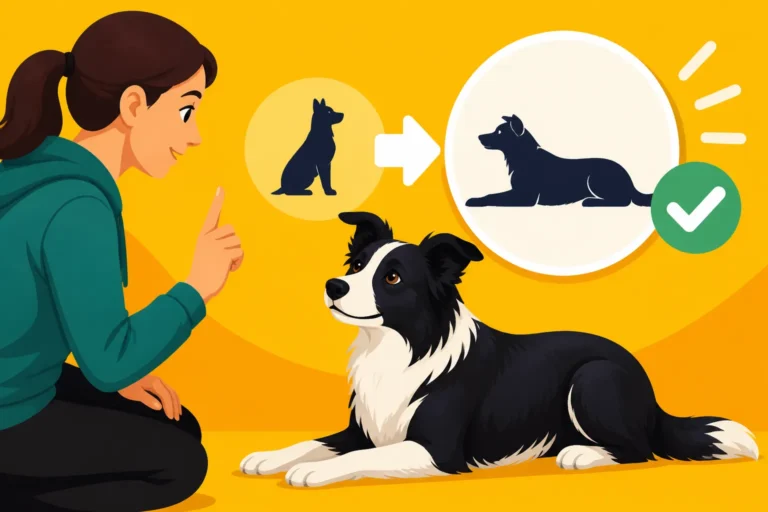
One of the most effective ways to counteract doorway blocking is to give your Border Collie an alternative, acceptable location to go to when you need to use a doorway. This is where a reliable "place" or "mat" command becomes invaluable. The idea is to teach them that when you approach a doorway, their job is not to block it, but to go to a designated spot and wait calmly.
Start by choosing a comfortable, clearly defined spot away from high-traffic areas – perhaps a dog bed in the corner of the living room or a mat a few feet from the kitchen entry. Lure your dog onto the mat with a treat, say "Place!" (or "Mat!"), and reward them lavishly when they settle. Gradually increase the duration they stay on the mat, moving away and returning to reward them. The goal is for them to hold their "place" even with distractions. When you approach a doorway, instead of letting them block, immediately tell them "Place!" and guide them to their spot, rewarding them when they comply. Consistency is absolutely critical here. Every time you approach a doorway, enforce the "Place" command. Resources like the online training programs from BAXTER & Bella can be incredibly helpful for building a strong foundation in commands like "place," offering step-by-step guidance and support. For more detailed instructions on building this skill, you might find Teaching a Border Collie to Stay on Its Bed helpful.
Structured Entries and Exits
Another cornerstone of managing doorway blocking is establishing structured rules around entries and exits. Your Border Collie should never be the first one through a doorway, and they should never be able to push past you or barge ahead. This sends a clear message about who controls the access points in the home.
Begin by teaching a "wait" or "stay" command at doorways. With your dog on a leash, approach a doorway. As you reach it, ask them to "wait." Open the door slightly, take a step through, and if they try to follow, close the door slightly or block their path with your body. Only when they stand or sit calmly, without trying to push past, should you give them a release command ("Okay!" or "Free!") and allow them to pass through. Repeat this process for every doorway in your home, every single time. This might feel tedious at first, but the consistency is what truly shifts their understanding. Over time, the leash can be phased out as they learn the routine. This structured approach applies not just to internal doors but also to exterior doors, teaching them polite manners when guests arrive or when it's time for a walk.
Managing the Environment
While training is paramount, environmental management provides crucial support, especially in the initial stages. Baby gates and ex-pens aren't failures in training; they're smart tools that prevent your Border Collie from practicing unwanted behaviors and give you a chance to reinforce the behaviors you do want.
If you know you'll be busy or distracted, setting up a baby gate across a problematic doorway can simply prevent the blocking from occurring. This removes the opportunity for your dog to practice the unwanted behavior and reduces your frustration. You can find a wide variety of sturdy baby gates and ex-pens on platforms like Amazon that can be installed temporarily or more permanently. Additionally, managing access to certain areas, particularly during high-traffic times (like dinner prep in the kitchen), can be beneficial. Close doors, use gates, or crate your dog with a stimulating chew toy if you can't actively supervise and reinforce their "place" command. The goal is to set your Border Collie up for success, minimizing opportunities for them to fall back on their innate herding tendencies in inappropriate ways.
| Strategy | Description | Key Benefit |
|---|---|---|
| "Place" Command | Teach your Border Collie to go to a designated bed or mat away from doorways when cued, and to remain there calmly until released. | Provides an alternative, acceptable behavior to doorway blocking. |
| Structured Entry | Train your dog to "wait" at doorways, allowing you to pass first, and only proceed when given a release cue, preventing pushing/rushing. | Establishes clear leadership and control over thresholds. |
| Environmental Mgmt | Use baby gates or closed doors to physically prevent access to doorways when you cannot actively supervise or train. | Prevents rehearsal of unwanted behaviors, reduces frustration. |
| Redirection | Offer an appropriate toy or mental puzzle when you anticipate doorway blocking, diverting their focus to an acceptable activity. | Channels natural energy and drive constructively. |
Addressing the Underlying Needs for a Settled Border Collie
Doorway blocking, like many other intense Border Collie behaviors, often stems from a combination of their genetics and their unmet needs. If your dog isn't getting enough appropriate mental and physical engagement, these behaviors can become more pronounced and harder to manage. It's not just about stopping the blocking; it's about fostering a well-adjusted, fulfilled Border Collie.
The Importance of Mental Stimulation
A physically tired Border Collie is rarely truly settled if their brilliant mind hasn't also been challenged. Their intelligence is a double-edged sword: it makes them highly trainable, but also means boredom can manifest in undesirable ways, including obsessive behaviors or intense herding of household members. If their brain isn't given a job to do, they'll invent one – and often, that job involves supervising and controlling you.
Incorporate daily mental challenges into their routine. Puzzle feeders that make them work for their meal can keep them engaged for significant periods. Learning new tricks, even simple ones, provides valuable mental exercise. Scent work, where they have to sniff out hidden treats or toys, is incredibly tiring for their brains. Consider teaching them the names of their toys, as demonstrated by famous Border Collies, which is a fantastic way to engage their cognitive abilities. A mentally stimulated Border Collie is far less likely to feel the need to micro-manage your movements through doorways. For more ideas, explore Mental Work That Tires a Border Collie Faster.
Sufficient Physical Exercise
While mental work is key, we can't ignore the physical needs of these athletic dogs. A Border Collie needs significantly more exercise than a casual stroll around the block. They are built for endurance, speed, and agility, and if their physical energy isn't adequately expended, it can contribute to a restless mind and an increased tendency to engage in ingrained behaviors like herding.
However, it’s important to distinguish between aimless running and structured, purposeful exercise. Simply letting them run laps in the yard isn't enough. Activities like fetch, agility training, frisbee, or even long, brisk walks or runs where you are actively guiding them, are much more beneficial. If your Border Collie is truly destined for working stock, opportunities to engage in that work, even in a controlled setting, will be the most fulfilling. Aim for at least Two Hours of Work a Border Collie Needs Daily, broken into sessions that combine vigorous activity with mental engagement. When their bodies and minds are tired, they're far more likely to relax and respect boundaries.
Consistent Rules and Boundaries
Border Collies thrive on structure and predictability. They are intelligent and observant, and they quickly learn what they can get away with. If rules around doorways (or anything else) are inconsistent – sometimes you let them block, sometimes you don't – they will naturally test those boundaries repeatedly. This inconsistency is often the biggest hurdle owners face.
Every member of the household needs to be on the same page, consistently applying the "Place" command or "wait" at doorways. If one person allows the dog to push past, it undermines everyone else's efforts. Establish clear rules from the outset and stick to them. This might include:
- Always having your dog "place" before you open the front door.
- Making them "wait" before going through any interior door you are also using.
- Never stepping over a dog that is blocking your path; instead, make them move.
This consistency communicates clear expectations and helps your Border Collie understand their role in the household hierarchy, leading to a much more harmonious existence. Remember, a Border Collie that The Border Collie That Learns Faster Than You Teach can also learn undesirable habits just as quickly if boundaries aren't firm.
When to Seek Professional Help
While many cases of doorway blocking can be managed with consistent training and redirection, there are times when the behavior escalates or becomes particularly challenging. Recognizing these signs and knowing when to call in a professional can prevent the situation from worsening and ensure both you and your Border Collie live safely and happily together.
Escalating Behavior or Aggression
Most doorway blocking is a benign, albeit annoying, manifestation of herding instinct. However, if your Border Collie's behavior starts to include growling, snapping, nipping at ankles, or actively preventing your movement with a rigid body posture or even a minor lunge, it has crossed into a more serious territory. This is no longer just "herding"; it's resource guarding of space or a clear challenge to your authority, which can escalate into true aggression.
If you find yourself hesitating to move through your own home because you anticipate a negative reaction from your dog, or if the dog exhibits any of these aggressive signals, it's time to seek immediate professional intervention. These behaviors are not something to "train out" on your own without expert guidance, as mishandling can worsen the problem. Whether a Border Collie Nips Ankles can start as a playful or attention-seeking behavior, but if it occurs in the context of guarding doorways, it needs to be addressed seriously.
Finding a Qualified Trainer or Behaviorist
Choosing the right professional is crucial. Look for a certified professional dog trainer (CPDT-KA) or a certified dog behavior consultant (CDBC) who has experience with herding breeds and understands their unique drives. A veterinary behaviorist (DACVB) would be the highest level of expertise, especially if there's any concern about underlying medical conditions or severe behavioral issues requiring medication.
When interviewing potential trainers or behaviorists, ask about their methods (they should be positive reinforcement-based), their experience with Border Collies, and what their approach would be to doorway guarding. A good professional will observe your dog in your home environment, develop a tailored plan, and teach you the skills to implement it effectively. They will address not just the symptom (doorway blocking) but the underlying causes and overall relationship dynamics. Don't be afraid to ask for references or qualifications. Investing in professional help early can save you a lot of stress and strengthen your bond with your Border Collie in the long run, helping them to be a What a Border Collie Does With Its Whole Day that is settled and well-behaved. If you've Retraining a Rescued Border Collie With No Rules, a behaviorist is often the best first step.
Disclaimer
This article is for general informational purposes only and does not constitute professional advice. Laws, prices and regulations vary by location and change over time. Consult a qualified professional for guidance on your specific situation.