Why a Border Collie Chases Flashlight Beams
It's incredibly frustrating when your otherwise brilliant Border Collie becomes absolutely fixated on something as seemingly innocuous as a flashlight beam. You just wanted to show them a cool trick or maybe get them to burn off a little extra energy in the evening, but now you have a dog that’s pacing, panting, and frantically chasing that tiny spot of light, often to the exclusion of everything else. This guide will delve into why Border Collies are so susceptible to this particular obsession, what negative spirals it can create, and practical, empathetic strategies to redirect this intense focus into healthier, more fulfilling activities.
The Instinct Behind the Obsession
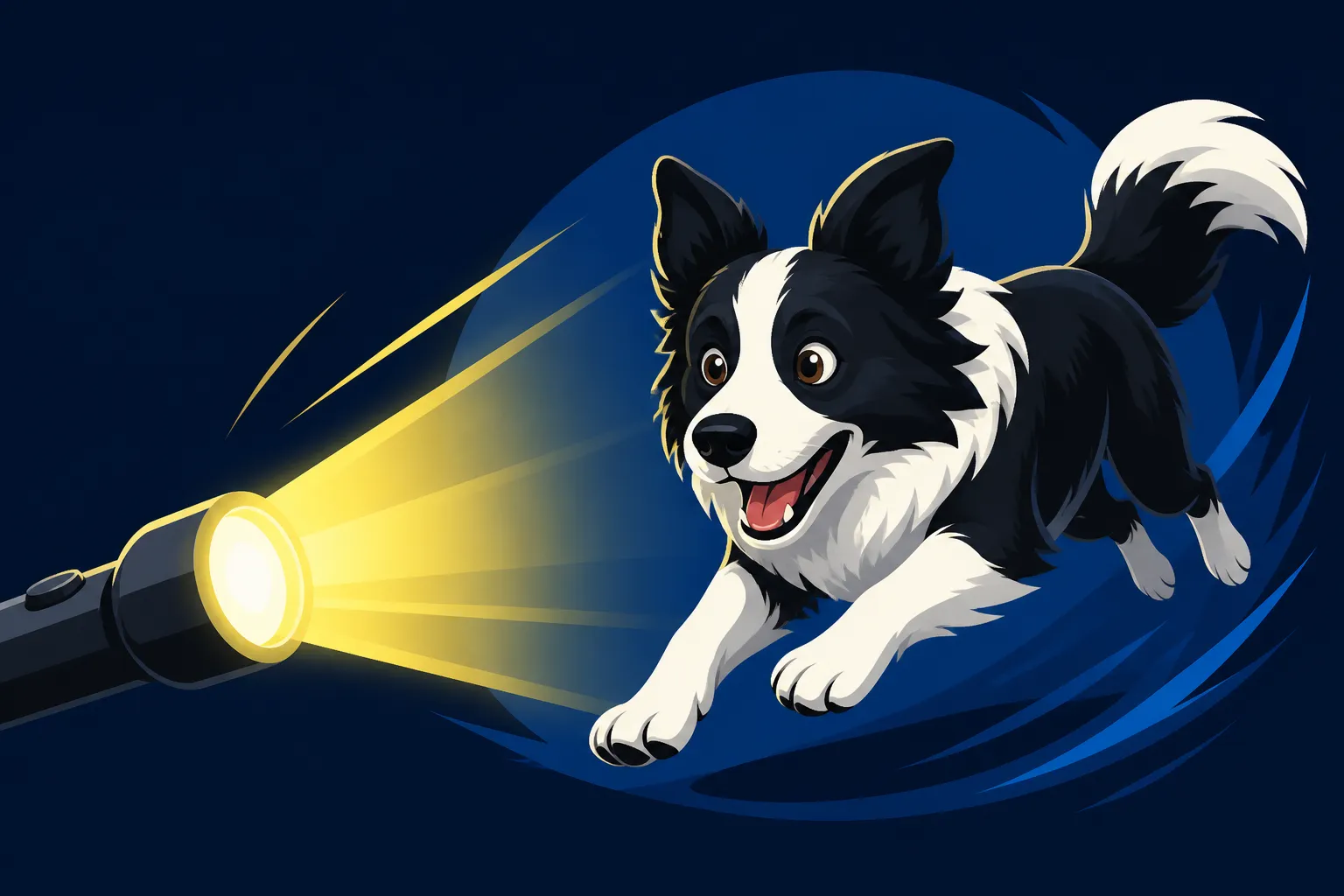
When you shine a flashlight beam on the wall or floor, what you see is a moving dot of light. What your Border Collie sees is a fast-moving, elusive "prey" that their ancient instincts are screaming at them to catch. It's not just a game to them; it taps deep into their genetic wiring.
Herding Instinct and Prey Drive Connection
Border Collies were bred for centuries to gather and control livestock. This work requires an incredible amount of focus, a keen eye for movement, and an innate desire to control. That intense "eye" they're famous for isn't just for looking pretty; it's for locking onto a sheep and predicting its every move. When you introduce a flashlight beam, you're presenting them with a visual stimulus that perfectly mimics the erratic, fast-moving behavior of small prey or a stray lamb. Their herding instinct, which is essentially a modified prey drive, kicks in hard. They're not trying to be naughty; they're simply doing what their genes tell them to do: pursue, corner, and "control" that moving object. The problem is, they can never quite catch it, which creates a frustrating loop that can become addictive. This is often why you see them get so intensely focused, almost hypnotized, by the movement.
The Visual Stimulus Loop
The endless, unpredictable movement of a flashlight beam creates a highly stimulating, yet ultimately unrewarding, loop for a Border Collie. Imagine a game where you're always almost winning, but never quite get there. For a dog that thrives on completing tasks and bringing things to a conclusion, this can be incredibly unsettling over time. The visual input is constant and engaging, their body is primed for action, but there’s no physical object to grip, no sheep to gather, no definitive "win" condition. This lack of resolution can actually heighten their arousal and frustration, making them even more obsessed the next time the light appears. It's a bit like a gambler constantly chasing a jackpot they can never quite hit; the anticipation is thrilling, but the lack of payout can lead to unhealthy fixation. This is also closely related to why some Border Collies start Stopping a Border Collie Chasing Shadows and Light – the fundamental drive is the same, just a different source of light.
When a Fun Game Turns Problematic
What starts as a seemingly harmless bit of fun can quickly escalate into a genuine behavioral concern for Border Collies. Their high intelligence and intense drive mean they can develop unhealthy fixations faster than many other breeds.
Developing Compulsive Behaviors
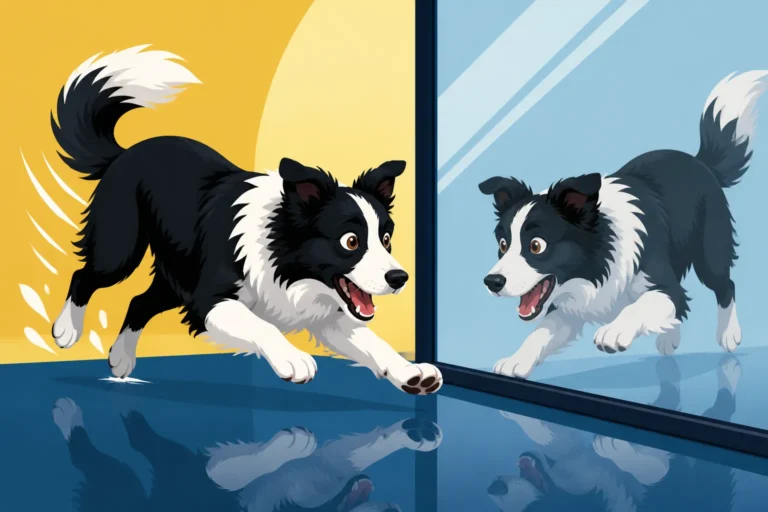
The chase-without-catch cycle of flashlight games can unfortunately lead to the development of compulsive behaviors. Because the dog never achieves a "closure" to the hunt, their mind can get stuck in an endless loop of anticipation and frustration. You might notice your Border Collie starting to pace, whine, or spin when there's no flashlight present, but a similar visual cue, like a reflection on the wall or a glint of sun off a watch. They might start staring intently at walls or floors, twitching, or even barking at perceived light sources. This isn't just them being "quirky"; it's a sign that the behavior is becoming self-reinforcing and compulsive. In some severe cases, this can lead to other neurotic habits like tail chasing or self-mutilation as an outlet for their internal stress. It's a stark reminder of Why a Border Collie Cannot Stop on Its Own once they've fixated.
The Impact on Mental Well-being
A Border Collie who is constantly chasing imaginary light spots or reflections is not a happy, well-adjusted dog. Their mental well-being takes a significant hit. Instead of channeling their incredible brainpower into problem-solving, learning new commands, or engaging in purposeful work, they're trapped in a cycle of unfulfilled desire. This can lead to chronic stress, anxiety, and an inability to settle. You might find them more reactive to other stimuli, easily startled, or even struggling to relax in their own home. Their intense focus, which is usually such a positive trait, becomes a burden, making them seem constantly "on edge." This kind of mental overstimulation, without a healthy outlet, can be just as exhausting and damaging as physical deprivation, leading to a dog that's constantly agitated and less able to cope with everyday life.
Strategies to Redirect and Manage the Behavior
The good news is that with consistency, patience, and the right approach, you can help your Border Collie break free from the flashlight obsession and channel their amazing energy into more constructive behaviors.
Breaking the Flashlight Habit
The first and most crucial step is simple: stop playing flashlight games immediately and permanently. It might be hard, especially if it's been a long-standing "game," but continuing it only reinforces the problematic behavior. If anyone in the household (or even visitors) has been playing it, make sure everyone understands why it needs to stop. This also extends to laser pointers, reflections from watches, or any other erratic light source. Think of it like an addiction; the first step to recovery is removing the drug.
Next, you need to manage their environment. If there are certain times of day when light reflections are prominent, try to mitigate them. Draw curtains, adjust blinds, or manage their access to rooms where this happens. You might also notice your dog reacting to the reflection from your phone screen or a shiny appliance. Be mindful of these triggers and adjust accordingly.
When they start fixating, interrupt the behavior gently but firmly with a "leave it" command, and then immediately redirect them to an appropriate, tangible toy or a short training session. The goal is to shift their focus from the intangible light to something they can interact with and resolve. Something as simple as practicing The Emergency Word a Border Collie Must Know can be a great way to snap them out of fixation.
Providing Appropriate Mental and Physical Outlets
Border Collies need a job. It's not optional; it's built into their DNA. If they don't have productive outlets for their intelligence and energy, they will invent their own, and those often aren't behaviors we appreciate. This means providing a balance of intense physical exercise and mental stimulation.
- Physical Exercise with Purpose: Instead of endless, aimless running, focus on structured activities. Think about teaching them to retrieve specific items, running agility courses, or even long, varied walks where they can sniff and explore. While Exercise, Work and What Actually Settles a Border Collie is crucial, it needs to be meaningful exercise, not just mindless running.
- Mental Stimulation: This is where you can truly tire out their brilliant minds. Engage them with puzzle toys like those found on Amazon, where they have to figure out how to get treats. Scent work, where they use their noses to find hidden items, is incredibly tiring for dogs. Teach them new tricks, work on advanced obedience, or even enroll in dog sports like agility or obedience that require both physical and mental engagement. Mental Work That Tires a Border Collie Faster is key to a calm, happy Border Collie.
- Chewing and Decompression: Provide high-value, long-lasting chews. Chewing is a natural canine behavior that is incredibly calming and stress-relieving. A good quality Benebone or a stuffed Kong can keep them occupied and help them decompress after periods of high arousal.
Training for Impulse Control
Teaching strong impulse control is vital for a Border Collie prone to fixations. This isn't just about stopping them from chasing the light; it's about teaching them self-control in all aspects of life.
- "Leave It" and "Take It": These are foundational commands. Practice "leave it" with tempting items, gradually increasing the distractions. This teaches them to disengage from something they want.
- "Wait" and "Stay": These commands teach patience. Practice having them wait before eating their meal, before going out the door, or before being released to a toy. Consider structured training programs, like those offered by BAXTER & Bella, which often emphasize these critical foundation behaviors for impulse control.
- "Go to Mat/Place": Teaching your Border Collie to go to a designated spot and relax is an invaluable skill. This provides them with an "off-switch" and a place to settle when they're overstimulated. Consistently reinforcing Teaching a Border Collie to Stay on Its Bed creates a safe, predictable space for them to calm down.
- Consistent Routines: Predictability helps reduce anxiety. A clear daily routine for feeding, exercise, training, and rest helps your Border Collie understand what to expect, reducing the need to invent their own activities.
Long-Term Management and Prevention
Addressing the flashlight obsession is not a one-time fix; it requires a commitment to a lifestyle that meets the unique needs of a Border Collie. It's about ongoing management and proactive prevention.
Creating a Balanced Routine
A well-structured day is your Border Collie's best friend. This isn't about rigid adherence to a clock, but rather ensuring that their fundamental needs for exercise, mental engagement, training, and rest are met consistently. Think about a typical day:
- Morning: A good, solid block of physical activity, perhaps a brisk walk, fetch in a secure area (with tangible toys!), or some focused training.
- Mid-day: Short bursts of mental work, like a puzzle feeder filled with a portion of their kibble, or a quick trick-training session. There are many interactive toys on Amazon that can keep them engaged.
- Afternoon: Another period of physical activity or a longer training session. This is a great time to practice skills in different environments, helping them generalize their learning.
- Evening: Settle-down time. This might involve a long-lasting chew, quiet cuddle time, or just hanging out while you watch TV. Ensure they have a comfortable, defined resting place, perhaps their crate or a special bed.
A balanced routine helps your Border Collie anticipate their day, reduces anxiety, and channels their incredible energy into appropriate activities. Providing Puzzle Feeders That Hold a Border Collie can make meal times a mentally enriching experience too.
Environmental Enrichment and Safe Play
Beyond structured exercise and training, think about enriching their daily environment. This means giving them things to do and explore that are safe and constructive.
- Interactive Toys: Provide a variety of toys, rotating them to keep interest high. Choose toys that are durable and encourage engagement, rather than just passive chewing.
- Scent Games: Hide treats or favorite toys around the house or yard and encourage them to use their nose to find them. This is a low-impact, high-mental-effort activity that almost all Border Collies love.
- Supervised Outdoor Time: If you have a yard, ensure it's securely fenced. Provide things for them to explore and interact with safely. Consider a sandpit for digging (if that's a behavior you can tolerate and manage) or sturdy, outdoor enrichment toys.
- Avoid Trigger Situations: This includes not just flashlights, but being mindful of reflections from windows, shiny objects, or even reflections from your phone screen. If your Border Collie has a tendency to fixate on these, manage their access or create a distraction.
Seeking Professional Guidance
If the behavior is deeply ingrained, severe, or escalating, don't hesitate to reach out to a professional. A certified professional dog trainer (CPDT-KA) or a veterinary behaviorist can provide invaluable insight and create a tailored behavior modification plan. They can help identify underlying stressors, teach you advanced training techniques, and guide you through the process of desensitization and counter-conditioning. In some cases, if the compulsive behavior is significantly impacting their quality of life, a veterinary behaviorist might even suggest medication in conjunction with behavior modification to help reduce anxiety and allow the training to be more effective. Just like we need tools and guidance to overcome challenges, our dogs sometimes do too. Don't feel like you're failing; you're simply giving your Border Collie the best chance at a happy, healthy life.
Disclaimer
This article is for general informational purposes only and does not constitute professional advice. Laws, prices and regulations vary by location and change over time. Consult a qualified professional for guidance on your specific situation.