Whether a Border Collie Nips Ankles
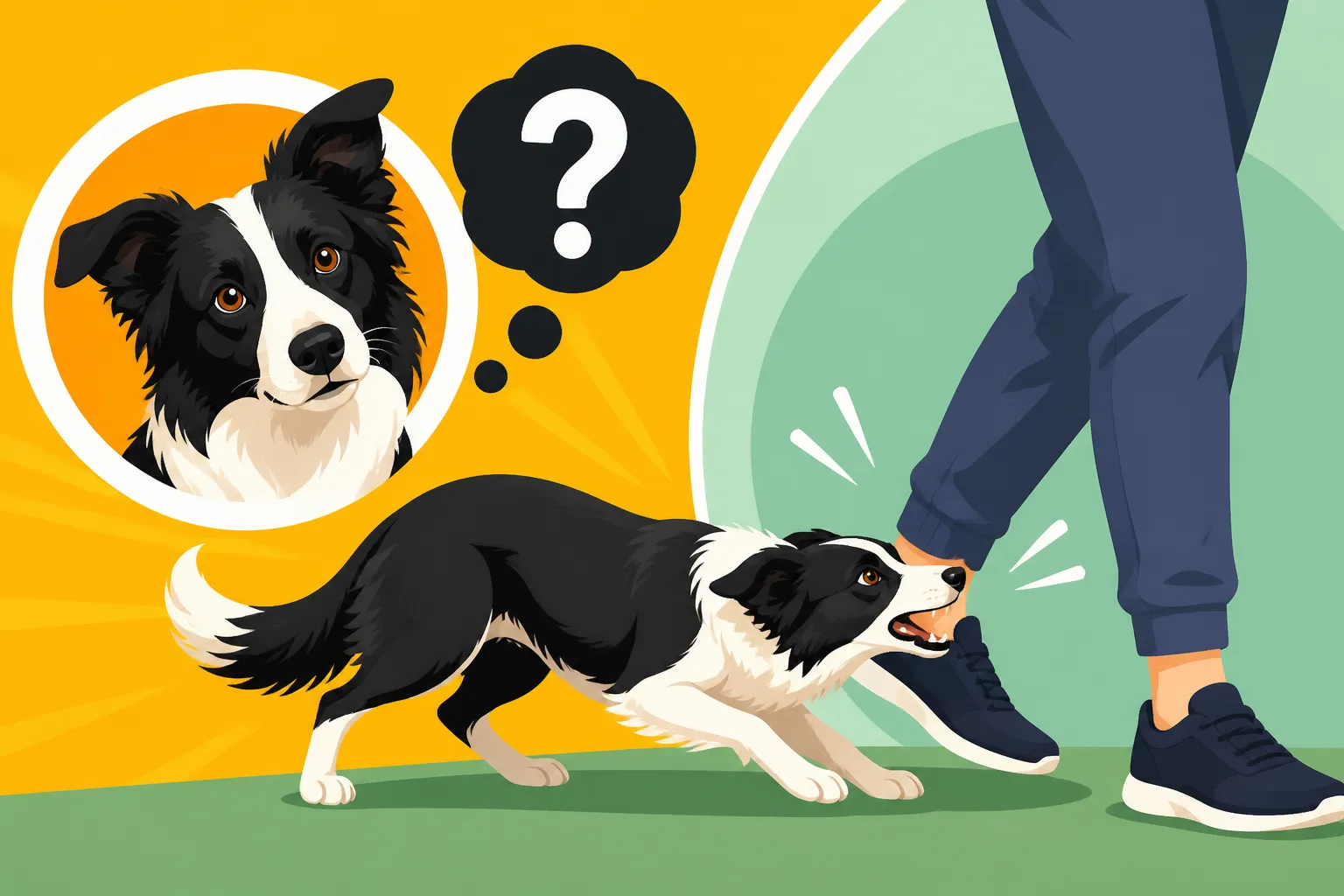
It's incredibly common and, let's be honest, downright annoying when your otherwise brilliant Border Collie seems to think your ankles are the perfect target for a quick nip. You’re just trying to walk across the kitchen, and suddenly you have a furry land shark attached to your heels! This behavior, while frustrating, is deeply rooted in their instincts and can be managed with understanding and consistent effort, and this guide is here to walk you through exactly how.
The Instinct Behind the Nipping: Why They Do It
Let's start by validating your experience: your Border Collie isn't being "bad" or malicious when they nip at your ankles. They're simply being a Border Collie. These dogs were bred for centuries to gather and control livestock, and that innate drive doesn't just vanish when they're moved from a sheep pasture to your living room. Ankle nipping is often a direct manifestation of their herding instinct.
The Herding Drive Kicking In
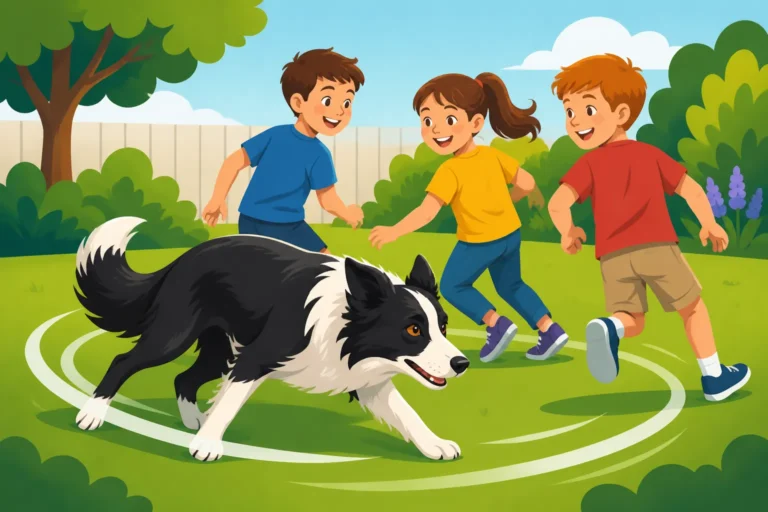
Think about how a Border Collie works sheep. They use their intense "eye," their low crouch, and their quick movements to guide and redirect the flock. Sometimes, especially with stubborn or slow-moving sheep, a gentle nip to the hocks or ankles is part of the process to get the sheep moving. When your dog nips at your ankles, or the ankles of your children, they're not trying to hurt you; they're trying to "herd" you. You're part of their "flock," and in their mind, you're not moving where you should, or perhaps not moving at all! It’s a primitive communication, an attempt to control movement, and it often escalates when you try to walk away, which to them looks like you're running from the "pressure" they're applying. You might even find your dog attempts A Border Collie Gathering the Family Into One Room.
Nipping as a Form of Play or Attention Seeking
While instinct is a huge component, sometimes nipping can also be a learned behavior for play or attention. A young puppy might discover that nipping your pant leg or shoe gets a reaction—a squeal, a jump, or even a chase. To a puppy, any reaction is often seen as engagement, and if it's exciting, even better! This can quickly turn into a habit where they nip to initiate play or demand your focus. If you've been inadvertently rewarding the behavior by reacting strongly, you've accidentally taught them that nipping works. It's a classic case of a smart dog figuring out how to get what they want. They might even escalate to A Border Collie That Barks at the Ball Being Held if they're not getting enough attention.
Distinguishing Between Puppy Mouthing and Herding Nips
Understanding the difference between puppy mouthing and true herding nipping is crucial for effective intervention. While both involve teeth on skin or clothing, their motivations and the strategies to address them can vary.
Puppy Mouthing and Bite Inhibition
When you bring home a Border Collie puppy, especially between 8 and 16 weeks, you're going to experience a lot of mouthing. Those tiny, sharp teeth seem to be everywhere! This is a normal part of puppy development, helping them explore their world and learn bite inhibition. Puppies learn how hard is too hard from their littermates. If one puppy bites another too hard, the bitten puppy will yelp and stop playing. This teaches them to moderate their bite pressure.
You can replicate this by yelping loudly if your puppy mouths you too hard. Then, immediately withdraw your attention for a few seconds. This teaches them that hard bites end the fun. The goal isn't to stop them from mouthing entirely, but to teach them to have a "soft mouth." Redirecting them to appropriate chew toys, like a durable rubber kong or a rope toy from Amazon, is also key. If you're struggling with The Border Collie Puppy That Bites Hands, remember consistency is your best friend.
Herding Nips from an Adolescent or Adult Border Collie
Herding nips, on the other hand, typically emerge as your Border Collie matures, often between 4 to 12 months of age, when their inherent herding drive really starts to blossom. These nips are often more targeted, aimed at the ankles, calves, or backs of knees, and can be accompanied by the classic Border Collie crouch and "eye." It's less about exploration and more about control. An adolescent Border Collie might nip you as you walk away, seeing you as a sheep needing to be gathered. They might also try to herd other animals or even small children, which can be particularly concerning. This isn't usually aggressive, but it's certainly not acceptable. They're trying to communicate, but they're using a language that's not appropriate for human interaction.
| Behavior Type | Typical Age Range | Primary Motivation | Common Targets | Recommended Approach |
|---|---|---|---|---|
| Puppy Mouthing | 8-16 weeks | Exploration, bite inhibition | Hands, fingers, feet | Yelping, withdrawal of attention, redirection to toys |
| Herding Nipping | 4 months – Adulthood | Herding instinct, control | Ankles, calves, heels | Management, redirection, consistent training |
| Attention Nipping | Any age (learned) | Seeking engagement | Any part of handler | Ignore the nip, reward calm behavior, redirect |
Strategies for Preventing and Redirecting Nipping
Once you understand why your Border Collie is nipping, you can put effective strategies in place. It’s all about clear communication, consistent training, and providing appropriate outlets for their brilliant minds and bodies.
Environmental Management is Your First Line of Defense
Before you even start training, managing the environment is crucial. This means preventing the behavior from happening in the first place, especially if you have young children or visitors.
- Leash Management Indoors: A lightweight leash dragged indoors can be a lifesaver. If your dog starts to eye your ankles, you can calmly step on the leash to prevent them from getting close enough to nip. This is a management tool, not a punishment. It simply controls their access. When you're busy or can't actively supervise, this prevents them from practicing the unwanted behavior. You can find sturdy, lightweight leashes on Amazon that won't weigh your dog down.
- Baby Gates and Crates: When you can't actively supervise, contain your Border Collie in a safe, designated area using baby gates or a crate. This isn't about isolation; it's about setting them up for success by preventing opportunities to nip. This also helps them learn to settle down, a critical skill for a high-drive dog. Teaching Getting a Border Collie Puppy to Rest on Cue can be invaluable here.
- Predicting and Avoiding Triggers: Pay attention to when the nipping occurs. Is it when you first get home? When you walk into a certain room? When you move quickly? Once you identify triggers, you can anticipate and intervene before the nip happens. For example, if they nip when you walk through the doorway, have a high-value toy ready to throw as you enter, redirecting their focus immediately.
Redirecting Their Instincts Towards Appropriate Outlets
You can't "train out" a Border Collie's herding instinct, nor would you want to! It's what makes them who they are. Instead, you need to redirect that powerful drive towards acceptable activities.
- Appropriate Chew Toys: Always have plenty of engaging chew toys available. If your puppy is mouthing, offer them a designated chew toy instead of your hand. For older dogs, tough toys that can withstand their strong jaws are essential. If you feel your Border Collie's drive is causing them to chew themselves when bored, it’s a clear sign they need more appropriate outlets.
- Structured Play: Engage your Border Collie in games that mimic herding without involving people's ankles. Big-Ball Herding Games for a Border Collie can be a fantastic outlet. Large, sturdy exercise balls or soccer balls give them something to "herd" and push around with their noses and bodies. This satisfies their natural drive in a safe and fun way. Fetch can also be good, but be mindful that excessive fetch can sometimes lead to obsessive behaviors, so balance it with other forms of play and mental engagement. Remember, Weaning a Border Collie Off Endless Fetch might be necessary if it becomes an obsession.
- Mental Stimulation: A tired Border Collie is a good Border Collie, but physical exercise alone isn't enough. They need mental challenges. Puzzle feeders, scent work, and trick training can tire them out mentally much faster than just running around. This can also help reduce obsessive behaviors like chasing shadows and light. Teaching them The Names of Its Toys can be a fun and mentally stimulating game.
Training for Impulse Control and Basic Obedience
Consistent training is paramount. Your Border Collie needs to understand that humans are not sheep, and nipping is off-limits.
- "Leave It" and "Off" Commands: These are invaluable. Practice "leave it" with tempting items on the floor, gradually increasing the distractions. If your dog goes to nip, a firm "off!" followed by redirecting them to a toy can be effective. Reward them profusely when they choose the toy instead of your feet.
- Solid Recall: A strong recall is always important for a Border Collie, allowing you to call them away from unwanted behaviors or situations. If you're working on Building a Border Collie Recall Against Moving Things, you're building a foundation that helps control their impulses.
- "Place" or "Mat" Training: Teach your Border Collie to go to a designated "place" (a mat or bed) and stay there calmly. This provides a clear alternative behavior when they're overstimulated or tempted to nip. If they're trying to herd you across the room, send them to their place. BAXTER & Bella offers excellent online training programs that break down these commands into easy-to-follow steps, providing a structured approach to impulse control and obedience. Many owners find their methods very helpful in shaping The Border Collie That Learns Faster Than You Teach.
- Positive Reinforcement: Always reward the behavior you want to see. If your dog is walking calmly beside you without nipping, praise them, give them a treat, or engage in a quick, appropriate play session. Consistency is key here; every time you reinforce good behavior, you're strengthening it.
When to Seek Professional Help
While many cases of ankle nipping can be managed with consistent effort and the strategies above, there are times when seeking professional guidance is absolutely the right choice. Don't feel like a failure if you need to call in an expert; it simply means you're committed to doing what's best for your Border Collie.
Persistent Nipping and Escalation
If, despite all your efforts, the nipping persists, becomes more intense, or starts to break the skin more frequently, it’s time to consult a professional. This could indicate a deeper behavioral issue, or simply that you need a personalized approach from someone experienced with high-drive breeds. A professional trainer or veterinary behaviorist can observe your dog's behavior in context and identify subtle cues you might be missing. They can help discern if the behavior is purely instinctual, or if there's an underlying anxiety or frustration contributing to it.
Signs of Aggression or Resource Guarding
While most herding nips are not aggressive, any sign of true aggression should be addressed immediately by a professional. This includes growling, snapping with intent to harm (not just redirect), or showing teeth in a threatening manner. If your Border Collie exhibits guarding of its toys or food, and this is linked to the nipping, a qualified professional can help you develop a safe and effective plan to address these serious issues. This is especially critical in homes with children or other pets, where safety is paramount.
Feeling Overwhelmed or Unsure
Let's be real: living with a high-drive Border Collie can be demanding, and sometimes you just feel overwhelmed. If you're feeling frustrated, unsure if you're doing things correctly, or struggling to maintain consistency, a professional can provide invaluable support and guidance. They can offer a fresh perspective, refine your techniques, and boost your confidence. Whether it's a certified professional dog trainer (CPDT-KA) or a board-certified veterinary behaviorist (DACVB), getting expert help is an investment in your relationship with your dog and their future well-being. They can also advise on whether Medication Helps a Compulsive Border Collie if the nipping stems from a deeper behavioral or anxiety issue.
Remember, Border Collies are incredibly intelligent and sensitive dogs. They thrive on clear communication and consistent expectations. Addressing ankle nipping is not about stifling their natural instincts, but about guiding them to channel those instincts in ways that make them a happy, well-adjusted member of your family.
Disclaimer
This article is for general informational purposes only and does not constitute professional advice. Laws, prices and regulations vary by location and change over time. Consult a qualified professional for guidance on your specific situation.