Back-to-Back Seizures in a Border Collie
Witnessing your beloved Border Collie experience a seizure is terrifying enough, but when those seizures happen one right after another, it’s a whole new level of panic and distress. This isn't just a bad day; it's a critical situation that demands immediate understanding and decisive action. This guide will walk you through what back-to-back seizures mean for your Border Collie, what you need to do in the moment, and how to work with your vet for long-term management to give your intelligent companion the best possible quality of life.
Understanding Cluster Seizures in Border Collies
The term "back-to-back seizures" often refers to what veterinarians call "cluster seizures." It’s a terrifying experience for any dog owner, but especially so when it happens to a high-drive, sensitive breed like a Border Collie. Knowing what you're dealing with is the first step toward managing it effectively.
What Defines a Cluster Seizure Event?
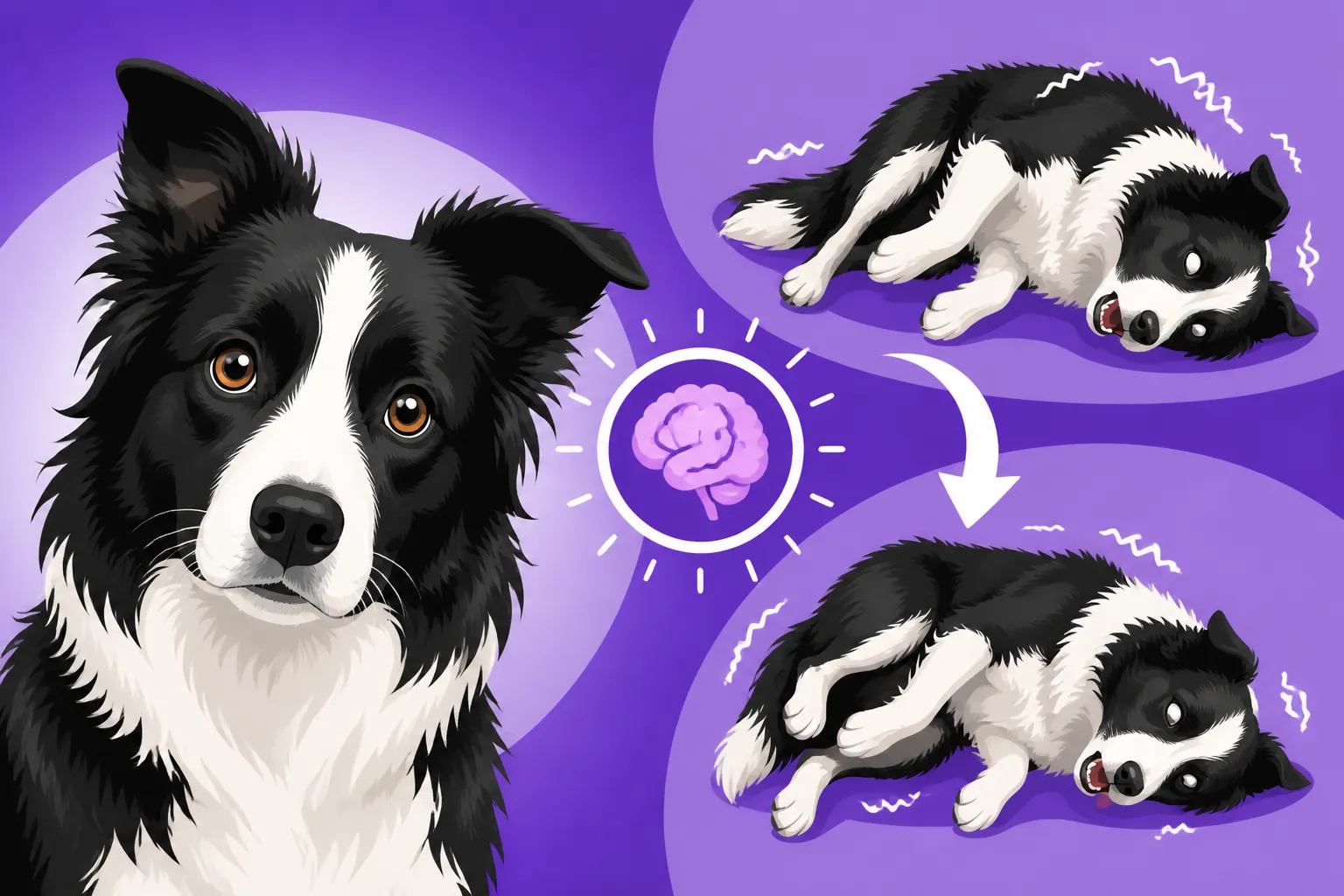
When we talk about cluster seizures, we're not just referring to two seizures that happen within a few hours of each other. A true cluster seizure event is generally defined as two or more seizures occurring within a 24-hour period, with the dog regaining consciousness and exhibiting some level of recovery between each episode. This is a crucial distinction. Your dog might be disoriented, wobbly, or appear "out of it" for a while after the first seizure, but they will eventually return to some semblance of their normal self before the next one hits. This pattern can be incredibly draining, both physically for your dog and emotionally for you, as the brief periods of calm are shattered by repeated episodes.
It’s a harrowing cycle, watching your vibrant, intelligent Border Collie suddenly lose control, only to pull themselves back together just long enough to be struck down again. The periods of recovery between seizures might seem like a small mercy, but they offer little true respite for either you or your dog. The body is under immense strain, and the brain is being overstimulated repeatedly. The sheer physical exertion of seizing, combined with the metabolic changes occurring in the brain, means that each subsequent seizure in a cluster event can be more impactful and potentially harder for your dog to recover from.
Why Border Collies Are Prone to Epilepsy
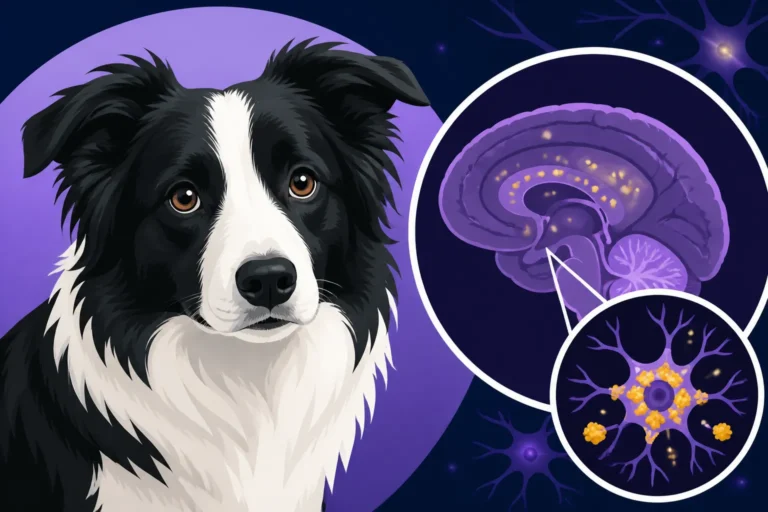
Border Collies, for all their incredible intelligence and athleticism, are unfortunately one of the breeds with a known predisposition to idiopathic epilepsy. Idiopathic means there's no identifiable cause – no brain tumor, no infection, no metabolic issue that doctors can pinpoint. It’s believed to be genetic, a glitch in the brain’s electrical activity. Typically, the first seizure for a Border Collie with idiopathic epilepsy often arrives between one and five years of age, but it can manifest earlier or later. Many owners find themselves grappling with the diagnosis of Epilepsy in a Border Collie Between One and Five right in the prime of their dog's life.
This genetic vulnerability is a heavy burden on the breed. While some other breeds might have environmental or dietary triggers for seizures, with Border Collies, it's often an inherent neurological condition. This makes understanding the breed's specific risk factors so important. If you’ve got a Border Collie puppy, discussing their genetic lineage with the breeder about seizure history is a critical step, even before symptoms appear. It’s not a reflection of poor breeding, necessarily, but a widespread challenge within the breed that responsible breeders strive to manage and minimize through careful selection and genetic testing when available.
Differentiating Cluster Seizures from Status Epilepticus
While cluster seizures are deeply concerning, they are distinctly different from an even more dire condition known as status epilepticus. This differentiation is not just clinical jargon; it's a matter of life and death, and recognizing the difference can dramatically impact your dog's prognosis.
Cluster Seizures vs. Status Epilepticus
| Feature | Cluster Seizures | Status Epilepticus |
|---|---|---|
| Seizure Pattern | Multiple seizures within 24 hours | Continuous seizure or multiple seizures with no full recovery |
| Recovery Between | Dog regains consciousness, may be disoriented/wobbly | Dog remains unconscious or in a semi-conscious state |
| Duration | Each seizure typically lasts less than a few minutes | Seizure activity lasts 5 minutes or longer, or recurs without recovery for 30+ minutes |
| Urgency | Requires immediate vet contact, often emergency care | Life-threatening emergency, immediate vet intervention essential |
| Risk Factors | High risk of brain damage, hyperthermia, metabolic crisis | Very high risk of brain damage, permanent neurological deficits, death |
Status epilepticus is defined as a single seizure lasting longer than five minutes, or multiple seizures occurring without a full return to consciousness between episodes, lasting for 30 minutes or more. In this scenario, your Border Collie isn't just having a series of seizures; their brain is in a continuous state of uncontrolled electrical activity, often leading to severe overheating (hyperthermia), brain damage, and metabolic collapse. This is an absolute veterinary emergency that requires immediate and aggressive intervention.
If your Border Collie has a seizure that doesn’t stop after five minutes, or if they have another seizure before they've fully come around from the last one, you need to get them to an emergency veterinarian right away. Every second counts in status epilepticus. They will likely need IV medications to stop the seizure activity, and often need supportive care to manage their body temperature and other physiological functions. Don't wait to see if it stops; act immediately.
Immediate Action During a Cluster Seizure Episode
When your Border Collie is in the throes of back-to-back seizures, it's easy to feel helpless and terrified. However, there are crucial steps you can take to keep your dog as safe as possible and prepare for veterinary intervention.
Prioritizing Safety and Reducing Stimuli
Your absolute first priority during any seizure, especially a cluster, is to ensure your dog’s immediate safety. When a Border Collie is seizing, they are completely unaware of their surroundings. Their muscles are contracting uncontrollably, and they can easily injure themselves by thrashing against furniture, walls, or even falling down stairs. Gently move any objects away from them that they could hit their head or limbs on. If they are in a dangerous location, like at the top of a staircase, and you can safely do so without putting yourself at risk, try to carefully slide them to a safer, open area on the floor.
It's natural to want to comfort them, but during a seizure, they won't recognize you, and you could inadvertently get bitten. Never put your hands near their mouth, as they can involuntarily clamp down with tremendous force. Protect their head by placing a folded towel or cushion under it, but don't try to restrain their movements. Restraining them can actually cause injury. Furthermore, try to reduce any external stimulation. Dim the lights, turn off loud music or the TV, and ask anyone else in the house, especially children or other pets, to move to another room. A quiet, calm environment can sometimes help, even if your dog isn't consciously aware of it. Most importantly, start timing each seizure and noting its characteristics, as this information will be invaluable to your vet. Keeping a detailed log, similar to what's outlined in What to Record About a Border Collie's Seizures, is highly recommended.
When to Seek Emergency Veterinary Care
Knowing precisely when to rush your Border Collie to the emergency vet is critical. For cluster seizures, the threshold for emergency care is significantly lower than for an isolated, brief seizure. If your Border Collie experiences two or more seizures within a 24-hour period, even if they seem to recover somewhat in between, it's time to call your emergency veterinarian or head there immediately. The body and brain cannot sustain repeated seizure activity without consequences. Each seizure can lower the threshold for the next, potentially leading to more severe or prolonged episodes.
Furthermore, if any single seizure lasts longer than three to five minutes, or if your dog does not regain full consciousness and normal behavior between seizures (i.e., they remain severely disoriented, unresponsive, or immediately go into another seizure), this is status epilepticus and a true emergency requiring immediate veterinary attention. Don't wait for your regular vet to open if it's after hours. Call your nearest veterinary emergency hospital on your way so they can prepare for your arrival. These situations can become very costly very quickly, involving overnight stays, IV fluids, and multiple medications. This is where having pet insurance, such as a policy from Healthy Paws, can provide immense peace of mind, allowing you to focus on your dog's immediate care rather than the escalating bill. Discussing an emergency plan with your vet for your epileptic Border Collie, including where to go and what to do, is vital before an emergency strikes. It’s part of a proactive approach to When a Seizing Border Collie Needs Emergency Care.
Emergency Medications for At-Home Management
For Border Collies diagnosed with epilepsy, your veterinarian may prescribe emergency or "rescue" medications to be administered at home during a cluster seizure event or a prolonged seizure. These medications are not for daily prevention but are designed to stop seizure activity quickly. The most common forms are rectal diazepam (Valium) or buccal/nasal midazolam. These medications work by rapidly absorbing into the bloodstream, crossing the blood-brain barrier, and enhancing the activity of GABA, a neurotransmitter that inhibits brain activity, thereby helping to stop the seizure.
Your vet will provide precise instructions on dosage, administration technique, and when to use these drugs. For instance, rectal diazepam usually comes with an applicator, and it’s administered directly into the rectum during a seizure. Buccal midazolam can be squirted into the cheek pouch, where it absorbs through the mucous membranes. It is absolutely crucial to understand that these are prescription medications and should only be used as directed by your veterinarian. They can have side effects, and incorrect use can be dangerous. Having this "abortive" medication on hand can be a lifesaver, giving you a tool to potentially break the cycle of back-to-back seizures before you can get to the vet, or to manage a single prolonged seizure. It forms a critical part of the initial response plan outlined in What Happens After a Border Collie's First Seizure. Always ensure you have a fresh supply and know exactly how to use it.
Long-Term Management and Prevention of Cluster Seizures
Living with a Border Collie prone to cluster seizures means committing to a comprehensive, ongoing management plan. This isn't just about reacting to emergencies, but actively working to minimize their occurrence and severity.
Working with Your Veterinarian to Develop a Treatment Plan
Once your Border Collie has been diagnosed with epilepsy, especially after experiencing cluster seizures, establishing a robust, collaborative relationship with your veterinarian is paramount. The first step is often diagnostic. While idiopathic epilepsy has no identifiable cause, your vet will likely recommend blood tests to rule out other metabolic or organ-related issues that could cause seizures. In some cases, if the seizures are atypical or begin at an unusual age, an MRI of the brain might be considered, though this is less common for typical idiopathic Border Collie epilepsy. The goal is to be as certain as possible that you are dealing with idiopathic epilepsy before committing to long-term medication.
After diagnosis, your vet will work with you to start your Border Collie on daily anti-epileptic drugs (AEDs). There are several options, and the choice depends on your dog's individual case, potential side effects, and your vet's experience. Common AEDs include Phenobarbital, Potassium Bromide, and Levetiracetam. Phenobarbital is often a first-line drug, but it requires careful monitoring of liver values through regular blood tests, as detailed in Phenobarbital and Liver Values in a Border Collie. Potassium Bromide is another effective option, sometimes used in conjunction with Phenobarbital or as a standalone, which also requires monitoring of blood levels and can have its own set of side effects, as discussed in Potassium Bromide for a Border Collie. Levetiracetam, often referred to by its brand name Keppra, is generally considered safer for the liver and can be a good choice as a primary medication or as an add-on, as covered in Levetiracetam as an Add-On for a Border Collie. Finding the right drug, or combination of drugs, and the optimal dosage is often a process of trial and error, requiring patience and close communication with your vet.
Identifying and Avoiding Potential Triggers
While idiopathic epilepsy means there's no single, clear cause, many owners of epileptic Border Collies report specific events or situations that seem to precede a seizure. These are often called "triggers," and while not scientifically proven for every dog, observing your dog for patterns can be incredibly helpful. Common anecdotal triggers include periods of high stress or intense excitement, sudden changes in routine, certain loud noises (like fireworks or thunderstorms), or even changes in barometric pressure. For a high-energy, intelligent breed like a Border Collie, over-stimulation can sometimes be a factor.
Keeping a detailed seizure diary is invaluable here. Note down the date, time, duration, severity, and any unusual events or changes in routine that occurred in the hours or even days leading up to a seizure. Did they have an unusually long or strenuous run? Were there visitors in the house? Was there a change in food? Over time, you might start to see a pattern. While you can't eliminate all stress from a dog's life, you can certainly try to minimize known triggers. For example, if car rides are stressful, try to make them more positive with treats or calming pheromones. If specific loud noises are an issue, consider a Thundershirt or creating a safe, quiet "den" for them when those events are anticipated. The more you understand what might set your Border Collie off, the better equipped you'll be to create a more stable environment for them.
The Role of Diet and Supplements
When it comes to managing epilepsy, medication is usually the cornerstone of treatment, but diet and supplements are gaining attention as potential complementary therapies. It's crucial to understand that these are rarely, if ever, a replacement for prescribed anti-epileptic drugs, but rather an additional layer of support to discuss with your veterinarian.
One area of interest is the use of medium-chain triglyceride (MCT) oil, which is a component of coconut oil but also available in purified forms. Some studies suggest that MCTs can be metabolized into ketones, providing an alternative energy source for the brain that may have anti-seizure properties. Specialized prescription veterinary diets formulated with MCTs, such as those from brands like Purina Pro Plan Veterinary Diets NeuroCare, are available and have shown promise in reducing seizure frequency in some dogs. However, switching to such a diet or adding MCT oil supplements should always be done under veterinary guidance to ensure proper nutrition and avoid digestive upset. Similarly, omega-3 fatty acids (DHA and EPA), found in fish oil, are known for their anti-inflammatory and neuroprotective properties. While not a direct anti-seizure medication, they may support overall brain health. Antioxidants and B vitamins are also sometimes recommended. The topic of Diet and Seizure Frequency in a Border Collie is complex, but it's an important conversation to have with your vet, especially if your Border Collie is still experiencing seizures despite being on medication. Remember, comprehensive pet insurance like that offered by Healthy Paws can often cover prescribed veterinary diets or supplements if they are deemed medically necessary by your vet as part of the treatment plan.
Living with a Border Collie Prone to Cluster Seizures
Adjusting to life with a Border Collie that experiences cluster seizures is a journey that requires patience, understanding, and unwavering dedication. It changes the dynamic of your household, but with the right strategies, your dog can still live a full and happy life.
Creating a Safe and Predictable Environment
For a Border Collie prone to cluster seizures, routine and predictability can be incredibly grounding. These highly intelligent and sensitive dogs thrive on structure, and minimizing unexpected stressors can potentially reduce seizure frequency for some individuals. Establish a consistent daily schedule for feeding, walks, playtime, and rest. Try to avoid abrupt changes to this routine. During periods of heightened risk, or if you notice your dog acting "off" (which can be a pre-ictal sign for some dogs), ensure they are in a safe, familiar space where they can't injure themselves if a seizure occurs. A secure, comfortable crate can serve as a safe haven, especially if you need to leave them unsupervised for a short time.
While Border Collies need significant exercise and mental stimulation, it's a delicate balance. Avoid over-exercising or engaging in extremely high-intensity, prolonged activities that could lead to exhaustion or excessive stress. Instead, focus on a good mix of physical activity, like brisk walks or moderate fetch sessions, combined with plenty of mental enrichment like puzzle toys, scent work, or trick training. These activities tire a Border Collie's mind without overtaxing their body. After a seizure, it's vital to provide a quiet, dark, comfortable space for recovery, where they won't be disturbed. This post-ictal period can last hours, and your dog will be disoriented, tired, and vulnerable.
Emotional Impact on Owners and Seeking Support
Let's be real: witnessing your Border Collie having back-to-back seizures is profoundly distressing. It’s a terrifying, heartbreaking experience that leaves you feeling helpless and can take a serious emotional toll. You might feel anxious, constantly worried about when the next seizure will strike, or even guilty, wondering if there was something you could have done differently. These feelings are completely normal and valid. Caring for an epileptic dog isn't just a physical undertaking; it's an emotional one, too.
It's crucial to acknowledge your own feelings and seek support. Talk to your veterinarian, who understands the medical aspects but also the emotional strain. Connecting with other owners of epileptic dogs, whether through online forums, local support groups, or even just friends who "get it," can be incredibly therapeutic. Sharing experiences, tips, and simply knowing you're not alone can make a huge difference. Don't be afraid to lean on your support network, and remember that taking care of yourself is just as important as taking care of your dog. Managing the financial burden is another huge stressor, and reliable pet insurance, like Healthy Paws, can lighten that load significantly, allowing you to focus on your dog's well-being without constant worry about emergency vet bills.
When to Adjust Medication or Re-evaluate Treatment
Managing epilepsy is a dynamic process, not a one-time fix. Over time, your Border Collie's seizure frequency or severity might change, or they might develop side effects from their medication. It's an ongoing conversation you'll need to have regularly with your veterinarian. If your dog is still experiencing cluster seizures, or if the frequency of individual seizures isn't adequately controlled, it's a clear sign that the current treatment plan needs adjustment. This could mean increasing the dosage of their current medication, adding a second anti-epileptic drug, or even switching to a different one entirely.
Regular blood work is essential, not just to monitor drug levels (which helps ensure the medication is in the therapeutic range) but also to check organ function, especially for drugs like Phenobarbital that can impact the liver. You'll also need to watch for behavioral changes or side effects, such as increased thirst, urination, sedation, or changes in appetite. While some initial dullness might be expected when starting a new medication, your vet will aim to find a balance where seizures are controlled without overly sedating or "dulling" your intelligent Border Collie, as discussed in Medicating a Border Collie Without Dulling It. Keep that seizure diary meticulously, and don't hesitate to reach out to your vet if you notice any significant changes in your dog's seizure activity or overall health.
Disclaimer
This article is intended for informational purposes only and does not constitute medical advice. Always consult with a qualified veterinarian for any health concerns or before making any decisions about your Border Collie's medical care.