Ruling Out Heat Before Calling It Border Collie Collapse
It’s a terrifying moment no Border Collie owner wants to experience: your typically vibrant, tireless dog suddenly wobbles, struggles, or even collapses after a burst of activity. Your mind races, often straight to the worst-case scenarios. Is it just exhaustion? Something more serious? This guide is dedicated to helping you understand the critical differences between heatstroke and Border Collie Collapse (BCC), two conditions that can look startlingly similar but demand very different responses. Misidentifying can have serious consequences, so let's get into how to accurately assess what's happening.
Understanding Border Collie Collapse and Heatstroke
When your active Border Collie suddenly falters, it's natural for panic to set in. Two common culprits that come to mind, especially after intense exercise, are Border Collie Collapse (BCC) and heatstroke. While both involve a sudden onset of distress and can lead to a dog going down, their underlying causes, symptoms, and required treatments are vastly different. Knowing these distinctions isn't just academic; it's vital for your dog's immediate safety and long-term health.
What Border Collie Collapse Looks Like
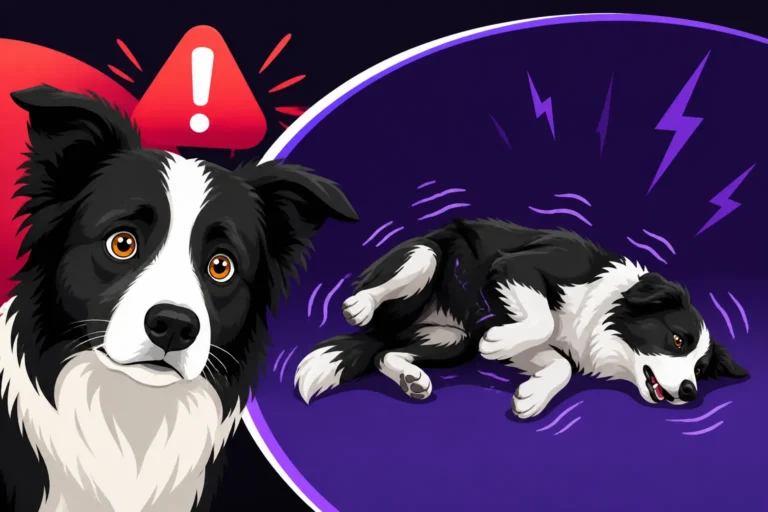
Border Collie Collapse is a fascinating and often bewildering condition, specifically linked to high-intensity exercise in genetically predisposed Border Collies. It's not usually about overheating. Typically, an episode of BCC begins anywhere from 5 to 15 minutes into strenuous activity, especially activities involving high excitement, like intense retrieving or sheep herding. One of the most telling signs is often described as The Wobbling Gait a Collapsing Border Collie Shows, starting in the hind legs and progressing forward. Your dog might look weak, uncoordinated, and struggle to maintain balance.
Crucially, despite the physical incapacitation, a Border Collie experiencing BCC usually remains mentally alert. Their eyes are bright, they recognize you, and they might even try to respond to commands, though their body won't cooperate. This mental clarity is a key differentiator from other conditions. The episode usually resolves relatively quickly, often within 5 to 30 minutes, with rest. You might find your dog is back to normal, or close to it, by the time you reach the car, which can be incredibly confusing for owners and even veterinarians unfamiliar with the condition. If you want to dive deeper, we have a detailed article on What a Border Collie Collapse Episode Looks Like.
The Distinct Signs of Heatstroke in Dogs
Heatstroke, on the other hand, is a life-threatening condition caused by a dangerously elevated core body temperature. It can affect any dog, but active breeds like Border Collies, especially those with thicker coats or who are unconditioned to hot weather, are particularly susceptible. Unlike BCC, heatstroke doesn't typically manifest with a specific "wobbly" gait. Instead, the signs are more generalized and severe, reflecting systemic distress. The most prominent early indicator is often excessive, frantic panting that doesn't subside. Your dog might also show profuse drooling, have bright red gums, and a rapid heart rate.
As heatstroke progresses, the dog's mental state rapidly deteriorates. They become lethargic, disoriented, unresponsive, and may even suffer seizures or lose consciousness. Vomiting and diarrhea, sometimes bloody, can also occur as internal organs begin to shut down. This profound mental dullness is a critical distinction from BCC. The recovery from heatstroke is not quick; it requires immediate and careful veterinary intervention to slowly bring the body temperature down and address potential organ damage. Understanding Heat Stroke in a Border Collie That Kept Working is essential for prevention.
| Feature | Border Collie Collapse (BCC) | Heatstroke |
|---|---|---|
| Onset | 5-15 minutes into strenuous, high-excitement exercise | Can be rapid during or after exercise, or prolonged exposure to heat |
| Gait | Progressive weakness, staggering, "wobbly" hind limbs | Generalized weakness, collapse, uncoordinated, but not specific hind-limb wobble |
| Mental State | Alert, aware, responsive, bright-eyed | Lethargic, disoriented, unresponsive, dull, can progress to unconsciousness/seizures |
| Panting | May pant, but typically not frantic or excessive for the conditions | Extreme, frantic, persistent panting, often with loud breathing |
| Drooling | Minimal to moderate | Excessive, profuse drooling |
| Gum Color | Normal or slightly paler | Bright red in early stages, then pale or bluish as condition worsens |
| Body Temperature | Normal or mildly elevated (up to 105°F / 40.5°C) | Significantly elevated (often above 105°F / 40.5°C), critical |
| Recovery Time | Rapid (5-30 minutes) with rest, often returns to normal quickly | Slow, requires active cooling and veterinary care; can take hours or days |
| Underlying Cause | Genetic neurological disorder triggered by intense exercise | Failure of body's thermoregulation due to excessive heat absorption |
| Severity | Self-limiting, rarely fatal, but requires careful management | Life-threatening emergency, high mortality rate if untreated |
Why Differentiating is Crucial for Your Border Collie's Health
When your Border Collie goes down, the seconds that follow can feel like hours, and making the right call can literally be the difference between a full recovery and a tragic outcome. The initial response, the veterinary care, and the long-term management all hinge on accurately distinguishing Border Collie Collapse from heatstroke. Rushing to the wrong conclusion, or assuming they are the same, can inadvertently worsen the situation or delay life-saving treatment. This isn't just about labels; it's about targeted, effective care that respects the unique physiological demands of each condition.
Immediate Actions and First Aid Differ
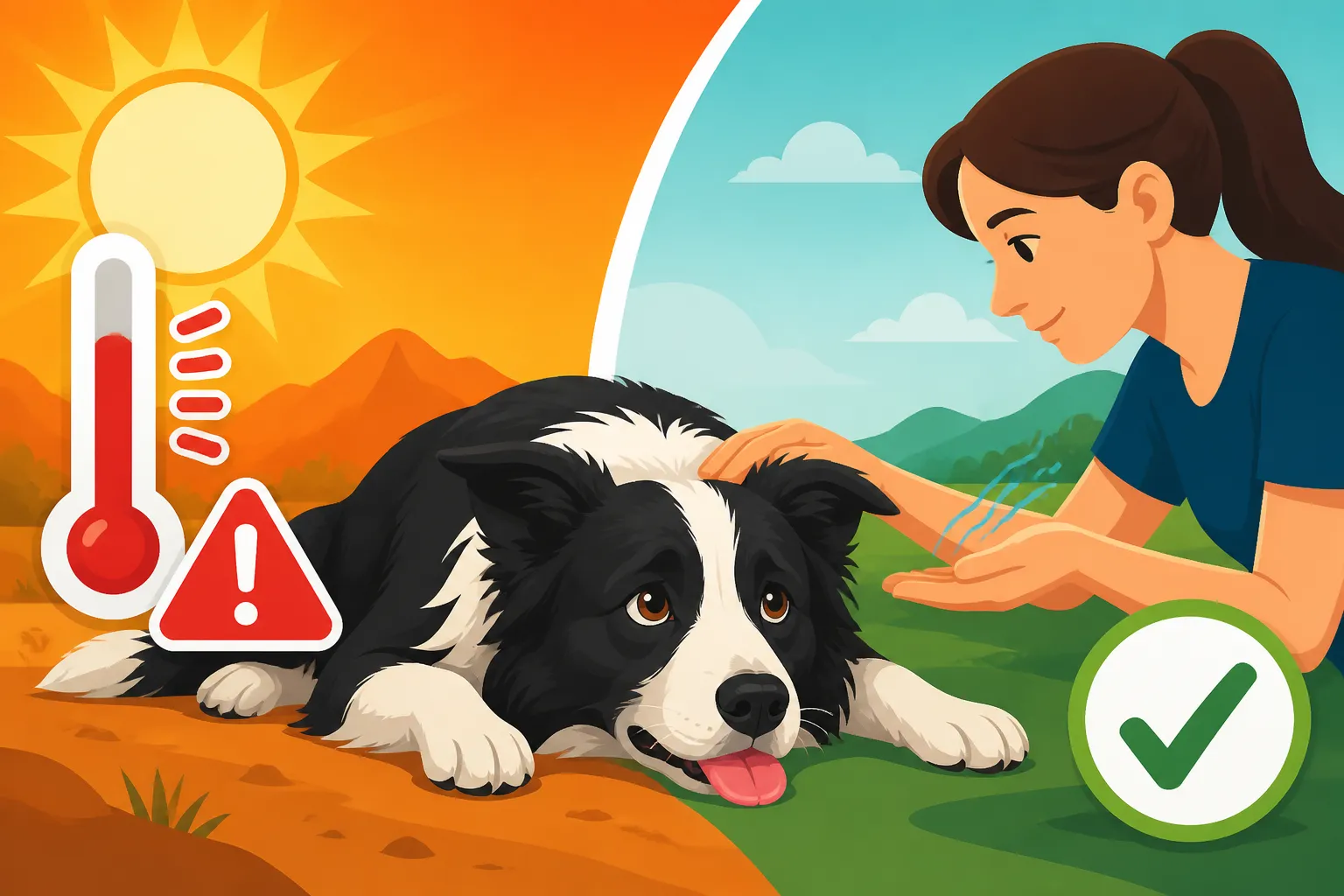
Imagine your dog suddenly collapses. Your immediate reaction might be to cool them down, especially if it's a warm day. However, this is where the critical difference lies. For a dog suffering from heatstroke, immediate and aggressive cooling is paramount. Getting them into shade, hosing them down with cool (not ice-cold) water, applying wet towels, and encouraging them to drink are all crucial steps. The goal is to rapidly, but carefully, lower their core body temperature to prevent irreversible organ damage. You can read more about Whether a Border Collie Recovers From Heat Stroke and what immediate steps are crucial.
Conversely, for a Border Collie experiencing BCC, aggressive cooling can actually be detrimental. Remember, BCC isn't primarily caused by overheating, even if the dog might be slightly warm from exercise. The rapid cooling methods used for heatstroke can lead to hypothermia in a dog with BCC, complicating their recovery and potentially causing other issues. The correct first aid for BCC is simply to stop the activity, move the dog to a quiet, shady, comfortable spot, and allow them to rest. They usually recover on their own relatively quickly. Offering water is fine, but forced cooling is a no-go. Understanding these distinct first aid protocols is not just helpful, it's a matter of life and death, and it highlights why professional veterinary advice, even after recovery, is so important. When faced with an emergency, the last thing you want to worry about is the bill. Having a good pet insurance policy, like those offered by Healthy Paws, can provide immense peace of mind during such stressful situations.
Long-Term Management and Prognosis
Beyond immediate first aid, the correct diagnosis guides all subsequent long-term management strategies and sets appropriate expectations for your dog's future health and activity levels. If your Border Collie has experienced heatstroke, the long-term concerns revolve around potential organ damage, particularly to the kidneys, liver, and brain. They may need extensive follow-up care, including blood tests to monitor organ function, and will require strict heat management protocols for the rest of their lives. This might mean avoiding exercise in warm weather altogether, adjusting their routine to cooler parts of the day, and ensuring constant access to shade and water. Some dogs might suffer permanent neurological damage or increased sensitivity to heat after a severe episode.
For a dog diagnosed with Border Collie Collapse, the management is focused on preventing future episodes by understanding and avoiding specific triggers. This typically involves adjusting the type, duration, and intensity of exercise, as well as managing excitement levels. While BCC is not considered a life-threatening condition in itself, and affected dogs can often continue to live full, active lives, their owners need to learn to recognize the early signs and stop activity before a full collapse occurs. This might mean modifying training routines for sports like agility or herding, or finding alternative forms of mental and physical stimulation. The good news is that with careful management, many Border Collies with BCC can continue to enjoy their lives without significant compromise, as discussed in Keeping a Border Collie With BCC in Work. The costs associated with diagnostics, monitoring, and potentially specialized care can add up quickly, which is why many owners find solace in proactive coverage from providers like Healthy Paws.
Environmental Factors and Triggers to Consider
When assessing why your Border Collie might be struggling, it’s easy to focus solely on the dog. However, the environment plays a massive role in both heatstroke and, to a lesser extent, Border Collie Collapse. Overlooking external factors can lead to misdiagnosis and inappropriate intervention. A holistic view, taking into account everything from the air temperature to the dog's internal state of mind, is absolutely critical for understanding what's truly happening during an episode.
Temperature, Humidity, and Activity Level
The most obvious environmental culprits for heat-related issues are high ambient temperatures and humidity. We all feel sluggish on a hot, muggy day, and dogs, with their fur coats and less efficient cooling mechanisms (primarily panting), are even more susceptible. High humidity makes it harder for dogs to cool down through evaporation from their breath, effectively trapping heat in their bodies. If your Border Collie is exercising intensely on a day when the mercury is climbing and the air is thick with moisture, the risk of heatstroke skyrockets. Even moderate temperatures can be dangerous if the exercise is prolonged and strenuous enough, especially if there's no shade or water available.
Beyond just the temperature reading, consider the intensity and duration of the activity itself. A brisk walk on a 75°F day might be fine, but an hour of non-stop fetch or working sheep in the direct sun at the same temperature could be hazardous. The amount of energy your Border Collie is expending directly correlates with how much internal heat their body is generating. It's a cumulative effect: environmental heat + metabolic heat from exercise. This combination can quickly push a dog past its thermoregulatory limits. Conversely, BCC episodes have been observed in mild or even cool weather, which is a key reason why Why Overheating Does Not Explain Border Collie Collapse is an important piece of the puzzle.
The Role of Excitement and Stress
While temperature and humidity are primary drivers for heatstroke, excitement and stress play a particularly significant role in triggering Border Collie Collapse. BCC is often linked to the high-drive, intense nature of these dogs, where the mental state can profoundly impact their physical response to exercise. It's not just the physical exertion, but the sheer mental focus and adrenaline rush of certain activities that seems to flip the switch for BCC.
Think about a Border Collie at an agility trial, or intensely focused on working sheep, or even just chasing a ball with an almost obsessive zeal. This high level of arousal, coupled with physical exertion, appears to be the core trigger. The dog might not be "stressed" in a negative sense, but the heightened state of excitement and the mental effort involved are powerful factors. This is why you often see BCC episodes occur during activities they love and are highly motivated for. Excitement as a Trigger for Border Collie Collapse is a well-documented aspect of the condition. In contrast, while stress can exacerbate any physical condition, it's not typically identified as a primary trigger for heatstroke; heatstroke is more directly tied to thermal load.
Practical Steps for Owners to Rule Out Heat
When your Border Collie experiences a sudden episode, your ability to quickly and accurately assess the situation is invaluable. Your veterinarian will rely heavily on the information you provide, and knowing how to perform basic first aid measures while simultaneously gathering crucial data can significantly improve the outcome. The goal is to differentiate between the dire emergency of heatstroke and the usually self-limiting nature of Border Collie Collapse.
Assessing Your Dog's Core Body Temperature
This is perhaps the single most important piece of information to gather immediately if your dog collapses after exercise. While taking a dog's temperature rectally might not be a common practice for every owner, having a digital rectal thermometer on hand and knowing how to use it can be a lifesaver. A normal canine body temperature ranges between 101°F and 102.5°F (38.3°C to 39.2°C). If your dog's temperature is significantly above this, particularly over 105°F (40.5°C), heatstroke is a strong possibility and warrants immediate emergency cooling and veterinary care.
It's important to remember that a dog with BCC might have a slightly elevated temperature due to recent exercise, perhaps up to 103.5°F or even 104°F (39.7°C to 40°C), but it rarely reaches the critical levels seen in true heatstroke. If the temperature is within the normal range or only mildly elevated, and your dog is otherwise mentally alert despite the physical weakness, you should lean towards suspecting BCC. Always remember to lubricate the thermometer tip with petroleum jelly and insert it gently about 1 inch into the rectum for an accurate reading. Knowing How Hot a Border Collie Gets After Ten Minutes can help you understand normal post-exercise elevation versus dangerous overheating.
Providing Immediate Cooling Measures
If your dog's temperature is indeed high (above 104.5°F / 40.3°C), rapid cooling is critical. Move your dog immediately to a cool, shaded area. Use cool (not ice-cold) water to wet down their entire body, paying special attention to areas with rich blood supply like the armpits, groin, and neck. You can use a garden hose, wet towels, or even a sponge. Crucially, avoid using ice or extremely cold water, as this can cause the blood vessels to constrict, trapping heat inside the body and potentially inducing shock. Furthermore, never cover them completely with wet towels and leave them, as this can trap heat. Instead, keep the water flowing or keep changing out the wet towels.
Offer small amounts of cool water to drink, but don't force it if they're disoriented or unwilling, as it could lead to aspiration. Continue cooling efforts during transport to the nearest veterinary emergency clinic. Remember, the goal is to bring the temperature down safely and quickly. If the temperature is normal or only slightly elevated, and you suspect BCC, do not use these aggressive cooling methods. Simply provide a quiet, comfortable resting spot in the shade. Prompt veterinary attention is always recommended for any collapse episode.
Monitoring Recovery and Seeking Veterinary Care
Regardless of whether you suspect heatstroke or BCC, monitoring your dog's recovery is crucial, and a veterinary visit is almost always warranted. For suspected heatstroke, emergency veterinary care is non-negotiable. Even if your dog seems to be improving with cooling, internal damage might be occurring, and only a vet can assess the extent of the problem, rehydrate them intravenously, and monitor organ function. The immediate goal for the vet will be to stabilize their temperature and address any secondary complications like shock or organ failure. Emergency Costs the Night a Border Collie Collapses can be substantial, reinforcing the value of pet insurance from providers like Healthy Paws.
For BCC, while recovery is often rapid, a veterinary consultation is still highly recommended to confirm the diagnosis and rule out other serious conditions like heart problems, seizures (which can sometimes mimic collapse), or other neurological issues. Your vet may want to run blood tests or other diagnostics. Providing a detailed account of the incident – including the type of activity, environmental conditions, onset of symptoms, your dog's mental state, and the temperature reading you took – will be incredibly helpful for your vet in making an accurate diagnosis. It's often difficult to get a definitive diagnosis for BCC without multiple episodes and ruling out other conditions.
When to Suspect Border Collie Collapse Over Heatstroke
While the line between heatstroke and Border Collie Collapse can seem blurry in the moment of panic, there are several key indicators that should strongly nudge your suspicion towards BCC. It's about looking beyond the general "my dog collapsed" and honing in on the specific details of the episode, the environmental context, and, most importantly, your dog's demeanor throughout. Recognizing these subtle yet critical differences empowers you to provide the right immediate care and accurate information to your veterinarian.
The Classic "Wobbly" Gait and Mental Alertness
One of the most defining characteristics of Border Collie Collapse is the specific way the dog's movement is affected. It typically begins as a progressive weakness and ataxia (lack of muscle coordination), often starting in the hind limbs. You'll notice a distinct "wobbly" or staggering gait, almost as if their back legs are giving out. This isn't just generalized weakness; it's a very particular pattern of movement that can progress to the point where they cannot stand. This is precisely what we describe in more detail in The Wobbling Gait a Collapsing Border Collie Shows.
Crucially, throughout this physical debilitation, the dog remains strikingly mentally alert. Their eyes are bright, focused, and they respond to your voice and touch. They might look concerned or confused by their body's failure, but they are fully cognizant of their surroundings and you. This mental clarity, combined with the specific gait disturbance, is a hallmark of BCC and stands in stark contrast to the mental dullness, disorientation, or even unconsciousness seen in advanced heatstroke. If your dog collapses but is looking at you, ears perked, trying to respond, BCC should be high on your list of possibilities.
Absence of Extreme Overheating
Another powerful indicator pointing away from heatstroke and towards BCC is the absence of significantly elevated core body temperature. As discussed earlier, while a dog with BCC might be mildly warm from exercise, their temperature will typically be normal or only slightly elevated, rarely exceeding 104.5°F (40.3°C). If you take your dog's rectal temperature and it falls within the normal range (101-102.5°F) or only slightly above, even after strenuous activity on a warm day, it strongly suggests that heat stress is not the primary cause of the collapse.
This distinction is fundamental. Heatstroke is defined by a dangerously high body temperature (often >105°F / 40.5°C), and the body's inability to cool itself. BCC, while triggered by exercise, is not a thermoregulatory failure. If your dog is collapsing in mild weather, or if the environmental conditions simply don't warrant such a severe heat response, BCC becomes a more plausible diagnosis. This is why Why Overheating Does Not Explain Border Collie Collapse is a topic we've covered previously.
Repeated Episodes Under Similar Conditions
Perhaps one of the most compelling pieces of evidence for Border Collie Collapse is the pattern of repeated episodes. Owners of affected dogs often report that their Border Collie experiences similar collapse incidents whenever they engage in specific types of intense, high-excitement exercise, often under consistent environmental conditions. For instance, a dog might consistently collapse after 10-15 minutes of hard ball retrieving, or during the "outrun" phase of sheepdog training. The predictability of the trigger and the similarity of the symptoms across multiple occurrences are highly indicative of BCC.
If your Border Collie has experienced one collapse episode, and then repeats the same type of collapse during a similar activity in the future, it's a strong signal that you are dealing with a recurring condition like BCC rather than isolated heatstroke. Keeping a detailed log of these incidents, noting activity, duration, environmental factors, and symptoms, will be invaluable for your veterinarian. This pattern helps distinguish BCC from other conditions like seizures, which can also cause collapse but typically have different triggers and presentations. If you are questioning whether it's BCC or a neurological event, our guide on Telling Border Collie Collapse From a Seizure might be helpful.
Documenting Episodes for Your Veterinarian
When your Border Collie experiences a collapse, the moments immediately following can be chaotic and frightening. However, your ability to provide clear, detailed information to your veterinarian is paramount for an accurate diagnosis, especially given the similarities between Border Collie Collapse and heatstroke. Vague descriptions like "he just fell over" don't offer much help. Think of yourself as a detective, gathering evidence that will paint a comprehensive picture for the medical professionals.
Keeping a Detailed Log of Incidents
It might feel overwhelming in the moment, but establishing a system for logging every collapse episode is one of the most powerful tools you have. This isn't just about jotting down a few notes; it's about capturing specific data points that can reveal patterns and rule out possibilities. For each incident, try to record the following:
- Date and Time: Exactly when did it happen?
- Activity Prior to Collapse: What was your dog doing? How intense was it? Was it a high-excitement activity like retrieving or herding? For how long? Our article Why a Border Collie Collapses Five Minutes In shows how activity length is critical.
- Environmental Conditions: What was the air temperature? Humidity? Was it sunny or shady? Was there access to water?
- Initial Symptoms: What exactly did you observe? Did the hind legs go first? Was there a "wobbly" gait? Panting? Drooling? What was their mental state (alert, dull, disoriented)?
- Body Temperature: If you were able to take it, what was the reading?
- Duration of Episode: How long did the actual collapse or severe weakness last?
- Recovery Details: How long did it take for them to return to normal? Did they fully recover, or were there residual effects? Our guide How Long a Border Collie Takes to Come Right Again delves into this.
- Any Other Observations: Did anything unusual happen before, during, or after?
This detailed log helps your vet identify patterns, understand triggers, and confidently distinguish between conditions. Consistency in recording is key, even if the episodes are spaced far apart. Remember, if repeated vet visits are needed for these logs, having a pet insurance plan like Healthy Paws can truly help manage the financial aspect of long-term diagnostics and care.
Video Recording and Its Importance
While a written log is invaluable, nothing speaks quite as loudly as video evidence. Describing a "wobbly gait" is one thing; showing it to your veterinarian is another entirely. If your dog experiences an episode, and it's safe and feasible to do so without delaying critical care, try to record a short video. Focus on capturing their gait, their mental alertness (or lack thereof), their breathing, and any other distinctive symptoms.
This video can provide your vet with visual clues that are incredibly difficult to convey in words. It allows them to see the nuances of the collapse, the progression of symptoms, and how your dog recovers. They can observe specific movements that might indicate neurological issues or rule out others. Of course, always prioritize your dog's immediate well-being over recording, but if you can safely capture a few moments, it will be an immensely powerful diagnostic tool. It’s also wise to send this video ahead of your appointment if possible, giving your vet time to review it.
Disclaimer
The information provided in this article is for educational purposes only and is not a substitute for professional veterinary advice. If your Border Collie experiences a collapse or displays any concerning symptoms, seek immediate veterinary attention. Always consult with a qualified veterinarian regarding your pet's health and treatment options.