Impact Work Before a Border Collie Turns Two
One of the most heart-wrenching realities for Border Collie owners is the potential for debilitating joint and bone issues in what should be an athletic, long-lived companion. Many of us, in our eagerness to nurture our energetic pups, inadvertently push them too hard, too soon, before their delicate skeletons are ready for the immense demands we place on them. This guide will delve into the critical reasons why high-impact work should be strictly avoided before your Border Collie turns two years old and offer actionable advice on how to protect their developing bodies for a lifetime of activity.
Understanding the Developing Border Collie Skeleton
It's easy to look at a bouncing, seemingly invincible Border Collie puppy and think they're ready for anything. Their enthusiasm is infectious, and their drive seems boundless from day one. However, beneath that eager exterior is a skeletal system that is very much still a work in progress, far more fragile than you might assume. Ignoring this crucial developmental stage can lead to irreversible damage, setting the stage for pain and limited mobility down the line.
Growth Plates and Their Vulnerability
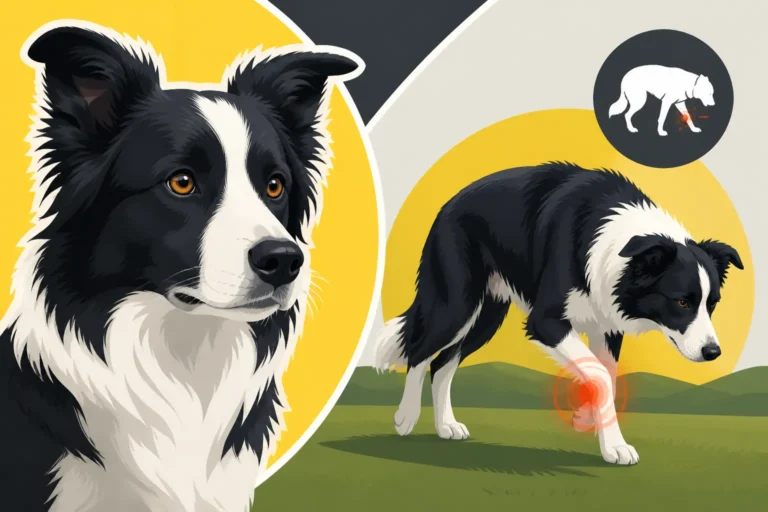
At the ends of a young Border Collie's long bones—like those in their legs—are areas called growth plates (or physes). These are regions of cartilage where new bone is constantly being produced, allowing the bones to lengthen as the puppy grows into an adult. Unlike the solid, hardened bone of an adult, growth plates are softer, more porous, and incredibly vulnerable to injury. Think of them like the "wet cement" of the skeletal system; once they fuse and harden, they become stable, but until then, they can be easily damaged.
These growth plates remain open, or unfused, until a Border Collie reaches skeletal maturity, which typically occurs between 18 and 24 months of age, sometimes even later for larger or slower-maturing individuals. Prior to this, any excessive force, sudden twists, hard landings, or repetitive stress can injure these delicate areas. A minor stumble for an adult dog might be a growth plate fracture for a puppy, potentially leading to abnormal bone growth, limb deformities, or even premature fusion. The consequences can range from a subtle limp to severe lameness, affecting the dog's ability to live a full, active life. It's why experts stress the importance of understanding the proper development cycle and why rushing a Border Collie puppy into intense activities is so risky.
Joint Development in a High-Energy Breed
Beyond the growth plates, the entire joint structure—cartilage, ligaments, and tendons—is also maturing. Border Collies are renowned for their athleticism, speed, agility, and incredible jumping ability. These traits put immense stress on their joints even under normal, healthy circumstances. During their formative years, these connective tissues are still strengthening and organizing. Ligaments, which connect bone to bone, and tendons, which connect muscle to bone, are gaining tensile strength. The joint capsules themselves are developing the robustness needed to withstand the forces of a high-drive dog.
Consider the common orthopedic issues we see in Border Collies, such as Hip and Elbow Scores in a Border Collie. Conditions like hip dysplasia or elbow dysplasia are often rooted in genetic predisposition, but environmental factors during growth, including too much strenuous activity, can significantly exacerbate them. If a puppy with a genetic tendency towards loose hips is allowed to perform repeated jumps or quick stops and starts, the developing joint capsule can become stretched and the femoral head can wear down the acetabulum abnormally. This can accelerate the progression of arthritis and lead to chronic pain much earlier in life. Protecting these developing joints means minimizing forces that twist, jar, or compress them excessively until they are fully mature.
What Constitutes "Impact Work" for Young Border Collies
When we talk about "impact work," it's not always obvious what falls into that category. Many well-meaning owners inadvertently engage their young Border Collies in activities that are far too strenuous for their developing bodies. It’s crucial to distinguish between healthy, age-appropriate exercise and the kind of high-impact activities that can lead to long-term harm. The line can be blurry, especially with a dog that seems to have an endless supply of energy.
High-Impact Activities to Avoid
For Border Collies under two years old, certain activities, while seemingly innocent or even beneficial, should be avoided or severely limited. These include anything that involves repetitive jarring motions, sudden stops and starts, or significant air time.
Here's a breakdown of common culprits:
- Repetitive Jumping: This is perhaps the biggest offender. This includes jumping over agility hurdles, leaping for frisbees or balls, jumping off high surfaces (like decks, truck beds, or tall furniture), and even continuous jumping up to greet people. Each landing sends a shockwave through the growth plates and developing joints. While a Border Collie will naturally jump and climb, repetitive, forced jumping is the issue. For instance, repeatedly throwing a ball over a low fence might seem like fun, but it's hundreds of micro-impacts.
- Intense Fetch Sessions, Especially on Hard Surfaces: While a gentle game of fetch in soft grass is generally fine for short periods, prolonged, high-intensity fetch where the dog sprints at full speed, skids to a halt, and twists to retrieve can be very damaging. Doing this on concrete, asphalt, or even packed dirt amplifies the impact significantly. Think about the strain on their shoulders, elbows, and stifles with every stop. Running a young Border Collie on concrete can be particularly detrimental.
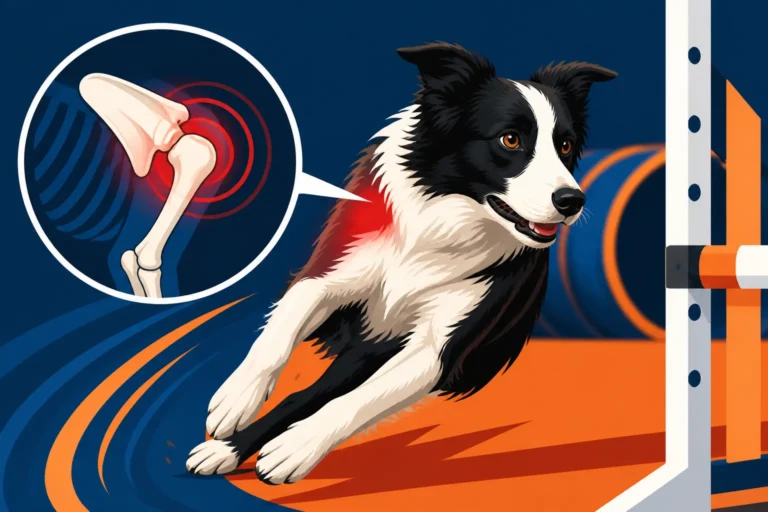
- Agility Training (Full Height and Weaves): While foundation agility work (like walking over low planks, tunnel work, or low jumps with no commitment to height) can be introduced, full-height jumps, teeters, and particularly weave poles should be avoided until skeletal maturity. Weave poles involve significant twisting and lateral forces on the spine and limbs. Many responsible agility organizations have strict age guidelines, often recommending no full-height jumps or weave poles until 18-24 months.
- Long-Distance Running or Bikejoring: Pushing a young Border Collie to run for miles, especially on hard trails or alongside a bicycle, before their growth plates have closed can lead to chronic lameness. Their cardiovascular system might be able to handle it, but their skeletal system cannot.
- Dock Diving or Intense Swimming Entries: While swimming itself is fantastic low-impact exercise, the explosive jump into the water from a dock can be a high-impact activity, especially if the dog lands awkwardly.
- Roughhousing with Large, Uncontrolled Dogs: Unsupervised play with much larger or overly boisterous dogs can result in accidental falls, twists, or collisions that injure a puppy's delicate structure.
Safe Alternatives for Exercise and Mental Stimulation
The good news is that keeping a Border Collie mentally and physically satisfied without resorting to damaging impact work is entirely possible and highly recommended. The key is to prioritize controlled, low-impact activities and mental challenges that build strength and coordination gradually.
Here are some wonderful alternatives:
- Controlled Leashed Walks and Hikes (on varied terrain): Exploring new environments on a leash allows for mental stimulation through scent and sight, while building stamina. Walking on varied surfaces like dirt trails, grass, and sand helps strengthen supporting muscles and ligaments without the harsh impacts of pavement. Ensure walks are not excessively long or strenuous.
- Swimming (gentle entry): Swimming is an excellent full-body, low-impact exercise that builds muscle and cardiovascular fitness without putting stress on joints. Introduce it safely and ensure gentle entry into the water, avoiding high jumps from banks or docks.
- Interactive Brain Games and Puzzle Toys: Border Collies thrive on mental challenges. Investing in good quality puzzle feeders that a Border Collie cannot solve twice, snuffle mats, and engaging in hide-and-seek games with treats or toys can exhaust them mentally faster than physical exercise. This is a fantastic way to tire a Border Collie without impacting its joints.
- Basic Obedience and Trick Training: Dedicate time to teaching advanced obedience cues, complex tricks, or even How Many Words a Border Collie Can Learn. This builds a strong bond, reinforces good behavior, and provides immense mental stimulation. Think about all the focused attention required for teaching a "stay" at a distance or a complex chain of commands.
- Foundation Sports Work (age-appropriate): For future sport dogs, focus on ground-level conditioning, body awareness exercises (e.g., balance discs, cavaletti poles laid on the ground), and flatwork. For herding prospects, controlled introduction to sheep under expert guidance at the appropriate age can be done in a way that minimizes impact.
- "Find It" Games/Scent Work: Hiding treats or toys and encouraging your Border Collie to use their nose is a wonderful, low-impact activity that engages their natural problem-solving abilities. You can even explore introductory scent work classes.
Remember, the goal is to build a strong, well-conditioned dog gradually. Patience during these formative years will pay dividends in a healthier, more active adult life.
Long-Term Consequences of Premature High-Impact Activity
The choices we make for our Border Collie puppies regarding exercise can have profound effects that last their entire lives. The eager-to-please nature of these dogs means they will often push themselves beyond their limits, especially when a favorite ball or frisbee is involved. It’s up to us, as responsible owners, to understand the serious long-term consequences of too much impact work too soon and to protect them.
Increased Risk of Orthopedic Conditions
Pushing a young Border Collie into high-impact activities before their skeletal system is fully developed significantly increases their risk of developing a range of debilitating orthopedic conditions. It's not just about a single injury; it's about cumulative micro-trauma and abnormal stress on growing structures.
Consider conditions like:
- Hip Dysplasia: While often genetic, early intense activity, especially repetitive jumping and sprinting with sudden stops, can severely worsen the development of hips in a genetically predisposed puppy. The growth of the joint socket (acetabulum) and the ball (femoral head) can become mismatched, leading to a loose, unstable joint. This is a primary reason why The Age a Border Collie Should Be Hip-Scored is typically around two years old, to assess final joint formation.
- Elbow Dysplasia: Similar to hips, the elbow joint (comprising three bones) is susceptible. Premature or excessive impact can lead to conditions like osteochondritis dissecans (OCD), fragmented coronoid process (FCP), or ununited anconeal process (UAP). These are painful developmental disorders that can require complex surgery and lead to lifelong Elbow Dysplasia and the Border Collie Forelimb issues.
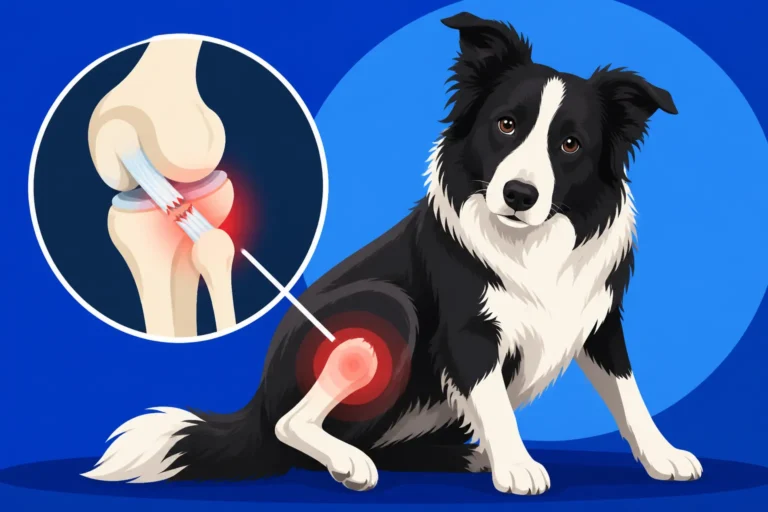
- Cruciate Ligament Tears: The cranial cruciate ligament (CCL) in a dog's knee is analogous to the ACL in humans. While often associated with sudden twists in adult dogs, repetitive stress and instability in a growing dog can weaken the ligament, making it more prone to tearing later on. A Cruciate Tears in a Border Collie injury is not only painful but also expensive to treat, often requiring surgery like TPLO.
- Patellar Luxation: This is where the kneecap slips out of place. While sometimes genetic, abnormal forces on the joint during growth can contribute to the development of this painful condition.
- Osteochondrosis (OCD): A developmental disease of the cartilage that can affect various joints, including shoulders, elbows, and hocks. High-impact activities can aggravate or accelerate the presentation of OCD lesions in genetically susceptible puppies. This can lead to persistent lameness and pain, sometimes requiring surgery. This is why Shoulder Injuries in an Agility Border Collie are a serious concern.
These conditions not only cause immense pain and reduce a dog's quality of life but also come with significant financial burdens for diagnosis, medication, and potential surgeries. Many owners find themselves facing tens of thousands of dollars in vet bills over the years, sometimes prompting consideration of pet insurance providers like Healthy Paws, which can offer some relief for these unexpected orthopedic challenges.
Early Onset Arthritis and Chronic Pain
Perhaps one of the most heartbreaking consequences of premature impact work is the early onset of osteoarthritis. Arthritis is a degenerative joint disease characterized by the breakdown of cartilage and the formation of bone spurs, leading to pain, stiffness, and reduced mobility. While some degree of arthritis is a natural part of aging, dogs that suffer joint damage in their youth will almost certainly develop debilitating arthritis much earlier than their healthy counterparts.
Imagine a Border Collie, typically a breed known for its longevity and active senior years, suffering from chronic pain and stiffness by the age of five or six. This is a dog that should be in its prime, still capable of enjoying long walks, playing fetch, or even light work. Instead, they might struggle to get up, limp after short periods of activity, or refuse to jump into the car. This is often the reality for dogs whose growth plates and joints were stressed too much as puppies.
The chronic pain associated with early arthritis requires ongoing management, including medication (NSAIDs, joint supplements), physical therapy, and lifestyle adjustments. This means a lifetime of vet visits, managing flare-ups, and witnessing your once-vibrant companion slowly lose their spark due to discomfort. It's a heavy burden, both emotionally and financially. It’s a scenario no Border Collie owner wants to face, which highlights the critical importance of protecting their developing bodies. Proactive care in their youth is the best defense against Osteoarthritis in a Border Collie by Eight.
Best Practices for Raising a Physically Sound Border Collie
Raising a Border Collie puppy is an exhilarating journey, but it requires a conscious effort to balance their innate drive with their physical limitations. To ensure your energetic companion develops into a physically sound adult capable of enjoying a long, active life, adopting best practices for exercise, nutrition, and overall care is paramount. It’s about setting them up for success, not just for the next five minutes of play.
Structured Exercise vs. Free Play
One of the biggest misconceptions is that a Border Collie puppy needs endless, unstructured exercise to burn off energy. While they certainly have energy to spare, the type of exercise matters immensely.
Structured Exercise: This refers to activities where you, the owner, control the duration, intensity, and type of movement. This includes:
- Leashed Walks: As mentioned, these are excellent for exploration and building stamina without excessive impact. Varying surfaces (grass, dirt, sand) can strengthen different muscle groups. Keep walks moderate in length; a general guideline is 5 minutes per month of age, twice a day, up to around 6-8 months, and then gradually increasing.
- Short Training Sessions: Focused sessions on obedience, tricks, or scent work provide immense mental stimulation and controlled physical activity. Think short bursts of activity followed by rest.
- Age-Appropriate Foundation Sport Work: If you plan on doing agility or herding, introduce very basic elements on flat ground. For example, low cavaletti poles (on the ground) to teach foot awareness, walking over low-to-the-ground platforms, or gentle introductions to tunnels without pressure. For herding, very short, controlled sessions with a knowledgeable mentor can begin after significant puppy training, focusing on instinct rather than intense work.
- Swimming: A fantastic, low-impact way to build muscle and cardiovascular fitness. Ensure the entry and exit from the water are gentle.
Free Play: This is unstructured activity where the puppy dictates the pace and intensity. While important for social development and natural movement, it needs supervision and moderation in young dogs.
- Supervised Off-Leash Play in Safe, Soft Areas: A fenced yard with grass is ideal. Let your puppy run, roll, and explore. However, avoid letting them get into prolonged, high-intensity play sessions with other dogs that might encourage excessive jumping, rough tackles, or sudden changes of direction for extended periods. Keep it short and sweet, and intervene if play becomes too rough or repetitive.
- Avoid High-Intensity Games: Games like frisbee, extreme fetch, or chasing laser pointers that encourage rapid turns, skids, and jumps should be avoided until at least 18-24 months. These often push a Border Collie to go beyond what's safe for their developing body. For more information on preventing compulsive behaviors related to these games, you might want to look at Stopping Laser Pointer Games With a Border Collie.
- Let a Border Collie Puppy Set Its Own Pace: This is crucial. If your puppy flops down, let them rest. Don't push them to keep going just because you think they should be able to. Their energy levels can sometimes mask physical fatigue.
A good rule of thumb is that free play in appropriate environments is fine, but never force a young Border Collie into repetitive, high-impact movements, and always keep an eye on how long they are engaging in intense bursts of activity, especially with other dogs.
The Role of Proper Nutrition and Weight Management
Nutrition and weight management play an equally critical role in supporting healthy skeletal development. It’s not just about avoiding injury; it’s about providing the building blocks and minimizing stress on a growing body.
Proper Nutrition:
- High-Quality Puppy Food: Feed a premium-quality large-breed puppy food (if available and recommended by your vet, though Border Collies aren't giant breeds, slower growth is still beneficial) designed to support controlled growth. This means a balanced calcium-to-phosphorus ratio and appropriate calorie density. Rapid growth due to overly rich or calorie-dense food can exacerbate skeletal problems, especially in dogs prone to conditions like hip or elbow dysplasia. Consult with your veterinarian on the best food for your specific puppy.
- Avoid Over-Supplementation: Resist the urge to add extra calcium or other minerals to a balanced puppy diet. This can throw off the delicate balance and actually cause skeletal abnormalities, not prevent them. If you’re considering supplements, always discuss it thoroughly with your vet.
- Feeding a Border Collie Puppy Through Fifteen Months: Focus on consistent, measured feeding to maintain a healthy growth rate. Overfeeding leads to rapid growth and excess weight, both detrimental to developing joints.
Weight Management:
- Keep Your Puppy Lean: This is perhaps one of the most important things you can do for your Border Collie's long-term joint health. Every extra pound of weight puts additional stress on developing growth plates and joints. You should be able to easily feel your puppy's ribs without seeing them, and they should have a discernible waist when viewed from above.
- Monitor Body Condition Regularly: Don't just rely on the scale. Use a body condition score chart and physically assess your puppy weekly. Adjust food portions as needed based on their activity level and growth. This is especially important as they transition from puppy food to adult food.
- Why a Fitter Border Collie Needs More: It’s a paradox, but a leaner, fitter dog with proper muscle mass will actually be more protected against injuries, because the muscles support the joints. However, this fitness must be built gradually and safely.
By combining structured, low-impact exercise with meticulous nutritional care and strict weight management, you are giving your Border Collie the absolute best chance at a long, healthy, and active life free from preventable joint issues. It takes discipline and patience, but the payoff is immeasurable. Pet insurance plans, such as those from Healthy Paws, are often easier to obtain and more affordable for dogs with a history of proactive care and good health.
| Activity Type | Age 0-6 Months (Puppy) | Age 6-18 Months (Adolescent) | Age 18-24 Months (Maturing) | 24+ Months (Adult) |
|---|---|---|---|---|
| Leashed Walks | Short, frequent (5 min/month) | Moderate length, varied terrain | Longer, more challenging | Unlimited, varied terrain |
| Off-Leash Play | Supervised, soft surfaces, short bursts | Supervised, soft surfaces, moderate bursts | Supervised, gradual increase | Unrestricted in safe areas |
| Swimming | Gentle entry, short duration | Moderate duration, gentle entry | Longer sessions, gentle entry | Unrestricted, fun for fitness |
| Agility Jumps | None | Groundwork, low contact obstacles | Low jumps (no higher than elbow) | Full height, weaves (gradual) |
| Weave Poles | None | Foundation work (2×2 training) | Partial poles (no full 12) | Full 12 poles (gradual) |
| Frisbee/Fetch | Gentle roll, no air time | Gentle throws, soft landings, limited jumps | Gradual introduction to low jumps | Full speed, jumps (with warm-up) |
| Long-Distance Running | None | Very short, slow jogs | Moderate, gradually increasing | Unlimited, as conditioned |
| Mental Games | Essential | Essential | Essential | Essential |
Disclaimer
The information provided in this article is for general informational purposes only and is not a substitute for professional veterinary advice. Always consult with a qualified veterinarian regarding your Border Collie's specific health, exercise, and nutritional needs. Every dog is an individual, and what works for one may not work for another.