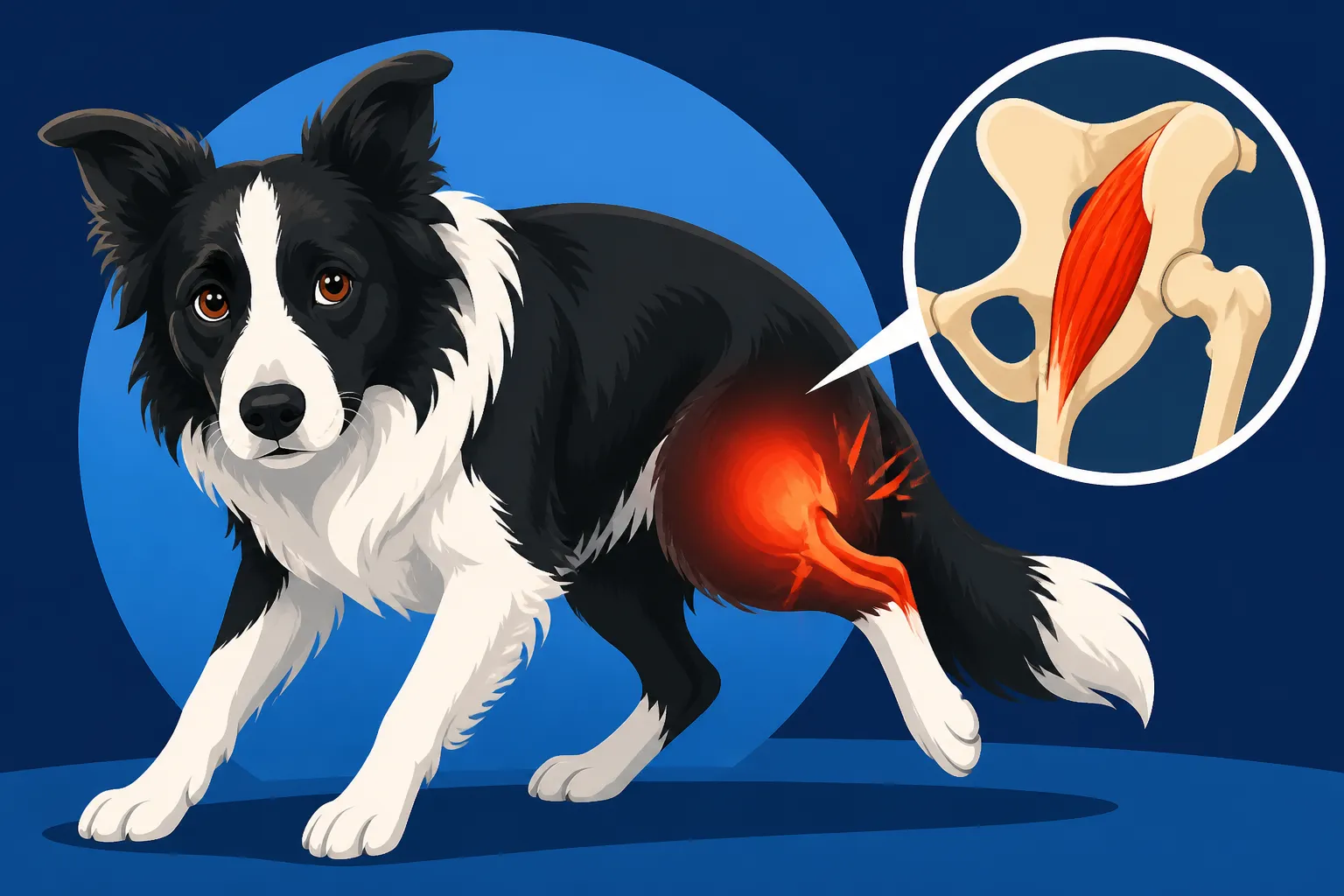
Iliopsoas Strain in a Border Collie
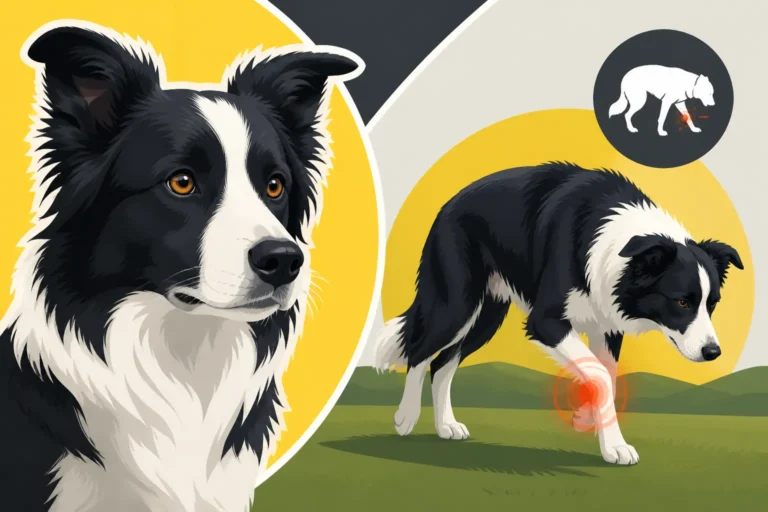
It's incredibly frustrating when your active, driven Border Collie suddenly starts lagging, especially when you notice them slowing on those sharp turns or hesitant to launch into their usual high-flying antics. This subtle change can be a real worry, making you wonder if it's just age, a minor tweak, or something more serious. This comprehensive guide is here to shed light on iliopsoas strain, a surprisingly common but often tricky to diagnose muscle injury in our athletic Border Collies, helping you understand, recognize, and manage this condition so your dog can get back to doing what they love.
Understanding the Iliopsoas Muscle Group
The iliopsoas muscle isn't just one muscle; it's a powerful team, specifically two muscles—the iliacus and the psoas major—that work in tandem. Imagine the engine of a finely tuned performance car; that's what these muscles are to your Border Collie. They're tucked deep within the lower back and pelvis, attaching to the lumbar spine and extending down to the inner thigh bone. Because of their location and function, they play a crucial role in almost every dynamic movement your dog makes, particularly in high-intensity activities.
Anatomy and Function in Border Collies
Let's get a bit technical for a moment, but I promise it'll be worth it. The psoas major muscle originates from the lumbar vertebrae, those bony segments in your dog's lower back, and extends downwards. The iliacus muscle, on the other hand, comes from the inner surface of the pelvis. Both of these muscles then merge into a common tendon that attaches to the lesser trochanter of the femur – a small bump on the inside of the upper thigh bone.
Together, their primary function is to flex the hip joint, which means bringing the thigh up towards the belly. Think about your Border Collie sitting, or even just lifting a leg to scratch behind an ear – that's the iliopsoas at work. But they do so much more than that. They also help with external rotation of the hip, stabilizing the spine, and even contributing to lateral flexion of the trunk. Because of their deep location, they're often overlooked, but their impact on movement is profound. When these muscles are strong and healthy, they allow for fluid, powerful motion. When they're injured, it can throw off your dog's entire biomechanics.
The Role of Iliopsoas in Agility and Herding
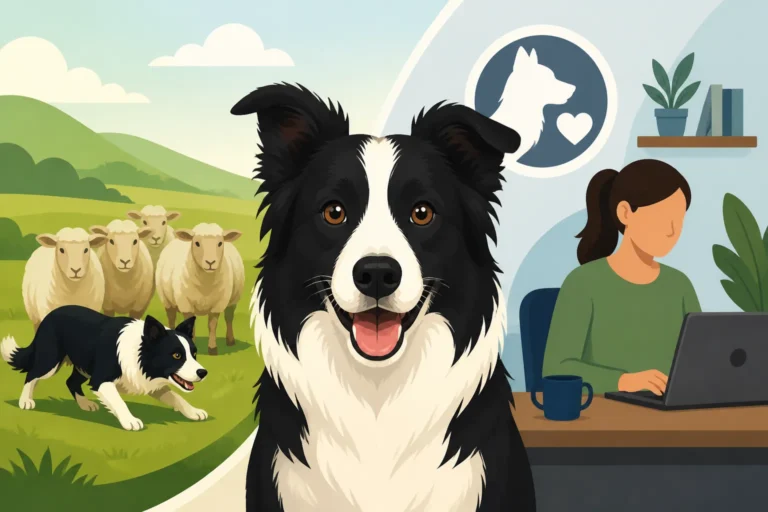
For a breed like the Border Collie, known for its incredible athleticism, speed, and agility, the iliopsoas muscles are constantly under demand. Think about a dog tearing around an agility course, weaving through poles, launching over jumps, or making tight turns. Every single one of those actions heavily relies on the strong, coordinated flexion and rotation provided by the iliopsoas. When your dog collects themselves before a jump, coils to weave, or pivots on a dime to change direction, these muscles are firing intensely.
Similarly, in herding, where sharp turns, sudden stops, and bursts of speed are the norm, the iliopsoas is paramount. A Border Collie needs to be able to "grip" the ground and turn with incredible force and precision to control stock. The explosive power for a sudden sprint or a quick flank depends heavily on the health of this muscle group. When an iliopsoas strain occurs, you often notice a decline in these specific, high-demand movements. The drive might still be there, but the body can't keep up with the demands, leading to a visible decrease in performance or an unwillingness to perform certain tasks that require full hip flexion. This often manifests as a reluctance to engage in fast, tight turns, a key indicator for many handlers that something is amiss.
Common Causes and Risk Factors for Iliopsoas Strain
Iliopsoas strain often creeps up insidiously, a product of cumulative stress rather than a single dramatic event. However, it can also be the result of one unfortunate misstep. Understanding the root causes and what makes your Border Collie more susceptible can be key to prevention and early intervention. It's not always about a grand, visible trauma, but sometimes the repetitive nature of their daily lives.
Sudden Movements and Repetitive Strain
One of the most frequent culprits behind iliopsoas strain is the combination of sudden, powerful movements with repetitive stress. Imagine your Border Collie in full flight during a game of fetch, suddenly skidding to a halt to grab the ball, or launching into a powerful jump to catch a disc. These actions involve extreme hip extension followed by rapid, forceful hip flexion, putting immense stress on the iliopsoas. Similarly, the tight turns and quick directional changes inherent in agility, flyball, or herding work are classic triggers. Each quick pivot or abrupt stop can micro-tear the muscle fibers. Over time, these small tears accumulate, leading to inflammation, pain, and eventually a full-blown strain.
It's not just the intensity, but the repetition. A Border Collie that engages in vigorous activities several times a week, without adequate rest or proper conditioning, is essentially predisposing itself to this type of injury. Think of it like a human athlete who suddenly ramps up their training without proper preparation – the body simply isn't ready for the load. The drive to work, inherent in the Border Collie, often means they push themselves past their physical limits if we don't manage their activity carefully. This is why you might notice your dog developing The Limp That Shows Up After a Border Collie Works after a particularly strenuous session.
Predisposing Factors and Conformation
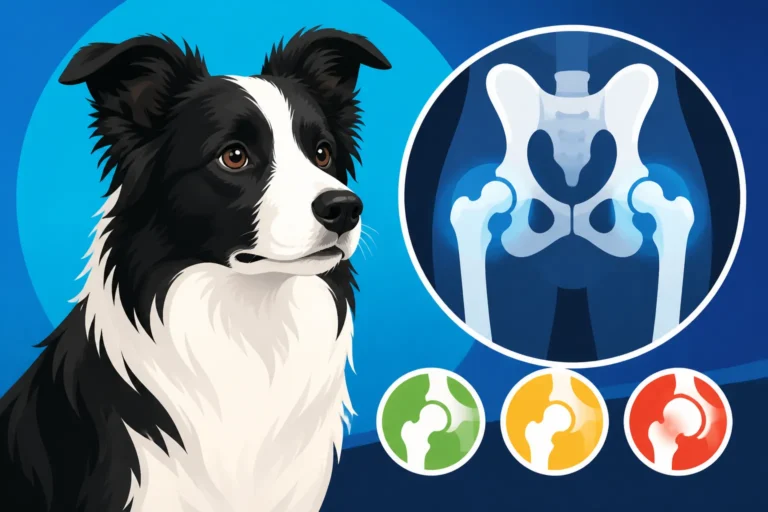
While any active dog can suffer from an iliopsoas strain, certain factors can make a Border Collie more prone to it. Conformation, the physical structure and arrangement of a dog's bones and muscles, plays a significant role. Dogs with certain hip structures, for example, might put more stress on the iliopsoas. Conditions like mild Hip Dysplasia in a Border Collie That Runs All Day can alter a dog's gait and how they distribute weight, forcing the iliopsoas to overcompensate and work harder, making it more susceptible to strain. Similarly, issues with the spine or pelvis can affect the muscle's biomechanics.
Age can also be a factor. Younger dogs might be at risk due to exuberance and underdeveloped musculature, while older dogs, perhaps those approaching Osteoarthritis in a Border Collie by Eight, might have muscles and tendons that are less elastic and more prone to injury. Lack of proper warm-up before intense exercise, insufficient cool-down, or an inadequate strength and conditioning program are all major predisposing factors. Even something as seemingly minor as being overweight can place extra strain on these crucial muscles, increasing the risk of injury during activity.
The "Weekend Warrior" Syndrome
This is a scenario many of us Border Collie owners can relate to, even if we don't always realize it. The "weekend warrior" syndrome describes dogs that have relatively low-level activity during the week but then engage in extremely strenuous, high-impact activities on the weekends. For example, a Border Collie might have leisurely walks and some mental games during the week while their owner is at work, but then spend six hours on a Saturday running a demanding agility trial or herding sheep for the better part of a day.
This feast-or-famine approach to exercise doesn't allow the iliopsoas muscles, or any muscles for that matter, to properly condition and strengthen for the demands placed upon them. The body simply isn't prepared for such an intense workload after a period of relative inactivity. This fluctuating intensity can lead to repeated micro-trauma and inflammation, setting the stage for a chronic iliopsoas strain. Consistent, appropriate conditioning, gradually increasing intensity, and allowing for proper recovery are vital to prevent this syndrome from leading to injury in our eager Border Collies.
Recognizing the Signs and Symptoms
Identifying iliopsoas strain can be a bit like piecing together a puzzle. The symptoms are often subtle at first and can easily be mistaken for other issues. Our Border Collies, with their incredible drive, are also masters at masking pain, pushing through discomfort to please us. This makes careful observation and understanding of their normal movement patterns absolutely essential for early detection.
Subtle Changes in Gait and Performance
The first indicators of an iliopsoas strain are rarely dramatic. You might not see a sudden, obvious limp, but rather a slight alteration in your dog's usual fluid movement. Watch for a shortened stride in the hind legs, particularly when trotting or cantering. They might hesitate to fully extend their leg backward or bring it forward, resulting in a somewhat "choppy" gait. One of the classic signs, and why this topic often comes up, is a noticeable slowdown or awkwardness in turns. If your Border Collie, usually a master of pivots, starts to widen their turns or becomes less enthusiastic about them, it's a huge red flag.
You might also observe a decrease in their jumping height or enthusiasm, or a reluctance to perform certain agility obstacles like the A-frame or dog walk, which require significant hind-end power and control. In herding, they might not "drive" the stock with the same force or be less willing to flank wide. After a period of rest, especially in the morning, they might appear stiff. These subtle shifts in performance, often dismissed as "just getting older" or "a bit tired," are crucial clues that warrant further investigation. These changes might also signal other issues, like Shoulder Injuries in an Agility Border Collie or even early signs of Cruciate Tears in a Border Collie, so a thorough assessment is always needed.
Pain on Palpation and Specific Movements
When an iliopsoas strain is present, your Border Collie will often exhibit pain when the affected muscle group is palpated (gently pressed). This requires a skilled hand, as the muscles are deep-seated. However, a veterinarian or experienced canine physiotherapist will know how to isolate and assess them. They might feel a taut band within the muscle or elicit a pain response when pressing on specific points in the inner thigh or groin area. Your dog might flinch, pull away, or vocalize softly.
Beyond direct palpation, specific movements designed to stretch or contract the iliopsoas will often trigger a pain response. These include:
- Hip Extension: Extending the hip backward while keeping the knee straight. This stretches the iliopsoas significantly.
- Hip Flexion against Resistance: Trying to bring the knee to the chest while resistance is applied.
- Spinal Extension: Arching the back, as this can also stretch the iliopsoas.
If your dog yelps, shies away, or actively resists these movements, it's a strong indicator of iliopsoas involvement. Observing these reactions at home, even if you're not a vet, can provide valuable information to share with your professional team.
Differentiating from Other Common Lameness Issues
This is where iliopsoas strain gets tricky because its symptoms can mimic a host of other common musculoskeletal problems in Border Collies. It's not uncommon for an iliopsoas issue to be misdiagnosed initially as something else, prolonging discomfort for your dog.
Here's a quick comparison of why it's often confused and what distinguishes it:
| Condition | Common Symptoms | Key Differentiators for Iliopsoas Strain |
|---|---|---|
| Hip Dysplasia | Bunny hopping, reluctance to jump, pain in hips, lameness in one or both hind legs | Often more diffuse hip pain; iliopsoas pain is often very focal to the muscle. |
| Cruciate Ligament Injury | Sudden, acute lameness, non-weight bearing, "toe-touching" gait, swelling in knee | Primarily knee instability and pain; iliopsoas affects hip flexion. |
| Spinal Issues (e.g., IVDD) | Back pain, neurological deficits, hind limb weakness, ataxia | Iliopsoas is muscular; spinal issues often involve nerve compression. |
| Gluteal Strain | Pain in the hindquarters, reluctance to jump/climb stairs, lameness in hind limb | Gluteal pain is higher up, more lateral; iliopsoas pain is deep, more ventral. |
| Hamstring Strain | Lameness, swelling, pain in the back of the thigh | Hamstrings affect knee flexion and hip extension; iliopsoas is hip flexor. |
A veterinarian specializing in sports medicine or orthopedics is often the best person to unravel these complexities. They have the expertise to perform specific orthopedic tests that can help isolate the pain source. Don't be afraid to seek out Whether a Border Collie Needs a Sports Vet if your regular vet is struggling to pinpoint the problem.
Diagnosis and Veterinary Assessment
When you suspect an iliopsoas strain, getting an accurate diagnosis is paramount. Because the symptoms can be vague and mimic other conditions, a thorough and systematic approach from your veterinary team is crucial. It’s not just about finding a problem, but finding the problem.
The Importance of a Thorough Physical Exam
The diagnostic journey for iliopsoas strain almost always begins with a comprehensive physical and orthopedic examination by your veterinarian. They'll start by observing your Border Collie's gait and posture, noting any subtle lameness, asymmetry, or changes in how they carry themselves. This might include watching them walk, trot, turn, and even perform specific movements you've observed cause discomfort.
Next, a hands-on palpation is critical. As mentioned earlier, the iliopsoas muscles are deep, but a skilled vet can often identify tenderness, asymmetry, or muscle tightness in the lower back, groin, and inner thigh regions. They will also perform range-of-motion tests on the hips, knees, and spine, looking for pain, stiffness, or decreased flexibility, particularly when extending the hip. Your vet will also rule out other common issues by checking for things like patellar luxation, Elbow Dysplasia and the Border Collie Forelimb, or hip joint pain that could be originating from the joint itself rather than the muscle. Don't underestimate the power of a good, old-fashioned physical exam; it lays the groundwork for any further diagnostics.
Imaging Techniques: Ultrasound and MRI
While the physical exam can strongly suggest an iliopsoas strain, confirming the diagnosis and assessing the severity often requires advanced imaging. Radiographs (X-rays) are usually not helpful for visualizing soft tissue injuries like muscle strains directly, but they can be useful for ruling out bone abnormalities, fractures, or significant joint disease that might be contributing to the pain.
The gold standard for diagnosing iliopsoas strain is typically ultrasound or MRI (Magnetic Resonance Imaging).
- Ultrasound: This is often the first imaging choice because it's non-invasive, relatively quick, and can be performed with minimal sedation. A high-resolution ultrasound can visualize the muscle fibers, identify areas of inflammation, tearing, or fibrosis (scar tissue). It allows for dynamic assessment, meaning the vet can move the leg while scanning to see how the muscle responds. It's excellent for pinpointing the exact location and extent of the strain.
- MRI: This offers an even more detailed view of soft tissues, including muscles, tendons, ligaments, and nerves. MRI provides exquisite cross-sectional images that can reveal subtle tears, edema (swelling), hemorrhage, and chronic changes within the iliopsoas complex. It's particularly useful for complex cases, chronic injuries, or when the diagnosis remains unclear after ultrasound. However, MRI requires general anesthesia, making it a more involved and costly procedure.
These imaging techniques allow your vet to confirm the diagnosis, grade the severity of the strain (from mild to severe tear), and develop the most appropriate treatment plan tailored to your Border Collie's specific injury.
Referral to a Sports Medicine Vet
Given the complexity of canine musculoskeletal injuries, especially in highly athletic breeds like Border Collies, your primary veterinarian might recommend a referral to a board-certified veterinary sports medicine specialist or an orthopedic surgeon. These specialists have advanced training and experience in diagnosing and treating athletic injuries. They have access to specialized equipment, rehabilitation facilities, and often work closely with canine physical therapists.
A sports medicine vet can offer:
- Expert Diagnostic Skills: Their extensive experience with these types of injuries means they are often more adept at identifying subtle signs and performing precise diagnostic tests.
- Advanced Imaging Interpretation: They are highly skilled in interpreting complex ultrasound and MRI images.
- Tailored Treatment Plans: They can devise comprehensive rehabilitation programs that incorporate physical therapy, targeted medications, and potentially advanced interventions like therapeutic injections.
- Long-Term Management Strategies: They can help you develop strategies to prevent recurrence and safely return your Border Collie to their activity, whether it's herding, agility, or just enthusiastic play.
Seeking a specialist's opinion, especially for a condition that can be difficult to diagnose and manage, can make a significant difference in your Border Collie's recovery and long-term health. It might even be covered by your pet insurance like Healthy Paws, which can alleviate some of the financial burden of specialized care.
Treatment Approaches for Iliopsoas Strain
Once an iliopsoas strain is accurately diagnosed, the focus shifts to treatment and rehabilitation. The approach will vary depending on the severity of the strain, whether it's acute or chronic, and your Border Collie's overall health and lifestyle. The goal is always to reduce pain, promote healing, restore full function, and prevent recurrence.
Conservative Management: Rest and Medication
For most acute iliopsoas strains, especially mild to moderate ones, conservative management is the first line of treatment. This typically involves:
- Strict Rest: This is non-negotiable. "Rest" doesn't just mean no intense activity; it often means leash walks only, no jumping, no running, no stairs, and certainly no off-leash play for several weeks. The exact duration will depend on the severity of the strain, but it's crucial to give the muscle time to heal without further aggravation. This can be challenging for a high-drive Border Collie, but it's vital for recovery. You might need to explore mental enrichment activities like puzzle toys or gentle scent games to keep their minds engaged without putting stress on the body.
- Anti-Inflammatory Medications: Non-steroidal anti-inflammatory drugs (NSAIDs) such as carprofen (Rimadyl), meloxicam (Metacam), or firocoxib (Previcox) are commonly prescribed to reduce pain and inflammation. Your vet will determine the appropriate dosage and duration. It's crucial to follow their instructions carefully, as NSAIDs can have side effects, especially with long-term use.
- Muscle Relaxants: In some cases, muscle relaxants like methocarbamol might be used, especially if the muscle is in spasm, to help reduce discomfort and promote relaxation.
- Pain Management: Beyond NSAIDs, other pain medications like gabapentin may be prescribed to manage neuropathic pain or as an adjunct for severe pain.
It’s important to understand that medication helps manage symptoms, but rest is what allows the muscle to actually heal. Rushing the rest period can easily lead to re-injury or the development of a chronic problem, which is much harder to treat.
Rehabilitation and Physical Therapy
Once the initial acute pain and inflammation have subsided (usually after the prescribed rest period), rehabilitation and physical therapy become critical for a full and lasting recovery. This is not a "nice-to-have" but an essential component, especially for an athletic breed like the Border Collie. A certified canine rehabilitation therapist will design a tailored program that progressively strengthens the muscle, improves flexibility, and restores proper biomechanics.
Rehabilitation often includes:
- Therapeutic Exercises: These start with passive range of motion exercises and progress to controlled active exercises like gentle walks, balance board work, core strengthening, and specific stretches to improve iliopsoas flexibility and strength.
- Modalities:
- Cold Laser Therapy (Low-Level Laser Therapy): Can help reduce pain and inflammation and promote tissue healing.
- Therapeutic Ultrasound: Different from diagnostic ultrasound, this uses sound waves to create heat deep within tissues, improving circulation and flexibility.
- Neuromuscular Electrical Stimulation (NMES): Helps to re-educate muscles and reduce atrophy during periods of rest.
- Massage and Manual Therapy: To release muscle tension and improve circulation.
- Hydrotherapy: Underwater treadmill therapy is particularly beneficial. The buoyancy of the water reduces weight-bearing stress on the joints and muscles, allowing the Border Collie to exercise and strengthen their iliopsoas in a controlled, low-impact environment. The resistance of the water also aids in building muscle.
The progression through rehabilitation is gradual, carefully monitored, and adjusted based on your dog's response. This structured approach helps ensure that the muscle heals correctly and your Border Collie regains full strength and flexibility before returning to full activity. This kind of specialized care can come with costs, so having a pet insurance plan like Healthy Paws can be a real lifeline, covering a significant portion of these Physiotherapy Costs for a Sport Border Collie.
Advanced Interventions: Injections and Surgery
For chronic iliopsoas strains, those that don't respond to conservative management and rehabilitation, or for severe tears, more advanced interventions might be considered.
- Therapeutic Injections:
- Corticosteroid Injections: Steroids can be injected directly into the iliopsoas muscle or surrounding tissues to powerfully reduce localized inflammation and pain. These are typically done under ultrasound guidance to ensure precise placement. While effective, they are not a long-term solution and typically require careful follow-up with rehabilitation.
- Platelet-Rich Plasma (PRP) Therapy: PRP involves drawing your dog's blood, concentrating the platelets (which contain growth factors), and injecting them back into the injured muscle. The growth factors are believed to accelerate tissue healing and regeneration.
- Stem Cell Therapy: Similar to PRP, this involves injecting stem cells (often derived from fat tissue or bone marrow) into the injured area to promote healing and reduce inflammation.
- Surgery: Surgical intervention for iliopsoas strain is rare and typically reserved for very severe cases, such as a complete tear of the tendon or chronic, debilitating inflammation that hasn't responded to any other treatment. The most common surgical procedure is a tenectomy or tenotomy, where the affected part of the iliopsoas tendon is cut to release tension and alleviate chronic pain. This is a last resort, as it permanently alters the muscle-tendon unit. Post-surgical rehabilitation is extensive and crucial for recovery.
These advanced treatments are often performed by veterinary specialists and involve significant costs, again highlighting the value of a robust pet insurance policy from providers like Healthy Paws, especially when facing a complex condition that might require various stages of care.
Prevention and Long-Term Management
Preventing iliopsoas strain, or at least minimizing its recurrence, is far more effective than constantly treating it. For Border Collies, who are inherently driven athletes, this involves a holistic approach that balances their natural desire to work with smart, proactive care. It's about maintaining a strong, flexible body and being attuned to their needs.
Warm-Up, Cool-Down, and Conditioning Programs
Just like human athletes, Border Collies need proper preparation and recovery protocols to protect their muscles and joints. This is arguably the most crucial aspect of prevention:
- Warm-Up: Before any intense activity (herding, agility, long runs, competitive obedience), your Border Collie needs a 5-10 minute warm-up. This should involve a brisk walk or light trot, followed by dynamic stretches. Dynamic stretches are movements that take the joints through their full range of motion, like gentle leg swings or walking over cavaletti poles. This increases blood flow to the muscles, improves elasticity, and prepares them for work. Skipping this step is a common mistake that can lead to injuries like iliopsoas strain.
- Cool-Down: After intense activity, a 5-10 minute cool-down is equally important. This should include a slow walk to bring their heart rate down, followed by passive static stretches. Hold each stretch for 15-30 seconds, never forcing it. This helps to remove metabolic waste products from the muscles, maintain flexibility, and reduce post-exercise soreness and stiffness.
- Consistent Conditioning: A year-round conditioning program, even during the off-season, is essential. This doesn't mean constant high-impact work, but rather a mix of activities that build core strength, balance, flexibility, and cardiovascular fitness. This can include regular swimming, structured walks on varied terrain, balance exercises (e.g., on wobble boards or fitness peanuts), and controlled strength-building exercises. Remember, a fitter dog needs a specific fitness regimen; otherwise, Why a Fitter Border Collie Needs More attention to conditioning to prevent injury.
Environmental Modifications and Training Adjustments
Making smart adjustments to your dog's environment and training regimen can significantly reduce the risk of iliopsoas strain:
- Surface Awareness: Be mindful of the surfaces your Border Collie works on. Hard, uneven surfaces like concrete or very slick floors can increase the impact and risk of slipping, stressing the iliopsoas. Opt for softer, more forgiving surfaces when possible, like grass, dirt, or rubber matting, especially for agility or high-impact play.
- Controlled Training: While Border Collies love to go full-throttle, structured training should incorporate controlled starts, stops, and turns. Teach your dog to turn smoothly and collect themselves rather than making abrupt, jarring pivots. This builds strength and body awareness, reducing the likelihood of overstraining the muscle. Avoid endless, repetitive "ball-chasing" sessions that involve sudden stops and starts, as these are prime culprits for iliopsoas injuries. Integrate varied activities rather than just one repetitive action.
- Obstacle Height and Approach: If your Border Collie does agility, ensure jumps are set at appropriate heights and that they are not repeatedly performing awkward or off-balance take-offs and landings. Proper technique coaching can make a huge difference in reducing strain on the iliopsoas and other crucial muscles involved in Sport Injuries a Border Collie Picks Up.
- Home Environment: Ensure your home environment doesn't put unnecessary strain on your dog. Provide ramps for cars or high furniture if jumping is difficult. Use rugs on slippery floors to prevent falls.
Recognizing Early Warning Signs to Prevent Recurrence
Even with the best preventive measures, injuries can happen. The key to preventing a minor strain from becoming a chronic, debilitating issue is to recognize and act on early warning signs. You know your Border Collie best – you're the first line of defense.
- Subtle Behavior Changes: Is your dog less enthusiastic about their favorite activities? Are they hesitating before jumping into the car or onto the couch? Are they generally a bit "off" or quieter than usual after exercise?
- Changes in Movement: Are their turns wider, their jumps lower, or their gait slightly altered? Do they favor one hind leg even subtly? Are they slower to get up after resting?
- Unusual Stiffness or Tenderness: Gently palpate your dog's lower back, groin, and inner thigh area after exercise. Is there any new tenderness, warmth, or swelling?
- Licking or Chewing: Is your dog excessively licking or chewing their inner thigh, flank, or lower back area? This can be a sign of pain or discomfort.
If you notice any of these signs, don't wait. Consult your veterinarian promptly. Early intervention for an iliopsoas strain means a quicker, less complicated recovery and a higher chance of preventing a more severe, chronic problem. Ignoring early signs means the problem will likely worsen, potentially leading to a longer layoff and more intensive treatment. Regular check-ups with your vet, and perhaps even a sports massage therapist or chiropractor, can also help identify areas of tightness or imbalance before they develop into full-blown injuries.
Disclaimer
The information provided in this article is for educational and informational purposes only and does not constitute veterinary advice. Always consult with a qualified veterinarian for any health concerns or before making any decisions related to your pet's health and treatment.