Cobalamin Malabsorption in a Border Collie
It's incredibly disheartening when your energetic, whip-smart Border Collie starts showing signs of being "off"—perhaps they're not thriving, their coat looks dull, or they're just not gaining weight despite your best efforts. These vague symptoms can be incredibly frustrating, leaving you wondering if it's a pickiness problem, a stress issue, or something more serious. This guide is dedicated to shedding light on one such elusive condition: cobalamin malabsorption, or B12 deficiency, in Border Collies, helping you understand its origins, recognize its subtle signs, and navigate the path to effective management so your beloved dog can get back to their vibrant self.
Understanding Cobalamin Malabsorption in Border Collies
Cobalamin malabsorption, often referred to as selective intestinal cobalamin malabsorption, is a metabolic disorder that prevents a dog's body from properly absorbing vitamin B12 (cobalamin) from their diet. While various breeds can be affected by B12 deficiencies due to different underlying causes, Border Collies, along with several other breeds like Giant Schnauzers and Beagles, are known to have a specific, inherited form of this condition. It's not just about getting enough B12 in their food; it's about their digestive system being unable to utilize it, leading to a cascade of health issues.
The Role of Cobalamin Vitamin B12 in Canine Health
Think of cobalamin as a tiny, yet mighty, powerhouse for your Border Collie's body. This essential vitamin is a water-soluble nutrient that plays a crucial role in countless metabolic processes. Without adequate B12, cells can't properly metabolize fats and carbohydrates, and protein synthesis—the building blocks for everything from muscle to hair—becomes inefficient. Most notably, B12 is absolutely vital for the formation of red blood cells, ensuring oxygen is delivered efficiently throughout the body. It's also indispensable for a healthy nervous system, contributing to nerve function and the maintenance of the myelin sheath that protects nerve fibers. When your Border Collie is deficient, every system in their body can feel the impact, leading to a host of seemingly unrelated problems that can baffle owners and even veterinarians initially.
The Genetics Behind This Specific Border Collie Condition
For Border Collies, cobalamin malabsorption isn't just a random dietary issue; it's often rooted in their genetic makeup. This particular form of malabsorption is an autosomal recessive inherited disorder, meaning a puppy must inherit two copies of the faulty gene—one from each parent—to be affected by the condition. Dogs that inherit only one copy are considered carriers; they won't typically show symptoms themselves but can pass the gene on to their offspring. The specific gene identified in Border Collies is associated with a protein responsible for transporting cobalamin across the intestinal wall. Without a properly functioning version of this gene, the intestinal cells simply cannot absorb B12, regardless of how much is consumed. This is why understanding The Border Collie Genetic Panel and What It Screens is so crucial for breeders and prospective puppy buyers. Reputable breeders will often run genetic tests on their breeding stock to ensure they aren't inadvertently perpetuating conditions like this.
How the Malabsorption Process Works
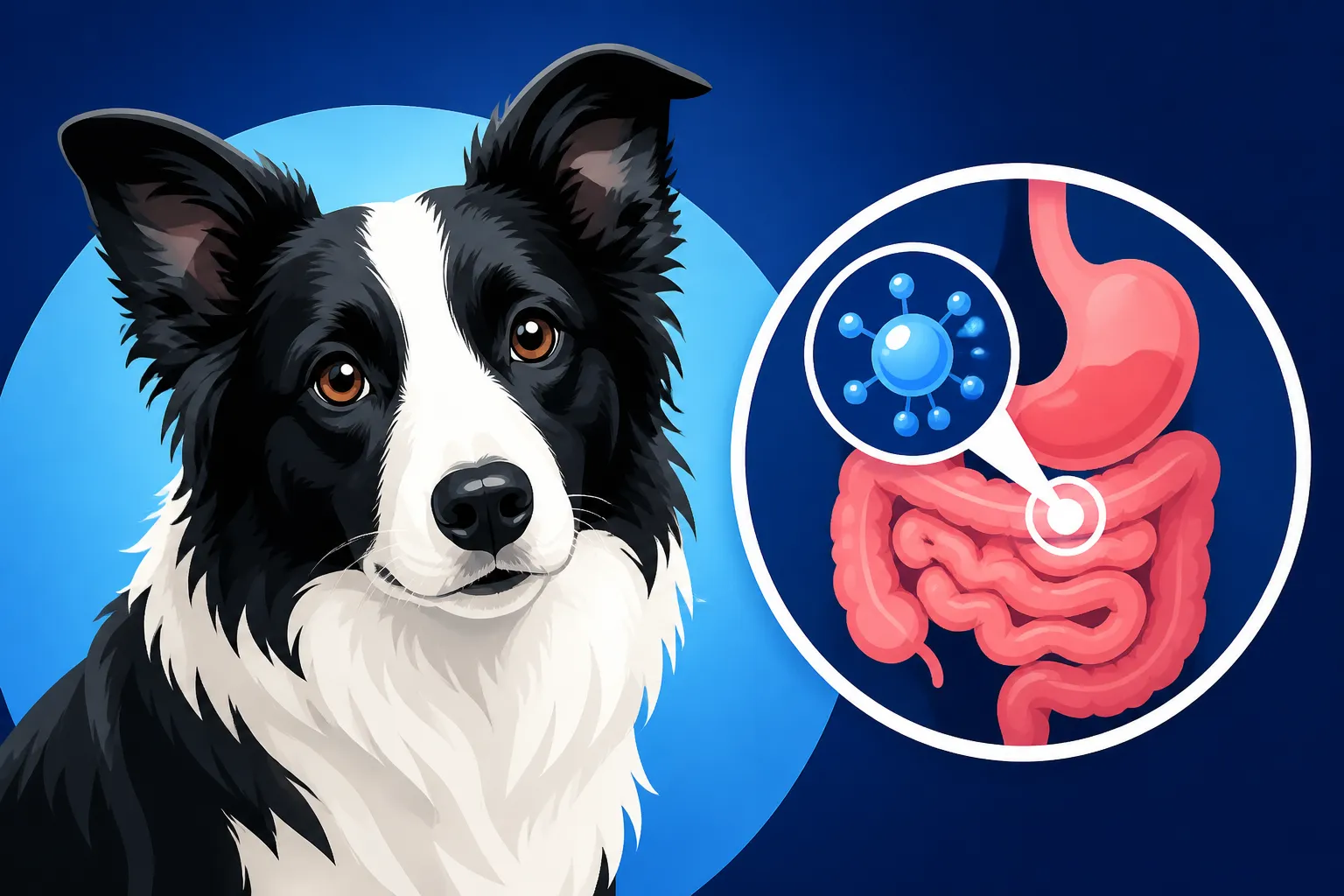
In a healthy dog, when they eat food containing B12, the vitamin travels to the stomach, where it binds with a protein called intrinsic factor. This complex then moves to the small intestine, specifically the ileum, where specialized receptors on the intestinal lining absorb the B12-intrinsic factor complex. For a Border Collie with selective intestinal cobalamin malabsorption, the problem lies in these receptors or the transport mechanisms within the intestinal cells. Even if there's plenty of intrinsic factor and dietary B12, the intestinal cells can't properly recognize or pull the B12 into the bloodstream. It's like having a key but the lock is broken. This means the B12 just passes through the digestive system and is excreted, never reaching the cells that desperately need it to function. This impaired absorption directly leads to a systemic B12 deficiency, impacting red blood cell production, neurological function, and overall metabolic health.
Recognizing the Signs and Symptoms
Identifying cobalamin malabsorption can be tricky because the symptoms are often non-specific and can mimic other gastrointestinal or metabolic issues. Owners are usually the first to notice that something just isn't quite right with their otherwise vibrant Border Collie. It's important to pay close attention to any subtle changes in their behavior, appetite, or physical condition, especially during their growth phase. The onset of symptoms typically occurs in puppyhood or adolescence, often between 6 weeks and 6 months of age, but sometimes even later.
Gastrointestinal Manifestations
One of the most common ways How a Cobalamin-Deficient Border Collie Presents is through ongoing digestive upset. This isn't just a one-off tummy ache; it's a persistent, sometimes severe, problem. You might see your Border Collie suffering from chronic diarrhea, which can range from soft stools to watery explosive episodes. Vomiting can also be a recurring issue, making it hard for them to keep food down and absorb any nutrients. Beyond the obvious, weight loss or a failure to gain weight at a healthy rate is a huge red flag, especially in a growing puppy that should be full of energy and rapidly putting on mass. They might have a noticeably poor appetite or simply not be as enthusiastic about food as a typical Border Collie. Over time, a dull, dry, or sparse coat can develop due, in part, to the body's inability to properly synthesize proteins for hair growth, making their usually lush fur look lacklustre.
Neurological and Developmental Red Flags
The impact of B12 deficiency isn't limited to the gut. Since cobalamin is vital for a healthy nervous system, neurological symptoms can also emerge, though they are often less common than the gastrointestinal signs. Affected Border Collies might display a lack of coordination, seeming clumsy or unsteady on their feet. In some cases, a general weakness or lethargy can be observed, with the dog just not having the same drive or endurance you'd expect from the breed. More severely affected individuals might show seizures, though this is rare and often points to a very profound, prolonged deficiency. Developmentally, puppies might be noticeably smaller than their littermates, fail to thrive, and have a generally stunted appearance, never quite catching up in size or vigor. This failure to grow can be particularly concerning for owners who expect their Border Collie puppy to be a bundle of energy and robust health.
Subtle Changes That Owners Often Miss
Sometimes, the signs are much more subtle and can be easily dismissed as quirks or "just how that dog is." For instance, a Border Collie puppy that is less playful or active than its siblings, even if not overtly lethargic, might be showing early signs. A picky eater who suddenly becomes even pickier, or one who always seems to have a slightly upset stomach but never gets truly sick, could be trying to tell you something. They might appear generally unthrifty, meaning they just don't look as robust or healthy as they should, perhaps with a dull eye or lack of zest. Behavioral changes, such as increased anxiety or a noticeable drop in their typical Border Collie drive and focus, could also be connected. Because these dogs are so intelligent and driven, even a slight dip in their cognitive function or enthusiasm for work or play can be a quiet indicator that something metabolic is amiss. It truly takes an observant owner to connect these dots and push for answers.
The Diagnostic Journey: Confirming Cobalamin Malabsorption
When you notice these perplexing symptoms in your Border Collie, your veterinarian will embark on a diagnostic journey to pinpoint the exact cause. It's a process of elimination and specific testing, as many conditions can present with similar signs. Don't be discouraged if it takes a few steps; finding the root cause is essential for effective treatment.
Initial Bloodwork and Key Indicators
The first step usually involves a comprehensive physical exam and routine bloodwork. Your vet will likely order a complete blood count (CBC) and a biochemistry panel. The CBC might reveal anemia (a low red blood cell count), which is a common consequence of B12 deficiency, as cobalamin is critical for red blood cell production. The red blood cells might also appear larger than normal (macrocytic anemia), another classic sign of B12 deficiency. The biochemistry panel generally assesses organ function and can sometimes show non-specific changes, but primarily it helps rule out other causes of illness. For instance, abnormal liver or kidney values would point to different issues. However, with cobalamin malabsorption, these initial tests often give clues that, while not definitive, strongly suggest a metabolic problem and guide the vet towards more specific B12 testing. Keep in mind, this initial bloodwork is a crucial baseline for your dog's overall health. You might be interested in learning more about Yearly Bloodwork for a Border Collie to understand other important health markers.
Specific Testing for Cobalamin Levels and Genetic Confirmation
Once the initial bloodwork points in the right direction, your vet will likely recommend a specific serum cobalamin level test. This test measures the amount of B12 circulating in your dog's bloodstream. A significantly low result, especially when combined with elevated methylmalonic acid (MMA) and homocysteine levels (which are indirect markers that accumulate when B12 is deficient), is highly indicative of cobalamin malabsorption. However, for a Border Collie, there's another powerful tool: genetic testing. Because this form of malabsorption is hereditary, a simple DNA test, usually done with a cheek swab, can identify if your dog carries two copies of the faulty gene. This test is definitive for confirming the genetic predisposition and is often included in comprehensive What a Border Collie DNA Panel Costs. It's incredibly valuable for confirming the diagnosis and for informing future breeding decisions, helping to prevent the spread of the condition. You can read more about Which DNA Tests a Border Collie Breeder Should Have Run for a broader perspective.
Ruling Out Other Conditions with Similar Symptoms
It's critical for your vet to rule out other conditions that present similarly before a definitive diagnosis of cobalamin malabsorption. Chronic gastrointestinal upset and failure to thrive can be symptoms of many other diseases. For example, inflammatory bowel disease (IBD), exocrine pancreatic insufficiency (EPI), intestinal parasites, food allergies, or even certain bacterial overgrowths can all lead to malabsorption and similar clinical signs. Your vet might suggest further diagnostic tests such as fecal analyses, dietary trials, pancreatic function tests, or even endoscopic biopsies of the intestinal lining to differentiate between these possibilities. This thorough approach ensures that your Border Collie receives the most accurate diagnosis and, therefore, the most appropriate and effective treatment plan, saving you and your dog from unnecessary interventions or prolonged suffering.
Managing the Condition: Treatment and Ongoing Care
Receiving a diagnosis of cobalamin malabsorption might feel overwhelming at first, but the good news is that it's a manageable condition. While there's no cure for the genetic defect itself, the symptoms can be effectively controlled, allowing your Border Collie to live a full and healthy life. The key is consistent, lifelong supplementation and attentive monitoring.
The Lifelong Commitment to Cobalamin Supplementation
The cornerstone of treating cobalamin malabsorption in Border Collies is, unsurprisingly, supplementing with cobalamin. Since their intestines can't absorb it from food, the B12 must bypass the digestive tract. This is primarily achieved through injections. Initially, your vet will likely prescribe a series of B12 injections, often weekly for several weeks, to rapidly replenish your dog's depleted stores. Many owners are apprehensive about giving injections, but your veterinary team will show you exactly how to administer them subcutaneously (under the skin) at home, making it a quick and relatively painless process. Once levels are stabilized, the frequency of injections can often be reduced to once a month, or sometimes even every two to three months, depending on your dog's individual response. Oral supplementation is typically ineffective for genetically affected Border Collies due to the inherent absorption issue, but some vets might explore high-dose oral options in very specific circumstances. However, for most, injections are the gold standard for providing B12 Injections for a Border Collie With IGS (a similar condition, though the term IGS specifically refers to Imerslund-Gräsbeck Syndrome, the human equivalent often used in canine discussions).
Dietary Adjustments and Supporting Gut Health
While B12 injections are non-negotiable, diet still plays a crucial supporting role. Even with proper B12 levels, a dog with chronic gastrointestinal issues might benefit from a highly digestible, good-quality diet. Your vet might recommend a prescription gastrointestinal diet, which is typically low in fat and contains prebiotics or probiotics to support a healthy gut microbiome. For some Border Collies, a novel protein source or a hydrolyzed protein diet might be beneficial if there are underlying food sensitivities complicating the picture. Feeding smaller, more frequent meals can also help reduce the burden on the digestive system. It’s a bit of a balancing act, as you want to provide easily absorbable nutrients without aggravating any lingering gut inflammation. Always discuss any significant dietary changes with your vet, especially if your Border Collie is still a growing puppy. Good nutrition is paramount, particularly when considering Feeding a Border Collie Puppy Through Fifteen Months.
Monitoring Progress and Adjusting Treatment Plans
Regular follow-up appointments and monitoring are vital to ensure the treatment plan is effective. Your vet will likely recommend rechecking serum cobalamin levels a few weeks or months after starting injections, and then periodically thereafter, perhaps every 6-12 months. This allows them to gauge how well your Border Collie is absorbing the administered B12 and to adjust the frequency or dosage of injections if necessary. Beyond blood tests, you'll be the primary observer of your dog's clinical signs. Are the diarrhea and vomiting resolving? Is their appetite improving? Are they gaining weight and showing more energy? Is their coat regaining its luster? Keeping a detailed log of symptoms, appetite, weight, and injection dates can be incredibly helpful for your vet in making informed decisions about ongoing care. The goal is to find the sweet spot where your Border Collie is asymptomatic and thriving.
Living with a Border Collie with Cobalamin Malabsorption
Once you have a diagnosis and a treatment plan in place, living with a Border Collie with cobalamin malabsorption becomes much more manageable. It shifts from a puzzling array of symptoms to a predictable routine, allowing you and your dog to get back to enjoying life together.
Quality of Life and Prognosis
The good news for Border Collies diagnosed with cobalamin malabsorption is that the prognosis is generally excellent with appropriate and consistent treatment. Once B12 levels are normalized through injections, most affected dogs show a dramatic improvement in their clinical signs. Their gastrointestinal issues typically resolve, appetite returns, they start gaining weight, and their energy levels rebound. Puppies who were failing to thrive can begin to grow and develop normally, often catching up to their age-appropriate size. While it requires a lifelong commitment to B12 injections, this routine becomes second nature for most owners. The return to a high quality of life, full of the boundless energy and intelligence characteristic of the breed, makes the effort entirely worthwhile.
Financial Considerations and Pet Insurance
Managing a chronic condition like cobalamin malabsorption does come with ongoing financial considerations. The cost of B12 injections, routine vet visits for monitoring, and potential specialized diets can add up over your Border Collie's lifetime. A single vial of injectable B12 can cost anywhere from $20 to $50, but it lasts for multiple doses, making the monthly cost relatively low. However, the initial diagnostic work-up, including specific blood tests and potentially genetic testing, can be more substantial. This is where pet insurance can be a real lifeline. Companies like Healthy Paws offer comprehensive pet insurance plans that, if enrolled before diagnosis, can help cover a significant portion of these ongoing medical expenses. Having a policy with Healthy Paws could make the financial burden of lifelong treatment much lighter, allowing you to focus on your dog's health without added stress. When considering The Annual Border Collie Budget Nobody Plans For, medical expenses for chronic conditions are a significant factor. For more details on what policies might cover, you might look into Insuring a Border Collie Against Epilepsy and Joints to understand how chronic conditions are generally handled.
Breeding Considerations and Genetic Counseling
For responsible breeders, a diagnosis of cobalamin malabsorption in a Border Collie (or even identifying a carrier) carries significant implications. Since this is an inherited condition, affected dogs should not be bred. Carriers, while healthy themselves, can pass on the faulty gene, and if bred to another carrier, can produce affected puppies. Genetic testing is available and highly recommended for all breeding Border Collies to screen for this and other known genetic conditions. If you've had an affected puppy, it's crucial to discuss the genetic implications with your vet and the breeder you acquired the puppy from. This transparency helps breeders make informed decisions to reduce the incidence of the condition in future generations. Prospective puppy buyers should always ask breeders for proof of genetic testing on the parents for conditions like cobalamin malabsorption. You should always be Asking a Border Collie Breeder for Test Results to ensure you are getting a healthy puppy from a responsible program.
Here’s a quick overview of symptoms for easy reference:
| Symptom Category | Specific Symptoms | Potential Severity |
|---|---|---|
| Gastrointestinal | Chronic diarrhea | Moderate to Severe |
| Persistent vomiting | Moderate to Severe | |
| Poor appetite/pickiness | Mild to Moderate | |
| Weight loss or failure to thrive | Moderate to Severe | |
| Dull, sparse, or poor-quality coat | Mild to Moderate | |
| Neurological | Weakness or lethargy | Mild to Moderate |
| Lack of coordination (ataxia) | Moderate | |
| Seizures (rare) | Severe | |
| Developmental | Stunted growth, smaller than littermates | Moderate to Severe |
| Behavioral | Reduced playfulness or drive | Mild |
| Increased anxiety (in some cases) | Mild | |
| General | Unthrifty appearance, lack of overall vigor | Mild to Moderate |
Disclaimer
The information provided in this article is for general informational purposes only and is not intended as a substitute for professional veterinary advice, diagnosis, or treatment. Always seek the advice of your veterinarian or other qualified health provider with any questions you may have regarding a medical condition.