Where to Send a Border Collie Cheek Swab
It’s a common scenario: you love your Border Collie fiercely, you want to do everything right for their health and well-being, and you’ve heard about genetic testing. Perhaps you're seeing a few quirks, or you're simply being proactive, but the idea of getting a cheek swab done is just the first step. The real head-scratcher often comes next: where exactly do you send that little swab once you've collected it? This guide will demystify the process, from understanding why these tests are crucial to choosing the right lab and interpreting the results, helping you navigate the world of Border Collie genetic health.
The Why Behind the Swab: Understanding Border Collie Genetic Health
Before we even talk about sending off a sample, it’s worth taking a moment to understand why genetic testing for Border Collies is so incredibly valuable. These intelligent, active dogs are truly remarkable, but like many purebreds, they can be predisposed to certain inherited conditions that can impact their health, lifespan, and quality of life. As a dedicated owner, knowing these predispositions empowers you to take proactive steps, often long before symptoms even appear.
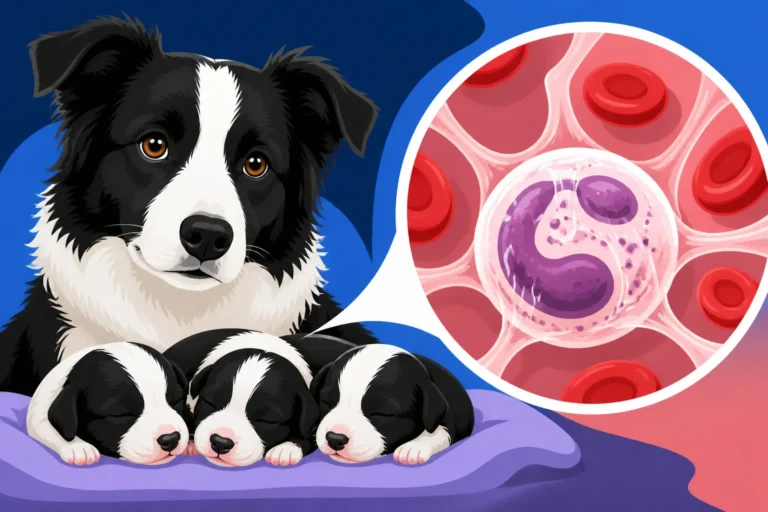
Many Border Collie enthusiasts, especially breeders, are very familiar with the suite of conditions often screened for. We’re talking about serious issues like Collie Eye Anomaly (CEA), which can range from mild to severe vision impairment, and Trapped Neutrophil Syndrome (TNS), a fatal immune disorder. Then there's Neuronal Ceroid Lipofuscinosis (NCL), a devastating neurological disease, and Imerslund-Gräsbeck Syndrome (IGS), which affects B12 absorption. Not to mention the incredibly important Multidrug Resistance 1 (MDR1) gene, which determines sensitivity to certain common medications. You can get a deeper dive into these and more in our guide on The Border Collie Genetic Panel and What It Screens. For a comprehensive list of what current testing panels offer, you might also want to look at What a Full Border Collie DNA Panel Covers.
For pet owners, this knowledge isn't about breeding decisions, but about optimizing your dog's care. If your Border Collie is a carrier for a condition that might manifest later, you and your vet can be vigilant for early signs, potentially mitigating progression or managing symptoms more effectively. For instance, if you know your dog has a predisposition to certain joint issues, you might adjust their exercise regimen or start supplements earlier. This proactive approach can lead to a healthier, happier life for your furry companion and save you a lot of heartache (and potentially money) down the road. It’s about being informed and ready for whatever comes your way.
Navigating the Laboratories: Choosing Where to Send Your Border Collie's Cheek Swab
Once you're convinced that genetic testing is a smart move for your Border Collie, the next big hurdle is choosing which laboratory to use. The market for canine genetic testing has grown considerably, and with more options comes more confusion. You want a lab that is reputable, provides accurate results, and offers a comprehensive panel relevant to your specific breed. For Border Collies, this usually means a panel that screens for the common conditions we just discussed.
Several prominent companies stand out in the dog DNA testing landscape. Let's look at a few of the most popular choices:
- Embark Veterinary: Often considered the gold standard, Embark offers comprehensive health screening alongside breed identification and ancestry tracing. Their Border Collie-specific panel is extensive, covering over 250 genetic health risks, including those critical for Border Collies like CEA, TNS, NCL, IGS, and MDR1. They also provide a genetic coefficient of inbreeding (COI), which can be very insightful for breeders and those interested in their dog's genetic diversity. The accuracy and scientific backing of Embark are highly regarded, but it tends to be at the higher end of the price spectrum.
- Wisdom Panel: Another well-established name, Wisdom Panel also offers both breed identification and health screening. While their health panel is robust and covers many relevant conditions for Border Collies, it might not be quite as extensive in sheer numbers as Embark's. They are generally a bit more budget-friendly, making them an excellent choice for pet owners who want comprehensive health insights without the absolute top-tier cost.
- Paw Print Genetics: This lab focuses exclusively on genetic health testing and is particularly popular among breeders due to its disease-specific testing and clear reporting for breeding decisions. They offer individual tests for conditions like CEA, TNS, NCL, and MDR1, or you can opt for their breed-specific Border Collie panel. Their reports are often preferred by breeders for their clear "Clear," "Carrier," and "Affected" designations.
When making your decision, consider what you hope to gain from the test. Are you a pet owner primarily interested in general health insights and breed confirmation? Wisdom Panel might be a great fit. Are you a breeder needing the most extensive health panel and COI information for critical breeding decisions? Embark or Paw Print Genetics might be more appropriate. For a detailed breakdown of costs, check out The Cost of Border Collie Genetic Testing. It’s always a good idea to read reviews and perhaps even consult with your veterinarian or an experienced Border Collie breeder for their recommendations. When Asking a Border Collie Breeder for Test Results, you'll often find they've used one of these reputable labs and can offer insights into their experience.
Here’s a quick overview of what these leading labs offer:
| Feature/Lab | Embark Veterinary | Wisdom Panel | Paw Print Genetics |
|---|---|---|---|
| Primary Focus | Comprehensive Health + Breed ID + Ancestry + COI | Breed ID + Health | Genetic Health Testing (breed-specific panels) |
| Border Collie Panel | Extensive (250+ risks, incl. CEA, TNS, NCL, IGS, MDR1) | Comprehensive (many key Border Collie diseases covered) | Breed-specific panel & individual tests available |
| Cost Range | Higher | Mid-range | Varies by test/panel (often mid-to-high for full panel) |
| Reporting | Detailed, user-friendly, research-oriented | Clear, easy-to-understand | Breeder-focused, clear "Clear/Carrier/Affected" status |
| Turnaround Time | Typically 2-4 weeks | Typically 2-3 weeks | Varies by test, generally 1-3 weeks |
| Data Usage | Contributes to canine genetic research | Contributes to canine genetic research | Focused on clinical application |
Remember, the goal is informed decision-making for your dog's health.
The Process from Collection to Results: A Step-by-Step Guide
So you've picked your lab, and the kit has arrived in the mail. Now what? The process of collecting a sample and getting results back is fairly straightforward, but paying attention to the details can make all the difference in getting a good, usable sample and avoiding delays. Whether you're Running a Genetic Panel on a Pet Border Collie or for a breeding prospect, the steps are largely the same.
- Activate Your Kit: This is a crucial first step that many people forget in their eagerness. Most companies require you to register your kit online using a unique barcode or ID number that comes with the kit. This links your dog's sample to your account and ensures you receive the results. Without activation, the lab won't know whose sample it is, and you won't get your results.
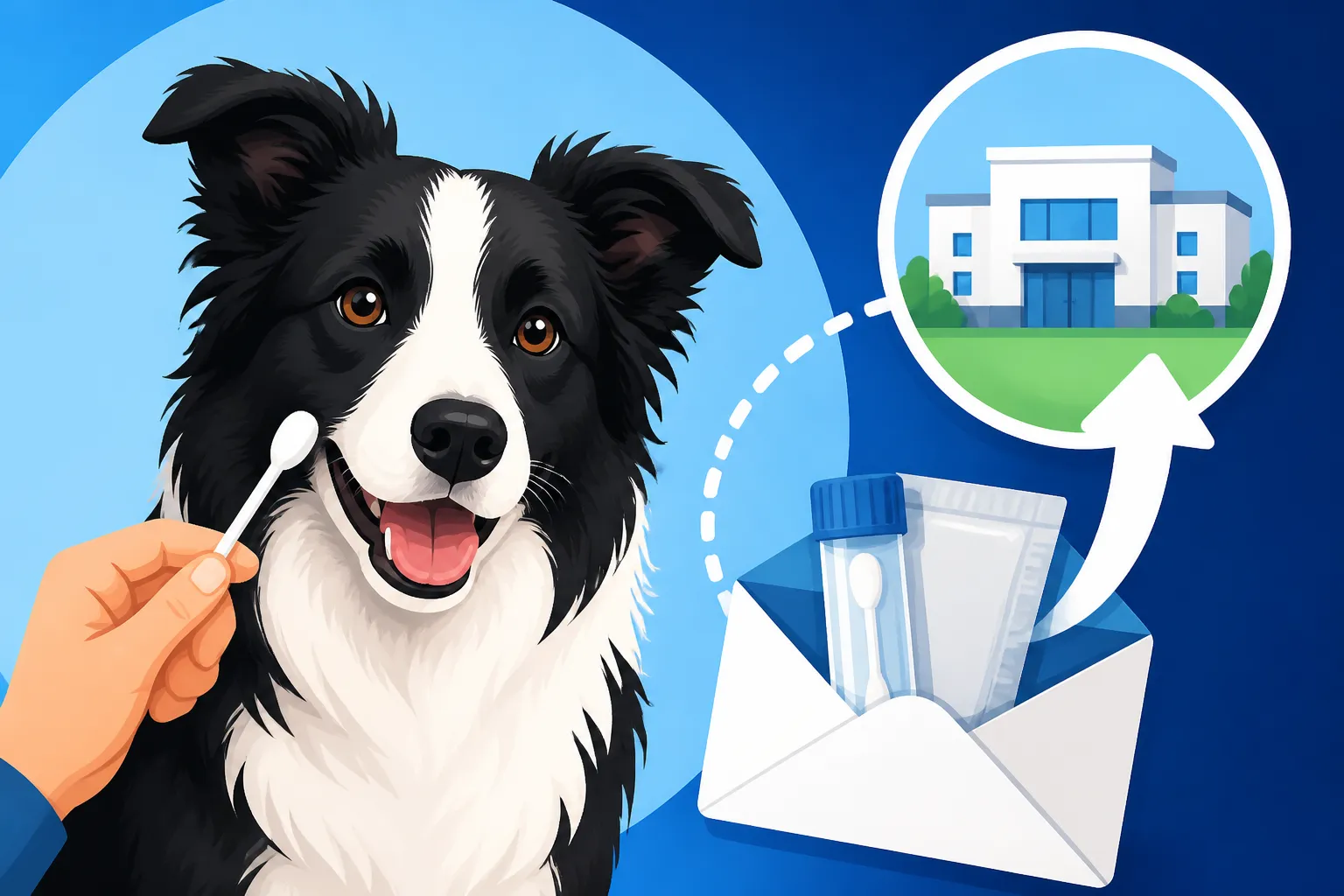
- Collect the Cheek Swab: This is usually done using sterile brushes or swabs provided in the kit. The key is to collect enough epithelial cells (skin cells) from your dog's inner cheek, not just saliva.
- Timing: It's best to collect the sample when your dog hasn't eaten or drunk anything for at least 30-60 minutes. This helps prevent food particles from contaminating the swab. If they've just had a treat, try gently wiping the inside of their mouth with a clean tissue first.
- Technique: Gently rub the swab firmly against the inside of your dog's cheek, rotating it for about 10-15 seconds. You want to see some residue on the swab, indicating you've collected cells. Most kits come with two swabs, one for each cheek, to ensure ample sample collection.
- Handling: Be careful not to touch the brush end with your fingers or let it touch any other surfaces. You don't want to contaminate it with your own DNA or environmental DNA.
- Dry and Package the Swab: After collection, many kits instruct you to air-dry the swabs for a short period (usually 5-10 minutes) before placing them back into their protective sleeves or tubes. This prevents mold growth during transit. Once dry, seal them securely according to the kit's instructions.
- Mail It Back: Place the packaged swabs into the provided return envelope or box. Most kits include pre-paid postage, but always double-check. Drop it off at the designated postal service.
- Await Results: This is often the hardest part – the waiting game! Labs typically quote a turnaround time, often between 2-4 weeks, but this can vary depending on their current workload and the complexity of the tests. You'll usually receive email updates when your sample arrives at the lab, when it's being processed, and finally, when your results are ready. Resist the urge to call them daily; they're working as fast as they can!
Making Sense of the Data: Interpreting and Acting on Your Dog's Genetic Profile
Once those long-awaited results pop into your inbox, it can feel like you're staring at a foreign language. Terms like "Clear," "Carrier," and "Affected" might be prominent, but what do they truly mean for your Border Collie and your shared life? Understanding these classifications is paramount to acting responsibly on the information you've received.
- Clear: This is the best-case scenario. It means your Border Collie does not have the gene mutation for that specific disease and cannot pass it on to any offspring. You can breathe a sigh of relief for that particular condition.
- Carrier: A carrier dog has one copy of the gene mutation but typically does not show symptoms of the disease itself. They are "healthy carriers." However, they can pass that mutated gene copy on to their puppies. For pet owners, this usually means no special care is needed, but it's vital information for breeders to avoid pairing two carriers, which could result in affected puppies. You can learn more about this in Carriers, Affected and Clear on a Border Collie Panel.
- Affected: This means your Border Collie has two copies of the gene mutation and is likely to develop or is already showing symptoms of the disease. This is where the proactive steps truly come into play.
After you receive the results, the first and most important step is to discuss them with your veterinarian. They can help you interpret the specific findings in the context of your dog's overall health, age, and lifestyle. For example, if your Border Collie tests as affected for CEA, your vet can recommend an eye exam with an ophthalmologist to determine the severity and suggest management strategies. If they're affected by conditions like Imerslund-Gräsbeck Syndrome, a specific treatment plan involving B12 injections would likely be necessary.
This genetic information also becomes a powerful tool for future health planning. Knowing your Border Collie's genetic predispositions can be incredibly helpful when discussing potential future health concerns with your veterinarian. This kind of proactive knowledge can even inform discussions with pet insurance providers like Healthy Paws, helping you understand what might be covered down the line should a genetically-linked condition manifest. For instance, if you have concerns about future joint issues or epilepsy, knowing the genetic background can prompt a more informed discussion about coverage like that offered by Healthy Paws and what conditions might already be considered pre-existing if not insured early. You can also explore options around Insuring a Border Collie Against Epilepsy and Joints based on these insights.
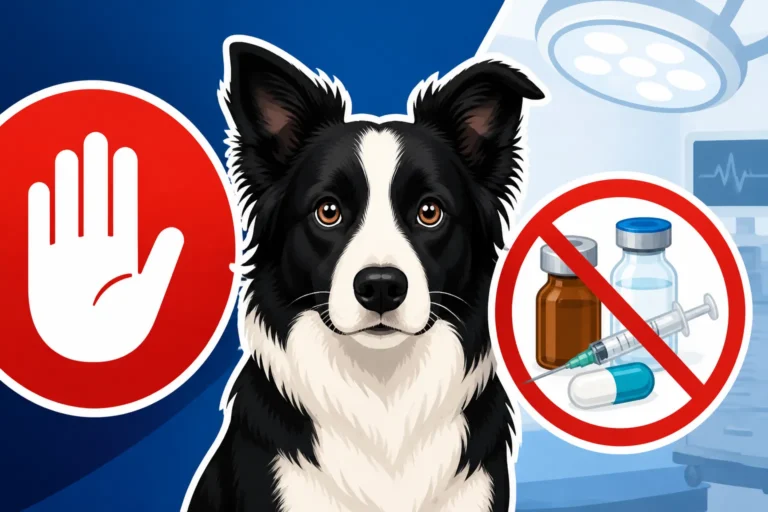
For pet owners, understanding if your Border Collie is a carrier for a condition like Drug Sensitivity and the Border Collie MDR1 Rate is critical because it directly impacts medication choices throughout their life, ensuring their safety during routine vet visits or emergencies. While a genetic test isn't a crystal ball, it provides valuable insights that could impact long-term care, and in some cases, help you plan for potential veterinary expenses, perhaps with a comprehensive plan from a provider like Healthy Paws. Ultimately, genetic testing gives you a clearer picture of your Border Collie's unique genetic blueprint, allowing you to provide the most tailored and effective care possible.
Disclaimer
The information provided in this article is for general informational purposes only and is not a substitute for professional veterinary advice. Always consult with a qualified veterinarian or animal health professional for any health concerns or before making any decisions related to your pet's health and treatment.