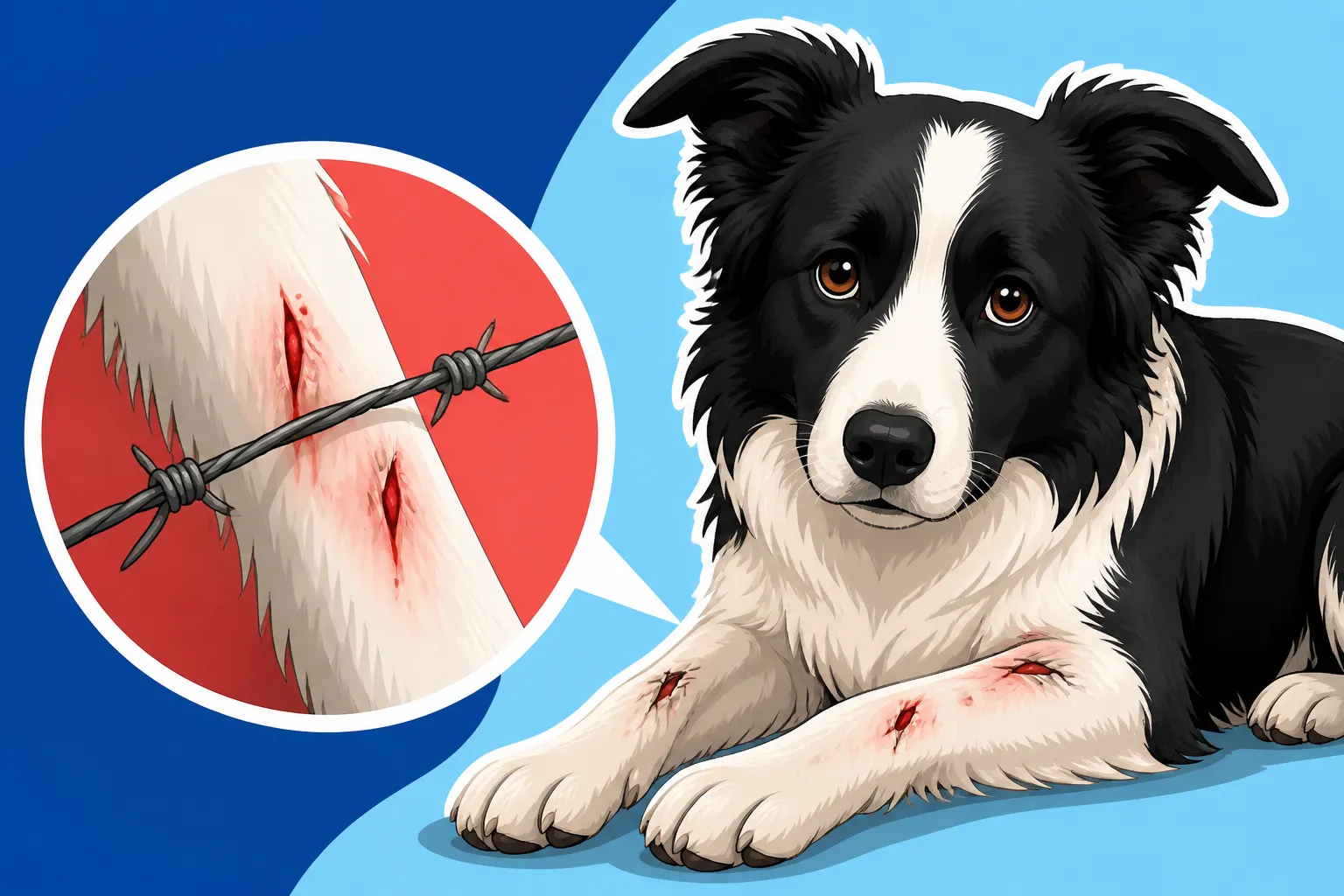
Cuts and Wire Injuries on a Border Collie’s Legs
It's happened to almost every Border Collie owner at some point: you’re finishing up a fantastic training session, a long hike, or even just a spirited run in the yard, and as your dog trots happily back, you notice it. A patch of matted fur, a small smear of blood, or perhaps a distinct limp that wasn't there five minutes ago. Finding a cut or wire injury on your active Border Collie's leg can be incredibly alarming, and the worry about how deep it is, if it's infected, or how it might impact their future work and play can quickly set in. This guide aims to walk you through how to handle these common injuries, from initial assessment and first aid to understanding prevention and knowing when to call the vet.
Identifying the Injury and Initial Response
Border Collies are often so driven and stoic that they might not immediately show pain from a minor injury. Their desire to keep working or playing can sometimes mask discomfort until the adrenaline wears off, or until the injury becomes more significant. Learning to spot the subtle signs and acting quickly is key.
Spotting the Signs of a Leg Injury
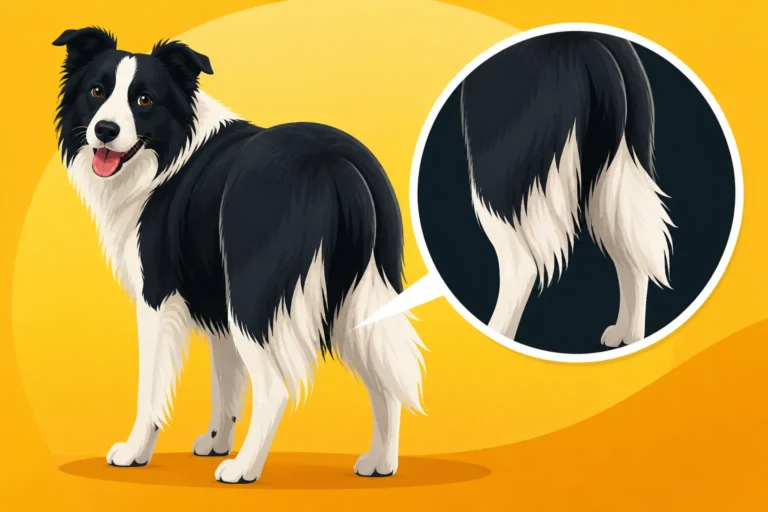
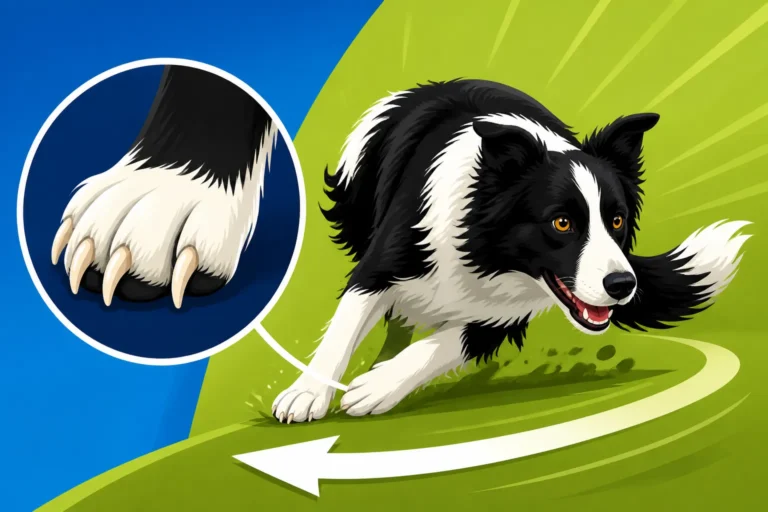
The first step is always observation. After any period of intense activity, or if your Border Collie seems a bit "off," make it a habit to give them a quick once-over. This routine check is especially crucial for dogs working in varied terrain or participating in demanding sports. You might notice them licking a particular spot on their leg or paw, or perhaps favoring a limb slightly. Sometimes, the only sign is a patch of wet, matted fur where they’ve been trying to clean themselves, or a small drop of blood on the ground. A more obvious sign, of course, is an actual cut or scrape that's visible through their coat. Don't forget to check between their paw pads and around their dewclaws, as these are common spots for cuts and tears that can be easily missed. Your Border Collie might offer a slight yelp if you touch a sore spot, or pull their leg away. They might be trying to tell you something! Early detection can make a huge difference in preventing a minor issue from escalating into a serious problem, like an infection. Regularly performing The Weekly Once-Over a Working Border Collie Gets is a fantastic habit to cultivate.
Administering First Aid for Minor Cuts
Once you've identified a cut, your immediate goal is to assess its severity and provide initial care. For small, superficial nicks or scrapes, you can often handle it at home. First, try to gently part the fur around the wound to get a clear view. If there’s blood, apply direct pressure with a clean cloth or gauze for a few minutes to help it clot. Once the bleeding is controlled, carefully clean the area. You can use a mild antiseptic solution, such as diluted povidone-iodine (Betadine) or chlorhexidine (Nolvasan), often found in canine first aid kits. Many pet supply stores like Chewy or even general online retailers like Amazon carry these essentials. Dilute these according to package directions – often to a weak tea color for Betadine – and gently flush the wound. Avoid harsh soaps or alcohol, as these can irritate or damage the tissue. After cleaning, you might apply a thin layer of antibiotic ointment (like Neosporin, but ensure it's safe for dogs and won't be licked off excessively) and cover with a sterile, non-stick pad held in place with medical tape or a self-adhering bandage, but only if your dog isn't going to chew it right off. Ensure the bandage isn't too tight, which could cut off circulation. Keep a close eye on the wound for the next few days for any signs of infection, such as swelling, redness, pus, or increased pain.
Common Causes of Leg Injuries in Active Border Collies
Border Collies are renowned for their incredible athleticism, speed, and boundless energy. These very qualities, which make them such exceptional working and sport dogs, also put them at a higher risk for various injuries, especially to their legs and paws. They charge through fields, weave through obstacles, and bound over uneven terrain with impressive abandon, often oblivious to potential hazards.
Environmental Hazards in the Field and Trail
When your Border Collie is working or playing, they're often navigating environments that, to our eyes, might seem perfectly safe, but hold hidden dangers for nimble paws and fast-moving legs. Old, rusty wire fences, even remnants that are barely visible, are notorious culprits for causing deep, jagged cuts. Imagine your dog diving through tall grass after a frisbee and catching their leg on a forgotten strand of barbed wire. Similarly, sharp rocks, broken glass, thorns, and other discarded debris can inflict painful wounds. Even natural elements like jagged tree roots or tough, dry stubble in a harvested field can cause significant pad damage. Pad Damage on a Border Collie Working Stubble is a common problem many working dogs face. A Border Collie's focus on the task at hand – whether it's gathering sheep or chasing a ball – often means they aren't looking down for hazards, relying instead on their agility and natural instincts to navigate. This is where vigilance from the handler becomes critical, both in scouting the environment beforehand and being aware of changes that might occur.
Working-Specific Risks and Sport Injuries
Beyond general environmental hazards, the specific activities Border Collies engage in can also introduce unique injury risks. For working sheepdogs, encounters with livestock can sometimes lead to scrapes or kicks, especially with stubborn or fractious animals. The intense turns, stops, and accelerations inherent in herding work put immense strain on their joints and soft tissues, making them susceptible to strains and tears. For agility Border Collies, the equipment itself, while designed to be safe, can still pose a risk if a dog misjudges a jump, weave pole entry, or contact obstacle. Splinters from wooden equipment, or impact injuries from knocking against hard surfaces, are not unheard of. Fast-paced sports like flyball or disc dog competitions, where dogs are sprinting, jumping, and stopping on a dime, can lead to cuts from landing awkwardly on uneven surfaces or rubbing against abrasive ground. Even something as seemingly benign as a worn-out tennis ball could have a tiny sharp edge that nicks a paw. It’s important for owners to remember that while these dogs love to work, their bodies are not invincible, and careful management of their working environment and training regimen is paramount. For broader issues, consider learning more about Sport Injuries a Border Collie Picks Up.
When to Seek Veterinary Care and What to Expect
Knowing when a cut is severe enough to warrant a trip to the vet versus what you can manage at home is a crucial distinction for Border Collie owners. While their stoicism is admirable, it can sometimes mislead us into thinking an injury is less serious than it truly is.
Assessing the Severity of the Cut
Not all cuts are created equal, and some demand professional attention immediately. You should certainly contact your veterinarian if you observe any of the following:
- Deep or Gaping Wounds: If the edges of the cut don't come together easily, or if you can see underlying tissue, muscle, or bone, it's definitely a job for the vet. These often require stitches or staples to heal properly and prevent infection.
- Excessive or Uncontrolled Bleeding: If the wound continues to bleed heavily despite applying direct pressure for several minutes, or if blood is spurting, immediate veterinary care is necessary.
- Puncture Wounds: While they may look small on the surface, puncture wounds can be quite deep and can introduce bacteria deep into the tissue, leading to serious infections. They are also notoriously difficult to clean effectively at home.
- Lameness or Inability to Bear Weight: If your Border Collie is limping significantly, refusing to put weight on the injured leg, or seems to be in severe pain, something more than a superficial cut might be at play. Tendons, ligaments, or even bone could be involved.
- Signs of Infection: Even a small cut can become infected. Watch for redness, swelling, warmth around the wound, pus or foul-smelling discharge, or if your dog develops a fever or becomes lethargic. These usually indicate an infection that needs antibiotics.
- Location of the Wound: Cuts near joints, eyes, or other sensitive areas should always be checked by a vet due to the potential for functional impairment or specialized healing needs.
- Foreign Objects: If you suspect or can see a foreign object embedded in the wound, do not try to remove it yourself, as you could cause further damage or bleeding.
When in doubt, it’s always better to err on the side of caution and consult your vet. A quick phone call can often help you decide if an immediate visit is needed.
Veterinary Treatment Options for Leg Injuries
When you arrive at the vet with an injured Border Collie, they will first perform a thorough examination of the wound and your dog’s overall condition. They'll want to know how and when the injury occurred, if possible, and any first aid you've administered.
Typical veterinary interventions might include:
- Clipping and Cleaning: The area around the wound will often be carefully clipped to remove fur that could contaminate the site. Then, the wound will be thoroughly cleaned and flushed with sterile solutions to remove dirt, debris, and bacteria. This can be painful, so sedation might be used, especially for deeper or very dirty wounds.
- Debridement: Sometimes, damaged or dead tissue around the wound edges needs to be carefully removed to promote healthy healing.
- Suturing or Staples: For deep or gaping lacerations, the vet will likely close the wound with stitches (sutures) or surgical staples. This helps to reduce the risk of infection, promotes faster healing, and minimizes scarring.
- Bandaging: Many leg wounds, especially those on the lower leg or paws, will be bandaged to protect them from contamination, prevent the dog from licking or chewing, and sometimes to provide support. Your vet will instruct you on how to care for the bandage at home, including when to change it and what to look for.
- Antibiotics: To prevent or treat infection, your vet will almost certainly prescribe oral antibiotics, especially for puncture wounds, dirty cuts, or those that have been present for some time.
- Pain Management: To ensure your Border Collie is comfortable during recovery, pain medication (such as NSAIDs) will often be prescribed. It’s crucial to follow your vet’s instructions precisely, as canine pain medications can be harmful if misused.
- Tetanus Shot (if applicable): Depending on the type of wound and your dog’s vaccination history, your vet might recommend a tetanus booster.
- X-rays: If there's suspicion of a fracture, a foreign object embedded deep within the tissue, or damage to a joint, X-rays may be taken.
After initial treatment, your vet will provide detailed aftercare instructions, which will include monitoring the wound, administering medication, and restricting your Border Collie's activity level. This period of rest, which can be incredibly challenging for a high-drive Border Collie, is vital for proper healing.
Prevention Strategies for Active Border Collies
As the old saying goes, an ounce of prevention is worth a pound of cure, and this couldn't be truer for preventing cuts and wire injuries in our active Border Collies. With their boundless energy and single-minded focus, they often don't consider the consequences of charging through dense brush or leaping over obstacles. It falls to us, their human companions, to be their eyes and their safety net.
Environmental Management and Hazard Avoidance
The most effective way to prevent leg injuries is to actively manage the environments your Border Collie frequents. Before letting your dog off-leash in a new area, or even in familiar spots that might change, take a few minutes to survey the ground. Look for tell-tale signs of danger: discarded trash, broken glass, sharp rocks, or any kind of loose wire. Old fencing, especially near property lines or in overgrown areas, is a prime culprit for insidious wire snags that can cause nasty lacerations. If you have land, make sure your own fencing is well-maintained, taut, and free of protruding nails or broken strands.
If you know an area has specific hazards, like dense thorny bushes or uneven terrain, consider how you can mitigate the risk. Can you clear a path? Can you avoid that particular section? For working dogs, this might mean carefully inspecting paddocks before turning sheep out, or choosing training locations with a keen eye for safety. Sometimes, simply altering your route on a hike or choosing a different park for fetch can make all the difference. Remember, your Border Collie is going to be moving at speed, often with its head up, focused on a ball, a sheep, or you. They're not meticulously scanning the ground the way a human would.
Protective Gear and Routine Checks
Even with the most diligent environmental management, accidents can still happen. This is where protective gear and consistent routine checks come into play.
- Paw Protection: For dogs working or playing on rough, rocky, icy, or stubble-filled terrain, consider investing in high-quality dog boots. Brands readily available on Amazon or Chewy offer a variety of styles, from rugged options for serious working dogs to lighter-weight versions for temporary protection. It takes time to acclimate a Border Collie to wearing boots, so start with short periods and positive reinforcement at home. While not every dog will tolerate them, for those that do, they can provide an invaluable layer of protection against cuts, abrasions, and extreme temperatures. Additionally, regularly applying a paw balm can help keep paw pads supple and less prone to cracking, which can make them more resistant to minor injuries.
- Leash Management: In areas where hazards are unavoidable or where your dog's recall isn't 100% reliable, keeping your Border Collie on a leash is simply the safest choice. A long line can offer more freedom for exploration while still giving you control. This prevents them from dashing into unseen dangers.
- Regular Physical Exams: Beyond your daily checks, make it a habit to give your Border Collie a thorough Checking a Border Collie Over After Field Work after any strenuous or off-leash activity. Run your hands over their legs, checking for tenderness, swelling, or any abnormalities. Lift each paw, inspecting pads, nails, and between the toes for cuts, punctures, or embedded foreign objects like grass seeds. Border Collies, with their intense drive, can often mask pain until an injury becomes quite serious. Catching a small cut early means a quicker, easier recovery, and helps prevent complications like infection. This routine also builds trust and comfort with handling, which is invaluable if an actual injury does occur and needs attention. By being proactive, you can significantly reduce the likelihood and severity of leg injuries, keeping your energetic Border Collie healthy and ready for their next adventure.
Comparative Table of Common Leg Injuries
To help you quickly differentiate and respond to various leg and paw issues, here's a quick comparison of some common injuries Border Collies might face, their typical causes, and what immediate action you might take.
| Injury Type | Common Causes | Appearance | Immediate Action | When to Call the Vet |
|---|---|---|---|---|
| Minor Cut/Scrape | Small sharp objects, light abrasion, thorns | Superficial break in skin, light bleeding, may be red | Clean with mild antiseptic, apply antibiotic ointment, monitor. | If deep, won't stop bleeding, signs of infection. |
| Wire Laceration | Snagging on fence wire, barbed wire, metal debris | Often deep, linear cut, can be jagged, significant bleeding | Apply direct pressure to stop bleeding, clean gently if possible. | Always, especially if deep, wide, or bleeding heavily. Needs closing. |
| Pad Abrasion/Tear | Rough surfaces (stubble, asphalt), glass, sharp rocks | Raw, reddened pad, may have flap of skin, limping, tender | Clean thoroughly, apply paw balm, protect with bootie or light bandage. | If deep tear, exposed tissue, profuse bleeding, signs of infection. |
| Puncture Wound | Nails, sticks, sharp thorns, insect bites | Small entry hole, often deep, can be hard to spot | Clean well, apply pressure, keep an eye out for swelling. | Always, due to high infection risk, even if small. |
| Torn Dewclaw | Catching on objects, overgrown nails | Dewclaw may be partially or fully detached, bleeding, painful | Stop bleeding with pressure, keep dog from licking/chewing. | Always, often requires sedation for removal or repair. |
| Grass Awn/Foxtail | Walking through tall grasses | Small red lump, persistent licking, swelling, can migrate | Inspect thoroughly, remove if visible and superficial. | If embedded, swollen, painful, or you can't remove it. |
It's clear that while some minor issues can be addressed at home, deep cuts, punctures, or wounds that won't stop bleeding always require a veterinarian's expertise. Being proactive in identifying these issues and knowing when to seek professional help ensures your Border Collie receives the best possible care for a swift and complete recovery.
Disclaimer
This article is for general informational purposes only and does not constitute professional advice. Laws, prices and regulations vary by location and change over time. Consult a qualified professional for guidance on your specific situation.