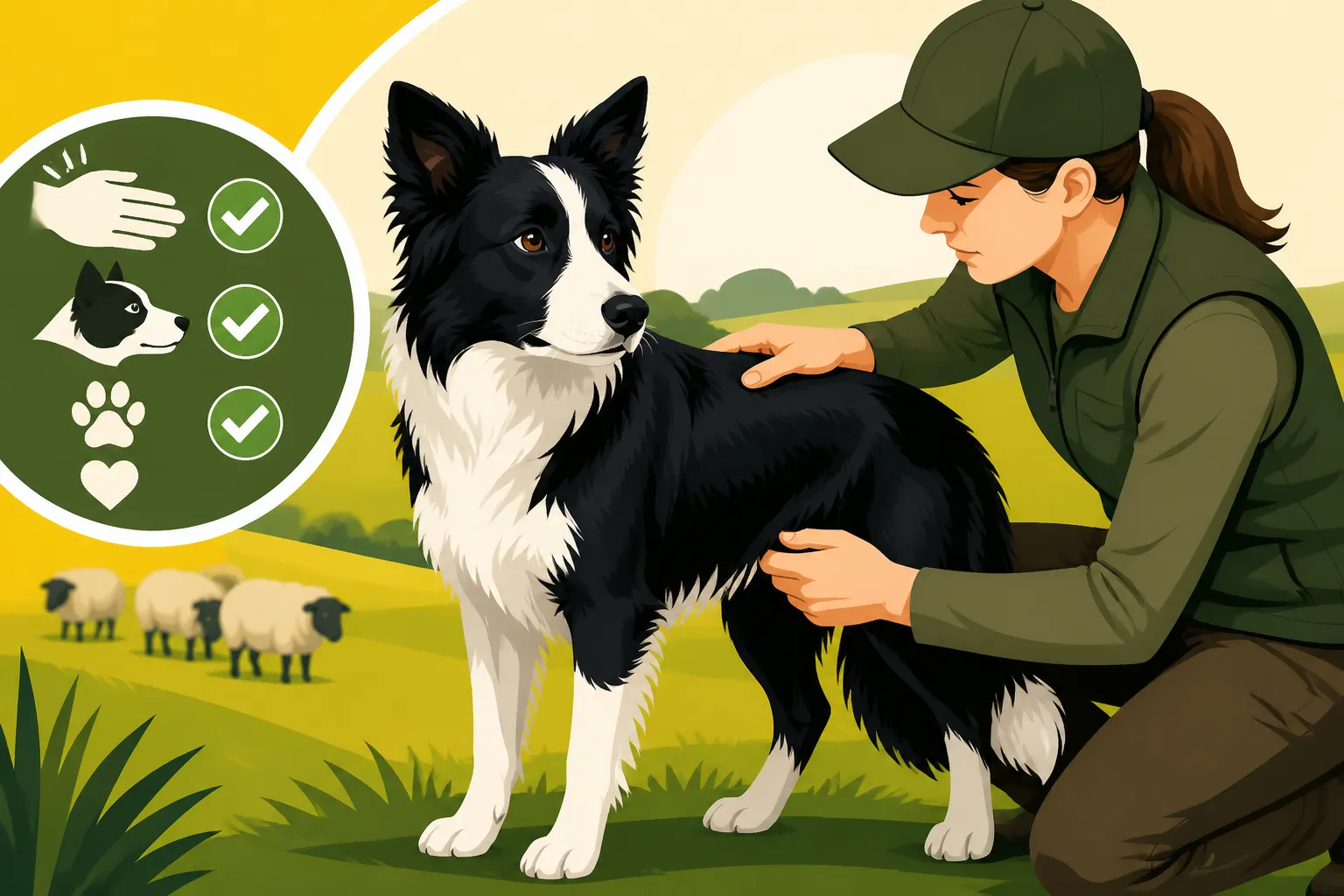
Checking a Border Collie Over After Field Work
After a long, satisfying day out in the fields, whether it's gathering sheep, tearing through an agility course, or hiking miles with you, your Border Collie often comes home covered in mud, burrs, and a certain kind of happy exhaustion. But beneath that spirited exterior, there could be hidden scrapes, strains, or irritations that your stoic companion might not show until it's too late. This guide will walk you through a thorough post-work check-up, helping you spot potential issues early and keep your canine partner sound and ready for their next adventure.
The Critical Importance of a Post-Work Check-Up
It's easy to just hose them down, toss them a dinner, and let them collapse on their bed after a hard day. We all do it sometimes, especially when we're just as tired as they are. But for a Border Collie, that immediate post-work period is absolutely crucial for catching small problems before they escalate into something bigger and more painful. These dogs are athletes, highly driven, and often possess a remarkable tolerance for pain, which can be both a blessing and a curse.
Why It's More Than Just a Quick Pet
Border Collies are renowned for their incredible work ethic. They are bred to push themselves, sometimes to the point of ignoring their own discomfort when there's a job to be done. This means they often won't vocalize pain or show a limp until an injury has become quite advanced. A quick pat on the head or a scratch behind the ears, while appreciated, simply isn't enough to assess their physical well-being after strenuous activity. You need a systematic approach, a dedicated few minutes to really examine them. Think of it like a professional athlete's cool-down and physical assessment – they wouldn't skip it, and neither should your working dog. This thoroughness is especially important if you suspect something like Border Collie Collapse and What Sets It Off, where early recognition of symptoms is paramount.
Moreover, simply observing their gait from a distance isn't always sufficient. A dog can compensate for a sore hip or shoulder, shifting its weight subtly, making a casual observation unreliable. It’s only by getting your hands on them, feeling for tenderness, heat, or swelling, and checking every nook and cranny that you can truly ascertain their condition. This dedicated time also strengthens your bond, allowing you to read their body language even more acutely.
Preventing Minor Issues From Becoming Major Problems
A small thorn embedded deep between their paw pads might seem minor, but if left unnoticed, it can lead to a painful infection, a nasty abscess, or even a systemic issue that sideliness your dog for weeks. Similarly, a minor muscle strain from an awkward turn in a trial might just feel like stiffness initially. However, without appropriate rest and care, that strain can become a chronic issue or predispose them to more serious injuries, like a Cruciate Tears in a Border Collie. Early detection allows for immediate intervention, which could be as simple as soaking a paw, applying a warm compress, or ensuring a day or two of enforced rest.
By being proactive, you can often prevent a small, easily treatable problem from becoming a costly and debilitating veterinary visit. Catching a developing hot spot or a patch of irritated skin after working in wet conditions means you can treat it with a simple topical solution, rather than dealing with a widespread infection that requires antibiotics. It’s an investment of a few minutes that pays dividends in your Border Collie's long-term health and soundness, keeping them in peak condition for all the work they love to do.
A Head-to-Tail Inspection: What to Look For
When your Border Collie comes in from the field, whether it's a brisk walk through the woods or an intense herding session, it's time for their "pit stop" check. This shouldn't be rushed; it's a calm, methodical process. You're looking for anything out of the ordinary—bumps, scrapes, tenderness, or foreign objects. Get yourself into a routine, perhaps starting at their head and working your way back.
Starting at the Head and Ears
Begin with their face. Are their eyes clear, bright, and free of discharge? Sometimes, after running through tall grass or dusty areas, debris can get lodged in the corner of their eyes, causing irritation. Check around the muzzle for any scratches or cuts they might have picked up nosing around. Gently lift their lips to check their gums for any cuts or abrasions from sticks or rocks they might have picked up. Also, check for any excessive panting, which could be a sign of Heat Stroke in a Border Collie That Kept Working if the weather was warm.
Next, move to their ears. Border Collies often have semi-prick or dropped ears, which can trap debris, moisture, or even parasites like ticks. Carefully lift each ear flap and examine the inside. Look for redness, swelling, unusual discharge, or a strong odor, all of which could indicate an ear infection or irritation. Feel around the base of the ear for any signs of tenderness. If they've been running through brush, check the outer ear for any burrs that might have become tangled in the hair. Ear Infections Under a Border Collie's Folded Ear are not uncommon and can cause significant discomfort.
Neck, Shoulders, and Torso
Now, move down their neck and shoulders. Run your hands firmly but gently over these areas, feeling for any heat, swelling, or muscle spasms. This is where strains can often occur, especially if they've been making sharp turns or working uneven terrain. Pay attention to any flinching or discomfort they show. Look for any new bumps, scrapes, or areas of missing fur that might suggest they've brushed against something sharp or had a minor collision.
Continue this tactile inspection along their back, ribs, and down their flanks. Feel their spine for any tenderness, and check their ribs to ensure they haven't suffered any impact. This is also a good time to check their body condition—are they still lean and muscular, or perhaps a little too thin after a particularly strenuous period? The Body Condition a Sport Border Collie Carries is vital for performance and health. Their coat, whether rough or smooth, can hide a multitude of sins, so really get your fingers through the fur down to the skin. Look for insect bites, ticks, or any patches of irritated skin that could be turning into Hot Spots on a Border Collie. A thorough check can even reveal grass seeds that have started to burrow into the skin, which can become serious if left untreated.
Legs and Paws: The Workhorses
The legs and paws are arguably the most critical area to inspect for a working Border Collie. These are their primary tools, taking the brunt of every sprint, jump, and turn. Start at the top of each leg, feeling down the muscles and joints. Check the shoulders, elbows, hips, and hocks for any swelling, heat, or stiffness. Bend and flex each joint gently, within their normal range of motion, noting any resistance or discomfort. Remember, a slight limp might not appear until they've cooled down, so be vigilant.
When you reach the paws, it's time for a detailed examination. Spread their toes and meticulously check between each pad. This is a common place for burrs, thorns, grass awns, or small pebbles to become lodged. These foreign objects can cause immense pain and lead to infection if not removed. Examine each paw pad individually for cuts, abrasions, cracks, or excessive wear. Pad Damage on a Border Collie Working Stubble is a real concern, and even minor damage can make walking painful. Check their nails for chips, cracks, or tears, and make sure their dewclaws (if present) are also intact and not snagged. You might consider having a paw balm or protective wax, easily found on Amazon or Chewy, on hand to soothe and protect their pads, especially after rough terrain.
The Tail and Hindquarters
Finally, don't forget the tail and hindquarters. Run your hand down the length of their tail, feeling for any breaks or tenderness. A Border Collie's tail is an important communication tool and can get damaged if caught on something or if they land awkwardly. At the base of the tail and around the anal area, check for any matting, irritation, or evidence of parasites like fleas or ticks.
The hindquarters also include the hips and stifles (knees), which are susceptible to strains and injuries, particularly if your dog is involved in high-impact sports. Gently feel along their rear musculature and around the hip joints. While a full orthopedic exam is for a vet, your hands-on check can reveal early signs of discomfort or stiffness that warrant closer attention. Some owners find that a regular post-work massage with a gentle dog-safe liniment helps soothe tired muscles, which you can often purchase from reputable pet supply retailers like Chewy.
Common Findings and First Aid Solutions
Even with the most careful planning and training, a Border Collie working in the field is bound to encounter minor bumps, scrapes, and irritations. Knowing how to handle these common findings quickly and effectively can make all the difference in their comfort and recovery.
Scrapes, Cuts, and Abrasions
It’s almost a given that your active Border Collie will pick up small scrapes or shallow cuts from brush, rocks, or even just enthusiastic play. When you find one, the first step is to clean it thoroughly. Use a mild antiseptic solution, like chlorhexidine or povidone-iodine diluted as directed by your vet, and sterile saline solution. Gently flush the wound to remove dirt and debris. Avoid harsh scrubbing, which can further damage the tissue.
Once clean, assess the depth and size. For minor, superficial scrapes, a thin layer of antibiotic ointment (specifically approved for dogs, often available on Amazon) can be applied, followed by a light bandage if the location makes it prone to getting dirty again. Change bandages daily and monitor for signs of infection such as increased redness, swelling, pus, or heat. Keep a close eye on your dog to ensure they don't lick or chew at the wound, which can hinder healing and introduce new bacteria. If the cut is deep, gaping, or bleeding profusely, it’s best to contact your veterinarian immediately for professional assessment and likely stitches.
Burrs, Thorns, and Foreign Objects
Burrs and thorns are a constant bane for working dogs, especially those with rough coats. They can embed themselves in fur, skin, and particularly between paw pads. The key here is gentle but firm removal. For burrs in the fur, a fine-toothed comb or even your fingers can often work them out. Be patient, as pulling too hard can hurt your dog or break the burr, leaving sharp pieces behind.
For thorns or smaller foreign objects lodged in the skin or paw pads, a pair of sterile tweezers can be invaluable. Always pull in the direction the object entered to minimize further trauma. After removal, clean the area with antiseptic and monitor it closely for swelling or redness. Sometimes, small pieces can break off and remain embedded, causing irritation or infection later. If you can't remove an object completely, or if the area becomes swollen, painful, or infected, a vet visit is in order. Regularly checking between a Border Collie's toes is a must to prevent these issues.
Sore Muscles and Stiffness
A Border Collie that has given its all might come in with some stiffness or general muscle soreness, much like a human athlete after an intense workout. This is often normal fatigue, not necessarily an injury. Gentle massage can be incredibly beneficial. Focus on large muscle groups—shoulders, back, hips, and thighs—using circular motions and light pressure. Pay attention to their reaction; if they flinch or show significant pain, stop and investigate further.
Warm compresses applied to sore areas can also help increase blood flow and reduce stiffness. Ensure your dog has a warm, comfortable place to rest. A day or two of reduced activity, perhaps just light leash walks instead of intense field work, can help them recover. High-quality nutrition, like that provided by brands such as Ollie, can also support muscle recovery and overall health in active dogs. However, if the stiffness progresses to a noticeable lameness, or if your dog is unwilling to put weight on a limb, it's time to consult your vet. Early identification of significant Stiffness in a Border Collie After a Long Day can prevent prolonged issues.
Signs of Dehydration or Overheating
Working Border Collies are susceptible to dehydration and overheating, especially in warmer weather or during intense, prolonged activity. Signs of dehydration include dry, tacky gums, sunken eyes, loss of skin elasticity (the skin on their neck takes longer to snap back when pinched), and lethargy. To check for proper hydration, always ensure fresh water is available before, during, and after work.
Overheating is a more severe concern, potentially leading to heat stroke. Symptoms can range from excessive panting, bright red gums, and drooling, to weakness, stumbling, vomiting, and even collapse. If you suspect overheating, immediate action is vital: move your dog to a cool, shaded area, offer small amounts of cool (not ice-cold) water, and wet their coat with cool water, focusing on the armpits and groin. Never douse them in icy water, as this can cause shock. Get them to a vet immediately if symptoms are severe or don't improve rapidly. Knowing How Hot a Border Collie Gets After Ten Minutes can help you prevent such situations by managing their work schedule.
When to Seek Veterinary Attention
While many minor issues can be managed at home with good first aid, there are certain red flags that indicate it's time to call in the professionals. Ignoring these signs can lead to worsening conditions, prolonged pain, and potentially permanent damage for your hardworking Border Collie. Don't play guessing games with their health; when in doubt, a quick call to your vet is always the safest option.
Persistent Lameness or Limping
It’s one thing for a dog to be a little stiff after a particularly hard day, showing some reluctance to get up or a subtle shift in gait. It's another thing entirely if that stiffness escalates into noticeable lameness or a persistent limp that doesn't improve with rest. If your Border Collie is consistently holding up a paw, refusing to put weight on a limb, or if the lameness is clearly getting worse instead of better, it needs veterinary attention. This could be anything from a severe sprain or torn ligament to a fracture or a developing joint issue like Hip Dysplasia in a Border Collie That Runs All Day.
Even intermittent lameness, where your dog is fine one moment and limping the next, or only limps after activity, warrants investigation. These can be trickier to diagnose but often point to deeper musculoskeletal problems that require specific diagnostic tests like X-rays. Describing the circumstances of the limp, when it started, and what makes it better or worse will be helpful information for your vet.
Unusual Swelling or Tenderness
Any new or unusual swelling on your Border Collie's body should be a cause for concern. Swelling can indicate inflammation, fluid accumulation, an abscess, or even a tumor. Feel around the swollen area for heat and tenderness. If the swelling is accompanied by pain, redness, or heat, it strongly suggests infection or an acute injury. Pay particular attention to joint areas, as swollen joints can be a sign of arthritis, sprains, or more serious conditions like osteochondritis dissecans (OCD) which can affect these active dogs.
Tenderness that extends beyond typical muscle soreness is also a red flag. If your dog vocalizes, flinches aggressively, or tries to bite when you touch a specific spot, it indicates significant pain. This kind of localized, acute pain, especially without an obvious external wound, might signal a deep tissue injury, a muscle tear, or even an internal bruise. Your vet can perform a physical examination to pinpoint the source of the pain and recommend the appropriate course of action, which could range from anti-inflammatory medication to surgical intervention.
Behavioral Changes and Lethargy
Sometimes, the most telling signs of a problem aren't physical, but behavioral. Border Collies are generally alert, eager, and full of life. If your dog suddenly becomes withdrawn, unusually quiet, irritable, or unusually lethargic after field work, something might be amiss. A dog in pain often won't want to play, might avoid being touched, or could even snap if approached too quickly. Lethargy, especially when combined with a lack of appetite or unusual thirst, could signal a systemic illness, internal injury, or even a serious issue like dehydration or kidney problems. The Annual Exam a Border Collie Needs is important for baseline health checks, but acute changes need immediate attention.
Any significant change in their normal routine or personality—such as refusing to eat, difficulty sleeping, or unusual restlessness—should prompt a call to your veterinarian. Remember, your Border Collie might not "tell" you they are hurting with a whimper or a whine, but their change in behavior can be a profound indicator that they need your help. Trust your gut; you know your dog best.
Disclaimer
This article is for general informational purposes only and does not constitute professional advice. Laws, prices and regulations vary by location and change over time. Consult a qualified professional for guidance on your specific situation.