The Trousers on a Rough Border Collie’s Hind End
If you’ve ever admired the magnificent sweep of hair on a rough-coated Border Collie’s hind legs, you probably know them affectionately as "trousers." While undeniably stunning, these flowing locks are also magnets for debris, mats, and all sorts of hygiene challenges that can quickly turn beauty into a beast. This comprehensive guide will walk you through everything you need to know about managing your Border Collie's hindquarter feathering, ensuring it stays glorious, clean, and comfortable for your active companion.
Understanding the Border Collie’s “Trousers” – More Than Just Fluff
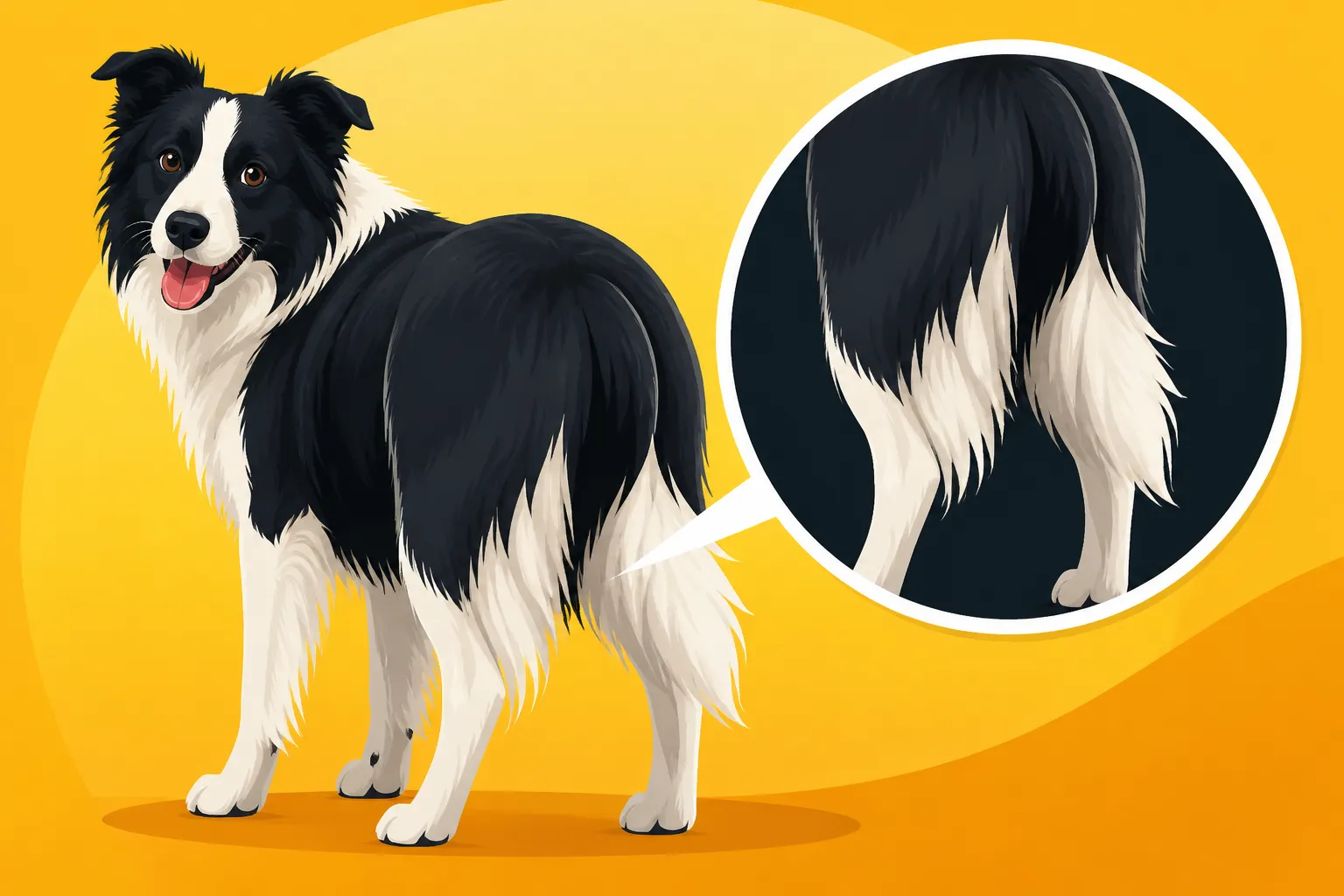
The term "trousers" might sound a bit whimsical, but it perfectly describes the dense, longer hair that adorns the back of a rough-coated Border Collie's hind legs. This isn't just a stylistic flourish; it's a functional part of their heritage.
What Exactly Are They, and Why Do Border Collies Have Them?
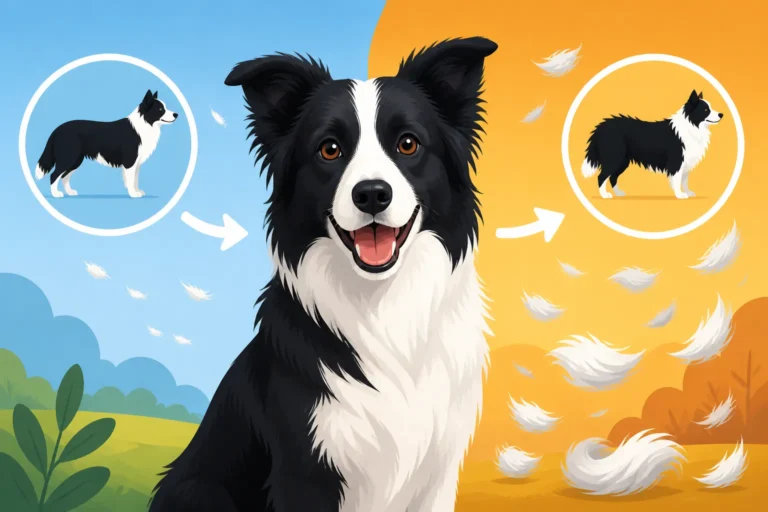
When we talk about a Border Collie’s “trousers,” we’re referring to the substantial feathering—longer, thicker hair—that grows profusely on the back of their thighs, extending down past the hocks towards their paws. It’s part of what gives a rough-coated Border Collie its distinctive, hardy appearance, contrasting with the sleekness of The Rough and Smooth Border Collie Coats. This luxurious growth isn’t merely for show; it harks back to their working origins in the harsh, varied terrain of the Anglo-Scottish border country.
Imagine a dog navigating thorny bushes, tall grasses, and muddy fields day in and day out, rain or shine. That long, protective hair served as natural insulation against the cold and wet, and a barrier against scrapes, cuts, and thorns. It’s a testament to their rugged genetic blueprint, designed for protection and survival in demanding environments. While many Border Collies today aren't working sheep in the mountains, this genetic trait remains, blessing them with those beautiful, flowing "trousers" that still offer some protection, albeit mostly from the admiring glances of passersby.
The Hidden Challenges of Dense Hindquarter Hair
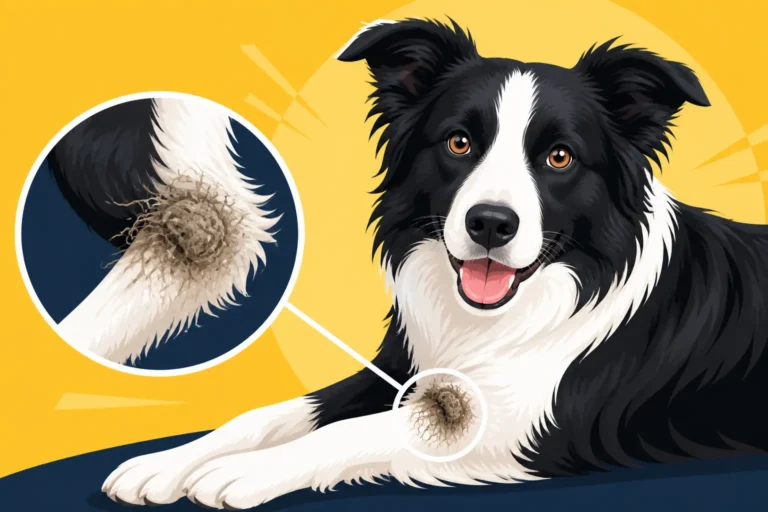
For all their beauty, those magnificent trousers are notorious for collecting everything imaginable. If your Border Collie spends any time outdoors, you’ve likely discovered twigs, leaves, burrs, and a surprising amount of mud embedded deep within that dense fur. This isn’t just an aesthetic nuisance; it’s a genuine challenge for hygiene and comfort. Mats are the archenemy of trousers, forming quickly and tightening with every movement, pulling at the skin and causing significant discomfort, even pain.
Fecal matter can also become trapped in the longer hair around the anus, creating unsanitary conditions, unpleasant odors, and potential skin infections if not addressed promptly. In winter, snow and ice can cling to the trousers, forming painful, heavy balls of frozen fur. During warmer months, burrs and grass seeds burrow deep, leading to skin irritation, hot spots, or even infections if they penetrate the skin. What seems like just a bit of extra fluff can quickly become a full-time job to manage, making diligent care absolutely crucial for your Border Collie's overall well-being.
Essential Grooming Techniques for Maintaining Healthy Trousers
Keeping those trousers pristine requires a consistent, multi-pronged approach. It’s not just about aesthetics; it’s about preventing discomfort and potential health issues for your active companion.
Daily Brushing: Your First Line of Defense
When it comes to your Border Collie’s trousers, daily brushing isn’t just recommended; it’s practically mandatory, especially if they’re prone to matting. Think of it as preventative maintenance that saves you hours of painstaking dematting later. Your primary tools will be a good quality slicker brush, a wide-toothed comb, and a fine-toothed comb or a de-matting comb for any stubborn spots. Many owners find a sturdy metal comb from brands available on Amazon or Chewy to be indispensable for working through thicker hair.
To brush effectively, you need to employ the "line brushing" technique. Start by parting the hair near the skin, holding the top layers up and out of the way. Then, brush small sections from the skin outwards, working your way through the entire leg, layer by layer. This ensures you're reaching down to the root, preventing mats from forming deep within the undercoat. Pay extra attention to the areas where the leg bends, such as behind the knees and around the hocks, as these are prime locations for tangles. A quick 5-10 minute session each day can make a world of difference, preventing the frustration of large, painful mats. It’s also a great bonding opportunity, turning a necessary chore into quality time with your dog. For a comprehensive overview, consider resources like How Often a Rough Border Collie Needs Brushing to reinforce your routine.
Tackling Mats and Tangles Safely
Despite your best efforts, mats and tangles will inevitably appear. The key is to address them swiftly and safely, preventing them from becoming larger, more painful issues. First, resist the urge to pull or yank. This only hurts your dog and tightens the mat. Instead, arm yourself with patience, a good quality de-matting comb, and possibly a detangling spray or a sprinkle of cornstarch to help loosen the hair. You can find excellent detangling sprays from various brands on Chewy, designed to make the job easier.
Start by trying to gently tease the mat apart with your fingers. Once it's somewhat loosened, use the wide-toothed comb to work through the very edges of the mat, starting from the tip and slowly working your way towards the skin. Never force the comb through. If the mat is particularly dense and close to the skin, you might need a specialized dematting tool with blades that cut through the mat without damaging the surrounding hair. A seam ripper, carefully used, can also be effective for splitting mats. For mats behind the knees or in the very dense areas of the trousers, where the skin is thin, exercise extreme caution. Remember, mats are not just an annoyance; they can hide skin irritation, fungal infections, and parasites, much like mats discussed in Mats Behind a Rough Border Collie's Ears. If you encounter a mat that is too large, too tight, or too close to the skin, or if your dog shows signs of pain, it's always best to seek professional grooming assistance rather than risking injury to your dog.
Trimming for Hygiene and Comfort
While we love the natural look of a Border Collie’s long trousers, there are times when strategic trimming is not just beneficial, but essential for your dog’s hygiene and comfort. This isn’t about shaving down their beautiful double coat, which can cause more problems than it solves, but rather about tidying up specific areas. The most critical area for trimming is the “sanitary trim” around the anus. Keeping this hair short and neat prevents fecal matter from clinging, reducing odors, mess, and the risk of skin irritation or infection. Blunt-nosed scissors are ideal for this delicate area, minimizing the risk of accidental nicks.
Another area where trimming can be highly beneficial is the hair on the inside of the thighs and around the hocks. This is where mats tend to form most readily, especially in active dogs or those that get wet frequently. Shortening this hair slightly can significantly reduce matting. For this, a good quality set of grooming clippers with a longer guard comb (like a #7 or #10 blade) can be used, ensuring you don't cut too close to the skin. Similarly, trimming the hair that drapes onto the ground from the bottom of the trousers can prevent it from dragging through mud, collecting burrs, or getting soaked in puddles. You can also trim around the paw pads and hocks, which is vital for proper traction and preventing snowballing in winter, as discussed in Ice Balls in a Border Collie's Feathered Feet. Always use sharp, clean tools and take your time, keeping your Border Collie comfortable throughout the process.
Seasonal and Environmental Considerations for the Trousers
A Border Collie’s trousers aren't just a fair-weather feature. Their care needs to adapt with the seasons and the environments your dog explores.
Winter Woes: Snow, Ice, and Mud Management
Winter can turn your Border Collie’s magnificent trousers into a frozen nightmare. The dense undercoat and longer guard hairs are perfect for trapping snow and ice, quickly forming painful, heavy ice balls that pull at the skin. These aren’t just uncomfortable; they can cause chafing, skin irritation, and even frostbite in extreme conditions. Preventing these “snow boots” is crucial. Before heading out, consider applying a paw balm or a thin layer of protective wax, like Musher’s Secret, to the hair on their legs and feet. You can find these at pet supply stores or easily order them from Amazon.
After every outdoor excursion, no matter how short, it's vital to thoroughly check and clean your Border Collie's trousers. This often means carefully removing any ice or snow with your hands, avoiding pulling. A small, portable spray bottle with lukewarm water can help melt stubborn ice balls if your dog is tolerant. In addition to snow and ice, winter often brings mud, especially in transitional seasons. Mud, when wet, gets everywhere, and when it dries, it cements into the fur, creating dense mats. After a muddy outing, a quick rinse of the lower legs and trousers with plain water, followed by thorough drying, is essential. Remember, dampness left in a thick coat can lead to skin problems, so refer to tips on Drying a Border Collie After a Wet Day's Work to ensure a job well done.
Summer Snafus: Burrs, Seeds, and Overheating
As the snow melts and the fields bloom, new challenges emerge for your Border Collie’s trousers. Summer means more outdoor adventures, but also a higher risk of collecting burrs, foxtails, grass seeds, and other plant debris. These tiny invaders love to cling to and burrow into dense fur. If not removed promptly, they can work their way into the skin, causing irritation, abscesses, or even migrate deeper, leading to serious infections. A thorough visual and tactile check of your dog’s trousers after every walk or play session in grassy or wooded areas is non-negotiable.
Removing burrs requires patience. Instead of pulling, which can snap the hair and leave fragments, try to break the burr open and gently work it out with your fingers or a comb. For stubborn seeds or foxtails that appear to be burrowing, a vet visit is warranted as they can be very difficult to extract and dangerous if left untreated. While the trousers don't contribute as much to overall body heat as the main coat, matted or overly dense fur can impede air circulation, increasing the risk of skin irritation and potentially Hot Spots on a Border Collie, especially in humid conditions. Ensuring good airflow through regular brushing helps maintain healthy skin and prevents these issues.
Bathing and Drying Best Practices for Thick Coats
Bathing a Border Collie, especially one with glorious trousers, requires a methodical approach to ensure cleanliness without stripping essential oils or leaving shampoo residue. Start by thoroughly wetting the coat down to the skin, which can be surprisingly difficult for such dense fur. Use a good quality dog shampoo, perhaps one you’ve sourced from Chewy, specifically designed for thick coats or sensitive skin. Lather the shampoo well, focusing on the trousers, and massage it deeply into the hair, ensuring it reaches the skin.
Rinsing is arguably the most crucial step. Any shampoo left behind can cause skin irritation, dryness, and matting. Rinse, rinse, and then rinse again, running your fingers through the fur to feel for any remaining slipperiness. For the hindquarters, pay extra attention to the inner thighs and around the hocks. Once rinsed, gently squeeze out excess water, then towel-dry as much as possible. This is where a high-velocity dog dryer, available on platforms like Amazon, becomes an invaluable tool. These dryers blast water out of the coat, significantly speeding up drying time and preventing mats. If you don't have one, use a human hairdryer on a cool or low-heat setting, constantly moving it to prevent skin burns. For tips on how to effectively penetrate that thick undercoat during bathing, see Getting Water Through a Border Collie's Undercoat. Never let your Border Collie air-dry completely, as this encourages matting and can lead to skin issues.
Proactive Care and Long-Term Health of Your Border Collie’s Hind End
Beyond the immediate grooming needs, a holistic approach to care contributes significantly to the health and appearance of your Border Collie's trousers.
Diet and Coat Health
You truly are what you eat, and the same goes for your Border Collie! The quality of their coat, including those impressive trousers, is a direct reflection of their internal health and the nutrition they receive. A diet rich in high-quality protein, essential fatty acids, and balanced vitamins and minerals can lead to a healthier, shinier coat that is less prone to matting and excessive shedding. Think of it this way: if the building blocks for healthy hair aren’t there, the hair itself will be weaker, drier, and more susceptible to damage.
Many premium dog foods, including those offering fresh or gently cooked options like Ollie, prioritize these nutritional components, understanding their impact on overall canine wellness. Look for foods that list real meat as the first ingredient and contain beneficial omega-3 and omega-6 fatty acids. These fatty acids, often derived from fish oil or flaxseed, are particularly vital for skin health and a lustrous coat. A healthy coat is stronger, more resilient, and less likely to break, meaning less matting and a more manageable set of trousers. If you're wondering about specific supplements, articles like Whether Fish Oil Helps a Border Collie's Coat can offer further insights into beneficial additions to their diet. Conversely, a poor diet can result in a dull, brittle coat that sheds excessively and mats easily, turning grooming into a much bigger chore.
Professional Grooming vs. DIY
Deciding whether to tackle your Border Collie’s trouser maintenance yourself or enlist the help of a professional groomer is a common dilemma. Many Border Collie owners, especially those with working lines or highly active dogs, become adept at daily brushing and basic sanitary trims out of necessity. It fosters a strong bond and ensures consistency. However, there are certainly times when a professional groomer is an invaluable asset. If you find yourself facing an extensive matting situation that you can’t safely resolve at home, or if your dog is particularly sensitive or uncooperative with grooming, a professional can save you both a lot of stress and potential injury.
Professional groomers have specialized tools, techniques, and experience with various coat types. They can perform intricate dematting, provide a precise sanitary trim, and even tidy up the overall lines of the trousers without resorting to a full shave. They can also spot underlying skin issues that might be missed by an untrained eye. For dogs with specific needs, such as an arthritic Border Collie who might struggle with standing for long periods, a professional groomer can adapt their approach, as discussed in Grooming an Arthritic Border Collie Lying Down. Consider a balance: consistent daily DIY maintenance for prevention, and professional visits a few times a year for a thorough deep clean, dematting, or a seasonal trim. This approach ensures your Border Collie’s trousers always look their best and remain healthy.
Recognizing and Addressing Skin Issues
The dense nature of a Border Collie’s trousers means skin issues can easily hide beneath the thick fur, going unnoticed until they become advanced or cause significant discomfort. Regular, thorough grooming isn’t just about untangling hair; it’s a critical opportunity to perform a full body check. During your The Weekly Once-Over a Working Border Collie Gets, pay close attention to the skin underneath the trousers. Look for any redness, irritation, bumps, scabs, excessive flakiness, or unusual odors.
Common issues include hot spots (acute moist dermatitis), which can develop rapidly in damp, matted, or irritated skin; fungal infections, which thrive in moist environments; and parasitic infestations like fleas or ticks, which find dense fur an excellent hiding spot. If you notice your Border Collie licking, chewing, or scratching their hindquarters more than usual, it’s a red flag. Part the hair to get a good look at the skin. Early detection is key. If you find anything concerning, such as a persistent rash, a weeping sore, or signs of an embedded foreign object (like a deeply burrowed burr), don't hesitate to consult your veterinarian. They can accurately diagnose the problem and prescribe the appropriate treatment, preventing a minor irritation from escalating into a painful and difficult-to-treat condition.
| Grooming Tool | Primary Use | Best For | Key Benefit |
|---|---|---|---|
| Slicker Brush | Removing loose undercoat, daily brushing | Preventing mats, regular maintenance | Gently removes dead hair, stimulates skin |
| Wide-Toothed Comb | Detangling larger knots, checking for mats | Initial mat checks, finishing work | Glides through thicker hair, less pulling |
| De-matting Comb/Rake | Breaking up stubborn mats and tangles | Moderate to severe matting | Cuts through mats without losing length |
| Blunt-Nosed Scissors | Sanitary trims, careful spot trimming | Delicate areas, hygiene | Safety-first design prevents accidental pokes |
| Clippers (with guard) | Hygiene trims, tidying leg outlines | Consistent length, faster trimming | Efficient, even cut for specific areas |
| High-Velocity Dryer | Rapid drying after baths, blasting out debris | Post-bath, removing sand/dirt | Prevents matting, reduces drying time |
Disclaimer
This article is for general informational purposes only and does not constitute professional advice. Laws, prices and regulations vary by location and change over time. Consult a qualified professional for guidance on your specific situation.