Dual-Registering a Border Collie
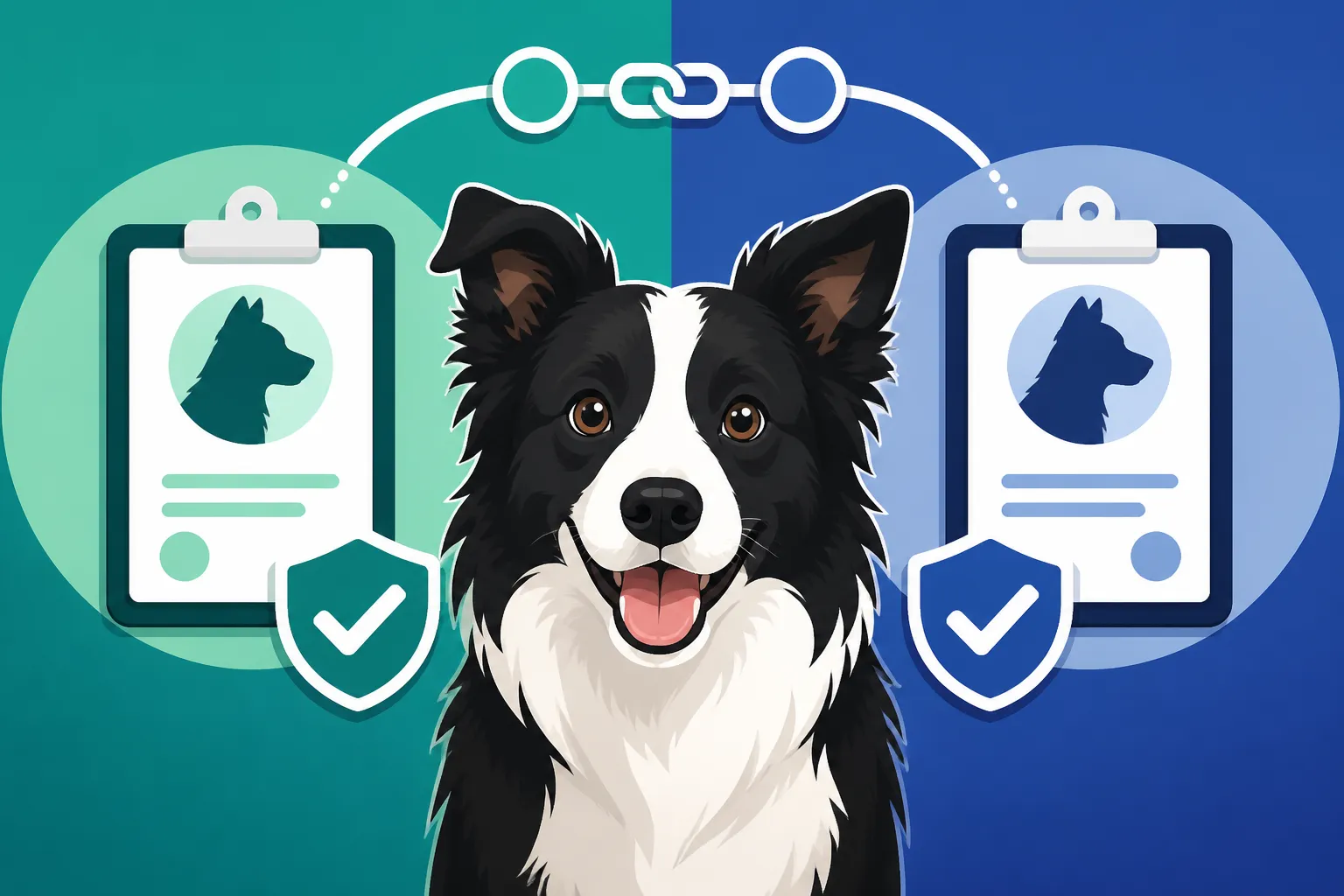
It’s a common scenario for Border Collie owners: you've fallen head over heels for this brilliant, energetic breed, and now you’re trying to navigate the often-confusing world of canine registrations. Many folks find themselves wondering if they can have the best of both worlds – registering their beloved Border Collie with both the American Border Collie Association (ABCA) and the American Kennel Club (AKC). This guide is here to shed light on the complexities, historical context, and practical realities of dual-registering a Border Collie, helping you understand what’s possible and what might be a bridge too far.
Understanding the Dual Registration Desire
When you bring a Border Collie into your life, whether from a working farm or a dedicated sport breeder, you're tapping into a rich heritage. It's only natural to want to recognize your dog's lineage and abilities through official channels. The desire to dual-register often stems from a longing to honor both the breed's working roots and its place in broader dog sports and companionship.
The Appeal of Both Worlds
For many, the Border Collie represents the pinnacle of canine intelligence and athleticism. On one hand, there's the deep tradition of the working Border Collie, a dog whose sole purpose is to gather and control livestock with unparalleled precision. Handlers in this world often value an unbroken lineage of working ability, typically recorded by the ABCA. On the other hand, the AKC offers a vast array of opportunities, from obedience and agility trials to rally and even conformation shows (though the latter is a point of contention for many working line enthusiasts). People often dream of a dog that can excel in herding trials and perhaps earn titles in AKC-sanctioned sports, leading to the question of how to bridge these two seemingly disparate worlds. It's about wanting to participate fully in all aspects of the dog world, acknowledging your Border Collie's versatility.
Navigating Breeder Expectations
The breeder you choose often sets the stage for your registration journey. Working-line breeders, particularly those deeply involved in the traditional sheepdog community, often hold strong views about registries. Many will exclusively register their pups with the ABCA, seeing it as the only true custodian of the working Border Collie standard. They may even have clauses in their contracts about not registering with the AKC. Conversely, some breeders focus on breeding Border Collies specifically for AKC performance events, while still valuing working ability, but prioritize the AKC's system for recognition in those sports. Then there are those who might breed for conformation in the AKC ring, where the focus is on appearance and adherence to a written standard. Understanding these different philosophies before you even pick up your puppy can save a lot of headaches later on. Always have an open conversation with your breeder about their registration practices and what their expectations are for their puppies' future competitive endeavors. You can learn a lot by asking your breeder for specific test results and their rationale behind their chosen registry.
The ABCA: Its Purpose and Philosophy
The American Border Collie Association (ABCA) stands as a testament to the breed's working heritage. It was established with a singular, unwavering focus: to preserve the Border Collie as a working stock dog. This mission dictates every aspect of their registration process and their stance on other registries.
A Registry Built on Work
The ABCA's roots are firmly planted in the sheepdog trials of the United Kingdom, tracing directly back to the International Sheep Dog Society (ISDS) in Britain. The philosophy is simple: a Border Collie is defined by its ability to work livestock. Registration with the ABCA is not based on appearance, color, or conformation to a visual standard, but on proven working ability of the dog's ancestors. This means that for a dog to be registered with the ABCA, its parents, grandparents, and so forth, must typically have demonstrated working ability. The ABCA's primary goal is to maintain the genetic pool of intelligent, biddable, and instinctively sound herding dogs. They believe that prioritizing working traits is paramount to the breed's survival as it was intended. This commitment is why you'll often find that the lineage recorded by the ABCA is a detailed history of working dogs, focusing on the qualities that allow them to perform tirelessly for hours in the field, moving stock efficiently and quietly.
Why the ABCA Resists Conformation
Here's where the philosophical divide becomes most apparent. The ABCA was established in large part as a direct response to concerns that breed clubs, focused on conformation shows (judging dogs on their physical appearance against a written standard), would dilute the Border Collie's working instincts. The founders believed that once appearance became a primary selection criterion, essential working traits—like eye, biddability, and stamina—would inevitably suffer. Their deep-seated concern led to a strict policy: the ABCA does not register dogs that have been shown in conformation classes or bred to conformation champions in other registries, particularly the AKC. This is a fundamental principle that has governed the ABCA since its inception and is a core reason why true dual-registration in the sense of full, reciprocal recognition is exceptionally rare, if not impossible, with the AKC for working-line dogs. For the ABCA, a Border Collie's value is in its mind and its work, not in how it looks standing still in a show ring. This strong stance is why Why the ABCA Objects to Conformation Showing is such a crucial topic in the Border Collie community.
The AKC: Its Scope and Standard
In stark contrast to the ABCA, the American Kennel Club (AKC) operates on a much broader platform, recognizing hundreds of breeds and offering a wide spectrum of events. Its approach to the Border Collie, while appreciative of the breed's heritage, incorporates a different set of priorities.
Expanding Beyond the Farm
The AKC officially recognized the Border Collie as a distinct breed in 1995. This decision was highly controversial within the working Border Collie community, leading to significant debate and even a split among breeders. The AKC's mission is to promote purebred dogs, and this includes maintaining breed standards for conformation, facilitating various dog sports (like obedience, agility, rally, tracking, and yes, even herding trials), and advocating for responsible dog ownership. For a Border Collie owner interested in exploring these diverse avenues, AKC registration opens many doors. It allows participation in a wide range of competitive events, offering titles that recognize a dog's achievements in various disciplines. This broader scope appeals to many who love the breed's intelligence and drive but may not have access to livestock or wish to pursue other performance activities. The AKC also provides a framework for breeders, with rules and guidelines for breeding, litter registration, and maintaining pedigree records.
The Conformation Standard
Unlike the ABCA, the AKC has a written breed standard for the Border Collie, which describes the ideal physical characteristics, temperament, and movement of the breed. This standard is what judges use in conformation shows to evaluate dogs. It covers everything from coat type and color to ear set, tail carriage, and overall athletic build. While the AKC standard does mention the Border Collie's "intense gaze" and working ability, the primary focus in conformation is on physical attributes. This is where the core disagreement with the ABCA lies. Working Border Collie enthusiasts argue that breeding for specific cosmetic traits, even if seemingly innocuous, can inadvertently diminish the essential herding drive and structure necessary for demanding work. For example, a dog bred for a specific head shape might not have the optimal skull structure for endurance, or certain coat requirements could interfere with its ability to shed burrs effectively. The introduction of conformation showing for the breed, therefore, created a significant divergence in breeding goals and philosophies, as explored in articles like The Working and Show Split in Border Collies.
The Inherent Conflict: Why Dual Registration is Tricky
Given the distinct philosophies and historical context, it's clear why simply "dual-registering" a Border Collie with both the ABCA and AKC isn't as straightforward as it might seem for other breeds. The core issue lies in conflicting ideologies and the specific rules each registry has in place.
Conflicting Ideologies
At the heart of the matter is the fundamental difference in what each organization believes constitutes a "Border Collie." For the ABCA, it's about function above all else. A dog that can't work stock isn't truly a Border Collie in their eyes, regardless of its pedigree or appearance. For the AKC, while acknowledging the breed's working heritage, the focus is broader, encompassing conformation, performance sports, and general pet ownership. The fear among ABCA supporters is that by allowing AKC registration, particularly for conformation, the breed's working integrity would be compromised. They envision a future where dogs are bred for looks rather than ability, leading to a decline in the very traits that make a Border Collie exceptional. This ideological chasm makes true, unconditional dual-registration a difficult proposition. The conversation around Why Working Breeders Fought AKC Recognition highlights this tension vividly.
ABCA's Stance on AKC Registration
The ABCA has a very specific policy regarding AKC registration. As mentioned, they generally will not register a dog whose parents have been shown in AKC conformation events or are registered as AKC champions in conformation. If a dog is registered with the ABCA, participating in AKC conformation shows with that dog can lead to its ABCA registration being revoked or future litters becoming ineligible. They consider participation in conformation to be contrary to their mission of preserving the working Border Collie. This means that if you have an ABCA-registered dog and you decide to show it in AKC conformation, you risk losing its ABCA standing. However, it's important to note that participating in AKC performance events (like agility, obedience, rally, or AKC herding trials which are distinct from traditional sheepdog trials) with an ABCA-registered dog is generally permissible and does not violate ABCA rules, as long as the dog has not participated in conformation. This nuance is crucial for owners who want to pursue both traditional working activities and broader performance sports. It’s always best to thoroughly review the specific rules on the ABCA's official website or contact them directly if you have questions about your individual dog's eligibility.
Here's a simplified comparison of the two main registries for Border Collies:
| Feature | ABCA (American Border Collie Association) | AKC (American Kennel Club) |
|---|---|---|
| Primary Focus | Preservation of working stock dog ability | Promotion of purebred dogs, conformation, diverse sports |
| Registration Basis | Proven working lineage & ability | Pedigree, adherence to breed standard (for conformation) |
| Conformation Shows | Actively discourages, can revoke registration | Primary avenue for breed recognition, judging appearance |
| Performance Sports | Supports (e.g., traditional sheepdog trials) | Supports wide array (agility, obedience, rally, AKC herding) |
| Philosophy | Function over form | Form & function (broader interpretation) |
| Historic Context | Founded to protect working lines from conformation | Established for diverse purebred dog interests |
| Breeder Base | Primarily working stock dog handlers | Diverse: show breeders, sport breeders, pet breeders |
| Typical Registration | ABCA-only or ISDS | AKC-only or dual-registered with ISDS (if from certain imports) |
Navigating the Nuances of Registration
So, if outright dual-registration is often off the table for dogs whose owners want to engage in AKC conformation, what are the alternatives? And what if your Border Collie comes from specific international lines? The world of dog registration has a few different paths and definitions that can be confusing.
"Limited" AKC Registration
One common misunderstanding revolves around AKC's "Limited Registration." This isn't a form of dual-registration, but rather a type of AKC registration itself. When a Border Collie receives AKC Limited Registration, it means the dog is registered with the AKC, but its offspring cannot be registered, and it cannot be entered in conformation shows. It can, however, participate and earn titles in all other AKC events, such as agility, obedience, rally, and herding trials. Many breeders, particularly those who sell puppies destined for pet homes or performance-only careers, opt for Limited Registration to ensure their dogs aren't bred without careful consideration or shown in conformation, which they might oppose. This can be a good compromise for an owner who wants to engage in AKC sports but respects a working breeder's desire to keep their lines out of the conformation ring. It's a way to get an AKC pedigree and participation rights without violating the spirit of many ABCA-aligned breeding programs, though the dog itself wouldn't be ABCA registered if its parents were AKC conformation titled.
Exploring Alternative Registries or Titles
Beyond the ABCA and AKC, there are other organizations that offer avenues for recognition and competition for Border Collies. For those primarily interested in traditional herding, the United States Border Collie Handlers' Association (USBCHA) is a crucial organization. The USBCHA sanctions trials across the country and is often the primary competitive outlet for serious working Border Collies. While not a breed registry in the same sense as the ABCA or AKC, a dog’s performance and titles within the USBCHA system are highly respected and represent true working merit. Many ABCA-registered dogs will also compete in USBCHA trials.
For those interested in a wider range of performance sports, there are organizations like the North American Dog Agility Council (NADAC), United States Dog Agility Association (USDAA), or even various flyball or disc dog organizations. These groups often have their own registration systems, which are separate from breed registries and focus solely on tracking a dog's performance in their specific sport. An ABCA-registered Border Collie can certainly compete in these venues without issue, earning titles that showcase its athletic prowess and intelligence. It's about matching your dog's talents and your own interests to the right competitive outlet, remembering that What a Border Collie Dog Sports Cost to Enter can vary widely between different organizations. You might find that your dog thrives in these environments, and you can source all their training gear and specialized food from retailers like Chewy or performance-focused brands like Ollie.
Making the Right Choice for Your Border Collie
Ultimately, the decision regarding registration comes down to your personal goals for your Border Collie and the specific lineage of your dog. There isn't a one-size-fits-all answer, and what's right for one owner might be completely inappropriate for another.
Prioritizing Your Goals: Working, Sport, or Pet
Before you commit to any registration path, take a moment to honestly assess what you want to do with your Border Collie.
- If you envision a future in traditional sheepdog trials, working cattle or sheep, and are deeply committed to preserving the working instinct, then an ABCA-registered dog from proven working lines is almost certainly the path for you. You will want to seek out breeders who prioritize working ability above all else.
- If your passion lies in performance sports like agility, obedience, or flyball, and you want to compete at the highest levels in AKC-sanctioned events, then an AKC registration might be more beneficial. Many dogs from excellent working lines also excel in these sports, and an AKC Limited Registration can often satisfy both the breeder's philosophy and your competitive aspirations. You will find that many of these highly active dogs benefit from a specialized diet, and companies like Ollie provide fresh, high-quality options tailored to energetic breeds.
- If your Border Collie is primarily a beloved companion with no serious competitive aspirations beyond basic obedience, then the specific type of registration might matter less to your daily life. However, it still informs the background and potential traits of your dog. Even as a pet, understanding your Border Collie's lineage helps you manage its innate drives. For example, knowing that your dog comes from strong working lines will explain why What a Border Collie Does With Its Whole Day needs to involve plenty of mental stimulation beyond physical exercise.
Communicating with Your Breeder
This cannot be stressed enough: open and honest communication with your breeder is paramount. They are the source of your puppy and have invested significant time and effort into their breeding program. Before you place a deposit, discuss your goals and ask about their registration practices.
- Ask about the parents' registrations: Are they ABCA? AKC? Both? If both, how did that come about?
- Inquire about their philosophy: Do they support AKC conformation? Why or why not?
- Understand their contract: Do they have specific clauses about what you can or cannot do with your puppy regarding registration or showing? Many working breeders will specifically state that their pups are not to be shown in AKC conformation, even if they are eligible for AKC performance events.
- Discuss your intentions: Be upfront about what you hope to do with your dog. A good breeder will appreciate your honesty and guide you toward the best fit.
For instance, if you get a puppy from an ABCA breeder and decide you want to do AKC agility, that's typically fine. You might be able to get an AKC PAL (Purebred Alternative Listing) or ILP (Indefinite Listing Privilege) number for your ABCA dog to compete in AKC performance events, as long as it isn't entering conformation. This allows participation without full AKC registration. Conversely, if you want a top-tier working dog, asking about the parents' working titles and their ABCA Registration Fees for a Border Collie will be far more relevant than asking about AKC papers. It's about finding alignment between your dreams for your dog and the breeder's dedication to their lines. Regardless of the path, ensuring your Border Collie is healthy is key; many owners opt for pet insurance from providers like Healthy Paws to cover unexpected vet bills, especially if they plan on active sports.
In summary, true "dual-registration" of a Border Collie with both the ABCA and AKC, particularly in a way that allows for participation in AKC conformation without impacting ABCA standing, is generally not possible due to the ABCA's strict policies. However, working-line Border Collies can certainly participate and excel in a multitude of AKC performance sports (agility, obedience, rally, herding trials) through various means, even if they are primarily ABCA registered. The key is understanding the distinct philosophies of each registry and making an informed choice that aligns with your specific goals for your incredible Border Collie.
Disclaimer
This article is for general informational purposes only and does not constitute professional advice. Laws, prices and regulations vary by location and change over time. Consult a qualified professional for guidance on your specific situation.