The Working and Show Split in Border Collies
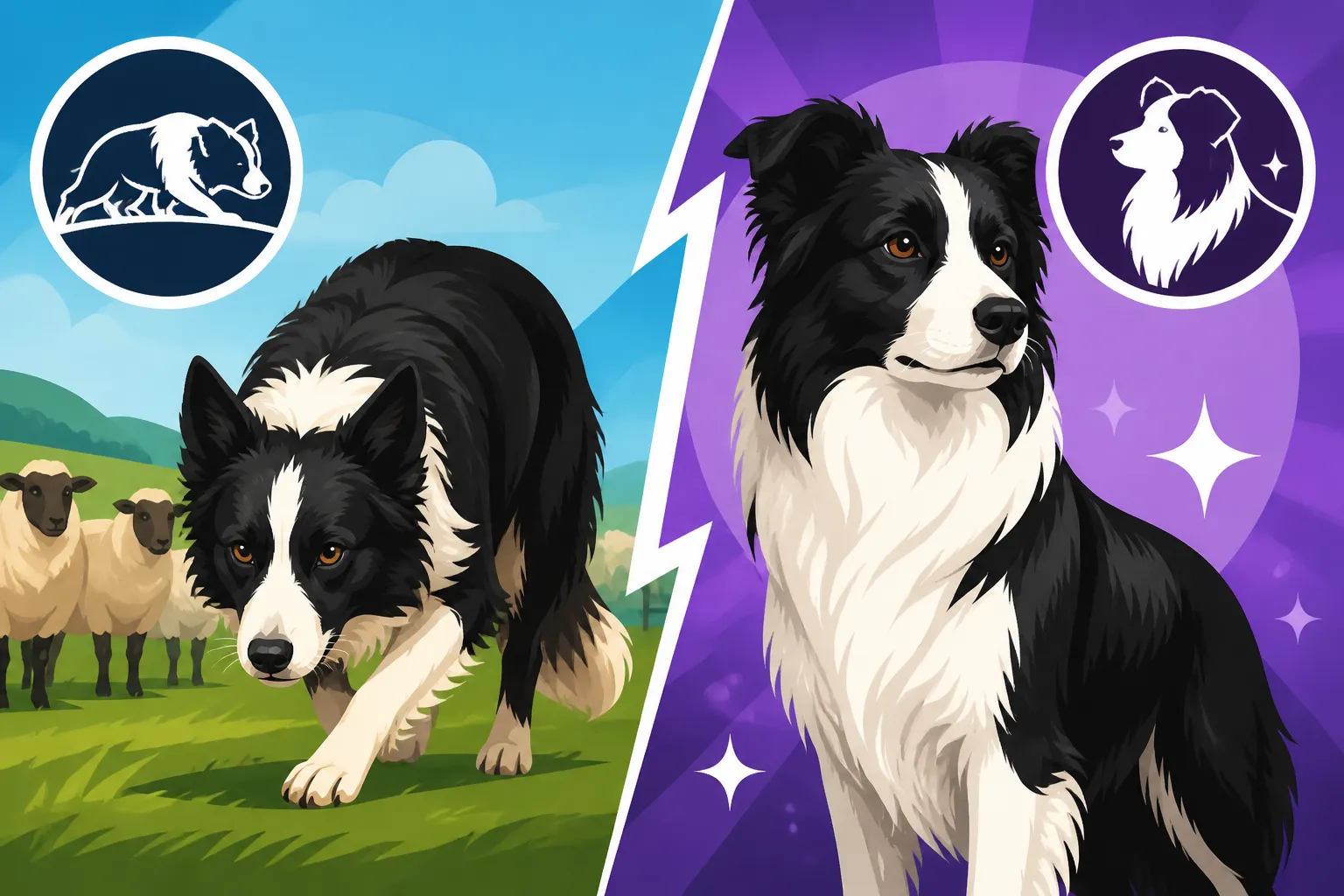
It's a common scenario for aspiring Border Collie owners: you see one gracefully working sheep on a farm, an intense, focused athlete, and then you see another prancing beautifully in a show ring, all flowing coat and perfect gait. You might wonder, "Are these even the same breed?" This confusion isn't just yours; it's a very real and often debated topic among Border Collie enthusiasts and breeders. The truth is, there's been a significant divergence in the breed over the decades, leading to what we now commonly refer to as "working lines" and "show lines." This guide will help you understand the historical reasons for this split, explore the distinct characteristics that define each type, and empower you to make an informed decision when bringing one of these incredible dogs into your life.
Understanding the Historical Divergence
To truly grasp why we have working and show lines in Border Collies today, we need to take a step back in time and understand the breed's very origins. Unlike many breeds developed for aesthetic purposes from the outset, the Border Collie was born purely out of necessity and function.
The Root of the Breed: Working Instincts
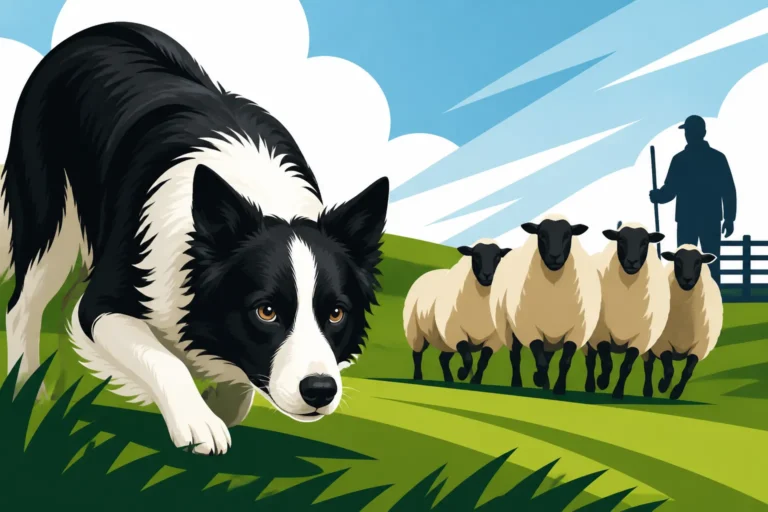
The Border Collie emerged from the rugged borderlands between Scotland and England, a region where sheep farming was, and still is, a way of life. Shepherds needed intelligent, agile, and tireless dogs to manage their flocks across vast, often challenging terrain. These dogs were selected, generation after generation, not for their coat color or ear set, but for their ability to gather, drive, and control sheep with an almost uncanny intuition. Their "eye"—that intense, focused stare—became a hallmark, allowing them to influence sheep without physical contact, a truly unique trait.
The early development of the Border Collie was a testament to natural selection, albeit guided by human hands focused on performance. Dogs that excelled at herding, were biddable, and possessed the stamina for long days were the ones bred. The legendary Old Hemp and Every Border Collie Alive Today, born in 1893, revolutionized herding dog trials with his quiet, powerful style, setting the template for the breed we know. This functional selection meant that variations in appearance were largely irrelevant; if the dog could do the job, it was a good dog. This deep-seated working instinct is still the driving force behind working lines today.
Early Registries and the Rise of Formal Recognition
As the fame of these remarkable sheepdogs spread, particularly through the burgeoning sheepdog trials, there came a desire for formal recognition and preservation. The International Sheep Dog Society (ISDS) was founded in 1906, with a clear mission to maintain the working integrity of the breed. For the ISDS, the pedigree was a record of working ability, not appearance. Dogs were registered based on proven herding talent, often through trials, rather than adherence to a physical standard. This emphasis on "form follows function" was paramount. You can read more about The International Sheep Dog Society, Founded 1906 to understand their foundational principles.
However, as the breed gained popularity, particularly outside of agricultural circles, interest grew from kennel clubs focused on breed standards that encompassed appearance, temperament, and health for non-working homes. This led to a contentious period, culminating in the American Kennel Club (AKC) recognizing the Border Collie in 1995. This decision was met with significant resistance from working breeders who feared that prioritizing appearance for the show ring would dilute the breed's essential working characteristics. Many still believe that Why Working Breeders Fought AKC Recognition was a necessary stand to protect the breed's heritage. This divergence in registration philosophy essentially cemented the paths for working and show lines.
The Working Border Collie: Purpose and Preservation
Working Border Collies are bred with one primary goal in mind: to be exceptional herding dogs. Every aspect of their breeding, from temperament to physical structure, is geared towards efficiency and effectiveness in the field.
Defining "Work": Herding Livestock
When we talk about a Border Collie's "work," we're not just talking about fetching a ball in the yard. We're referring to the intricate, demanding task of managing livestock, primarily sheep, but also cattle, goats, and even ducks. A truly skilled working Border Collie can move an entire flock with precision, separate specific animals, drive them into pens, or gather them from vast pastures. This requires a unique blend of physical prowess, mental acuity, and an innate understanding of animal behavior. They need to be agile, quick, and durable, capable of running for hours over rough terrain without tiring.
The mental aspect is equally, if not more, critical. A working Border Collie needs to think on its feet, anticipate the sheep's movements, and respond instantly to its handler's commands, often at a great distance. This isn't rote memorization; it's a dynamic partnership where the dog interprets, adapts, and makes decisions. They possess an incredible drive and an insatiable desire to work, traits that can be overwhelming in a non-working environment. For these dogs, herding isn't just a task; it's their calling, deeply embedded in their DNA.
Breeding Philosophies for Performance
Breeders of working Border Collies operate under a very specific ethos: "breed the best to the best to produce the best." This means selection is based almost entirely on proven working ability, often documented through success in sheepdog trials or exceptional performance on the farm. Pedigrees are scrutinized not for champions in the show ring, but for renowned working dogs, often listed with their ISDS registration numbers and trial accomplishments. Health considerations are vital, but always with the understanding that a dog must be sound enough to perform its demanding job. Breeders are looking for dogs with excellent stamina, structural soundness to withstand hard work, clear minds, biddability, and intense "eye."
Temperament in a working line is defined by its suitability for work: strong drive, intelligence, focus, and resilience. While they can be wonderful companions, their primary role dictates their breeding. They are not typically bred to be calm house pets; rather, they are bred to be intense working partners. Reputable breeders will be transparent about their dogs' working pedigrees and the demanding nature of their puppies. They often run genetic panels to screen for hereditary conditions like those listed in The Border Collie Genetic Panel and What It Screens, but the ultimate test remains performance on stock.
Life on the Farm: Beyond the Trial Field
For many working Border Collies, life unfolds on a farm. Their days are structured around the needs of the livestock. They might spend hours assisting with moving sheep from one pasture to another, bringing in lambs, or helping during shearing. This active, purposeful existence fulfills their inherent drives in a way that few other lifestyles can. They are valued members of the farm team, their intelligence and instincts saving countless hours of human labor.
However, even a working Border Collie isn't constantly "on." When not working, they are typically keen observers, often resting near their handler, ready for the next command. Their "off-switch," while present, is often different from that of a pet dog. They may not be as naturally inclined to relax quietly for long periods indoors if their mental and physical needs aren't met through actual work. It's a demanding life, both for the dog and the handler, but it's one where the Border Collie truly shines and feels fulfilled. The challenges of farm life mean that working dogs need durable gear, from leashes to beds, and a visit to places like Chewy might be a frequent occurrence for supplies that stand up to tough conditions.
The Show-Bred Border Collie: Aesthetics and Conformation
On the other side of the spectrum is the show-bred Border Collie, developed with a focus on conforming to a written breed standard and excelling in the conformation ring.
The Kennel Club Standard and Its Interpretations
When a breed is recognized by a kennel club, a "breed standard" is established. This document outlines the ideal physical characteristics, gait, and temperament for the breed. For the Border Collie, the AKC and other kennel clubs adopted standards that describe a dog of certain size, bone structure, coat type, color, and head shape, along with a "keen, intelligent, eager, and alert expression." You can look at The Kennel Club Standard of 1977 for an example of such a detailed description. While the standards do pay homage to the breed's working heritage by mentioning agility and stamina, the primary judgment in the show ring is based on how well an individual dog looks compared to this written ideal.
This emphasis on appearance inevitably leads to different breeding priorities. Features like coat length, markings, and overall "prettiness" take on greater importance. Judges are looking for balance, soundness, and adherence to the aesthetic standard, which can sometimes diverge from what is purely functional in the field. For instance, a very profuse coat, while beautiful in the ring, might be a hindrance in thorny brush or harsh weather for a working dog.
Breeding for the Ring: Looks and Temperament
Show breeders select their breeding stock based on their success in conformation events and how closely they adhere to the breed standard. Genetic health testing is still crucial, as is a sound temperament, but the ultimate goal is to produce puppies that will be competitive in the show ring. This can mean breeding for specific traits like a certain head shape, ear set, or fullness of coat that may not directly correlate with herding ability.
Temperament in a show-bred Border Collie is still intelligent and biddable, as required by the standard, but often with an emphasis on being more outgoing and tolerant of varied environments and handling by strangers – qualities necessary for the show ring. While they retain the intelligence and athleticism of the breed, their "drive" for specific herding tasks might be less pronounced or redirected into other activities like agility, obedience, or simply being an active family companion. They are often bred to be slightly calmer and more adaptable to a typical suburban or even urban lifestyle, though they are by no means low-energy dogs.
Life as a Companion: The Pet Home
The vast majority of show-bred Border Collies find their homes as active companions in families. They are incredibly smart, often excelling in dog sports like agility, flyball, or obedience, where their athleticism and intelligence shine. They love being involved in family activities and thrive on consistent training and mental stimulation. Many show-line Border Collies are also fantastic therapy or assistance dogs due to their intelligence and generally more adaptable temperaments.
However, it's crucial to remember that even a show-bred Border Collie is still a Border Collie. They are not content to be couch potatoes and require significant physical and mental exercise to prevent boredom and destructive behaviors. Owners often find that providing structure and engagement, whether through daily training sessions, long hikes, or organized dog sports, is key to a happy and well-adjusted companion. Toys, engaging treats, and quality food from places like Chewy are staples in these homes, ensuring these intelligent dogs remain stimulated. Understanding The Kind of Home a Border Collie Settles In is vital for any prospective owner, regardless of the line.
Key Differences in Appearance and Temperament
While both working and show Border Collies share the same breed name and a common ancestry, the divergent breeding goals have led to noticeable differences in their physical characteristics and behavioral tendencies.
Physical Traits: From Coat to Structure
Visually, the differences can be quite striking. Working Border Collies are typically bred for lean athleticism. They often have less coat, sometimes even a smooth coat, which is more practical for working in rough terrain and is easier to clean. Their build tends to be slightly lighter, allowing for greater agility and endurance. Facial expressions are often less "refined" by show standards, purely focused on the intense, purposeful gaze. Their ear set might be more varied, sometimes standing fully erect, sometimes tipped, sometimes dropped, again with no specific aesthetic preference impacting their ability to work.
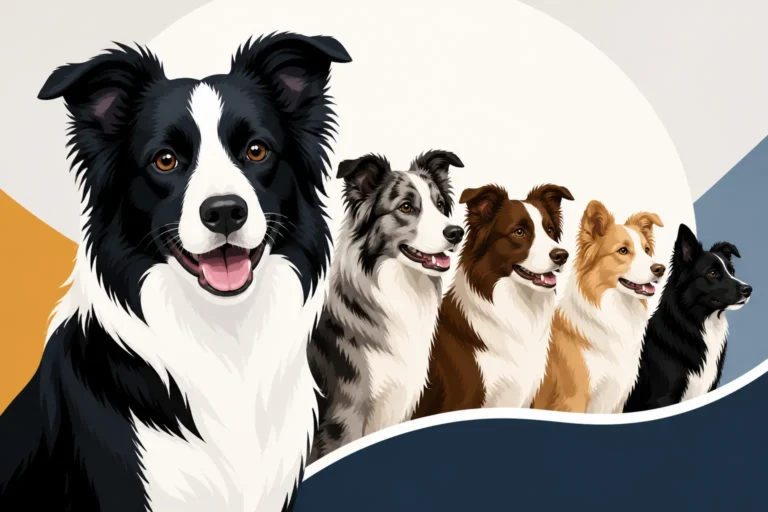
Show-bred Border Collies, on the other hand, often present a more "refined" or "glamorous" image. They tend to have fuller, longer coats (rough coat is more common in show lines), which requires more grooming and gives them a more striking appearance in the ring. Their body structure might be slightly heavier or more substantial, adhering to the written standard's ideal proportions for bone and substance. They often have a more uniform look in terms of head shape and ear set, with tipped or dropped ears being preferred in many standards. You can delve into the diversity of the breed's appearance in Border Collie Colors and Coat Types.
Behavioral Nuances: Drive, Focus, and Off-Switch
This is where the most significant differences often lie. Working Border Collies are characterized by an incredibly high prey drive, often referred to as "herding drive." They have an intense focus and an almost obsessive desire to work. Their "off-switch" might take longer to engage, meaning they might remain mentally "on" even when physically resting, constantly scanning their environment for something to do or herd. This intensity can be overwhelming for inexperienced owners or those living in environments without suitable outlets. What a Border Collie Does With Its Whole Day highlights the intensity.
Show-bred Border Collies generally possess a more moderated level of drive. While still highly intelligent and active, they are often bred to be more adaptable to a non-working lifestyle. Their focus might be broader, less singularly fixed on herding, making them more versatile for various dog sports or as family pets. Their "off-switch" tends to be more accessible, meaning they can settle down and relax more readily after exercise. They are still driven, but often channel that drive into obedience, fetching, or other interactive games rather than solely herding.
| Feature | Working Line Border Collie | Show Line Border Collie |
|---|---|---|
| Primary Goal | Herding livestock, working ability paramount | Conformation to breed standard, aesthetics, pet appeal |
| Appearance | Leaner, athletic build; often shorter/smoother coat; varied ear set; functional look | Fuller coat (often rough); more substantial build; consistent head shape/ear set (often tipped/dropped); "pretty" look |
| Temperament | Very high drive, intense focus, strong "eye," biddable, resilient | High intelligence, biddable, adaptable, often more outgoing, moderated drive compared to working lines |
| Energy Needs | Extremely high physical and mental demand; requires purposeful work | High physical and mental demand; thrives on structured activities and training |
| Ideal Home | Farm, ranch, experienced handler in herding sports | Active family, dog sports enthusiast, experienced owner ready for high engagement |
| Health Focus | Soundness for work, genetic health testing | Genetic health testing, overall soundness for longevity and show ring |
Health Considerations Across Lines
Both lines generally share a propensity for certain genetic health issues common to the breed, such as Collie Eye Anomaly in a Border Collie Puppy and hip/elbow dysplasia. However, breeding priorities can subtly influence prevalence. Working breeders emphasize structural soundness that withstands years of strenuous activity, often using hip and elbow scores to select breeding stock. They also focus on mental clarity to avoid conditions like epilepsy that could compromise a dog's ability to work safely and effectively. Epilepsy in a Border Collie Between One and Five is a concern for all Border Collies.
Show breeders also prioritize health, but their selection criteria might include considerations for longevity and aesthetic health traits, such as eye structure for show purposes. Because both lines stem from the same core breed, a responsible breeder from either side will conduct comprehensive health testing, including those outlined in Which DNA Tests a Border Collie Breeder Should Have Run, to minimize the risk of passing on hereditary diseases. It's always crucial to ask about health clearances regardless of whether you're looking at a working or show line.
Navigating the Choice: Which Border Collie is Right for You?
Choosing between a working and a show-line Border Collie isn't about one being "better" than the other; it's about finding the right fit for your lifestyle and expectations. It's a big decision, and it’s important to be honest with yourself about what you can offer.
Assessing Your Lifestyle and Expectations
This is arguably the most critical step. Are you an avid hiker, runner, or involved in dog sports? Do you have experience with high-drive breeds? Do you work from home or have a schedule that allows for frequent engagement with your dog? A working-line Border Collie, even one not destined for the farm, needs a "job." This job could be competitive obedience, advanced agility, or scent work, but it needs to be demanding and consistent. Their intense focus and energy require an owner who understands how to channel it constructively. If you can't provide several hours of dedicated mental and physical stimulation daily, a working line might quickly become a handful, leading to behavioral issues like destructive chewing, incessant barking, or shadow chasing.
A show-line Border Collie, while generally more adaptable, still needs a significant commitment. They thrive on structured exercise, training, and being an integral part of the family. If your idea of exercise is a leisurely stroll around the block once a day, even a show-line Border Collie will likely be bored and frustrated. Think about your available time, your living situation, and your willingness to commit to training for the dog's entire life. This breed is not for the faint of heart or those seeking a low-maintenance companion.
Finding a Reputable Breeder
Once you've considered your lifestyle, the next step is finding a reputable breeder who aligns with your goals. For a working-line dog, you'll want to seek out breeders whose dogs are actively working sheep or competing in high-level herding trials. They will talk extensively about genetics, working style, and temperament specific to herding. They should be able to show you videos of their dogs working and introduce you to the parent dogs to assess their working drive and character. Be prepared for a thorough interview process; these breeders are very protective of their lines and want to ensure their puppies go to appropriate homes. They will also be transparent about the health testing they do.
For a show-line Border Collie, look for breeders who regularly compete in conformation shows, agility, obedience, or other performance events. They should be able to show you titles on their dogs' pedigrees. Again, a reputable breeder will prioritize health testing and temperament, producing dogs that are sound both physically and mentally. They will welcome questions, provide references, and be keen to ensure their puppies are a good fit for your home. Avoid breeders who focus solely on color or "rare" traits, or who cannot articulate their breeding goals beyond simply having puppies for sale. Always ask to see the parents and the environment the puppies are raised in.
Considering a Rescue
For many, a rescue Border Collie can be a truly rewarding option, offering a second chance to a dog in need. Rescue organizations often have a mix of dogs from various backgrounds, including those surrendered from working homes that couldn't cope, or show-bred dogs whose owners underestimated their needs. Rescues typically perform thorough evaluations of each dog's temperament, energy levels, and any known history or training. This can be an advantage, as the dog's adult personality is already apparent.
The process usually involves an application, interviews, and home checks to ensure a suitable match. While you might not get a puppy, rescuing an adult dog means bypassing some of the intense puppy stages and often getting a dog that is already house-trained or has some basic manners. Many Border Collie-specific rescues do incredible work in rehabilitating and rehoming these intelligent dogs, often providing valuable support and resources to adopters. Remember that Rehoming the Border Collie a Family Could Not Keep Up With is a common scenario because people often underestimate the breed's needs, so a rescue dog might come with past experiences that require patience and understanding.
Debunking Myths and Misconceptions
The working and show split has unfortunately given rise to several myths that can confuse prospective owners and perpetuate stereotypes about the breed. Let's clear some of them up.
The "Lazy" Show Border Collie Myth
One prevalent misconception is that show-bred Border Collies are "lazy" or have no drive. This simply isn't true. While their drive might be channeled differently or be less singularly focused on herding, show-line Border Collies are still highly intelligent, athletic, and require significant mental and physical stimulation. They are not designed to be sedentary pets. Many show-bred Border Collies excel in competitive dog sports precisely because they possess the core intelligence, biddability, and athleticism of the breed.
The difference often comes down to what activates their drive. A working line might be intrinsically motivated by movement and the desire to control, whereas a show line might be more motivated by toys, treats, or handler interaction in structured training. Both types need an owner committed to providing outlets for their intelligence and energy. A show-bred Border Collie might need less sheep work, but they absolutely need plenty of long walks, runs, agility training, frisbee, or puzzle toys from places like Chewy to stay happy and fulfilled.
The "Aggressive" Working Border Collie Myth
Another harmful myth suggests that working Border Collies are inherently aggressive or too intense for family life. This is also largely untrue. While working lines can be incredibly intense and possess a strong herding instinct that may manifest as nipping at heels or "eyeing" children, this is usually a misdirection of their natural drives, not true aggression. Their intensity means they need very clear boundaries, consistent training, and appropriate outlets for their energy.
A well-bred, well-socialized working Border Collie, even if it has a high drive, can be a wonderful companion. However, they are not typically the "easiest" dogs to integrate into a busy family home with young children without significant management and training. Their natural instinct to control movement means they might try to herd children or other pets, which needs to be redirected. Early socialization and consistent training from a young age are crucial for any Border Collie, but especially for those with very high working drives.
Can a Show Border Collie Work? Can a Working Border Collie Show?
This is a nuanced question, and the answer is: sometimes, with caveats.
A show-bred Border Collie can certainly have herding instinct and can be trained to work stock. Many do enjoy herding lessons and even compete in lower-level herding events. However, they may not possess the same level of innate "eye," stamina, or genetic predisposition for the nuanced decision-making required for high-level working trials or complex farm tasks. Their physical structure, bred for the show ring, might also not be as perfectly suited for the rigors of all-day work over varied terrain as a working-bred dog. They might excel in other sports, but becoming a top-tier working dog might be a significant uphill battle against generations of selective breeding for other traits.
Conversely, a working-bred Border Collie can participate in conformation shows, but it's less common for them to be successful at the highest levels. This is primarily because their physical appearance may not align with the specific aesthetic standards of the show ring. Their coat might be too sparse, their body too lean, or their ear set not "correct" by show standards. However, many working Border Collies excel in performance events like agility and obedience, where their intelligence and drive are highly prized. While they may not win "Best in Show," they certainly can win "High in Trial" in other competitive disciplines. The AKC's 1995 decision created a pathway for dual-registration, but the ABCA, for example, maintains its strict focus on working merit and has resisted efforts to recognize dogs with conformation titles.
Training and Management Considerations
Regardless of whether you choose a working or show-line Border Collie, proper training and management are absolutely non-negotiable. These are highly intelligent, sensitive dogs that thrive on routine, clear communication, and purposeful engagement.
Exercise Requirements
Both types of Border Collies have high exercise needs, but the type of exercise can differ. For a working-line dog, nothing truly replaces the mental and physical demands of herding. If real stock work isn't an option, then activities like competitive agility, advanced obedience, Schutzhund, flyball, or long-distance running (once fully grown and cleared by a vet) are necessary. A simple walk around the block twice a day will not suffice; it needs to be engaging, varied, and physically challenging. Think hours of structured activity, not minutes. Exercise, Work and What Actually Settles a Border Collie delves deeper into this.
Show-line Border Collies also need extensive exercise, typically 1-2 hours of vigorous activity daily, often broken into multiple sessions. This can include brisk walks, runs, cycling, swimming, intense fetch sessions, or dog park visits (if well-socialized). The key is that the exercise should be mentally engaging as well as physically demanding. They benefit greatly from activities that challenge their minds and bodies simultaneously.
Mental Stimulation
This is where Border Collies truly shine and also where many owners fall short. Their intelligence means they need constant mental engagement. Puzzle toys, scent work, trick training, advanced obedience, and even learning the names of their toys (like the famous Chaser, the Border Collie) are all excellent ways to keep their minds sharp. Without adequate mental stimulation, these dogs can become destructive, anxious, or develop obsessive behaviors like shadow chasing or incessant barking.
For a working-line dog, mental stimulation can often be tied to their drive – problem-solving games that mimic herding challenges, or highly structured training sessions that demand intense focus. For a show-line dog, it might involve learning complex tricks, participating in rally obedience, or practicing advanced scent detection. Remember, a tired Border Collie isn't just physically tired; its brain needs to be tired too. Incorporating activities that engage their problem-solving skills and allow them to "think" will pay dividends in a calmer, happier dog. Mental Work That Tires a Border Collie Faster offers more insights into this critical aspect of care.
Socialization and Environmental Exposure
Early and ongoing socialization is vital for all Border Collies. Exposing puppies to a wide variety of sights, sounds, people, and other dogs in a positive way helps them develop into confident, well-adjusted adults. For working-line dogs, this is especially important as their intensity can sometimes lead to shyness or reactivity if not managed carefully. They need to learn that not everything moving needs to be herded or controlled.
For show-line dogs, good socialization prepares them for the hustle and bustle of dog shows, public outings, and interactions with various people. They need to be comfortable in new environments and with different forms of handling. Continuing socialization throughout their lives, whether through dog classes, playdates, or trips to appropriate public spaces, helps to reinforce positive behaviors and prevents the development of fears or anxieties. A well-socialized Border Collie, regardless of its line, is a much happier and more confident companion.
The Future of the Breed
The conversation around the working and show split isn't going away anytime soon. It's a complex issue rooted in the breed's history, and the future depends on thoughtful, responsible breeding practices.
Bridging the Divide: Efforts to Preserve Type
There are ongoing efforts by dedicated individuals and organizations to bridge the divide or at least ensure that the core characteristics of the Border Collie are not lost. Some breeders strive for "versatility," producing dogs that can excel in both performance events and conformation, or perhaps possess the herding instinct without the overwhelming drive of a top-tier working dog. These breeders aim to maintain the intelligence, biddability, and athleticism that define the breed, while also producing dogs suitable for active companion homes.
Additionally, many working breeders recognize the need for careful health screening and temperament assessment to ensure their lines remain robust and sound. Similarly, many show breeders are deeply committed to preserving the working essence of the Border Collie, even if their dogs don't actively work sheep. They often participate in herding instinct tests or other performance sports to demonstrate their dogs' capabilities beyond just the show ring. The goal for all responsible breeders is to produce healthy, well-tempered dogs that embody the best qualities of the Border Collie.
The Importance of Responsible Breeding
Ultimately, the future health and integrity of the Border Collie breed, whether working or show line, rests in the hands of responsible breeders. This means:
- Prioritizing Health: Comprehensive genetic health testing and structural evaluations (hips, elbows, eyes) for all breeding dogs.
- Temperament First: Breeding for stable, intelligent, and biddable temperaments suitable for the intended purpose.
- Clear Goals: Breeders should have clear, well-articulated goals for their breeding program, whether it's enhancing working ability, improving conformation, or developing versatile companions.
- Transparency: Openly discussing the strengths and weaknesses of their lines, their breeding decisions, and the expected characteristics of their puppies.
- Lifelong Support: Offering support and advice to puppy buyers throughout the dog's life and being willing to take a dog back if it doesn't work out.
For prospective owners, it means doing your homework, asking tough questions, and being prepared to commit to the unique needs of this extraordinary breed. Whether you choose a working-line dynamo or a show-line athlete, a Border Collie is a partner that will demand your engagement, challenge your intellect, and reward you with unparalleled loyalty and affection.
Disclaimer
This article is for general informational purposes only and does not constitute professional advice. Laws, prices and regulations vary by location and change over time. Consult a qualified professional for guidance on your specific situation.