Why the ABCA Objects to Conformation Showing
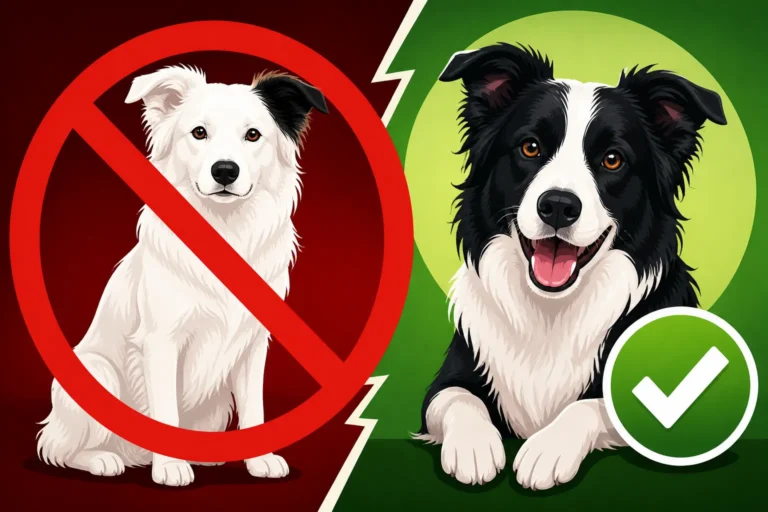
It's no secret that the Border Collie is a dog breed unlike almost any other, renowned for its intense intelligence and unparalleled working drive. But for many potential owners, it's incredibly confusing to see two distinct worlds for the breed: the dazzling show ring, and the rugged farm field. This guide aims to demystify why organizations like the American Border Collie Association (ABCA) hold such strong objections to the conformation showing of Border Collies, revealing the deep-seated concerns about what such practices could mean for the very essence of the breed.
The Historical Roots of the Border Collie and Its Purpose
To truly understand the ABCA's stance, we first need to look back at where the Border Collie came from. This isn't a breed that was created in a palace or bred for a fancy park stroll; it was forged in the crucible of necessity, on the harsh, unforgiving landscapes where sheep needed managing, and life depended on it.
Born on the Border: A Breed Forged for Work
Imagine the rolling hills and challenging weather of the Anglo-Scottish border region – a place where sheer grit and intelligence were paramount for survival, both for humans and their livestock. This was the birthplace of the Border Collie. The shepherds in this area weren't looking for a pretty dog; they needed a canine partner capable of thinking, strategizing, and moving sheep over vast distances with minimal human intervention. Their dogs needed incredible stamina, an innate understanding of livestock behavior, and an unshakeable desire to work. Appearance simply wasn't a factor in these early breeding decisions. The focus was entirely on functionality, on producing a dog that could consistently perform its demanding job. If you're curious about the historical context, read more in The Border Country That Produced the Border Collie.
The defining moment for the breed's development is often traced back to a dog named Old Hemp and Every Border Collie Alive Today, born in Northumberland in 1893. Hemp possessed an extraordinary, quiet working style that revolutionized sheepdog handling. He was calm, powerful, and intuitive, and his progeny became highly sought after, solidifying the idea that working ability was the sole criterion for a good Border Collie. This intense selection for working traits, generation after generation, is what molded the Border Collie into the canine marvel we know today.
Performance Over Appearance: The Early Breeding Ethos
For centuries, the shepherds who cultivated these dogs had one metric for success: how well the dog could work sheep. A dog might have mismatched ears, a crooked tail, or an uneven coat pattern, but if it could gather a flock from a distant hill, hold them steady, and bring them through a gate without fault, it was a valuable animal. Physical traits were only important insofar as they contributed to, or didn't hinder, working ability. This meant a lean, athletic build, excellent eyesight, and the mental fortitude to handle challenging situations.
The concept of a "breed standard" based on physical appearance, as seen in many other dog breeds, was alien to the early Border Collie breeders. They were essentially forming a landrace, selecting individuals based purely on genetic merit for a specific task. This approach allowed for a wide variety of appearances within the functional type, from rough coats to smooth, various colors, and ear sets. The diversity of the Border Collie's look today is a direct legacy of this singular focus on working aptitude. It wasn't until the early 20th century that efforts began to formalize the breed, with The International Sheep Dog Society, Founded 1906 establishing a registry based on working merit, a stark contrast to typical kennel club practices.
The Rise of Conformation Showing and Kennel Club Recognition
While the Border Collie was perfecting its craft on the fields, a different kind of canine competition was gaining popularity around the world: the dog show. This new arena brought with it a whole new set of values for what constituted a "good" dog.
The Lure of the Show Ring: A Different Kind of Value
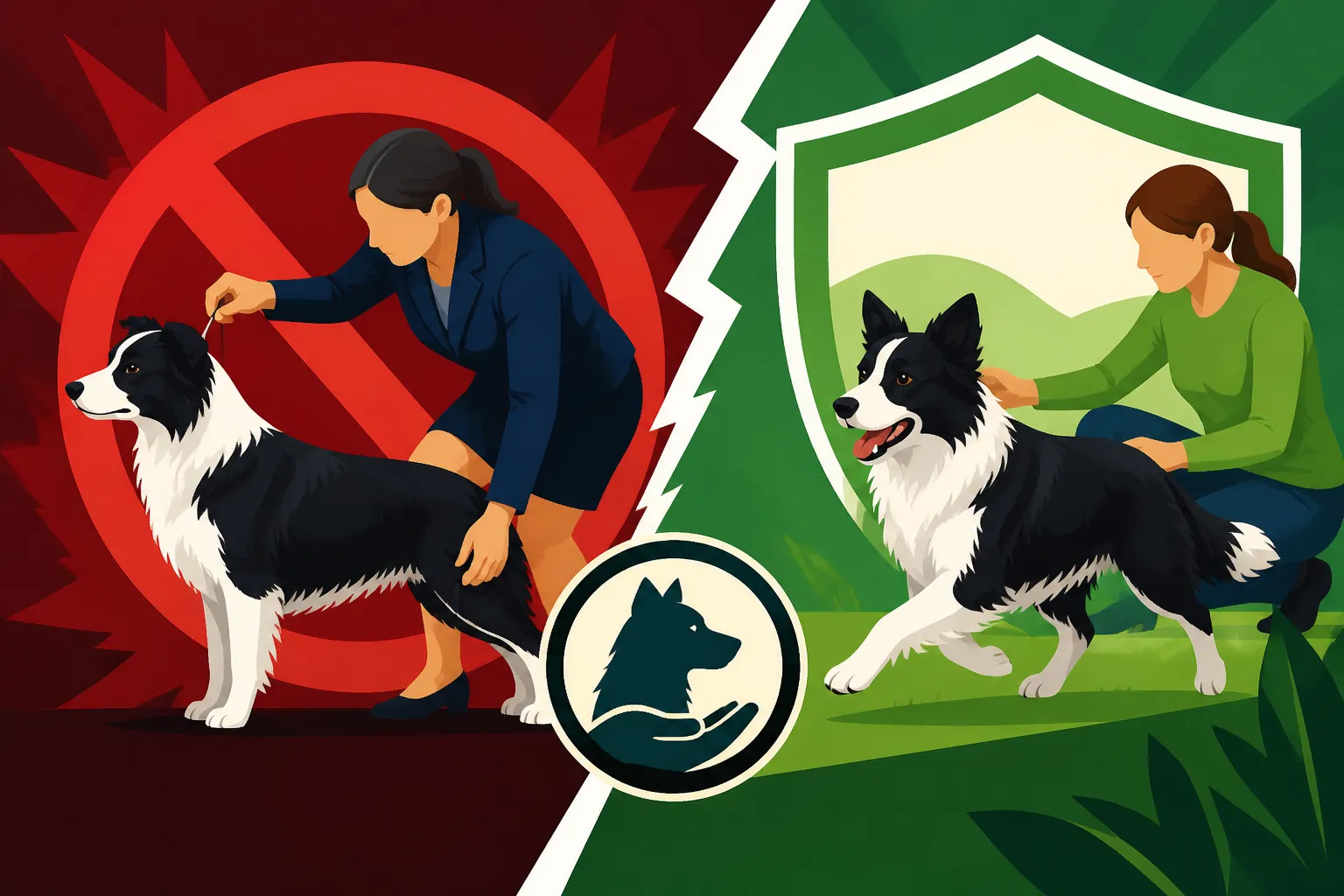
Conformation shows, often run by organizations like the American Kennel Club (AKC), judge dogs based on how closely they adhere to a written "breed standard" describing ideal physical appearance, movement, and temperament. Dogs compete to be judged as the best example of their breed, with aesthetics, coat quality, head shape, and gait taking center stage. For many breeds, this has been the traditional path to recognition and preservation. The winners are often sought after for breeding, perpetuating the traits that excel in the show ring.
This system, however, fundamentally clashes with the historical development of the Border Collie. For a breed whose identity is so deeply intertwined with its working function, shifting the focus to appearance raises immediate red flags for those dedicated to preserving its heritage. The fear is that breeding for a specific look might inadvertently select against the very intelligence, drive, and physical soundness required for intense herding work. If you've ever watched a Border Collie work, you know that their purpose is their very soul; it's what makes them truly special.
The AKC's Decision and the Border Collie Divide
The turning point for the Border Collie in the United States came in 1995 when the American Kennel Club decided to officially recognize the breed for conformation showing. This move ignited a fierce and passionate debate within the Border Collie community, leading to a profound split that continues to this day. The ABCA and Its Working Registry vehemently opposed the AKC's decision.
The ABCA, founded with the explicit purpose of preserving the working Border Collie, saw AKC recognition as an existential threat to the breed's future. They believed that introducing conformation showing would inevitably lead to a divergence from the working standard, creating two distinct types of Border Collies: those bred for the show ring and those bred for the field. Many working enthusiasts felt that the AKC's system, which judges dogs on static physical traits, was entirely inappropriate for a breed whose essence lies in dynamic performance. This resistance led to a unique situation where many working Border Collies remain exclusively registered with the ABCA, actively avoiding AKC registration to emphasize their commitment to working lines. You can learn more about this contentious period in What Happened When the AKC Recognized the Border Collie and Why Working Breeders Fought AKC Recognition.
Why the ABCA Stands Firm Against Conformation
The ABCA's objection isn't just a matter of tradition or sentimentality; it's rooted in a deep understanding of canine genetics, behavior, and the practical demands of working livestock. They believe that conformation showing actively undermines the very qualities that make a Border Collie a Border Collie.
Preserving Working Instincts and Health
The primary concern for the ABCA is the potential erosion of the Border Collie's incredible working instinct. When breeders begin to prioritize a specific coat color, ear set, or tail carriage for the show ring, the focus on inherent herding ability can become secondary. Over generations, this shift in selection criteria can dilute the intense "eye," the biddability, the stamina, and the problem-solving intelligence that are hallmarks of a top-tier working Border Collie. The fear is that dogs bred purely for looks might lack the innate desire or capability to work sheep, turning them into high-energy pets without a suitable outlet, which often leads to behavioral issues.
Furthermore, there are significant health concerns. Breeding for exaggerated physical traits, or for a very specific, limited gene pool favored by show winners, can inadvertently introduce or perpetuate health problems. For instance, an emphasis on a particular gait might lead to structural issues that compromise joint health over time. Working Border Collies need to be sound, athletic, and free from debilitating conditions to perform their strenuous tasks year after year. The ABCA argues that prioritizing health and soundness for function naturally leads to a robust dog, whereas prioritizing arbitrary aesthetics can lead to unsoundness. This is part of the larger discussion about The Working and Show Split in Border Collies.
The Slippery Slope of 'Type': Form Following Function
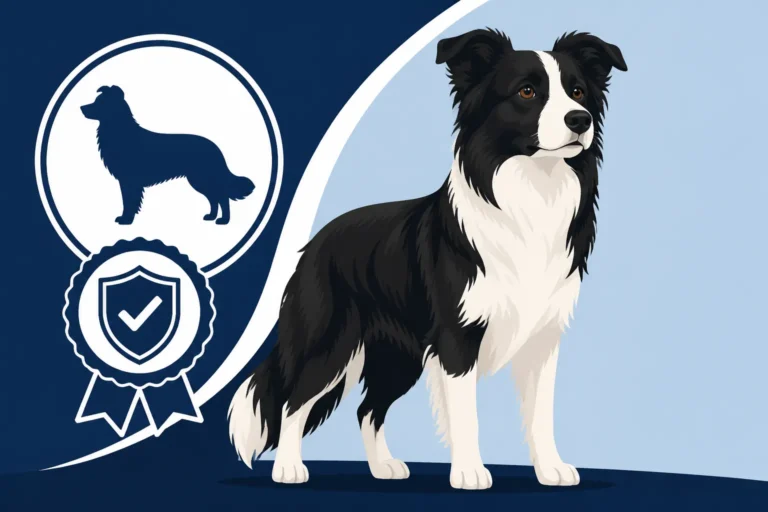
The concept of "breed type" in conformation showing often means achieving a very specific aesthetic. For some breeds, this has led to changes in body structure, coat, and even temperament that can compromise their original purpose. For example, excessive coat can hinder a dog working in rough terrain or harsh weather. An overly heavy or stocky build can reduce agility and endurance. The Border Collie, by its very nature, needs to be agile, powerful, and built for sustained, athletic work.
The ABCA believes that when form begins to dictate function, the breed is on a "slippery slope." They emphasize that for a working Border Collie, form must follow function. The ideal Border Collie is built like an athlete – moderate in size, with a balanced structure that allows for powerful, efficient movement across diverse terrains. Any deviation from this functional ideal, whether it's an extreme coat or a heavier bone structure, is seen as detrimental to the breed's ability to perform its job effectively.
The Risk to the Border Collie's Unique Traits
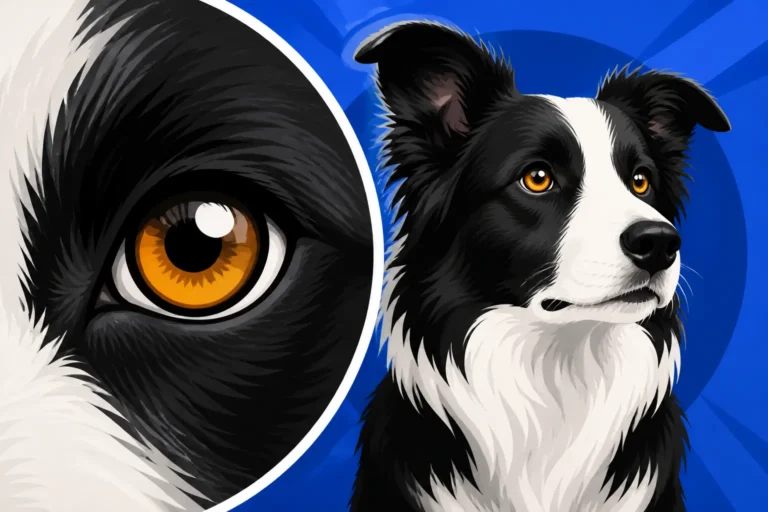
Border Collies possess several unique traits that are absolutely essential for their work. The "Border Collie eye," for instance, is that intense, focused stare they use to control livestock. It's a mental tool, not just a physical look. The ability to "read" sheep, to anticipate their movements, and to work quietly and methodically without resorting to barking or gripping (biting) are all highly valued instincts. These are complex behavioral traits, not easily encapsulated in a written standard or judged in a show ring.
The ABCA worries that if breeding decisions are made based on superficial characteristics rather than these intricate working behaviors, these vital traits could be diminished or lost entirely. A show judge can't assess a dog's "eye" or its herding intuition just by looking at it standing still. This is why working trials are so important to ABCA breeders – they are the ultimate test of a Border Collie's genetic predisposition and training. Understanding the depth of this trait helps clarify the issue, and you can delve deeper into it with The Eye That Sets a Border Collie Apart. The ABCA’s philosophy is that a Border Collie's worth is in its ability to fulfill its inherent purpose, not in how well it conforms to a human-made aesthetic. To truly appreciate a Border Collie, you need to understand What a Border Collie Does With Its Whole Day.
The Practical Implications for Border Collie Owners
This divide between working and show lines has very real consequences for anyone considering bringing a Border Collie into their home. Understanding the ABCA's objections can help you make a more informed decision that aligns with your lifestyle and expectations for your canine companion.
Choosing a Border Collie: Working Lines vs. Show Lines
When you're looking for a Border Collie puppy, you'll quickly encounter breeders who identify as either "working line" or "show line." The ABCA's stance directly informs the philosophy of working line breeders. These breeders prioritize working titles, proven ability on stock, and health clearances that support a dog's long-term soundness for work. Their pedigrees will typically show generations of successful herding dogs. If you're looking for a dog with an intense drive and the potential for a sport like herding, agility, or obedience at a high level, a working line dog is generally what you'll want to pursue. These dogs require significant mental and physical engagement, and breeders will often be very upfront about the commitment required. You'll likely be directed to resources for durable toys and high-quality performance foods, perhaps found easily on sites like Chewy, to support their energetic lifestyles.
Conversely, "show line" breeders focus on producing dogs that conform to the AKC breed standard for appearance. While many of these dogs are still active and intelligent, their primary selection criteria are different. It's important for prospective owners to understand that a "show quality" Border Collie might not have the same intense herding instinct or drive as a working line dog. Neither is inherently "better," but they are bred for different outcomes. Your choice should reflect your goals. Buying an The Untested Border Collie That Costs You at Four can lead to unexpected challenges if its true breeding wasn't clearly understood.
Supporting the ABCA's Vision: What It Means for the Breed
By understanding and, perhaps, choosing to support the ABCA's vision, you are actively contributing to the preservation of the Border Collie's original purpose and genetic integrity. This means valuing a dog's inherent ability and health over superficial aesthetic preferences. When you seek out a puppy from a reputable working line breeder who registers with the ABCA, you're investing in a dog whose ancestors were bred for their brains and brawn, not just their beauty. These breeders are typically rigorous in their health testing, not just for genetic diseases, but also for structural soundness, because a lame dog cannot work.
This choice often leads to a dog that thrives when given a job, whether that's real farm work, advanced obedience, agility, or scent detection. These dogs love to learn and to engage, and their owners often find immense satisfaction in harnessing that incredible intelligence. Finding the right tools, from specialized training treats to comfortable crates for active dogs, can often be done with ease through trusted retailers like Chewy, ensuring your high-drive companion has everything it needs.
Understanding the Different Registration Paths
The distinction between how Border Collies are registered by different organizations highlights the core differences in philosophy.
| Aspect | ABCA (American Border Collie Association) | AKC (American Kennel Club) |
|---|---|---|
| Primary Focus | Preserving and promoting the working Border Collie | Promoting purebred dogs through conformation shows and sports |
| Registration Basis | Working ability and verified pedigree (merit-based) | Pedigree adherence to a written breed standard |
| Breeding Goal | Maintain or improve herding instinct, health, trainability | Achieve conformity to an aesthetic standard, general dog sports |
| Type of Dog | "Working Type" – diverse appearance, high drive | "Show Type" – standardized appearance, variable drive |
| Acceptance of Dual Registration | Generally discourages dual registration with conformation registries | Accepts dual registration, but ABCA members often opt out |
| Trialing | Focus on herding trials (USBCHA sanctioned) | Offers a wide range of dog sports, including herding, agility, obedience, conformation |
This table illustrates the fundamental philosophical divergence. The ABCA's commitment to the working dog is unwavering, and this commitment is why they have historically objected, and continue to object, to the idea of conformation showing for the Border Collie. They believe that the breed's true value lies in its heart and mind, not its outward appearance. Whether an American Border Collie Trial Differs in philosophy is key to understanding this.
Disclaimer
This article is for general informational purposes only and does not constitute professional advice. Laws, prices and regulations vary by location and change over time. Consult a qualified professional for guidance on your specific situation.