Running a Young Border Collie on Concrete
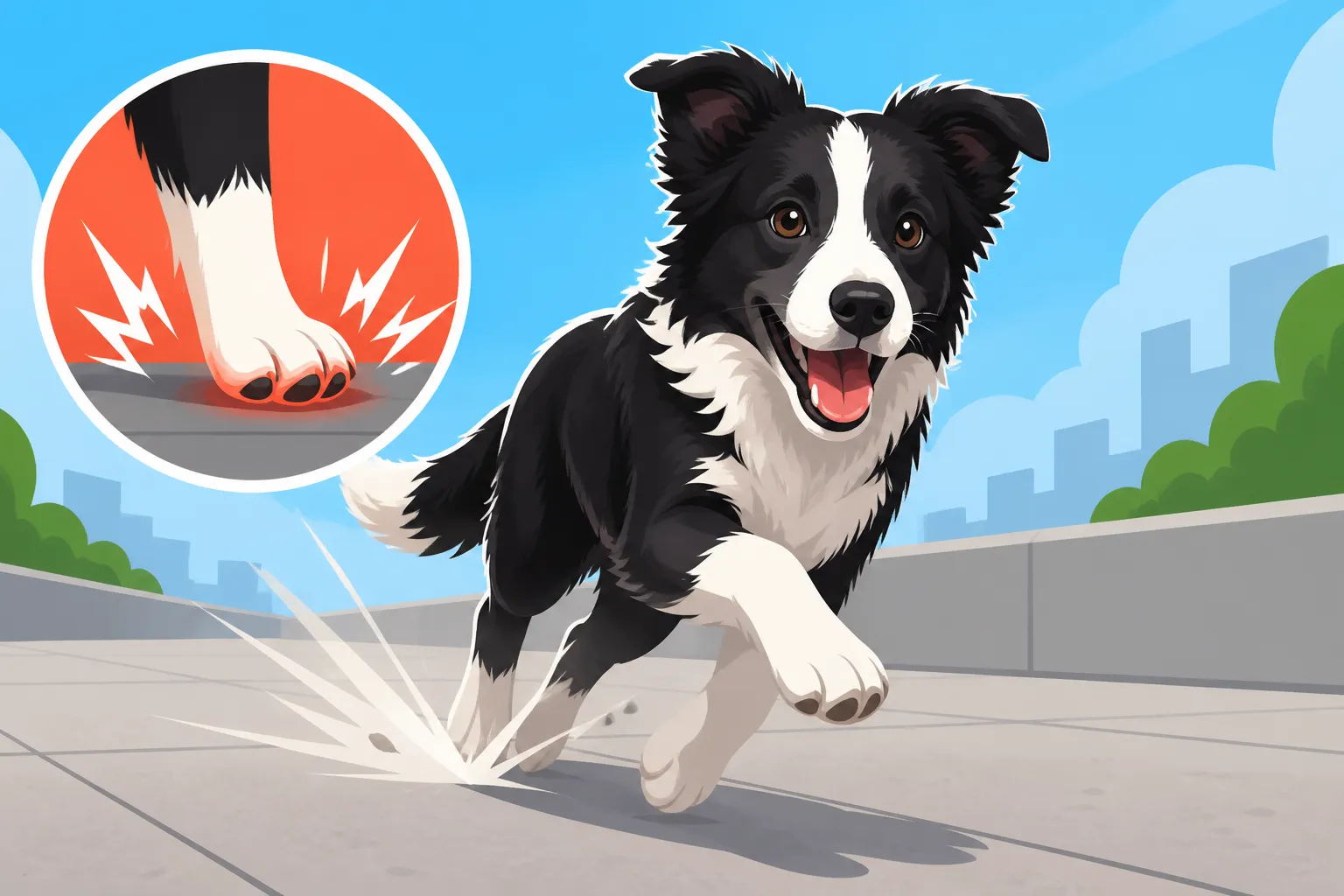
It’s an age-old dilemma for Border Collie owners: you have this energetic, intelligent young pup bursting with boundless energy, and you're desperate to give them an outlet. You look out at your driveway, the sidewalk, the concrete path in the park, and think, "Surely a quick run won't hurt?" Unfortunately, for a growing Border Collie, running regularly on hard, unforgiving surfaces like concrete can silently lay the groundwork for a lifetime of discomfort and expensive veterinary visits. This guide is here to walk you through exactly why concrete is a no-go for your young companion and what much safer alternatives exist.
The Silent Dangers of Concrete on Developing Joints
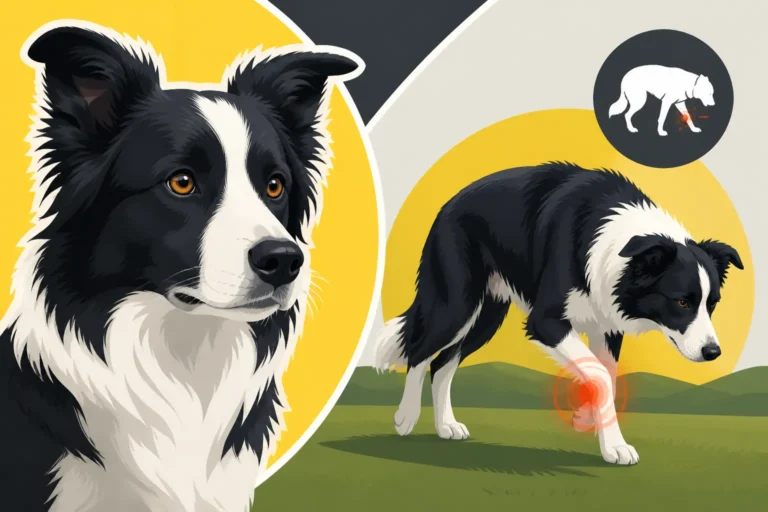
When you see your young Border Collie, perhaps a boisterous pup between four and eighteen months old, they seem invincible. They can sprint, jump, and turn on a dime without a care in the world. However, beneath that eager exterior, their skeletal system is still very much a work in progress. This is where the danger of concrete lies, as it doesn't offer the crucial shock absorption that growing joints desperately need.
The Vulnerability of Growth Plates
A young Border Collie's bones aren't fully fused. They have what are called "growth plates," which are areas of cartilage located near the ends of long bones. These plates are responsible for the bone's growth in length. They are incredibly soft and vulnerable, much softer than the surrounding bone or even mature bone. High-impact activities on hard surfaces, especially repetitive ones like running, can cause microtrauma or even macroscopic damage to these growth plates. Imagine repeatedly hitting a soft, still-developing area with a hammer – that's essentially what happens to these growth plates when a young, heavy-footed Border Collie is regularly pounding concrete. This damage might not show up as an immediate limp or yelp of pain, but it can lead to abnormal bone growth, pain, and eventually, conditions like osteoarthritis much earlier in life. Many people don't realize that even seemingly minor impacts can contribute to serious issues down the line, making something as simple as running on concrete a ticking time bomb for joint health.
Lack of Shock Absorption and Repetitive Strain
Concrete, by its very nature, is an unforgiving surface. It offers virtually no give or shock absorption. When your Border Collie's paws hit the ground, the full force of that impact travels directly up their legs, through their joints – hips, knees, elbows, and shoulders. Compare this to running on grass or dirt, where the natural give of the earth absorbs a significant portion of that impact. For a dog that is built for speed, agility, and quick changes in direction, like a Border Collie, this constant jarring creates immense repetitive strain. This strain exacerbates the risk to delicate growth plates, but also to the soft tissues like ligaments, tendons, and joint capsules. Over time, these tissues can become inflamed, weakened, or even torn. This is particularly true for high-drive dogs who don't always self-regulate their activity, pushing themselves harder and faster than might be wise on such a rigid surface. Understanding how your dog moves and the forces at play on their body is crucial, especially when they are still developing.
Safer Exercise Alternatives for Your Growing Border Collie
So, if concrete is out, what can you do with your energetic young Border Collie? The good news is there are plenty of wonderful, joint-friendly ways to burn off that infamous Border Collie energy and stimulate their brilliant minds, all while protecting their precious developing bodies.
Opting for Softer Surfaces
The golden rule for exercising a young Border Collie is to prioritize soft, natural surfaces. Think grassy fields, dirt trails, sand, or even packed earth. These surfaces provide natural shock absorption, cushioning their joints with every stride. Instead of the sidewalk, head to a local park with expansive lawns or find some gentle, unpaved hiking trails. Even a well-maintained baseball or soccer field can be an excellent option for short, controlled bursts of activity. When your puppy is playing with other dogs, ensure the play area is also on a soft surface to minimize impact during their excited romps.
For puppies under a year, remember that longer, sustained runs are generally discouraged regardless of surface. Short, frequent play sessions are far better than one long, intense workout. This approach allows their bodies to develop strength and coordination without overstressing their immature skeletal structure. Consider engaging them with activities like "fetch" on a soft lawn, using a soft frisbee or a large, soft rubber ball that encourages natural movement without excessive jumping or hard stops. For more information on how much activity is appropriate, you might find our guide on Impact Work Before a Border Collie Turns Two particularly useful.
Controlled and Structured Activities
Beyond simply running, controlled and structured activities are paramount for physical and mental development. This means activities where you can regulate the intensity and duration, ensuring your Border Collie isn't overdoing it.
Walking and Hiking on Varied Terrain: Gentle walks on trails with varied surfaces (dirt, gravel, grass) are fantastic. The slight unevenness helps build muscle, proprioception (awareness of their body in space), and balance, all without the relentless pounding of flat, hard ground. Remember, this isn't about covering miles; it's about engagement and exposure.
Swimming: This is an absolute superstar for young, active dogs! Swimming is non-weight-bearing, meaning it puts zero impact on their joints while still providing an incredible full-body workout and building excellent cardiovascular health. Find a safe lake, a dog-friendly beach, or even a specialized canine hydrotherapy pool. Always supervise your dog closely around water, especially if they are new to swimming, and ensure easy entry and exit points.
Mental Stimulation and Puzzle Games: Let's not forget the Border Collie's incredible brain! Mental stimulation can be just as tiring, if not more so, than physical exercise. Puzzle toys, scent work, trick training, and obedience sessions all engage their minds and help them develop without putting stress on their joints. Teaching them new commands, practicing their stays, or even hiding treats around the house for them to sniff out are all brilliant ways to burn energy safely. This kind of work is invaluable and helps prevent boredom-related destructive behaviors that sometimes arise when physical needs are not met appropriately.
Here's a quick comparison of safe vs. unsafe surfaces for growing Border Collies:
| Surface Type | Suitability for Young Border Collies | Rationale |
|---|---|---|
| Grass/Turf | Excellent | High shock absorption, natural cushioning. Ideal for running and play. |
| Dirt/Earth Trails | Excellent | Good shock absorption, varied terrain builds muscle and proprioception. |
| Sand | Good (in moderation) | Soft and yielding, but can be strenuous. Avoid deep, soft sand for prolonged high-intensity activity. |
| Gravel (Fine) | Moderate | Offers some give, but can be abrasive on paw pads. Use with caution. |
| Asphalt/Tarmac | Poor | Minimal shock absorption, abrasive, heats up quickly in sun. |
| Concrete | Very Poor (Avoid) | No shock absorption, extremely hard, high impact on joints. High injury risk. |
| Pavement/Tile | Very Poor (Avoid) | Similar to concrete, slick, often found indoors. High slip and impact risk. |
Even with the best intentions, accidents and issues can arise. It's wise to have a plan for unexpected veterinary costs. Considering pet insurance, perhaps from a reputable provider like Healthy Paws, early in your dog's life can provide a safety net for any joint issues or injuries that might develop despite your best efforts.
Recognizing Signs of Joint Stress and Injury
Even with the best preventative measures, it's crucial to be vigilant and recognize the subtle signs that your young Border Collie might be experiencing joint stress or developing an injury. These dogs are stoic and often push through discomfort, so it's up to us to be their advocates.
Subtle Changes in Gait or Behavior
One of the earliest indicators of a problem might not be a dramatic limp but a subtle change in how your dog moves. Watch for:
- A slight lameness or favoring of a limb: This might only be noticeable after rest, during the first few minutes of activity, or after intense play.
- Stiffness: Does your Border Collie seem stiff after waking up or after a period of inactivity? Do they struggle to get comfortable?
- Reluctance to jump, run, or use stairs: A previously eager dog suddenly hesitating before jumping into the car or climbing stairs could be signaling pain. Our article on Stairs and a Growing Border Collie Puppy delves deeper into safe practices for young dogs around stairs.
- Changes in play style: Are they less enthusiastic during fetch, stopping sooner, or avoiding certain movements?
- Altered posture: Carrying a limb differently, arching their back, or sitting awkwardly.
- Excessive licking or chewing: If your dog repeatedly licks or chews at a specific joint or area of a leg, it could indicate discomfort there.
Keep a mental log of these observations. Even small, seemingly insignificant changes can be important clues for your veterinarian. A good insurance policy, such as one from Healthy Paws, can certainly help cover diagnostic tests and treatments if these subtle signs escalate.
The Importance of Veterinary Consultation
If you notice any of these signs, don't delay – consult your veterinarian immediately. Early diagnosis and intervention are critical for managing joint issues, especially in a growing dog. What might seem like a minor "tweak" could be something more serious that, if left untreated, could lead to lifelong problems.
Your vet will conduct a thorough physical examination, checking for pain, swelling, and range of motion in all joints. They might recommend diagnostic imaging such as X-rays, which can reveal issues like growth plate damage, early signs of dysplasia (like Hip Dysplasia in a Border Collie That Runs All Day or Elbow Dysplasia and the Border Collie Forelimb), or other skeletal abnormalities. In some cases, blood tests or more advanced imaging like an MRI might be suggested.
Never try to self-diagnose or treat your dog based on internet research alone. Only a qualified veterinarian can accurately assess the situation and recommend the appropriate course of action, which could range from rest and pain management to physical therapy or even surgery. The proactive approach here isn't just about pain relief; it's about preserving your Border Collie's mobility and quality of life for years to come.
Long-Term Health and Preventative Measures
Understanding the risks of concrete for young Border Collies isn't just about avoiding immediate injury; it's about fostering a lifetime of good health and preventing debilitating conditions from developing prematurely. Long-term preventative care starts from puppyhood and continues throughout their active lives.
Prioritizing Joint Health from Puppyhood
The foundation of strong joints is laid in the first year to 18 months of a Border Collie's life. Beyond avoiding hard surfaces, there are several key areas to focus on:
- Balanced Nutrition: A high-quality diet specifically formulated for large-breed puppies (if your Border Collie is expected to be on the larger side, though they are technically a medium-sized breed) or active dogs is crucial. These diets are carefully balanced to support slow, steady growth, rather than rapid growth spurts which can put undue stress on developing bones and joints. Our article on Feeding a Border Collie Puppy Through Fifteen Months provides more detailed guidance on this important topic. Avoid overfeeding, as excess weight places additional strain on joints, even on appropriate surfaces.
- Appropriate Exercise Regimen: As discussed, prioritize short, frequent bursts of play on soft surfaces, rather than long, intense runs. The general rule of thumb is 5 minutes of structured exercise per month of age, twice a day, up to their adult size. This means a 6-month-old pup gets around 30 minutes, twice a day. This ensures they build muscle and stamina gradually without overwhelming their developing skeletal system.
- Weight Management: Keeping your Border Collie lean and at a healthy weight throughout their life is perhaps one of the most critical factors in preventing joint issues. Every extra pound translates to more stress on their joints. Regularly assess their body condition score – you should be able to feel their ribs easily without seeing them, and they should have a discernible waist.
Regular Health Check-ups and Screening
Consistent veterinary care is not just for when your dog is sick; it's vital for prevention and early detection.
- Annual Vet Visits: Regular check-ups allow your vet to monitor your Border Collie’s overall health, including their joint condition, and catch potential issues before they become severe.
- Genetic Screening: If you got your Border Collie from a reputable breeder, they likely screened the parents for common genetic conditions like hip and elbow dysplasia. However, if you're unsure or adopted your dog, consider discussing genetic screening with your vet. For breeders, understanding The Border Collie Genetic Panel and What It Screens is essential.
- Hip and Elbow Scoring: For working or sport Border Collies, or those with a family history of joint issues, official evaluations like OFA (Orthopedic Foundation for Animals) or PennHIP can provide valuable insights into their joint health. The ideal time for this is usually after they are two years old when their growth plates have fused. You can learn more about this in The Age a Border Collie Should Be Hip-Scored.
- Pet Insurance Considerations: While no one likes to think about their dog getting sick or injured, having pet insurance can be a game-changer. Policies from providers like Healthy Paws can cover a significant portion of veterinary costs for unexpected accidents or illnesses, including diagnostics and treatments for joint conditions that might arise despite your best efforts. Thinking ahead about how to cover these potential costs, especially for a breed prone to being active and potentially picking up Sport Injuries a Border Collie Picks Up, is a responsible part of dog ownership. This can truly ease the financial burden if your energetic companion develops something like Osteoarthritis in a Border Collie by Eight later in life.
By being mindful of their developing bodies, providing appropriate exercise and nutrition, and maintaining regular veterinary care, you are giving your young Border Collie the best possible chance at a long, healthy, and active life, free from the preventable pain of joint degeneration.
Disclaimer
The information provided in this article is for educational purposes only and is not a substitute for professional veterinary advice. Always consult with a qualified veterinarian regarding your Border Collie's specific health concerns, diagnosis, and treatment options.