What an OFA Hip Grade Means for a Border Collie
It’s a truly bewildering moment when you first encounter the results of your Border Collie’s Orthopedic Foundation for Animals (OFA) hip screening. You see terms like "Excellent," "Good," or maybe even "Fair," and a wave of questions hits you: What do these grades actually mean for your incredibly active, hard-working dog? How will it impact their ability to run, jump, and play fetch for years to come? This guide is here to cut through the jargon and explain exactly what an OFA hip grade signifies for your beloved Border Collie.
Understanding Canine Hip Dysplasia in Border Collies
Hip dysplasia is one of those terms that can strike fear into the heart of any dog owner, and for good reason. It’s a complex and often painful condition that affects the hip joints, and while Border Collies are generally robust, they are not entirely immune. Navigating the world of genetics and joint health can feel like a maze, but understanding the basics is the first step.
The Genetic Predisposition to Hip Dysplasia
At its core, canine hip dysplasia (CHD) is a developmental orthopedic condition where the hip joint doesn’t form correctly. Think of it as a ball-and-socket joint where the ball (the head of the femur) doesn’t fit snugly into the socket (the acetabulum of the pelvis). Instead, it's loose, leading to instability, abnormal wear and tear, and eventually, degenerative joint disease or osteoarthritis. This process can be incredibly painful and debilitating for a dog, severely impacting their quality of life.
For Border Collies, a breed celebrated for its agility, speed, and endurance, CHD can be particularly devastating. A dog with hip dysplasia might struggle with activities that come so naturally to the breed, like herding, agility, or even just a vigorous game of fetch. It’s heartbreaking to see a dog so full of life and drive be limited by their own body. The frustrating part is that CHD is considered a polygenic trait, meaning multiple genes contribute to its development, making it a tricky condition to breed out entirely, even for the most conscientious breeders. While good genetics significantly reduce the risk, environmental factors also play a role, but the blueprint is often laid down before birth.
The Role of the Orthopedic Foundation for Animals OFA
This is where organizations like the Orthopedic Foundation for Animals (OFA) step in. The OFA is a not-for-profit organization dedicated to promoting the health and welfare of companion animals through objective evaluation of genetic diseases. They provide a standardized, independent system for evaluating hip and elbow health, along with many other genetic conditions. For breeders, the OFA database is an invaluable tool, allowing them to make more informed decisions by evaluating the hip status of potential breeding dogs and their ancestors.
The goal of OFA certifications isn't just about identifying affected dogs; it's about providing data to improve the genetic health of future generations. When you see an OFA certificate for a Border Collie, it means that dog's hips (and often elbows) have been radiographed and evaluated by a panel of veterinary radiologists. This creates transparency and accountability, helping to reduce the incidence of debilitating conditions like hip dysplasia in the breed. It’s a commitment to responsible breeding and long-term canine health.
The Radiographic Process for Hip Evaluation
Getting an OFA hip evaluation isn't as simple as just taking a quick X-ray. It requires a very specific radiographic procedure to ensure accuracy and consistency in evaluation. For a Border Collie, this typically involves a "VD extended view," where the dog lies on its back with its hind legs extended straight back and parallel to each other. This positioning is crucial because it allows the radiologists to clearly visualize the hip joints, assess the congruity of the ball and socket, and look for any signs of subluxation (partial dislocation) or degenerative changes.
Because precise positioning is absolutely essential to avoid misinterpretations, most dogs undergoing OFA hip evaluations require some form of sedation or even light anesthesia. This ensures that the muscles around the hips are completely relaxed, preventing any compensatory positioning that could mask true joint laxity or create a false impression of tightness. The resulting X-ray images are then submitted to the OFA, where they are reviewed by three independent, board-certified veterinary radiologists. These experts come to a consensus on the grade, providing an unbiased assessment that becomes part of the dog’s permanent health record in the OFA database.
Decoding the OFA Hip Grading Scale
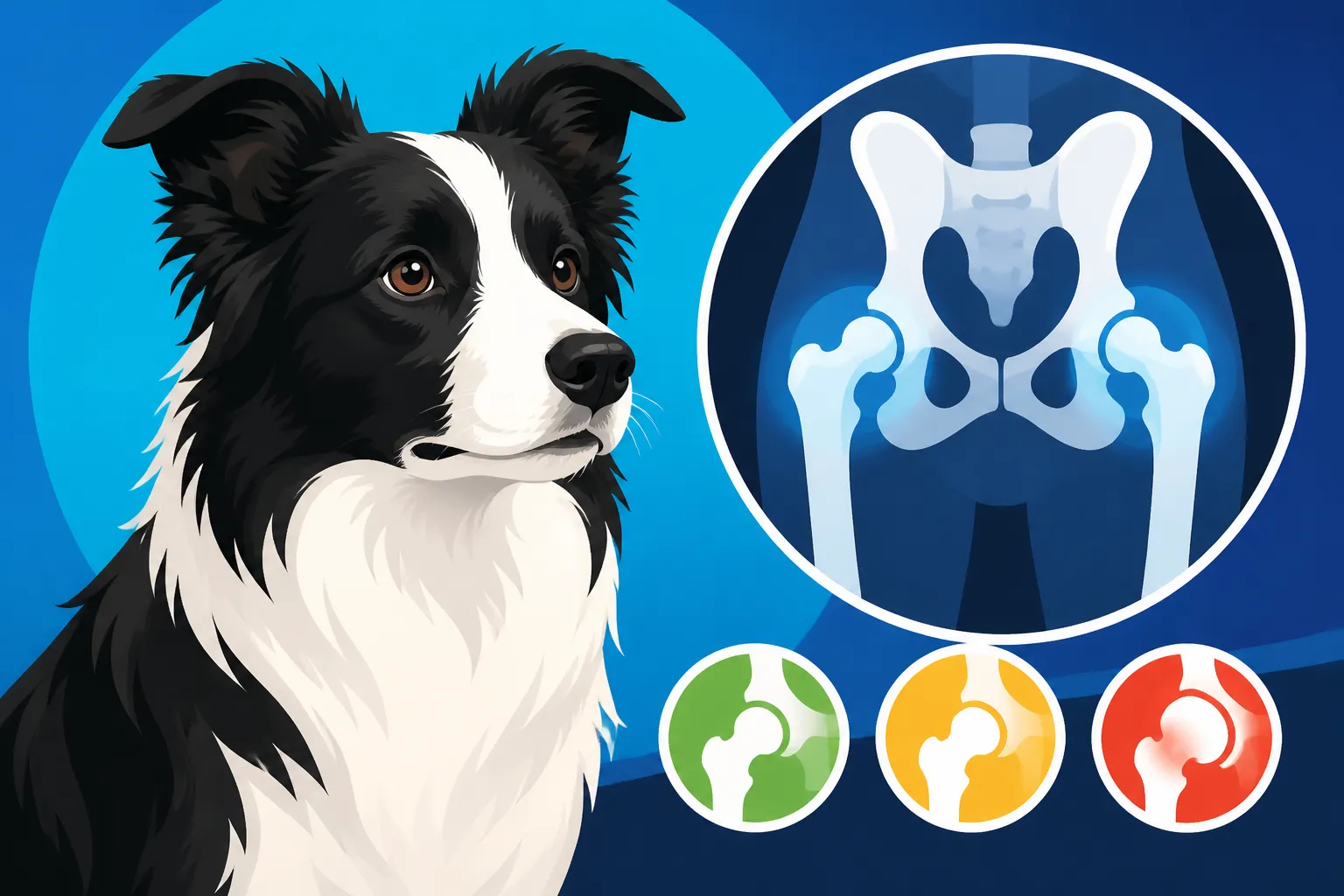
Once those radiographs are submitted and reviewed, your Border Collie will receive one of seven possible hip grades. These grades range from the best possible hip conformation to severe dysplasia, and understanding each one is key to knowing what it means for your dog.
Passing Grades: Excellent, Good, and Fair
These three grades are considered within the normal range of hip conformation and are acceptable for breeding by the OFA. However, there are nuances to each:
- Excellent: This is the gold standard, indicating superior hip conformation. The hip joint is very tight, with the femoral head fitting deeply and snugly into the acetabulum, showing minimal subluxation (if any) and near-perfect congruity. For breeders, an "Excellent" rating is highly desirable, as it suggests the lowest genetic risk for passing on hip dysplasia.
- Good: A "Good" rating still signifies a well-formed and healthy hip joint. The femoral head fits well within the acetabulum, and there is good congruity, though perhaps not quite as tight as an "Excellent" hip. Most responsible Border Collie breeders strive for their dogs to achieve at least a "Good" rating, as it still indicates a sound joint structure that should hold up well to the demands of a working or active lifestyle.
- Fair: While still considered a "passing" grade by OFA, "Fair" hips exhibit minor irregularities. The hip joint might be slightly less congruent, with a somewhat wider joint space than ideal, or there might be some very minor signs of remodeling. For owners, a "Fair" grade can sometimes cause a bit of anxiety, as it’s on the lower end of the normal spectrum. While still suitable for breeding according to OFA, many breeders aim for higher scores to further minimize the risk of HD in their lines. A Border Collie with "Fair" hips may still live a long, active life without issues, but might be slightly more prone to developing osteoarthritis later in life compared to those with "Excellent" or "Good" hips.
The Ambiguity of "Borderline"
The "Borderline" grade is arguably the most frustrating for owners and breeders alike. This designation means that the radiograph shows some suspicious changes that prevent it from being definitively classified as "normal," but there isn't enough clear evidence to label it as dysplastic either. It's truly a gray area, leaving you with more questions than answers.
Often, if a dog receives a "Borderline" grade, the OFA will recommend a re-screening within six months to a year. This allows for potential further development or clarification of the hip conformation. For a young Border Collie, those changes could go either way – they might improve to a "Fair" or "Good" status, or they could progress to "Mild" dysplasia. This uncertainty can be particularly challenging for breeders trying to make responsible decisions. Some may opt to wait for a re-screen, while others might choose not to breed a dog with a "Borderline" score to err on the side of caution. It truly highlights the complex nature of genetic health and the importance of repeated evaluations.
Dysplastic Grades: Mild, Moderate, and Severe
These three grades clearly indicate that the dog is affected by hip dysplasia to varying degrees and should absolutely not be used for breeding.
- Mild: A "Mild" dysplastic grade means there is definite evidence of hip dysplasia, though perhaps in its early stages. You might see signs like slight subluxation (the ball of the femur not fitting perfectly into the socket), a shallow acetabulum, or minor osteophyte production (bone spurs), which are early indicators of degenerative joint disease. While a Border Collie with mild dysplasia might not show obvious clinical signs of pain or lameness, especially if young, the underlying pathology is present and will likely progress over time.
- Moderate: This grade signifies more pronounced evidence of hip dysplasia. There will be noticeable subluxation, possibly a flattening of the femoral head, and more significant osteophyte formation. Dogs with "Moderate" dysplasia are much more likely to exhibit clinical signs such as lameness, stiffness, difficulty rising, or reluctance to jump or play. The structural changes in the joint are more significant, and the dog will almost certainly require ongoing management for pain and mobility throughout its life.
- Severe: This is the most serious grade, indicating advanced hip dysplasia with marked degenerative joint disease. The radiographs will show severe subluxation or even complete dislocation, significant flattening and remodeling of both the femoral head and the acetabulum, and extensive osteophyte formation. A Border Collie with "Severe" hip dysplasia will typically be in considerable pain, show pronounced lameness, and have significantly impaired mobility. They will require intensive veterinary care, which may include surgery, to maintain any semblance of comfort and function. This grade represents the furthest extreme of the condition, emphasizing why breeders strive so hard to prevent it.
Here's a handy table summarizing the OFA hip grades and their general implications:
| OFA Grade | Description | Breeding Recommendation | Clinical Significance (General) |
|---|---|---|---|
| Excellent | Superior hip conformation, very tight hip joint | Recommended | Very low risk of developing clinical hip dysplasia symptoms. |
| Good | Well-formed hip joint, congruent, good depth of socket | Recommended | Low risk of developing clinical hip dysplasia symptoms. |
| Fair | Passable conformation, minor irregularities, wider joint space | Recommended | Slightly higher risk, but often asymptomatic. May show signs with age/work. |
| Borderline | Not clearly normal or dysplastic. Suspicious signs. | Re-evaluate/Caution | May or may not develop clinical HD. Re-screening often advised. |
| Mild | Evidence of subluxation, early signs of degenerative joint disease | Not Recommended | Increased risk of pain, arthritis, especially with activity. |
| Moderate | Significant subluxation, changes to bone structure | Not Recommended | Likely to experience pain, lameness, and require management. |
| Severe | Marked degenerative joint disease, severe subluxation | Not Recommended | Significant pain, lameness, early onset arthritis. May require surgery. |
The Practical Impact of OFA Hip Grades
Beyond the technical descriptions, OFA hip grades have very real-world consequences, especially for a breed as active and intelligent as the Border Collie. They influence everything from breeding decisions to daily care for your individual dog.
Making Informed Breeding Choices
For anyone involved in breeding Border Collies, OFA scores are not just a recommendation; they are a fundamental ethical responsibility. The goal of responsible breeding is to produce healthy, sound puppies, and screening for conditions like hip dysplasia is a critical step in that process. Breeders who consistently produce dogs with "Excellent" or "Good" hip scores are actively working to reduce the incidence of HD in the breed, contributing to a healthier future for Border Collies everywhere.
It's important to remember that even a dog with "Excellent" hips can, theoretically, produce offspring with dysplasia, as the condition is polygenic. However, the probability is significantly lower when breeding two parents with optimal hip scores. This is why many reputable breeders will not only screen their breeding stock but also carefully research the hip health of the dogs in their pedigrees for several generations. The commitment to understanding and using these scores reflects a dedication to the welfare of the breed. For a deeper dive into making tough decisions, you might find our article on Breeding Decisions Around Border Collie Collapse insightful, as it touches on similar themes of genetic responsibility.
Navigating Life with a Dysplastic Border Collie
Discovering that your high-drive Border Collie has a dysplastic grade can be truly devastating. You picture years of active adventures, agility courses, or demanding stock work, and suddenly, that future feels uncertain. It’s a tough pill to swallow, but it’s crucial to remember that a dysplastic diagnosis is not necessarily a death sentence, nor does it mean your dog can't live a fulfilling life. It simply means a different path, one focused on diligent management and care.
Management strategies often include maintaining a lean body weight, which is paramount for reducing stress on the joints. Controlled, low-impact exercise like swimming or leash walks can help build muscle without overtaxing the hips, as discussed in Hip Dysplasia in a Border Collie That Runs All Day. Physical therapy, joint supplements (like glucosamine and chondroitin, often covered by pet insurance providers such as Healthy Paws), and anti-inflammatory medications (NSAIDs) can all play a vital role in managing pain and preserving mobility. In more severe cases, surgical options, such as Femoral Head Ostectomy (FHO) or Total Hip Replacement (THR), might be considered. The journey can be challenging, both emotionally and financially, but with a committed approach, many dysplastic Border Collies continue to enjoy happy, comfortable lives.
The Importance of a Vet's Expertise
While the OFA provides a crucial, objective grading system for hip conformation, it's just one piece of a larger health puzzle. Your veterinarian is your most important partner in understanding what that grade truly means for your individual Border Collie. They can interpret the X-ray results in the context of your dog's overall health, lifestyle, and any clinical signs they might be showing.
A vet can assess your Border Collie's gait, range of motion, and pain response during a physical examination, providing a personalized clinical picture that complements the radiographic findings. If your dog has a dysplastic grade, your vet will work with you to develop a comprehensive management plan tailored to their specific needs, whether it involves diet, exercise modifications, medication, or referrals to specialists for advanced treatments. It's a team effort, and open communication with your veterinary team is essential to ensure your Border Collie receives the best possible care.
Comprehensive Joint Health: More Than Just Hips
While hips often steal the spotlight when discussing canine joint health, especially with OFA, it's crucial to remember that a Border Collie's entire musculoskeletal system needs attention. A holistic approach to joint care is vital for these highly athletic dogs.
Considering Elbow Dysplasia Screening
It's easy to focus solely on hips, but elbow dysplasia is another significant orthopedic concern, particularly for active breeds. Like hip dysplasia, elbow dysplasia is a complex, inherited condition that affects the elbow joint, often leading to pain, lameness, and degenerative arthritis. The OFA also offers a robust screening program for elbows, grading them as normal or various degrees of dysplasia (Grade I, II, or III).
For Border Collies, who rely heavily on their forelimbs for quick turns, stops, and jumps in activities like agility or herding, healthy elbows are just as critical as healthy hips. Many responsible breeders will screen their dogs for both hip and elbow dysplasia simultaneously. Understanding the nuances of conditions like Elbow Dysplasia and the Border Collie Forelimb is paramount for comprehensive health planning, ensuring that both ends of your active companion are as sound as possible.
Age of Screening and Lifestyle Factors
OFA final certification for hip and elbow evaluations can only be performed once a dog reaches 24 months of age. While preliminary evaluations can be done earlier, they are not considered definitive. This age requirement is important because the hip joints are still developing significantly during the first two years of a Border Collie's life. What might look "borderline" at 12 months could resolve or worsen by 24 months.
Beyond genetics and screening, lifestyle choices play an enormous role in joint health. It's a common misconception that more exercise is always better for a Border Collie puppy. However, avoiding high-impact activities, excessive jumping, or strenuous repetitive motions on growing joints is critical for preventing developmental issues. Our article on Impact Work Before a Border Collie Turns Two delves into this in more detail. Moreover, maintaining a lean body weight throughout a Border Collie's life, regardless of their OFA scores, is the single most impactful thing an owner can do to minimize stress on joints and delay the onset or progression of osteoarthritis, a concern that can plague even healthy dogs as they age. Supplementation and a balanced diet can support joint health, and having a reliable pet insurance provider like Healthy Paws can provide much-needed financial support if joint issues arise unexpectedly.
Beyond OFA: Other Health Considerations
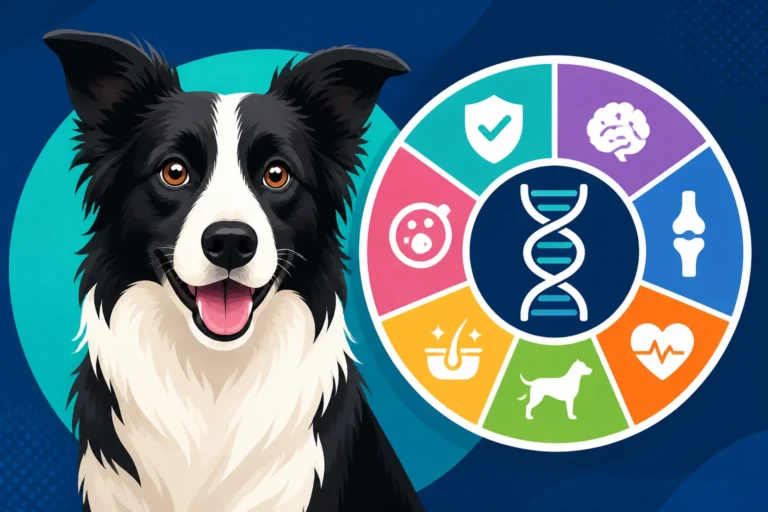
The OFA is a fantastic resource, offering evaluations for many genetic conditions beyond hips and elbows. For a truly comprehensive picture of your Border Collie's health and genetic predispositions, considering a full suite of screenings is advisable. This includes patella examinations for luxating patellas, cardiac screenings for heart conditions, and thyroid evaluations. Many of these can be performed by your veterinarian.
Furthermore, genetic DNA panels can screen for an array of breed-specific conditions that aren't visible on an X-ray, such as Collie Eye Anomaly (CEA), Neuronal Ceroid Lipofuscinosis (NCL), and Trapped Neutrophil Syndrome (TNS). Our guide on The Border Collie Genetic Panel and What It Screens offers detailed information on these important tests. A proactive and thorough approach to health screening, combined with a comprehensive understanding of what results like OFA hip grades mean, empowers you to provide the best possible care for your Border Collie throughout their active life. And with the security of pet insurance from a reputable provider like Healthy Paws, you can have peace of mind knowing you're prepared for whatever health challenges may come your way.
Disclaimer
Please note that the information provided in this article is for general educational purposes only and should not be considered a substitute for professional veterinary advice. Always consult with a qualified veterinarian for any health concerns or before making any decisions related to your Border Collie's health and treatment plan.